
Kona
A sunlit leeward coast region mixing Kailua-Kona bustle with South Kona heritage drives.
Kona is the Big Island’s broad, visitor-facing west side: the lively waterfront of Kailua-Kona, drier lava coastlines, and a string of South Kona bays and cultural sites. Many trips use Kona as a practical hub for ocean time, sunsets, and easy day drives, with a quick upland detour to cooler coffee-country around Hōlualoa.
Best For
- Leeward weather
- Snorkel-from-shore days
- Historic shoreline sites
- Sunset dining walks
- Base-and-excursions trips
Trade-offs
- Car-dependent outside town
- Rocky lava shoreline
- Traffic on main highway
- Drier, less lush scenery
Logistics & Getting Around
Only central Kailua-Kona feels truly walkable; most beaches, viewpoints, and South Kona stops require driving. Expect strong sun and heat at the coast, with cooler temperatures a short climb upslope.
Areas in Kona
Signature Experiences in Kona
The feel of Kona
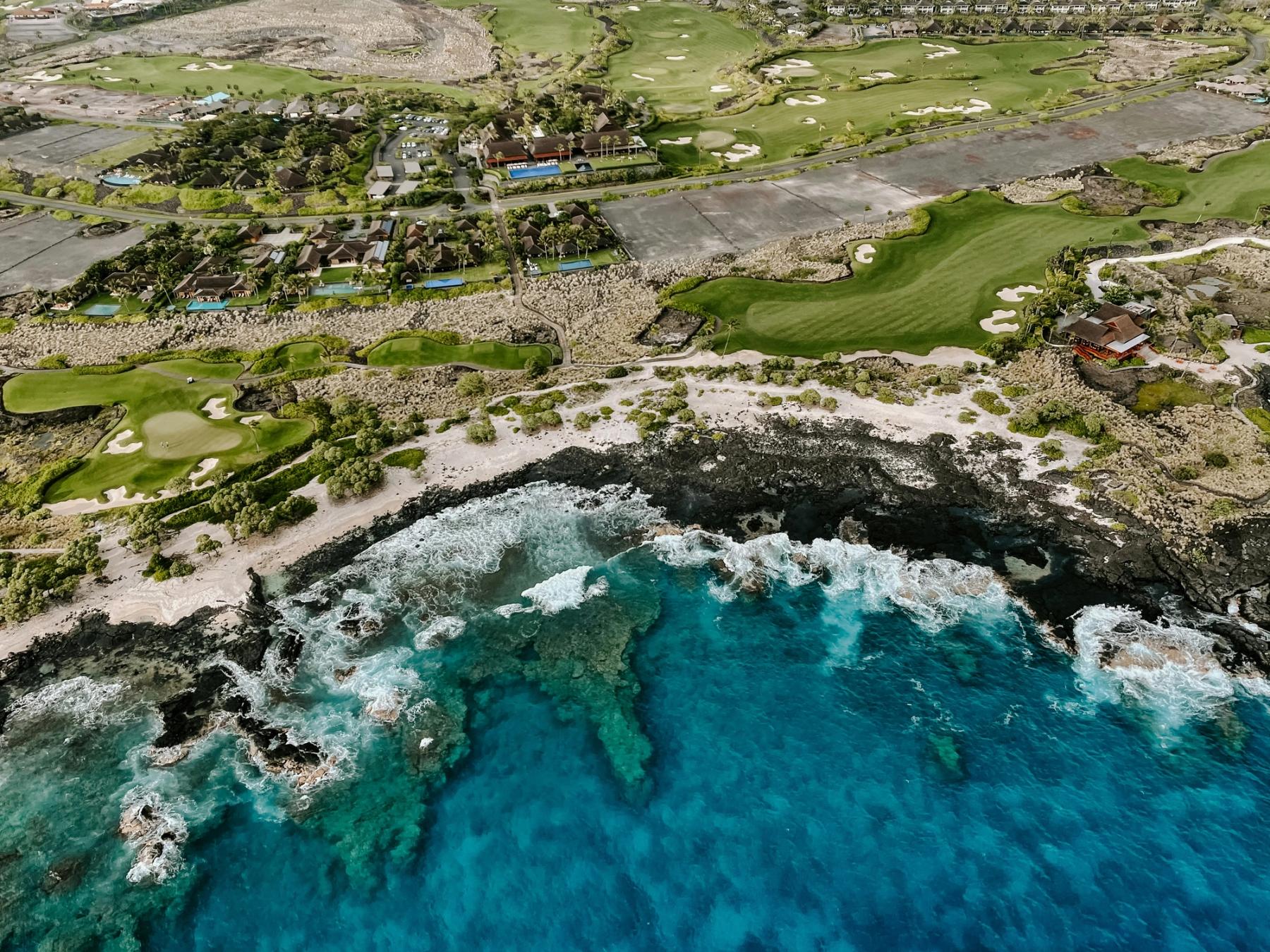
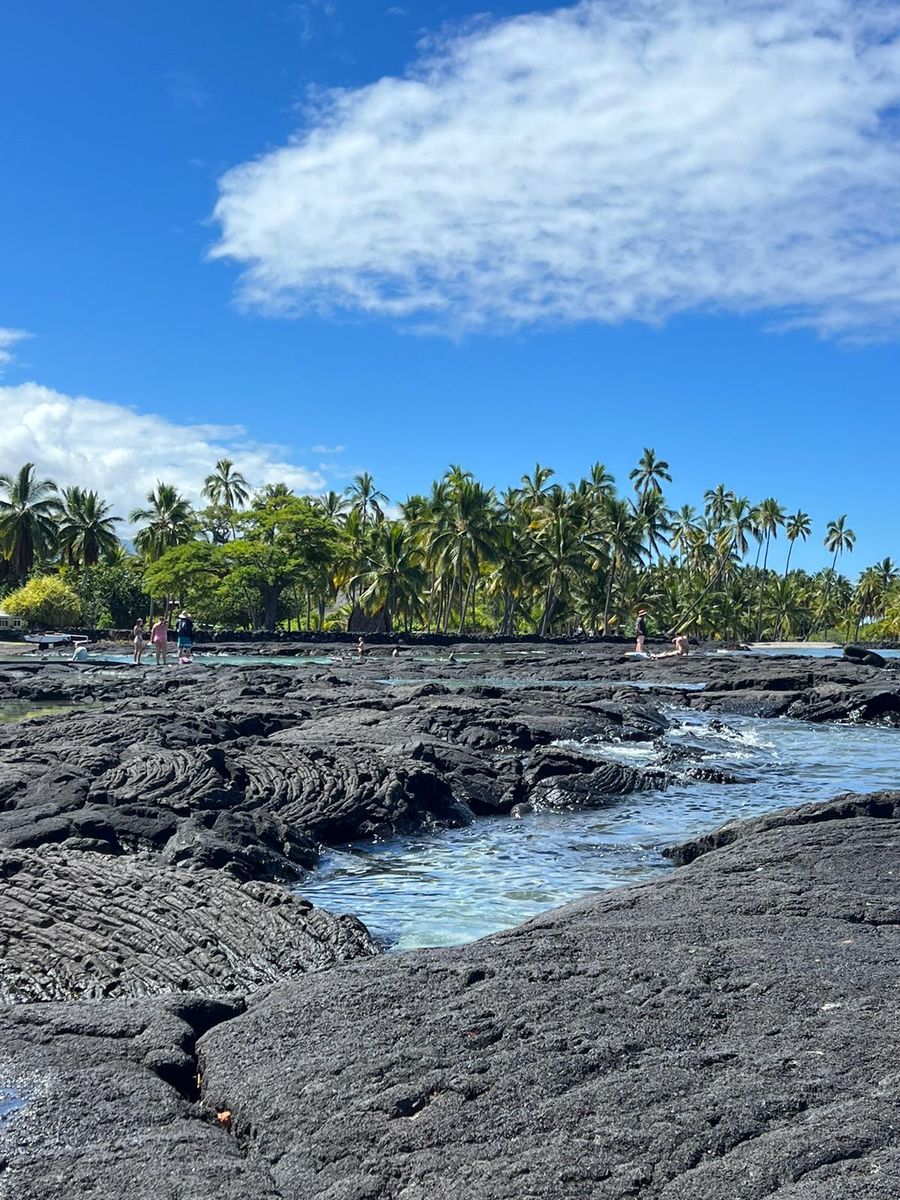
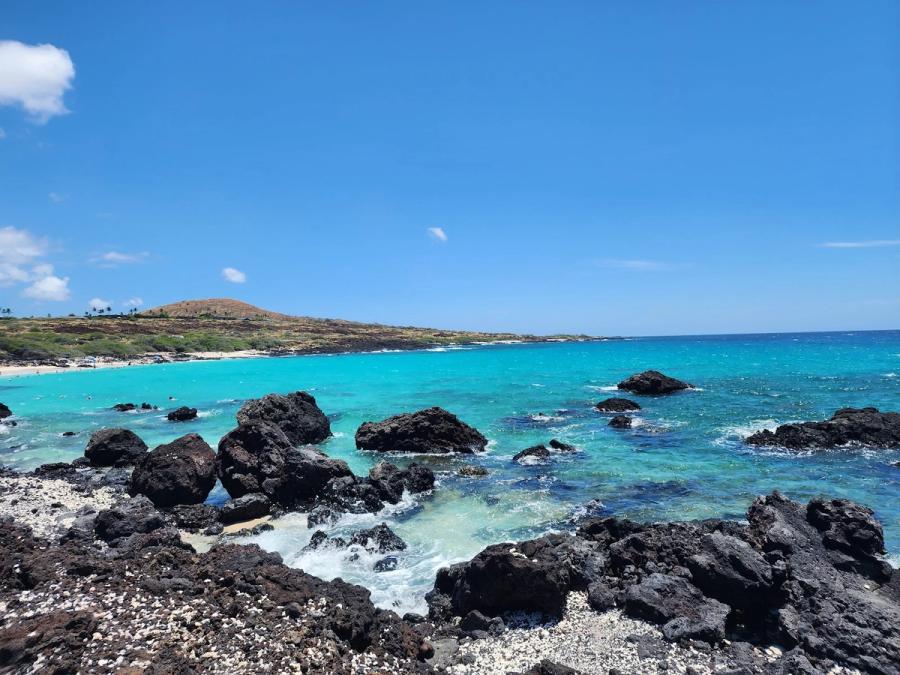
Kona reads as the Big Island’s leeward “everyday visitor coast”: bright light, dry air, black lava and low kiawe, and an ocean that often looks calmer than the windward side. The region’s name can be confusing—people say “Kona” when they mean the town of Kailua-Kona—but in practice it’s a longer stretch of coast with different moods. The center of gravity is the Kailua-Kona waterfront, where cafés, small shops, and oceanfront promenading make it easy to fill an afternoon without planning. Step a few miles away and the tone shifts to drive-linked beaches, residential pockets, and resort corridors.
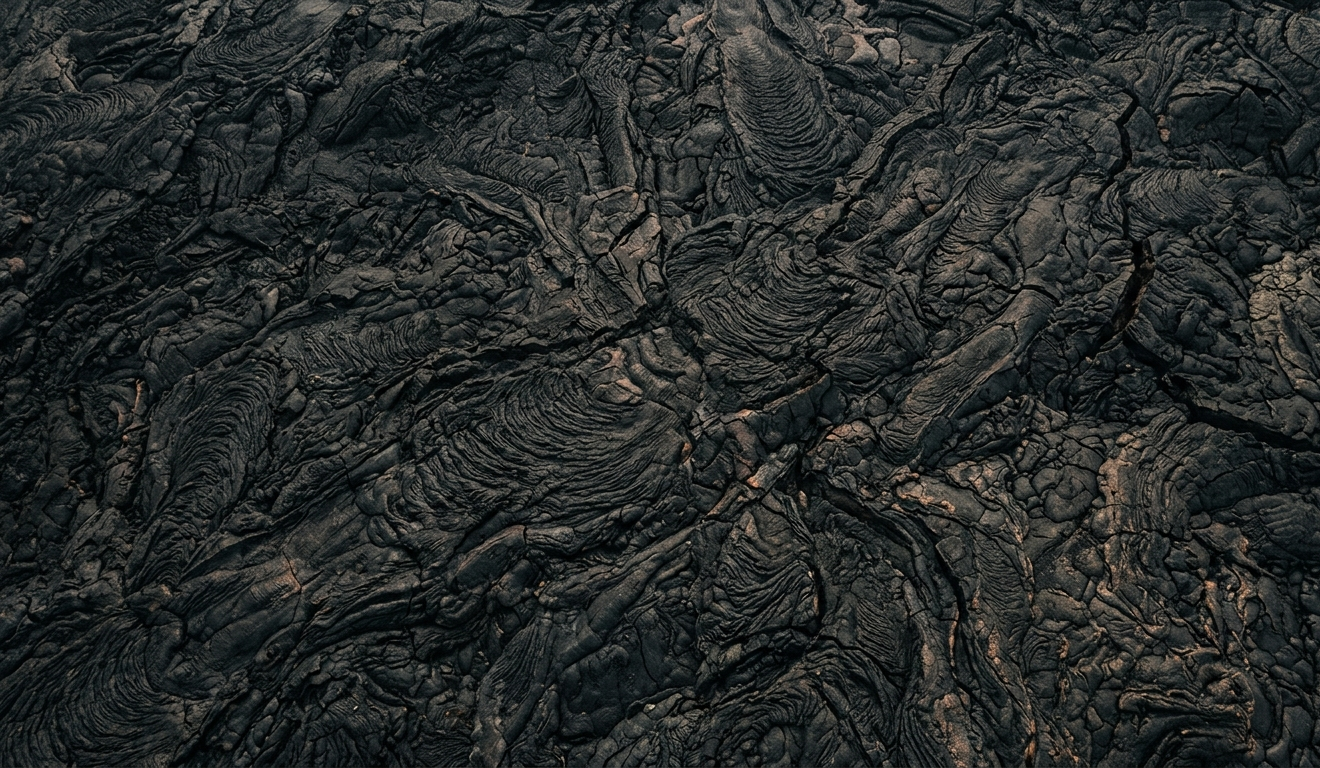
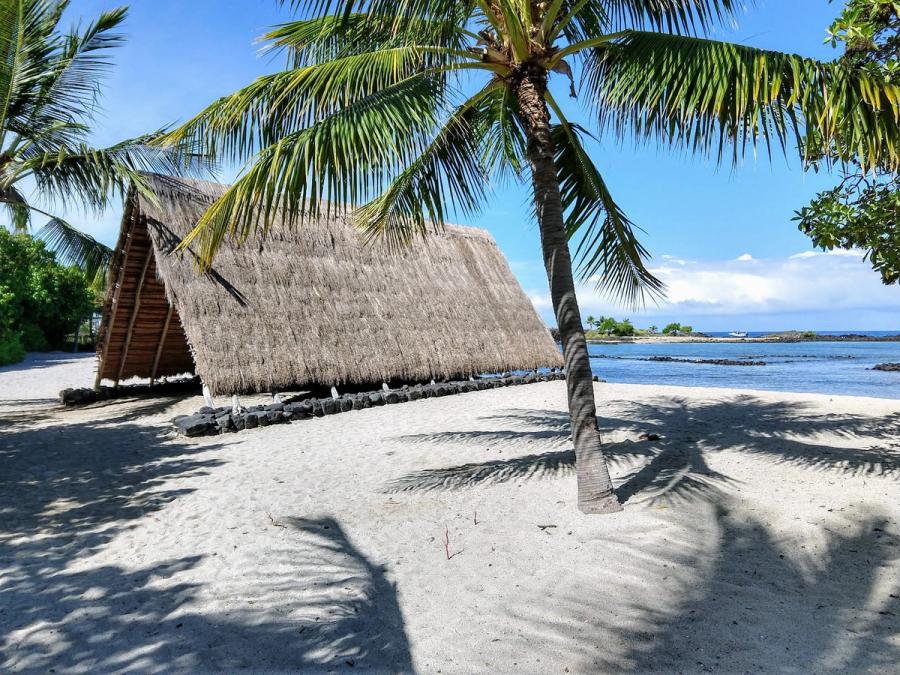
Kona’s scenery isn’t the rain-forest green some first-timers expect from Hawaiʻi. It’s more about texture: pahoehoe lava fields, coconut palms clustered around old landing spots, and long views over the channel at dusk. When the light is right, the whole coastline looks etched.
How people spend time here
Most visitors use Kona as a hub for the simple pleasures: quick access to the water, reliably good weather, and a menu of short outings that don’t require a full-day commitment. The typical rhythm is a morning in the ocean, a mid-day reset, then something easy near town—followed by sunset, which is a genuine daily event on this side.
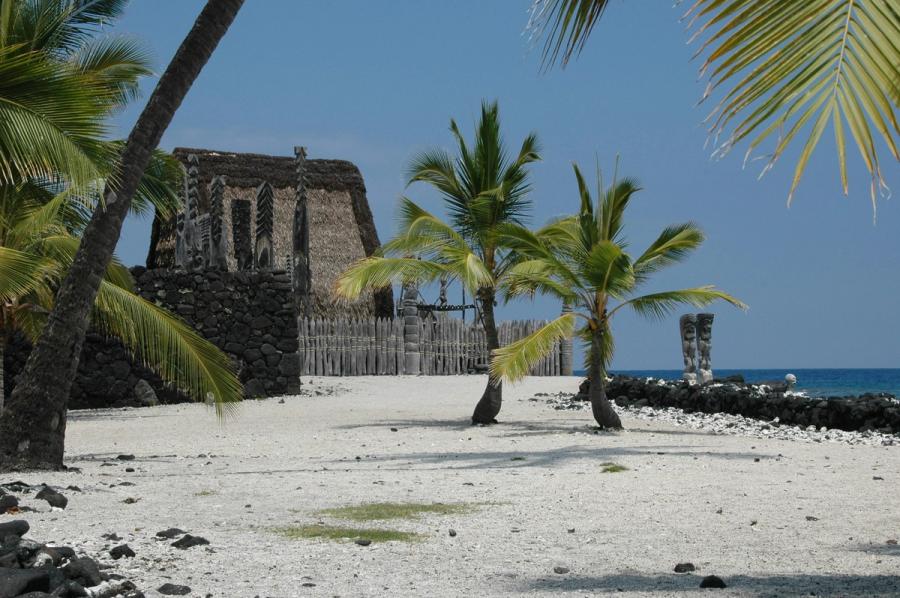
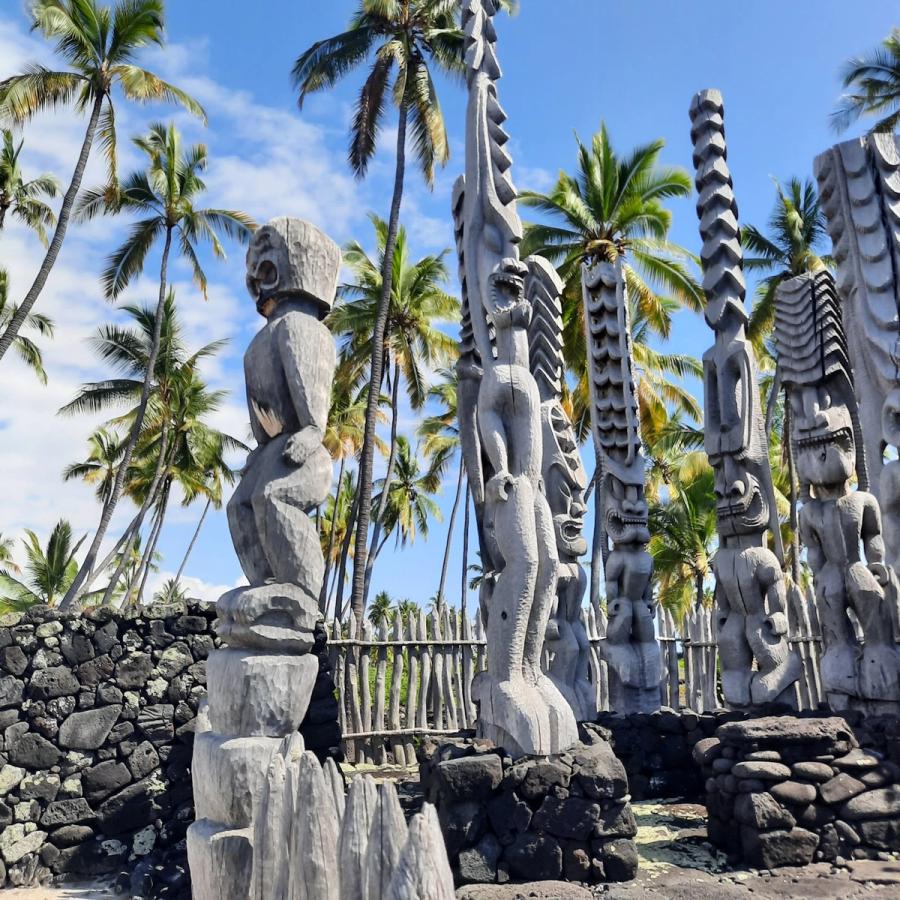
Southbound, Kona becomes more stop-based. The drive into South Kona is part of the experience: a sequence of small bays, lava points, and historic places that reward patience and a willingness to pull over. A major anchor is Puʻuhonua o Hōnaunau National Historical Park, where you can absorb the setting slowly—stonework, shoreline, and the weight of history—without needing to “do” much beyond paying attention.
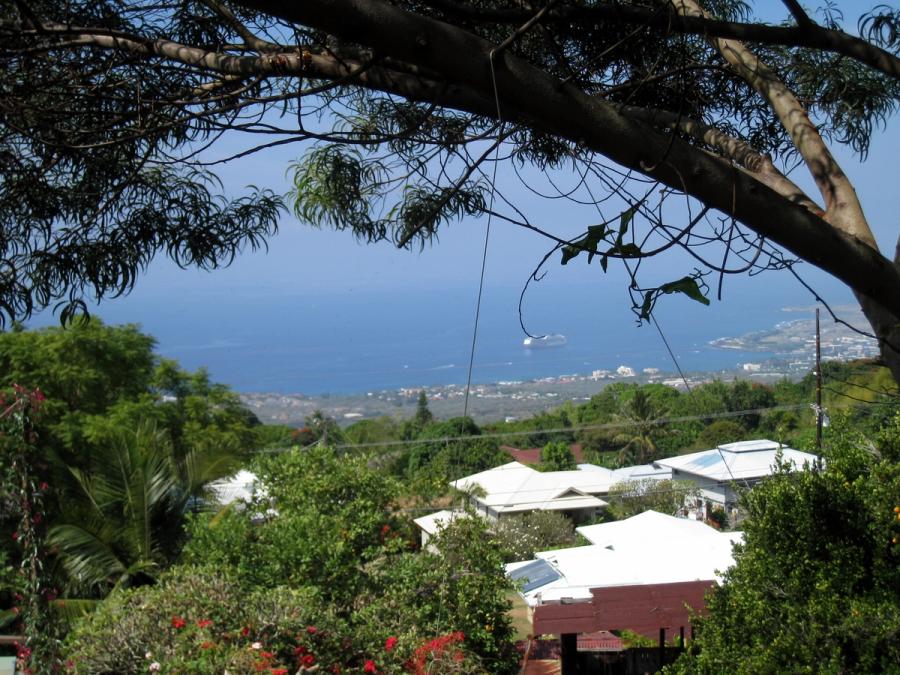
For a change of temperature and atmosphere, the road climbs to Hōlualoa, a small upland village tied to coffee country. It’s often just a brief detour, but it helps explain Kona’s layered identity: coast below, working uplands above.
Practical notes and honest tradeoffs
Kona is convenient, but it isn’t uniformly walkable or beachy. The most strollable pocket is the historic Kailua-Kona waterfront; beyond that, you’ll likely be driving between distinct stops. Many shoreline access points are rocky, with entry that can be rough when surf picks up—great for views and tidepools, not always for casual swimming.
Because Kona is a common base, it can feel busy around the main corridors, especially at the same hours everyone else is chasing food, errands, or sunset. The payoff is that services are concentrated here, making it one of the easiest regions on the island to settle into for a multi-day stay while you branch out to other parts of Hawaiʻi Island.

Can't decide where to stay? Get personalized advice.
Custom recommendations built from the web's most comprehensive Kauai guide.