

The Big Island is not a “pick any beach and wade in” kind of place. That is part of its appeal.
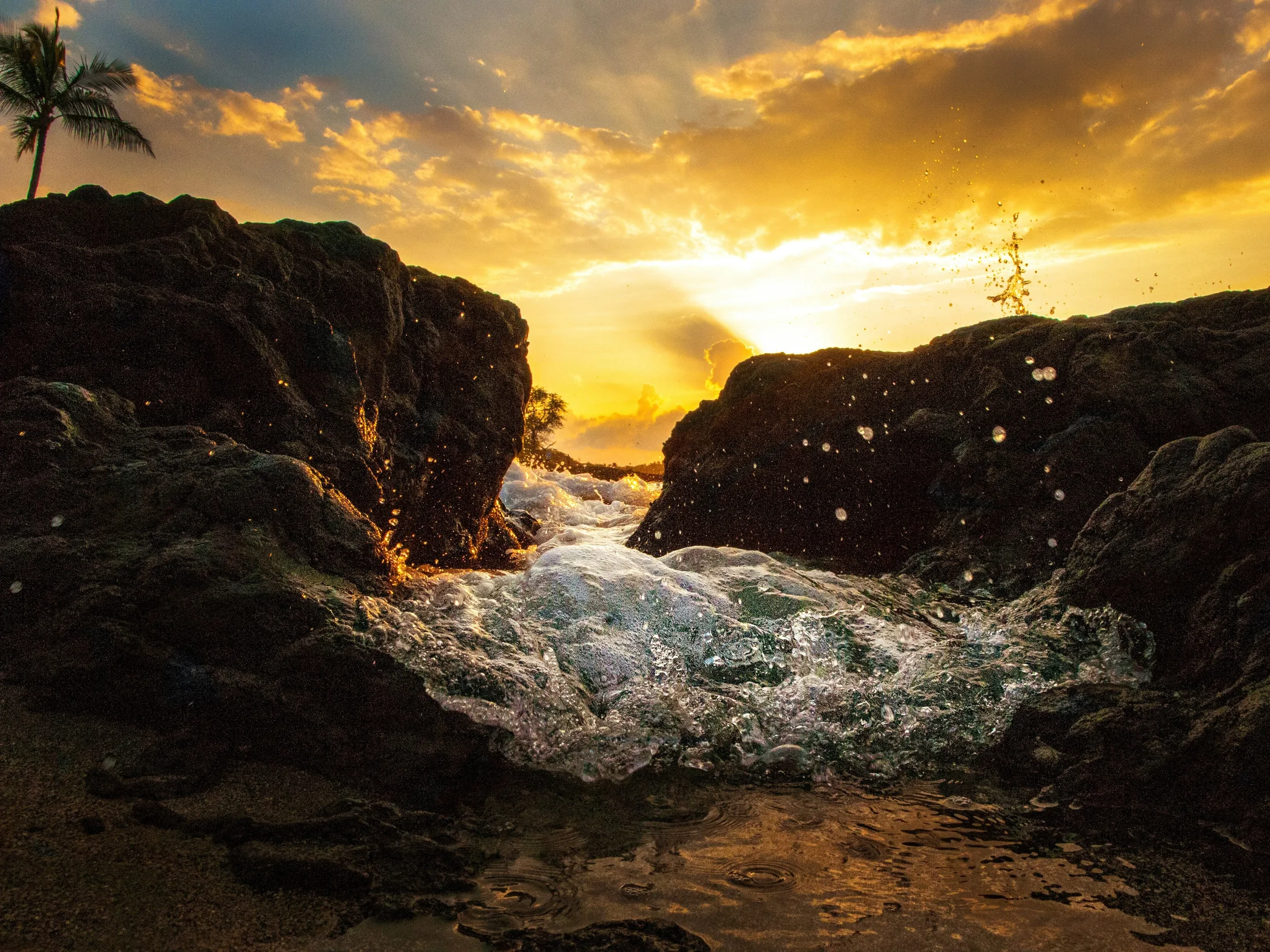
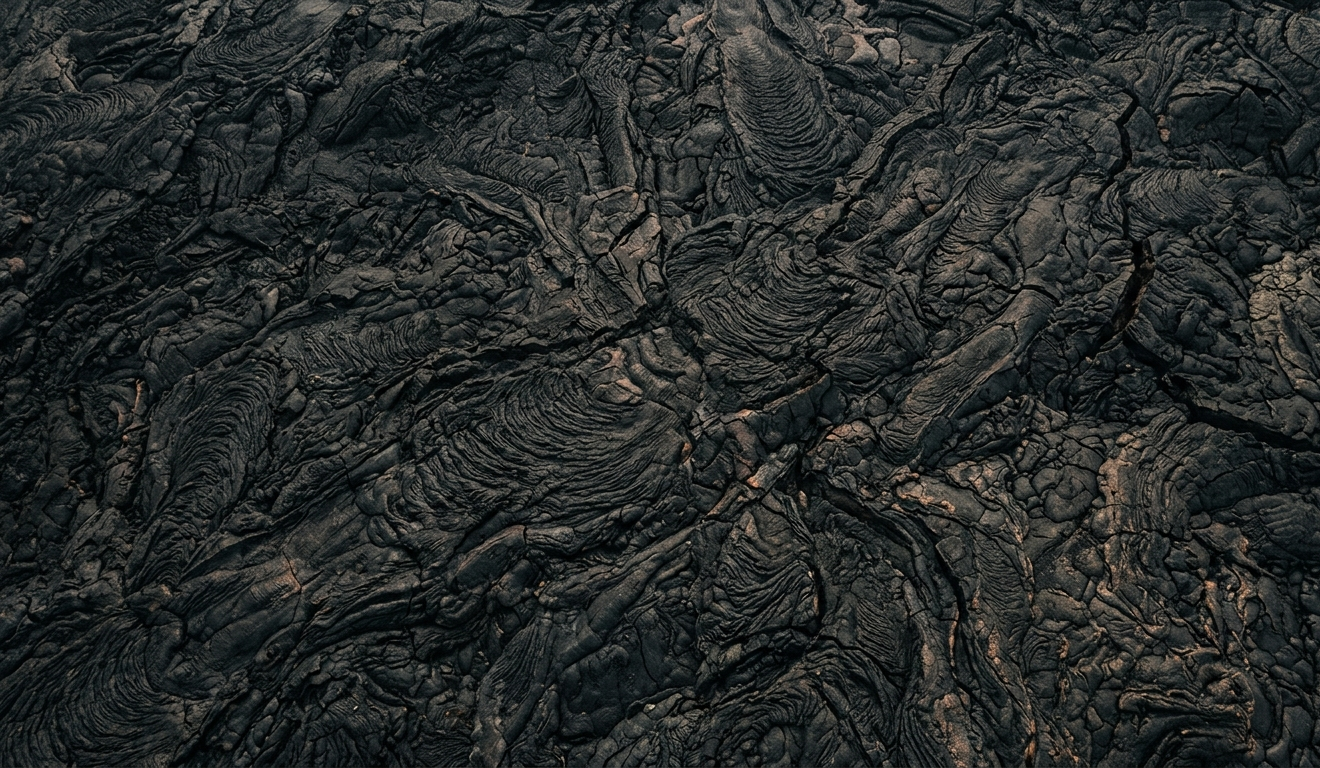
Hawaiʻi Island is younger than the other main islands, and much of its coast still feels freshly made: lava shelves, black-rock points, little coves, sudden drop-offs, and water so clear it can make depth hard to judge. The best swimming here is often excellent, especially along the Kona and Kohala coasts. But the question is less “Is this a famous beach?” and more “Is this beach acting friendly today?”
On the Big Island, you do not need to be nervous around the water. You do need to be selective.
The Big Island beach rule: entry matters as much as waves
On some islands, the main decision is surf size. On Hawaiʻi Island, the shoreline itself often decides for you.
A beach can look calm from the parking area but still have a tricky lava-rock entry. A snorkeling spot can be gorgeous once you are in the water, but awkward getting out if the swell rises. A sandy beach can be gentle in the morning and dumping hard onto the shore by afternoon.
Before swimming, pause and look at three things:
Where would I get in and out? If the answer involves timing waves over sharp rock, that is not a casual swim.
Are waves breaking onto sand, reef, or rock? A soft-looking shorebreak can knock people down in knee-deep water. Lava shelves add another layer: the water may surge even when there are no dramatic waves.
Is anyone else swimming comfortably? Not just standing at the edge. Actually swimming, floating, snorkeling, and exiting without drama. If the only people in the water are surfers, bodyboarders, or very strong snorkelers, read that clearly.
The Big Island rewards the patient beachgoer. If one spot is off, another cove or bay may be calm twenty minutes away.
Seasonality, in plain English
The Kona and Kohala sides are usually the Big Island’s best starting points for swimming. They sit on the leeward side, sheltered from the full force of the trade winds. Mornings are often smoothest, before afternoon wind and chop build.
Winter can bring larger north and west swells, especially to exposed Kohala and Kona beaches. Summer can bring south swells that affect more southerly and west-facing spots. Neither season is “bad”; both simply require reading the ocean instead of assuming yesterday’s beach will behave the same way today.
The Hilo and Puna side is different: wetter, greener, and more exposed to windward ocean energy. There are places to enjoy the water, especially protected pools and sheltered coves, but it is not the side where most visitors should expect long, easy beach swims.
Big Island beaches that are often good swimming candidates
These are not guarantees. They are the places most worth considering first when the ocean is settled and your group wants a real swim rather than just a shoreline visit.
Hāpuna Beach
Hāpuna is one of the Big Island’s classic swimming beaches for a reason: a broad crescent of sand, clear water, and enough room to spread out. When it is calm, it feels generous and easy.
The caution is shorebreak. If waves are pitching directly onto the sand, or people are getting tumbled at the waterline, make it a beach day rather than a swim day. When conditions are right, Hāpuna is one of the island’s best straightforward ocean swims.
Spencer Beach Park
Spencer is a strong choice for families and less confident swimmers when conditions are normal. It is more protected than many west-side beaches, with a gentler feel and a setting that suits lingering.
This is the kind of place to consider when Hāpuna looks too energetic or your group includes children, grandparents, or people who simply want calm water over drama. Still, protection does not mean the ocean has clocked out.
ʻAnaehoʻomalu Bay
Often called A-Bay, ʻAnaehoʻomalu is a practical Waikoloa-area option: scenic, accessible, and usually more forgiving than exposed surf beaches nearby. The water can be calm enough for swimming and paddling when the weather cooperates.
It is not always the clearest snorkeling water, and wind can ruffle the bay, especially later in the day. Think of A-Bay as a pleasant swim-and-sunset beach rather than a pristine aquarium.
Kamakahonu Beach
In Kailua-Kona, this small protected beach near the pier area can be a useful option when you want an easy dip without making a full expedition. It is compact and can feel busy, but the protection makes it one of the more approachable town swims.
It is best for a casual float, a short swim, or families who want convenience. If your dream is a wide-open beach with space and silence, go elsewhere. If your goal is “Can we get in the ocean before lunch?” it can be just right.
Kahaluʻu Beach Park
Kahaluʻu is known more for beginner-friendly snorkeling than broad swimming, but it belongs in this conversation because many visitors ask, “Can I get in here?” On calm days, yes, this is one of the island’s more approachable places to see reef fish without committing to deep water.
The tradeoff is that it is shallow and reefy. You need to float well and be comfortable moving gently rather than thrashing around. If the water is murky, choppy, or crowded, come back another time.
Beaches that can be wonderful — but are more conditional
These are the places where the Big Island’s personality really shows. They can be memorable, but they ask for better timing, better water skills, or a willingness to say, “Not today.”
Maniniʻōwali / Kua Bay
Kua Bay can be stunning on a calm day: bright sand, blue water, and clean west-side light. It can also develop powerful shorebreak. The same beach that looks playful to bodyboarders may be a poor choice for casual swimmers.
If the waves are folding hard onto the sand, admire it from shore. If it is calm, enter carefully and keep an eye on the sets.
Makalawena
Makalawena has the feeling people hope for when they imagine a less developed Hawaiʻi beach. The catch is that it takes more effort to reach, and there are fewer conveniences once you are there.
That remoteness matters. If conditions are questionable, you do not have the same easy pivot you do at a developed beach park. Go for the beauty, but do not make the swim the entire point of the day.
Laʻaloa / Magic Sands
Magic Sands is famous for a reason: the beach can appear and disappear with seasonal sand movement, and the shorebreak can be powerful. On calm days, it is a fun Kona beach with clear water and a lively feel. On rough days, it is a spectator sport.
This is a beach where watching for five minutes tells you a lot. If people are getting slammed at the edge, do not try to be the exception.
Two Step at Hōnaunau
Two Step can offer some of the Big Island’s best nearshore snorkeling when conditions are calm. It is not, however, a sandy beginner beach. The entry is over lava rock, and getting out requires timing and confidence.
If you are comfortable in the ocean, can manage a rocky entry, and the water is flat, it can be excellent. If you are nervous, traveling with small children, or seeing surge against the rocks, choose a sandier beach.
Kealakekua Bay
Kealakekua Bay has beautiful water and real historical significance, and many people experience it by guided kayak, boat tour, or a longer outing rather than a simple roadside swim. Access and conditions shape the experience.
Do not treat it like a casual pull-over beach. Plan it properly, go with the right approach for your group, and save it for a day when the ocean is settled.
Richardson Ocean Park and Carlsmith area
On the Hilo side, protected shoreline areas such as Richardson and the Carlsmith area are often more realistic for water time than open surf beaches. They can offer tidepool-like swimming, lava-rock scenery, and a very different mood from the Kona coast.
Entries can still be rocky, and visibility changes with weather and runoff. These are good examples of Hilo-side water spots where “protected” is the important word.
Places to admire more than swim
Some Big Island shorelines are powerful, remote, or exposed enough that most visitors should think of them as scenic stops, not swimming plans.
Punaluʻu Black Sand Beach is one of the island’s most photographed beaches, with black sand, palms, and a strong sense of place. It is often better for walking, sitting, and watching the shoreline than for casual swimming.
Papakōlea, or Green Sand Beach, is remote, exposed, and not a casual swim recommendation. The setting is unusual and memorable, but for most visitors this is a land-based adventure, not a beach day.
South Point is dramatic, windy, and ocean-facing in a way that feels very different from resort-side Kona. It is not a normal swimming destination.
The Pololū shoreline has deep beauty and serious ocean energy. Black sand, cliffs, and surf may make the coast look cinematic, but that does not mean it is friendly for swimming.
A simple family filter
If you are choosing a swim beach for mixed ages or mixed confidence levels, keep the standard boringly high.
Pick sand over rock. Pick a protected bay over an exposed beach. Pick morning over windy afternoon. Pick a place where exiting the water looks easy. And pick the beach where your least confident swimmer feels relaxed, not merely tolerated.
That usually points families toward places like Spencer, calm days at Hāpuna, approachable Kona town beaches, or protected bays rather than rocky snorkel entries and remote coves.
The best Big Island ocean days are flexible
Use official beach condition reports and local forecasts when you can, but do not outsource the final decision to your phone. Once you arrive, read the actual beach. Watch the water through several wave sets. Notice whether swimmers are drifting sideways. Check whether the entry is sand, reef, or rock. If there is a lifeguard, ask a plain question: “Is this a good swimming spot right now?”
The Big Island is generous, but it is not standardized. One beach may be too rough, another too rocky, another perfect for a quiet float. That variety is the point.
If you build your day around “we are going swimming no matter what,” Hawaiʻi Island can frustrate you. If you build it around “we will find the right water for today,” it opens up beautifully.
Bring your swimsuit. Bring patience. Let the ocean have a vote.

Further Reading
A few relevant next steps from Alakai Aloha.
 BlogPapakōlea Green Sand Beach, Thoughtfully
What to know before visiting Papakōlea, from the walk in and remote conditions to why this rare green sand beach deserves a lighter touch.
Editor's pick GuideBest Tours & Things to Do on Hawaiʻi Island
A guide to best Big Island tours.
Editor's pick ActivityKua Bay
Kua Bay, also known as Maniniʻōwali Beach, offers pristine white sands and clear turquoise waters on the Big Island, perfect for swimming, sunbathing, and wildlife viewing in a state park setting.
Editor's pick BlogWhat Makes Hawaiʻi Island’s Black Sand Different
Learn why Punaluʻu and other Hawaiʻi Island black sand beaches feel so distinct, from volcanic origins to heat, texture, safety, and shoreline etiquette.
Editor's pick