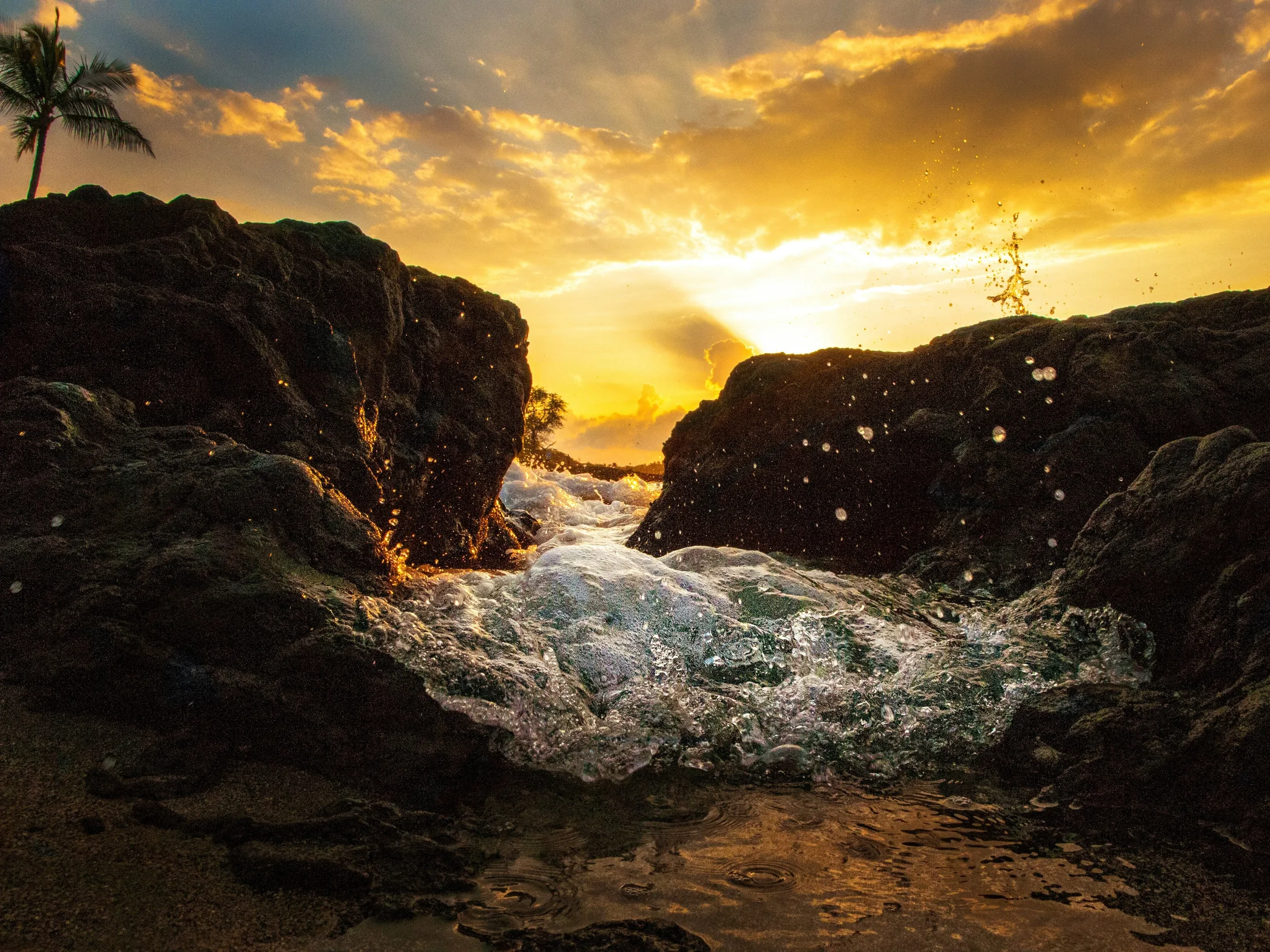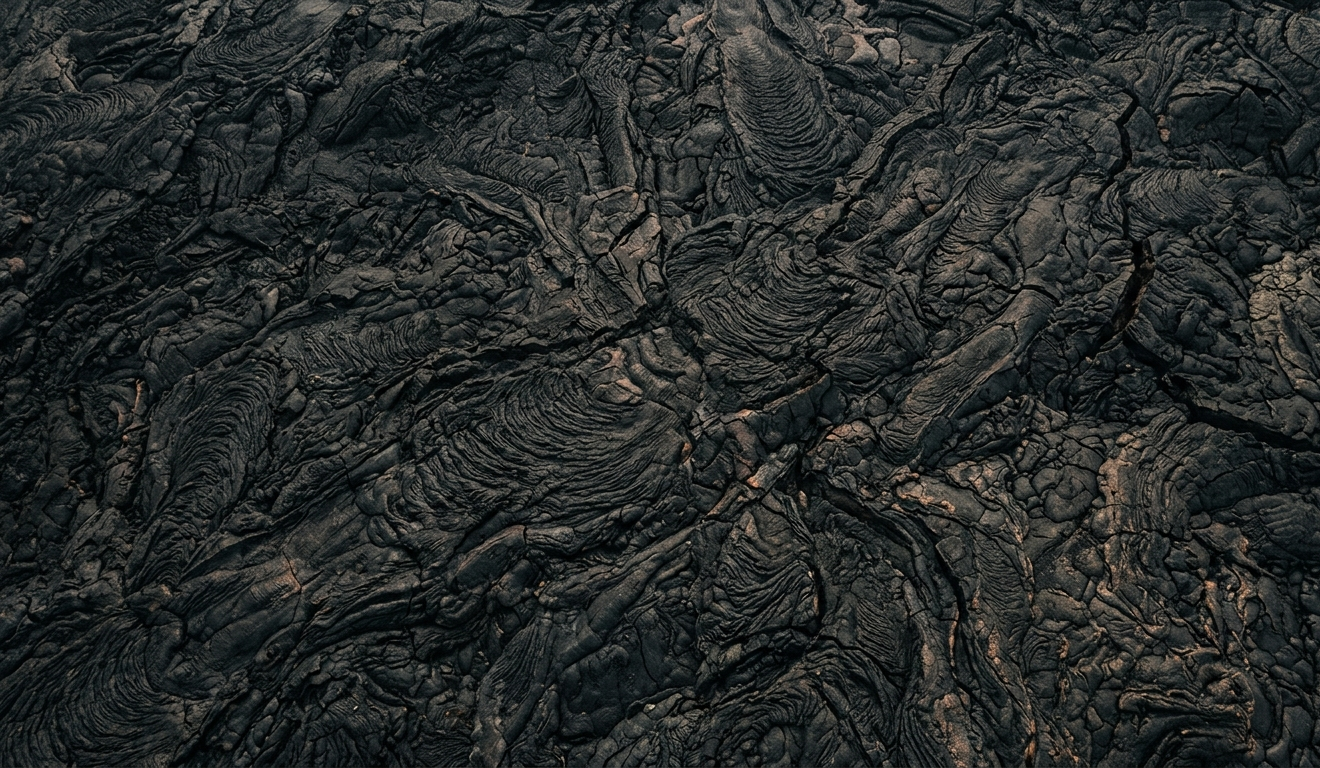


Most beach sand asks you to notice the water first. Black sand asks you to look down.
On Hawaiʻi Island, especially at Punaluʻu in Kaʻū, the shoreline can feel newly made in a way that pale coral sand rarely does. The grains are dark because they come from lava rock, not broken shells and coral. They hold heat. They glitter in the sun. They make the blue of the ocean look harder-edged, and the green of coconut palms look almost staged.
That is the appeal — but it is also the reason black sand beaches here deserve to be understood a little differently. They are not just “regular beaches in another color.” They are young volcanic coastlines, shaped by lava, waves, currents, and time on a scale you can still see with your own eyes.
Why Hawaiʻi Island has such dramatic black sand
Hawaiʻi Island is the youngest island in the Hawaiian chain, and its landforms still read as volcanic. Much of the island is built from basalt, a dark volcanic rock. When basalt meets the ocean, breaks apart, and is worked by waves, it can become black sand.
Sometimes that happens violently: hot lava entering the sea may fracture into small glassy pieces. Sometimes it happens slowly: surf pounds old lava shelves and cliffs until they become cobbles, pebbles, and eventually sand. Either way, the result is darker, heavier, more mineral-feeling sand than the pale beaches many travelers picture when they imagine Hawaiʻi.
That youth matters. Older islands have had more time to develop broad reef systems and long stretches of light coral sand. Hawaiʻi Island does have beautiful white and golden beaches, especially along parts of the Kona and Kohala coasts, but its black sand beaches feel closer to the island’s origin story. You are not looking at an ancient, softened landscape. You are looking at shoreline still negotiating with volcanoes.
Punaluʻu: the black sand beach most visitors mean
When people talk about a black sand beach on Hawaiʻi Island, they are often talking about Punaluʻu.
Punaluʻu sits in the Kaʻū district, on the island’s southern side. It is the kind of place that photographs well, but the better experience is slower than the photograph suggests. The beach has a broad, dark sweep of sand and pebbly areas, backed by palms and low coastal vegetation. The color changes through the day: charcoal in flat light, silver-flecked in sun, almost blue-black when wet.
It is also one of the more approachable black sand beaches for visitors. You do not need a long hike to understand the drama of the place. That accessibility is part of why it is popular, and why it can feel busy at the obvious stopping points. Walk a little, watch the water for a few minutes, and let the beach settle into itself. Punaluʻu is not a place to rush through just to prove you saw black sand.
The beach is also known for honu, Hawaiian green sea turtles, which are sometimes seen resting on the sand or moving through the shallows. If they are there, they tend to become the center of attention. The best way to enjoy the moment is simple: give them room, use your zoom, and let the animal decide what it wants to do. A turtle resting on a black sand beach is memorable precisely because it is not performing for anyone.
The sand feels different because it is different
Black sand is often coarser than the softest white sand beaches. At Punaluʻu, you may find a mix of fine grains, small lava fragments, and smoother pebbles depending on where you step and what the ocean has been doing recently. It can be comfortable for a stroll, but it is not always the kind of powdery sand you sink into.
It also gets hot. Dark sand absorbs sun quickly, especially around midday. This is not a reason to avoid it; it is just a reason to bring sandals and not make heroic barefoot decisions in the parking lot.
Because volcanic sand is heavier, the shoreline can have a different texture underfoot at the waterline. Waves may pull at pebbles and grains with a sharper rattle than you hear on lighter beaches. That sound is part of the experience — the coast actively sorting itself.
And because these beaches are made from local volcanic material rather than imported scenery, they vary. A “black sand beach” may be jet black, salt-and-pepper, gray, or mixed with coral fragments. The clean, all-black image people carry in their head is only one version.
Swimming is not the main point everywhere
Some Hawaiʻi beaches invite a long, lazy swim. Black sand beaches, especially on exposed parts of Hawaiʻi Island, are often better approached first as shorelines to experience rather than default swimming spots.
Punaluʻu can look calm one moment and rougher the next, with nearshore rocks and changing surf. Many visitors wade, look for turtles from shore, take photos, or sit in the shade rather than plan a full beach day around swimming. If you do go in, make it a conditions-first decision, not an itinerary-first decision. Watch the water for a while. Notice where other people are entering and exiting. If the ocean looks messy, there is no loss in staying dry.
This is one of the quiet advantages of Punaluʻu: it does not need to be a perfect swimming beach to be worth your time. The place has enough presence on its own.
Why black sand beaches can change or disappear
One of the most interesting things about black sand beaches is that they can be temporary in a way travelers do not always expect.
A white sand beach backed by reef and dunes may feel stable across generations, though even those shift. Black sand beaches on a young volcanic coast can be more visibly changeable. Storms, swell direction, currents, and the shape of the nearshore lava can move sand dramatically. A beach may grow, shrink, become rockier, or look different from one visit to the next.
On Hawaiʻi Island, lava has also remade coastlines in modern memory. New land can form. Old beaches can be buried. Fresh black sand can appear, then be rearranged by the ocean. That does not make these beaches fragile in a sentimental way; it makes them alive in the geologic sense. They are part of an island still becoming itself.
For a traveler, this is a better lens than trying to collect a perfect postcard version. The beach you see is one moment in a longer process.
How Punaluʻu fits into a Hawaiʻi Island trip
Punaluʻu works especially well as part of a day through Kaʻū or as a stop between the Volcano area and the island’s west side, depending on how you have planned your route. It is not a beach you need to overcomplicate. Give yourself enough time to be unhurried: walk the sand, watch the shoreline, look at the palms against the dark ground, and let the contrast do its work.
It also pairs naturally with the island’s larger volcanic story. If you have spent time around Hawaiʻi Volcanoes National Park, Punaluʻu gives that geology a coastal ending. You go from crater, lava field, and forest to the place where rock is being broken back down by the ocean. The connection is not abstract. It is under your feet.
If you are staying on the Kona or Kohala side, remember that Hawaiʻi Island is big in a way first-time visitors often underestimate. Punaluʻu is rewarding, but it is not a quick beach hop from every resort area. It is best enjoyed when it fits the geography of your day rather than when it is squeezed into an already full loop.
A few small choices make the visit better
Bring sandals you can actually walk in, not just shoes for the car. Black sand and dark rocks can be hot, and some areas are pebbly.
Do not count on shade exactly where you want it. Palms and coastal trees add beauty and some relief, but the sun still matters. A hat, water, and a little patience go a long way.
If turtles are present, enjoy them without crowding. Most people understand this once they see the animal resting; the mood is better when everyone gives the moment space.
And leave the sand where it is. Black sand is part of the beach’s structure, not a souvenir. The better keepsake is the memory of how strange and beautiful it felt to stand on ground made from lava and wave energy.
The real reason black sand stays with you
Punaluʻu is often described by its color, but color is only the beginning. What makes a black sand beach different is the sense of immediacy. The island’s volcanic past is not hidden in a museum label or a roadside sign. It is ground into grains, warmed by the sun, and pulled back and forth by the tide.
That is why these beaches can feel so different from one another, and why Punaluʻu remains one of Hawaiʻi Island’s most memorable coastal stops. It is not just pretty. It is specific. It belongs to this island’s age, its lava, its ocean, and its unfinished edges.
Go for the black sand, certainly. But stay long enough to notice what made it.
Further Reading
A few relevant next steps from Alakai Aloha.
 BlogPapakōlea Green Sand Beach, Thoughtfully
What to know before visiting Papakōlea, from the walk in and remote conditions to why this rare green sand beach deserves a lighter touch.
Editor's pick GuideBest Beaches on the Big Island
A guide to best Big Island beaches.
Editor's pick ActivityHawaiʻi Volcanoes National Park
Hawaiʻi Volcanoes National Park is a UNESCO World Heritage Site offering unparalleled opportunities to explore active volcanic landscapes, diverse ecosystems, and ancient Hawaiian culture, providing a profound connection to Earth's powerful forces.
Editor's pick BlogHow to Know If a Big Island Beach Is Swimmable
A practical guide to reading Big Island beaches, from lava-rock entries and shorebreak to calmer Kona and Kohala spots worth considering.
Editor's pick