
Volcano
Cool, misty uplands where rainforest meets lava in Hawaiʻi Volcanoes National Park.
Good Fit For
- National park priorities
- Rainforest-to-lava contrasts
- Cooler mountain air
- Scenic drives and hikes
- Quiet village pacing
Trade-offs
- Frequent rain and fog
- Limited services after dark
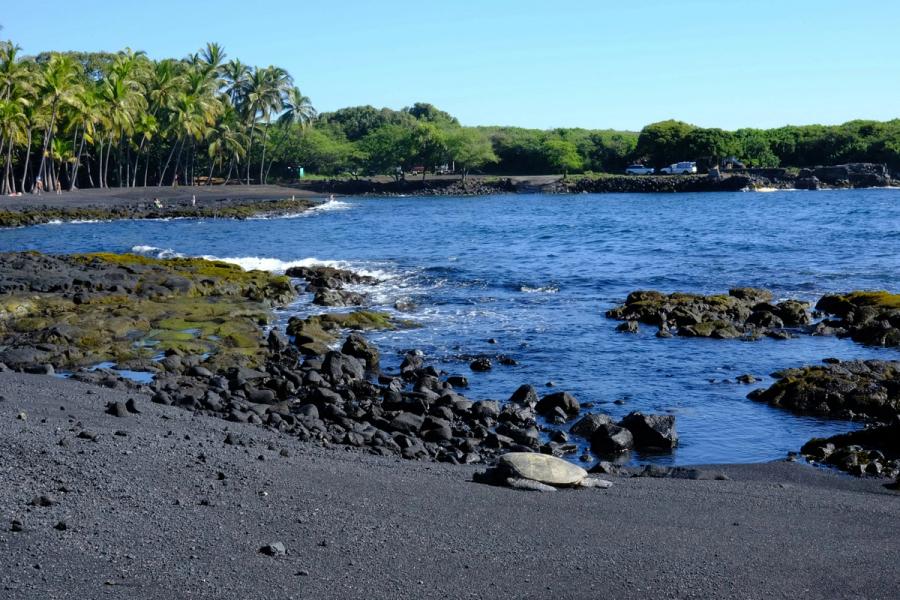
- Not a beach zone
- Conditions and access change
Logistics & Getting Around
Volcano sits at higher elevation than the coasts, so expect cooler temperatures and fast-changing weather. Most time is spent driving between park sites with short walks. Fill your tank and bring layers; services are modest outside the park and village.
Nearby Areas in Kaʻū
Signature Experiences in Volcano
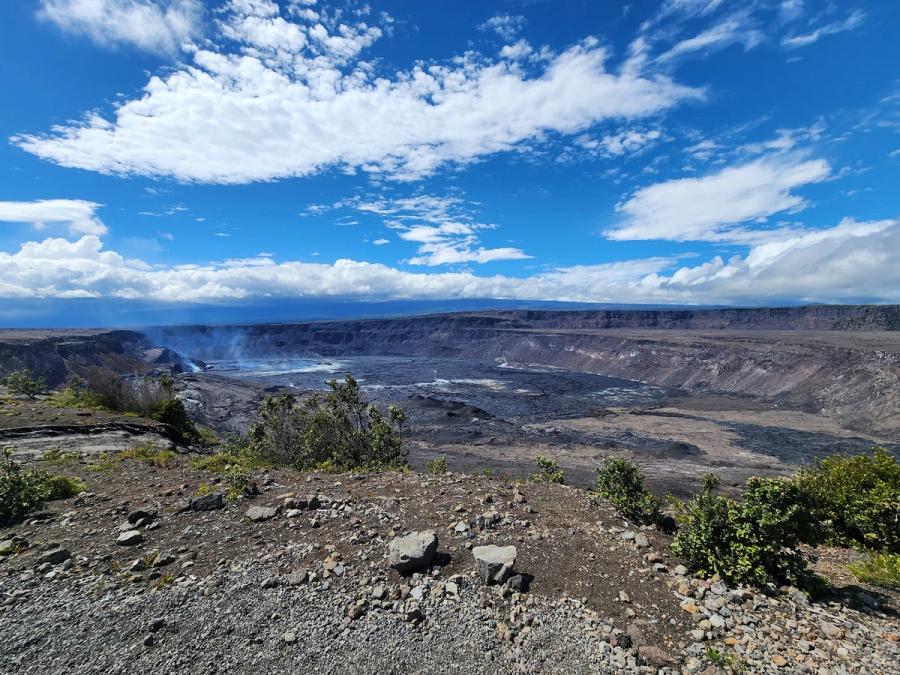
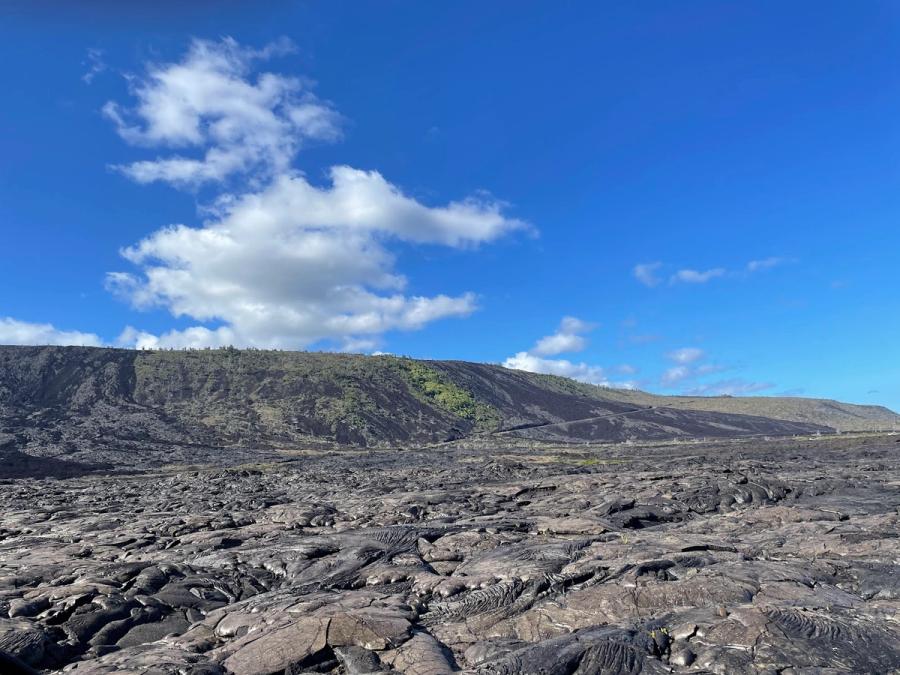
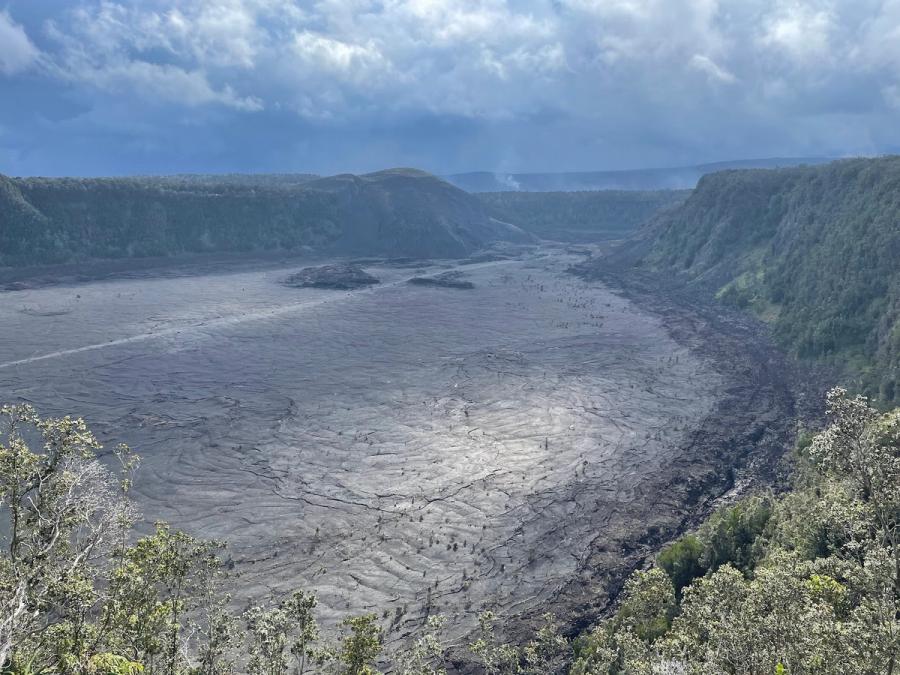
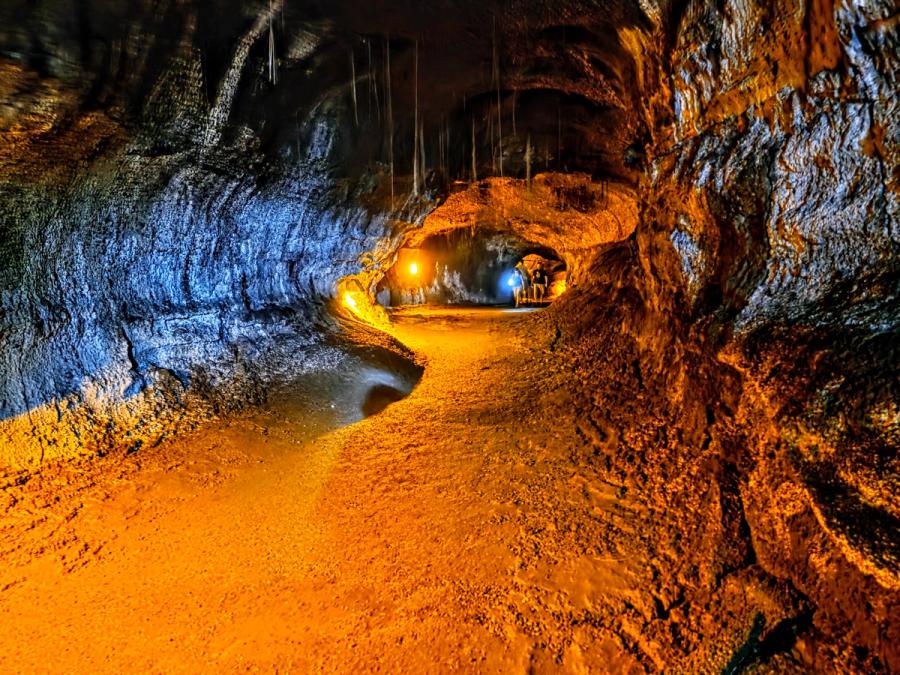
A village at the edge of a living landscape
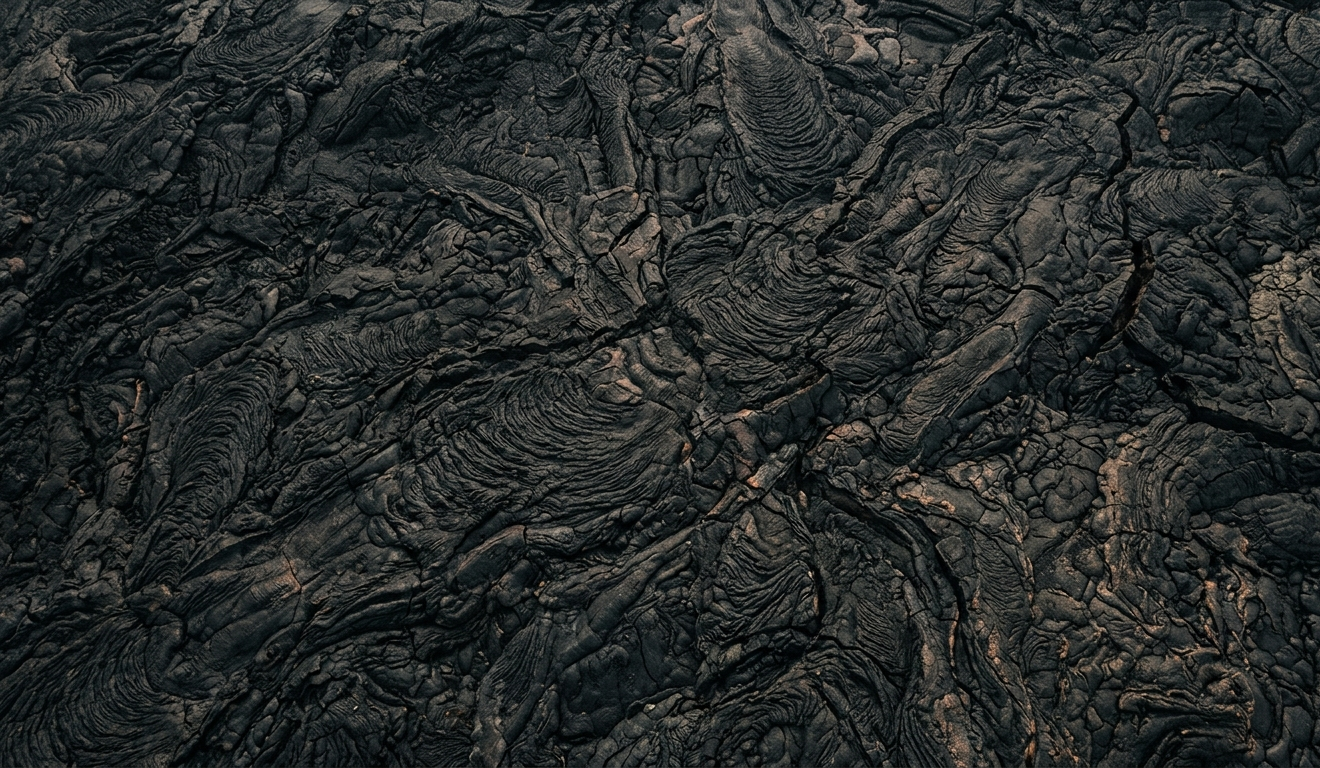
Volcano isn’t a town in the beach-island sense; it’s an upland pocket of homes, lodges, and small businesses gathered around Volcano Village and the entrance to Hawaiʻi Volcanoes National Park. The first thing you notice is the air: cooler, often damp, and scented with ʻōhiʻa and fern. Clouds can drift in quickly, softening the light and making the lava rock look almost black-blue. It feels closer to the Pacific Northwest than to Kona.
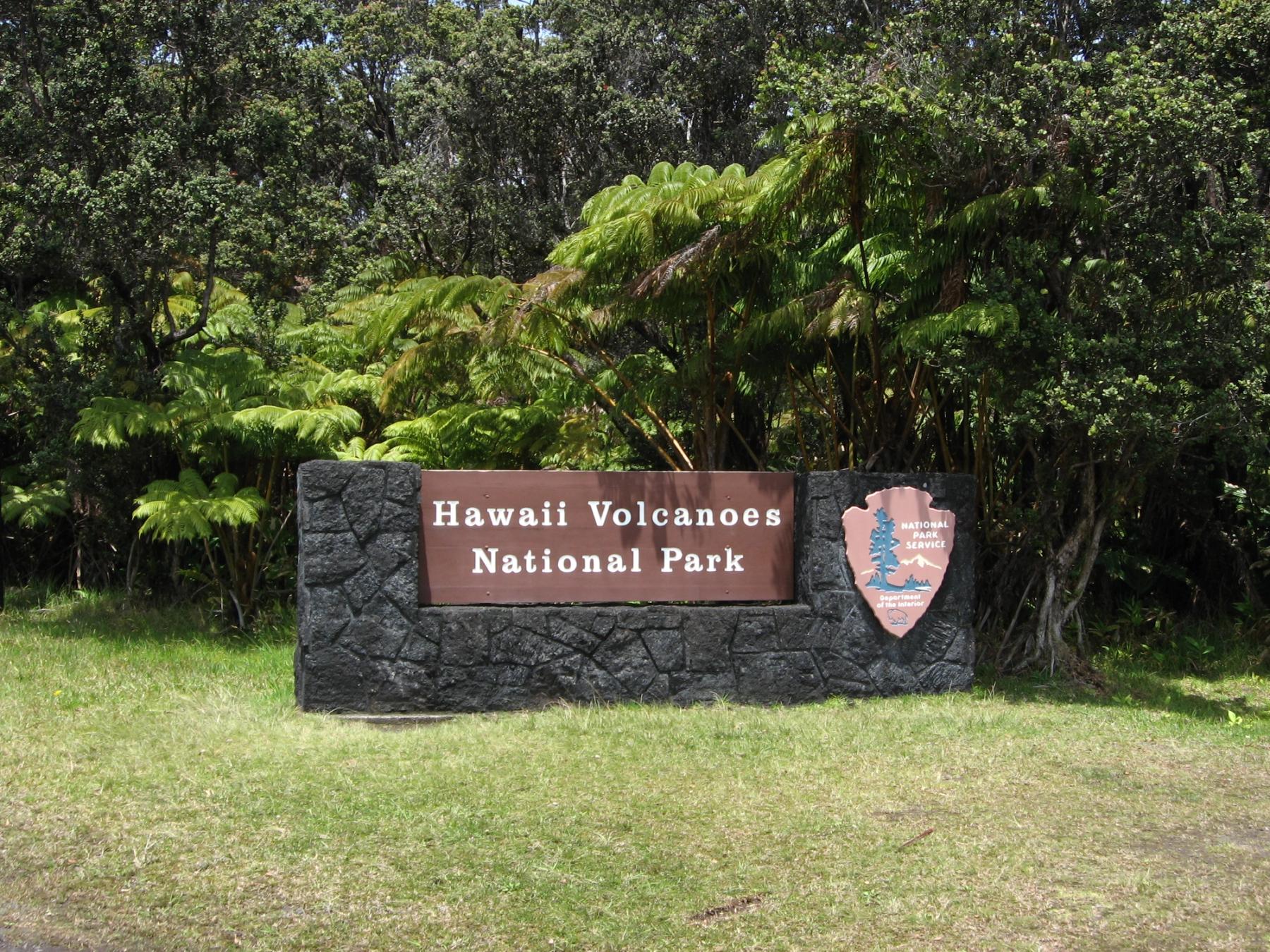
The area’s identity is inseparable from the park, and it helps to think of “Volcano” as a wider zone—village plus national park—rather than one viewpoint. Even if you’re only here for a few hours, you’ll likely pass through the village to reach the park roads, trailheads, and overlooks.
What people actually do here
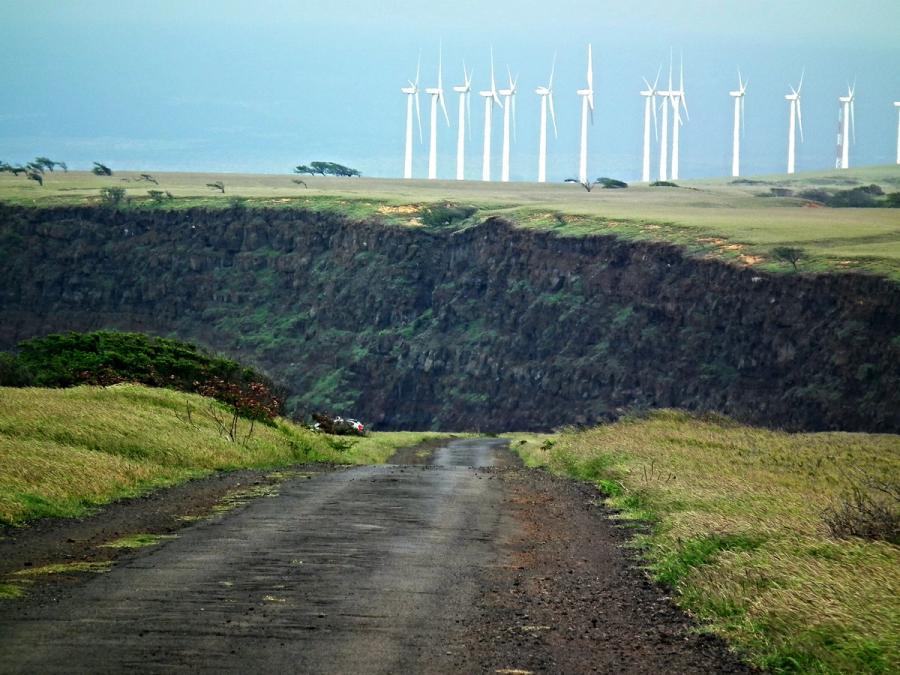
Most visits are structured around a series of short stops linked by driving: a crater rim perspective, a walk through native rainforest, then a transition into older lava fields where vegetation thins and the horizon opens up. The big payoff is the contrast—lush, dripping greens within minutes of stark volcanic terrain.
Volcano House is a classic anchor inside the park setting, more about place and atmosphere than a checklist attraction. It’s a natural pause point: to orient yourself, check conditions, and take in the scale of the caldera landscape.
Because volcanic activity and park access can change, the experience is less “see this exact thing” and more “arrive with a flexible plan.” Some days reward patient wandering; others are defined by weather, visibility, and which routes are open.
The feel, the rhythm, the tradeoffs
Volcano is quiet early and quiet late. That’s part of the appeal—especially if you like unhurried mornings, cool evenings, and the sense of being close to the park when crowds thin out. The flip side is that dining and errands are limited compared with Hilo or Kona, and the setting is inland with no beach scene.
If you choose to spend the night, it’s typically for proximity: easier early starts, less driving fatigue, and more time inside the park’s shifting light. For many travelers, though, Volcano works best as a focused half-day or full-day park visit on a broader Kaʻū loop—then back down to the coast for sun, swimming, and more services.

Can't decide where to stay? Get personalized advice.
Custom recommendations built from the web's most comprehensive Kauai guide.