
South Point
A windswept drive to Ka Lae with rugged side trips and sparse rural towns.
Good Fit For
- Big-sky coastal cliffs
- Scenic drive seekers
- Remote-feeling day outings
- Quiet national-park walks
- Rural Kaʻū stopovers
Trade-offs
- Very limited services
- Windy, exposed conditions
- Long drives between stops
- Rough access in places
Logistics & Getting Around
This is a spread-out, drive-first district: plan fuel, water, and daylight, and expect patchy cell service. Conditions at the tip and along coastal tracks can be windy and rough; the HVNP Kahuku Unit is separate from the main Volcano hub.
Nearby Areas in Kaʻū
Signature Experiences in South Point
The feel of far-south Kaʻū
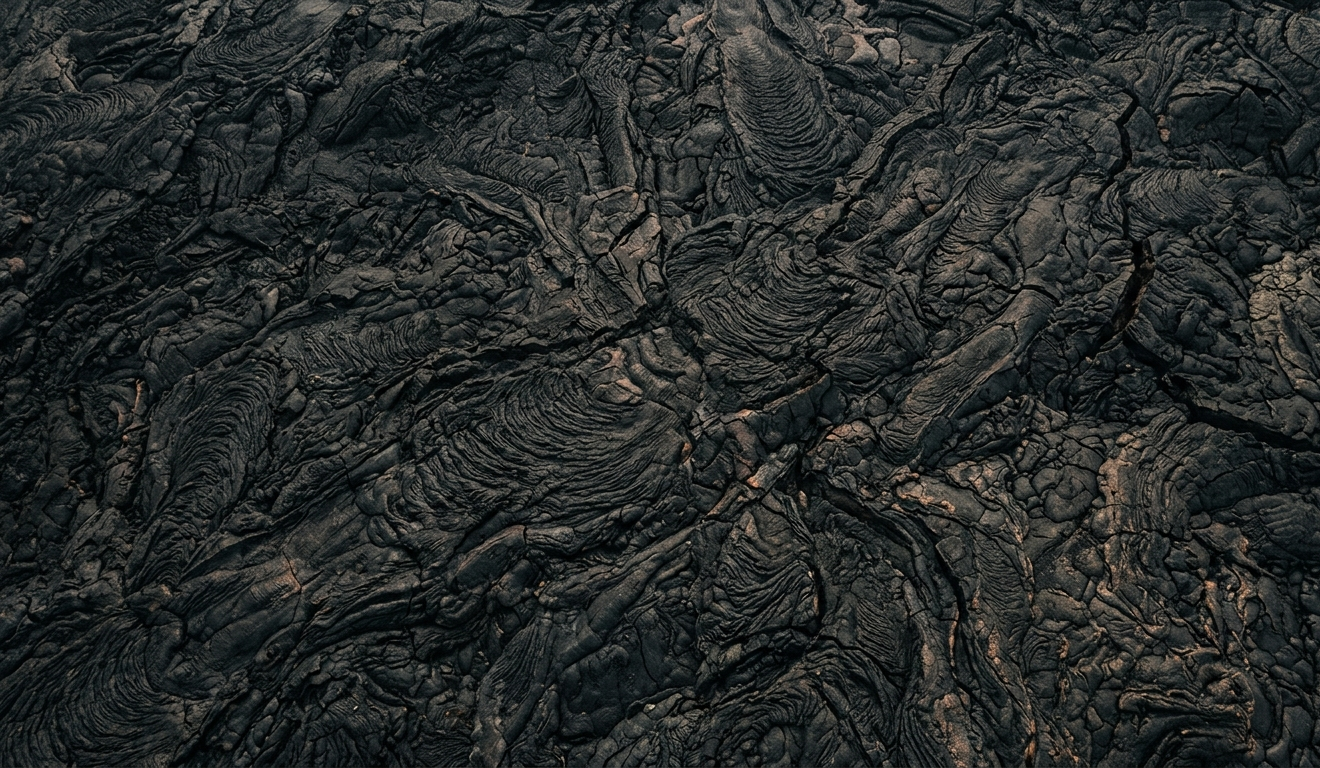
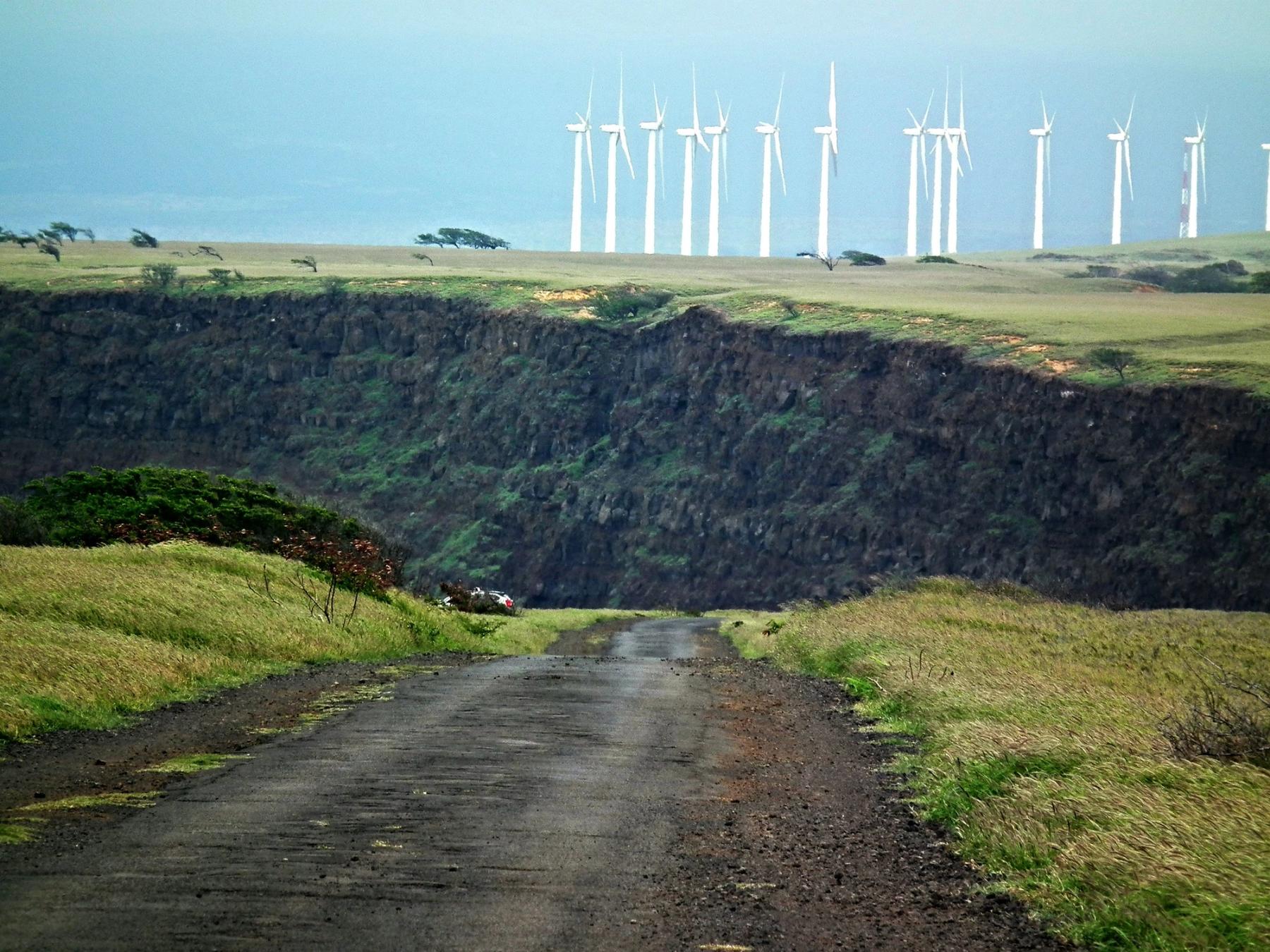
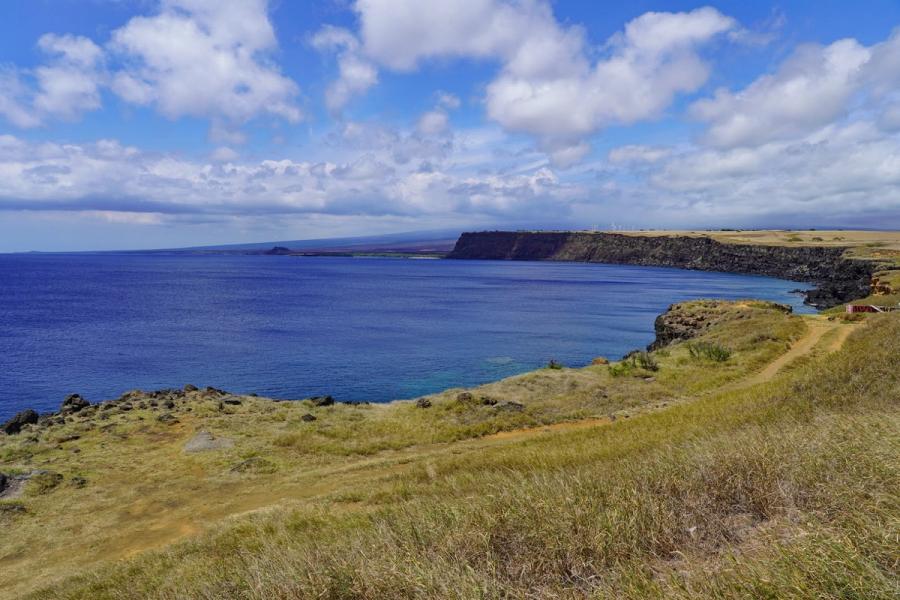
South Point—Ka Lae, the island’s southernmost tip—feels like Hawaiʻi stripped to essentials: open pastureland, lava rock, and a restless ocean pushing against low sea cliffs. The landscape is big and spare, with more sky than shade and a sense of distance that arrives quickly once you leave the main highways. It’s not a beach-town coastline or a place built around amenities; it’s an edge-of-the-map drive where the scenery does most of the talking.
You’ll also notice how “South Point” in practice is a cluster of far-southern waypoints rather than a single attraction. The small towns of Naʻālehu and Waiʻōhinu provide the most recognizable human scale—country roads, a few services, local routines—while Ocean View and Discovery Harbour read as spread-out residential communities that many travelers pass through on the Kona-side approach.
Why people come
Most visits are built around two impulses: reaching the extreme south for the view and wind, and committing to one bigger outing nearby. At Ka Lae, the draw is the rawness—cliff edges, deep-blue water, and a horizon that feels unusually wide. It’s a quick stop for some, but the setting rewards slowing down and simply watching conditions change.
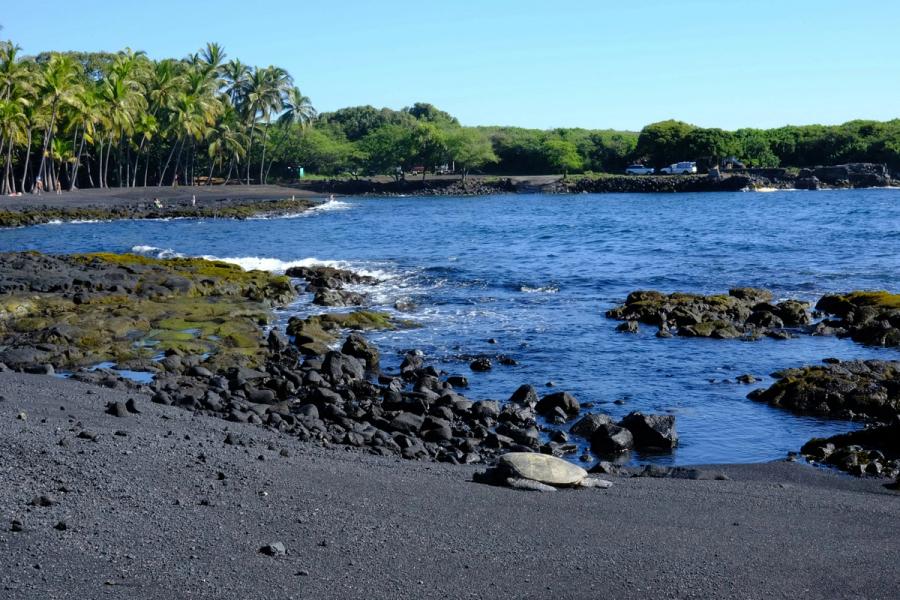
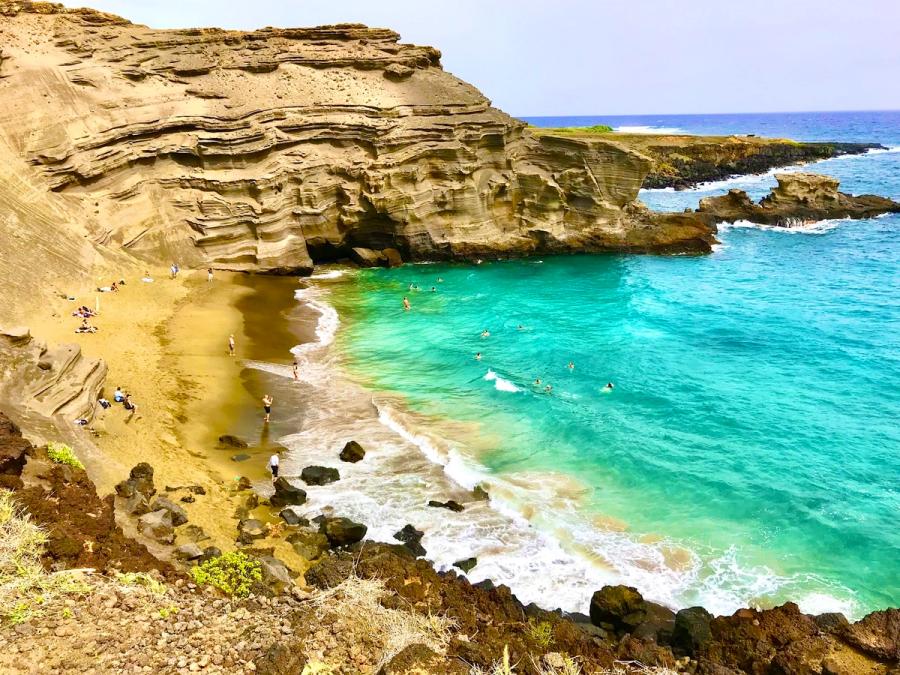
Papakōlea (Green Sand Beach) is the other headline, though it’s not a casual add-on. Access is typically time- and weather-dependent, and the route can be demanding. Think of it as a deliberate adventure rather than a guaranteed beach afternoon.
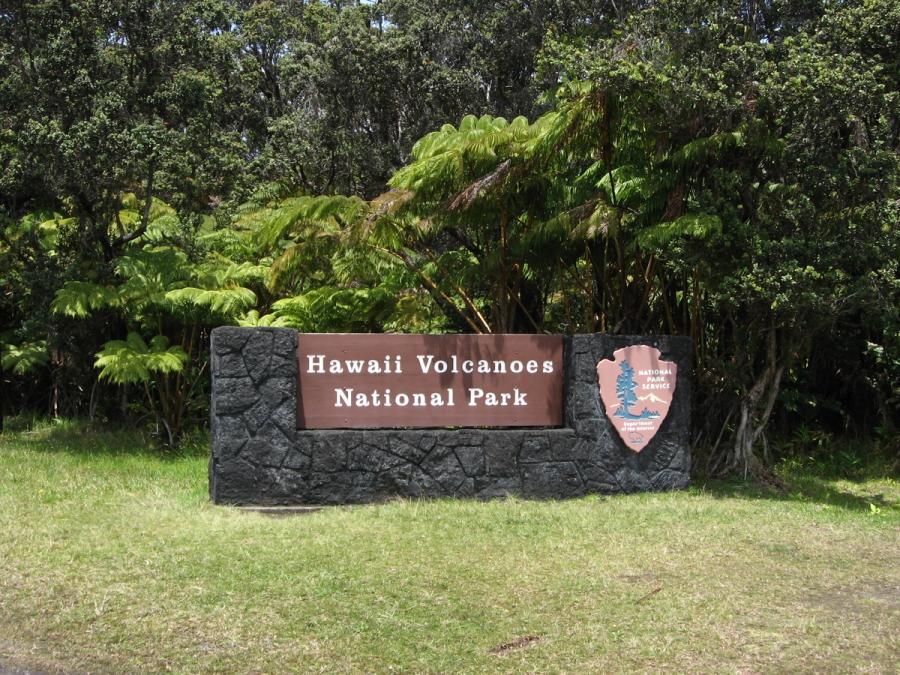
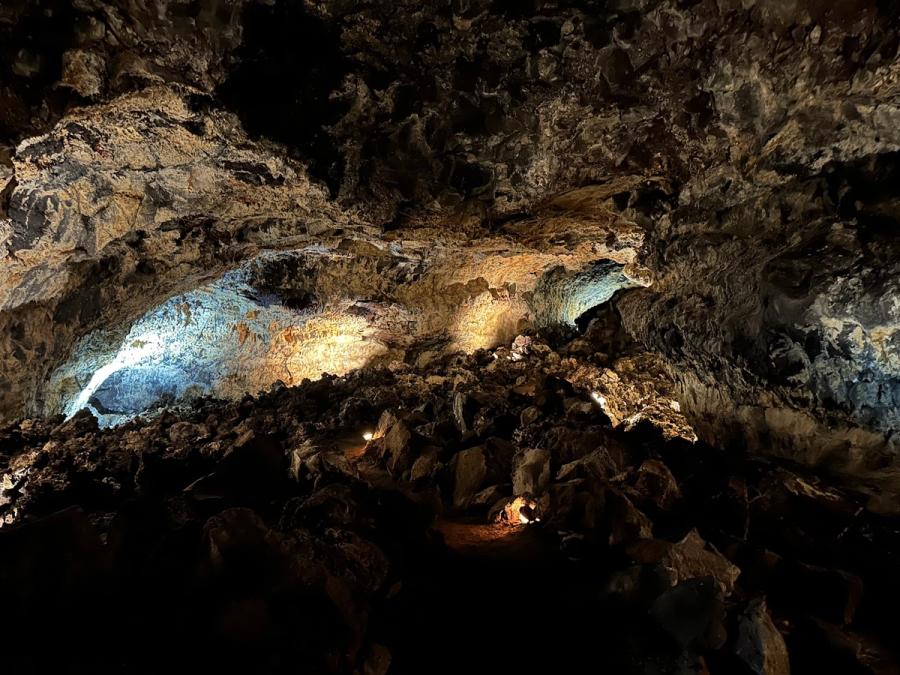
For a different kind of quiet, the Hawaiʻi Volcanoes National Park Kahuku Unit offers a calmer counterpoint to the busier main park area near Volcano—more open space, fewer crowds, and a feeling of being out on the margins of the park.
Practical realities
This district is about distance and exposure. Services are limited and spread out, and the wind can be relentless—great for drama and photos, less great for picnics or unprepared walks. Roads to key viewpoints are generally straightforward, but some side routes and coastal approaches can be rough.
Overnight stays are not the main story here; most travelers experience South Point as part of a longer Kaʻū loop linking Volcano, Pāhala, and the southern tip. The payoff is the chance to see a less curated Big Island—stark, rural, and unmistakably at the end of the road.

Can't decide where to stay? Get personalized advice.
Custom recommendations built from the web's most comprehensive Kauai guide.