
Kohala
Big Island’s northwest: sunny resort shoreline, cool Waimea uplands, and rural North Kohala.
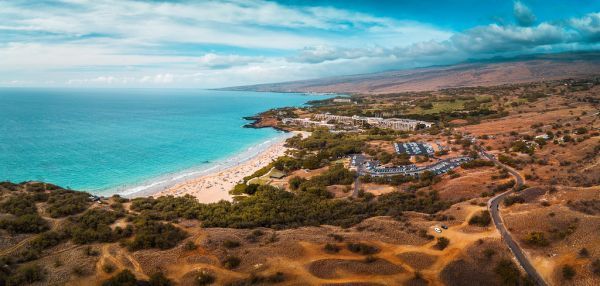
Kohala is a region of quick, dramatic shifts—lava-edged beaches and polished resorts along the leeward coast, rolling ranch country around Waimea, and the slower, small-town feel of North Kohala. Many visitors base themselves on the coast for easy beach days, then drive inland and north for scenery, heritage sites, and a different climate.
Best For
- Beach-and-pool downtime
- Easy day trips by car
- Cooler upland break
- Scenic drives and overlooks
- Low-key small-town stops
Trade-offs
- Car required
- Resort-heavy coastal feel
- Distances add up quickly
- Windier north shore
Logistics & Getting Around
Kohala works best with a car: coastal resorts are spread out, and Waimea and the North Kohala towns are driving country. Expect noticeable temperature changes with elevation—pack a light layer for evenings and upland stops.
Areas in Kohala
Waikoloa
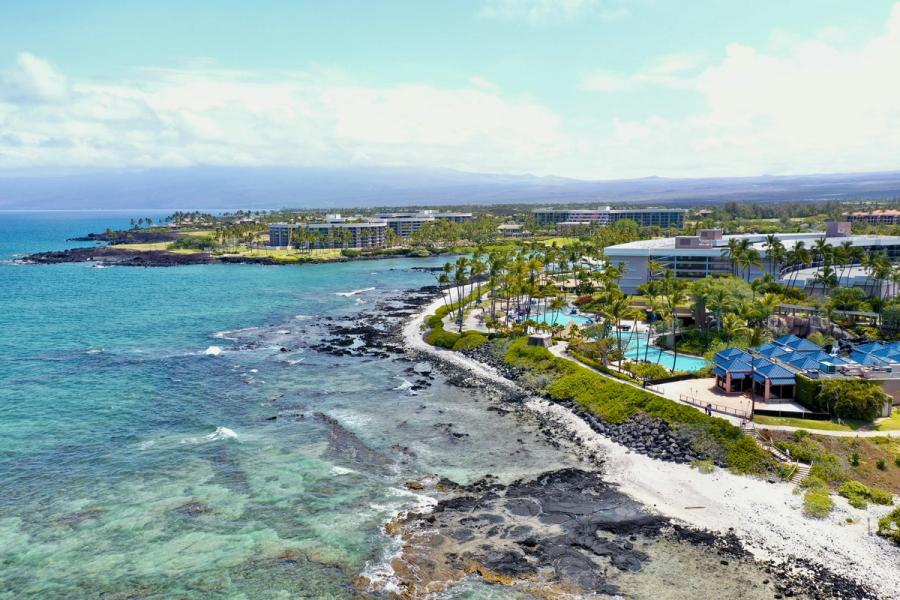
A sun-baked South Kohala resort hub with lagoons, lava fields, and easy day trips.
Mauna Kea Beach
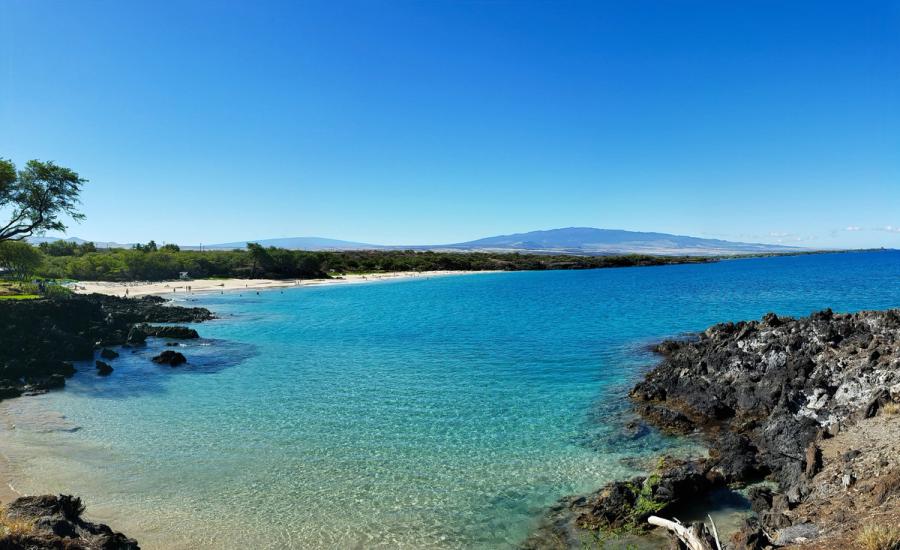
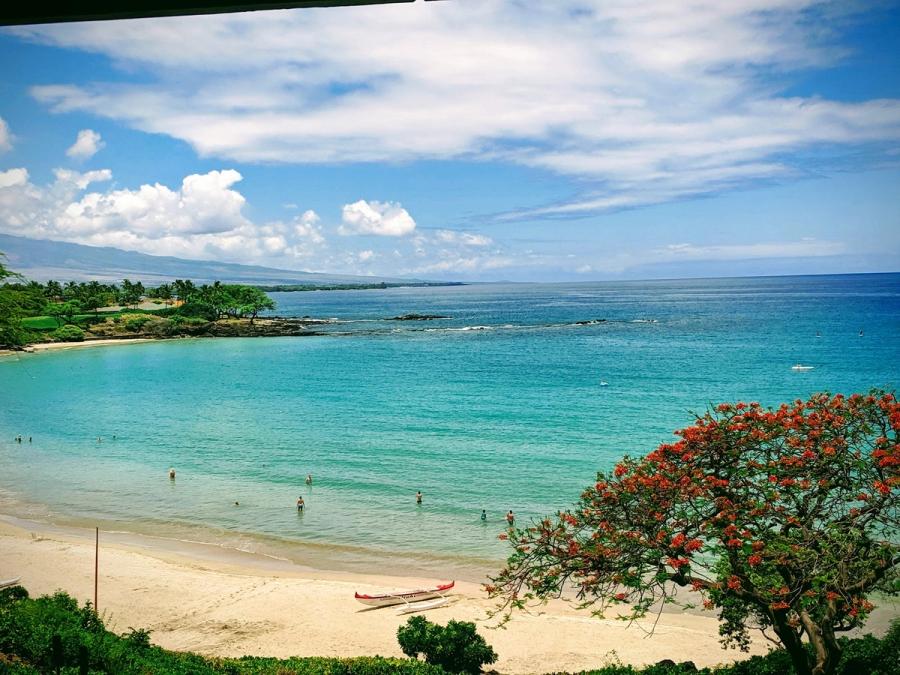
A North Kohala coastal strip of marquee beaches, resort frontage, and Kawaihae Harbor.
Waimea
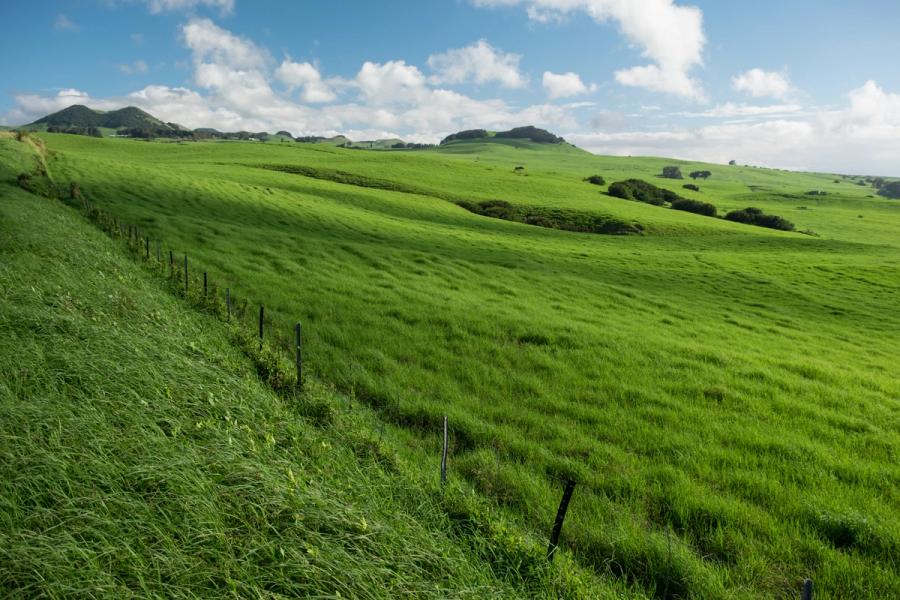
Cool, green ranch country where Kohala’s inland town life replaces resort shoreline.
North Kohala
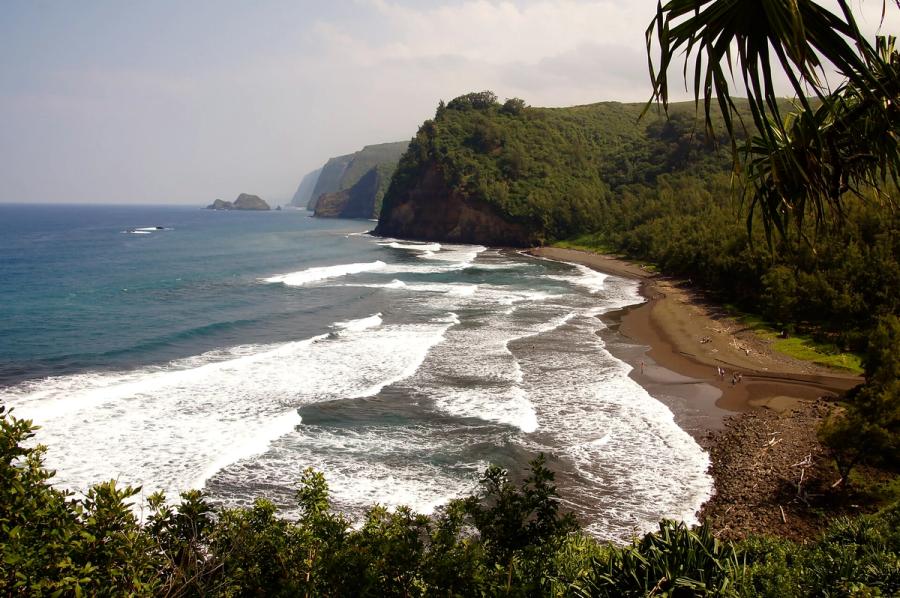
A green, wind-swept tip of Hawaiʻi Island built for slow drives and big views.
Signature Experiences in Kohala
The feel of Kohala
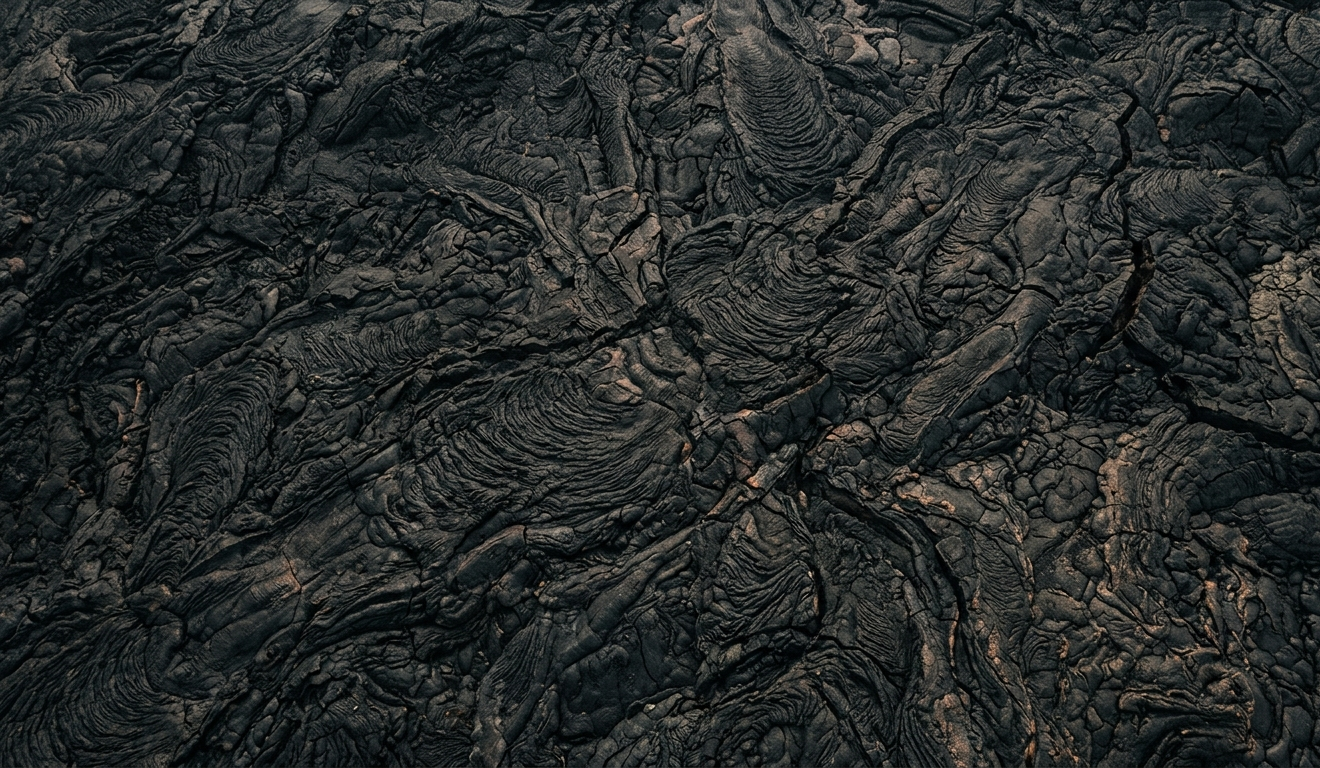
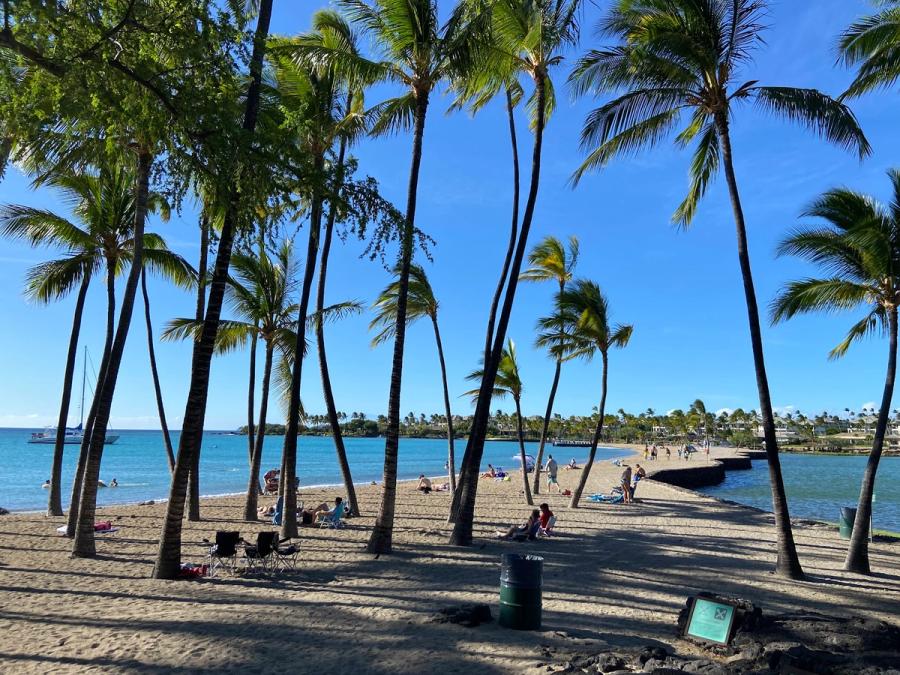
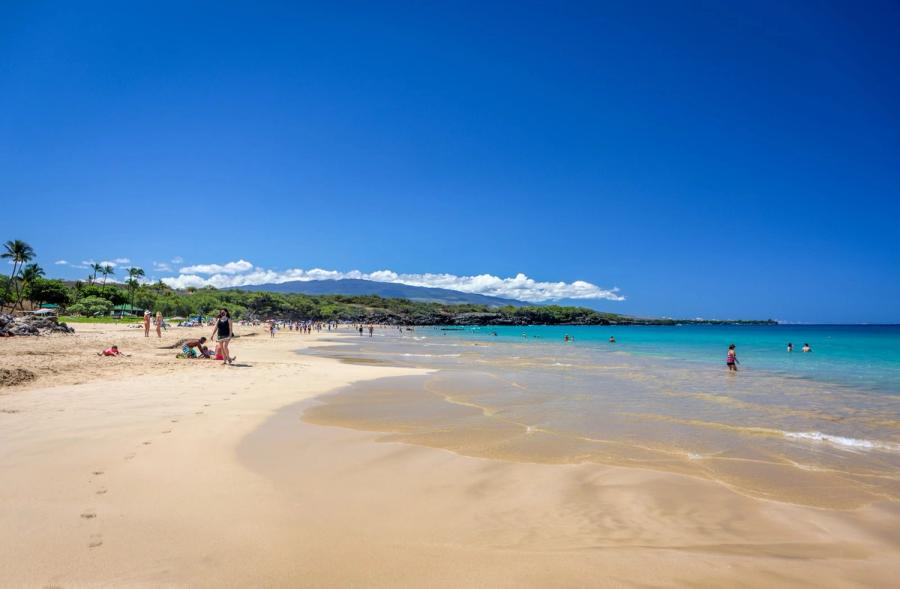
Kohala is where the Big Island’s northwest personality shows its full range in a relatively short span of road. Along the leeward shore, the landscape is dry, sun-washed, and shaped by older lava flows that meet pocket beaches and protected bays. The built environment here is often resort-forward—carefully landscaped entrances, golf greens, and coastal access points that can feel curated rather than town-centered.
Climb inland toward Waimea and the tone changes fast. Air cools, clouds gather more readily, and the land opens into ranch country with broad views and a greener palette. It’s not the rainforest side of the island, but it’s enough of a shift that visitors often remember Waimea as a “reset”: a place to breathe, run errands, and see a different Big Island.
Continue north and Kohala becomes quieter and more local-feeling. The road threads through small towns and wind-shaped ridges, with everyday life more visible than it is in the resort corridor.
How travelers usually experience it
Most people encounter Kohala in layers rather than all at once. The coastal strip around Waikoloa and the Mauna Kea/Hāpuna area tends to anchor beach time: predictable sunshine, swimmable bays when conditions cooperate, and short drives between viewpoints and shoreline access.
Waimea commonly fits into the same trip as a half-day diversion—cooler weather, open-country scenery, and a change from the coast’s bright, reflective heat. It’s also a practical stop when you want services beyond resort enclaves.
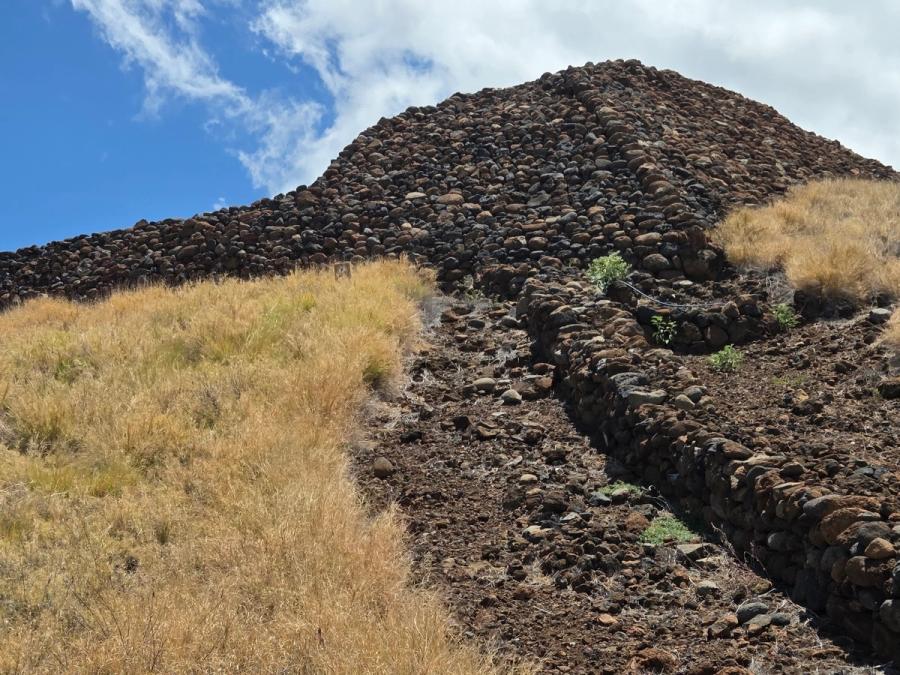
North Kohala is often a dedicated drive: slower, scenic, and less about ticking off “major attractions” than about the feeling of reaching the island’s edge. Heritage stops—such as the Kamehameha Statue in Kapaʻau—add context to the landscape without requiring a full museum day.
Notes on pace, weather, and expectations
Kohala rewards a flexible pace. Beach time can be effortless, but the best non-beach moments often come from lingering at overlooks, watching weather move across the uplands, or taking a longer loop when the road is calling.
Tradeoffs are real: the coast can feel insular if you’re not seeking the resort rhythm, and distances between areas can surprise first-timers who assume “west side” means compact. Wind and rougher ocean conditions are also more common in the far-north feel—great for drama and views, less ideal for casual water time on certain days.
If you want one region that pairs reliable west-side sun with an easy climate escape and a quieter rural north, Kohala stitches those contrasts together better than anywhere else on the island.

Can't decide where to stay? Get personalized advice.
Custom recommendations built from the web's most comprehensive Kauai guide.