

Papakōlea asks more of you than a normal beach stop. That is part of its appeal, and also the reason it deserves a little restraint.
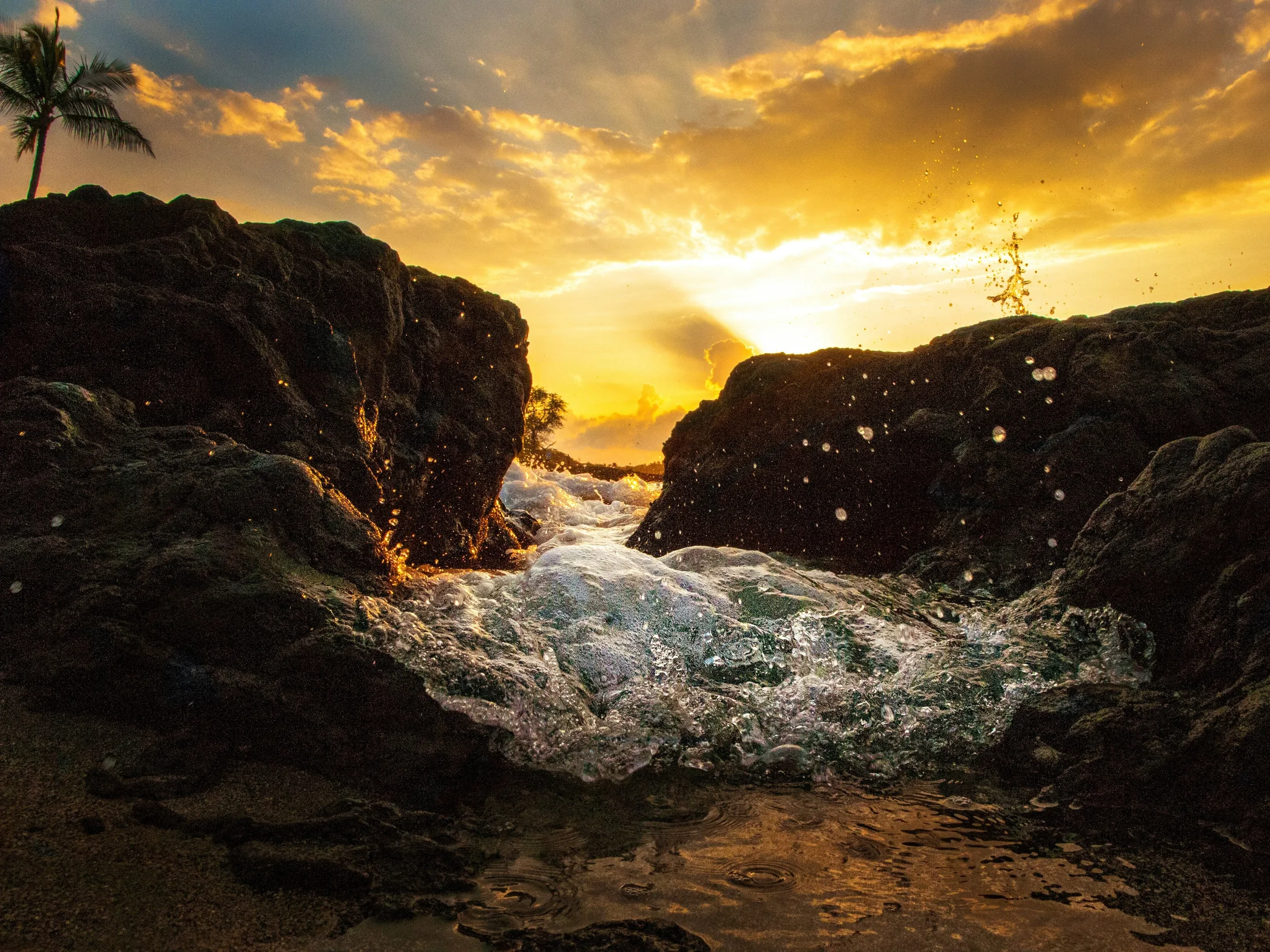
The green sand is real, though not the cartoon-green some photos suggest. In the right light, the beach has an olive, gold, almost mineral shimmer — a color that comes from olivine, a dense volcanic crystal left behind as the surrounding material weathers away. The setting is just as memorable as the sand: the exposed southern edge of Hawaiʻi Island, wind over dry coastal land, open ocean, and the eroded form of a volcanic cone holding a small pocket of beach.
But Papakōlea is not a place to treat as a quick roadside attraction. Getting there involves remote access, fragile ground, changing management questions, and a beach that does not have the facilities people often expect from a famous destination. If you go, go deliberately.
First, understand where you’re going
Papakōlea Green Sand Beach sits near Ka Lae, the southern point of Hawaiʻi Island, in the Kaʻū district. This is a very different experience from pulling into a Kona beach park with showers, shade, and a calm swimming cove. The landscape is open and dry. The wind can be steady. The route to the beach is exposed. There are no cafés, rental stands, or lifeguard towers waiting at the end.
That emptiness is part of the beauty. It also means your plan matters.
For most travelers, Papakōlea should be considered a half-day commitment at minimum once you account for driving, parking, walking, time at the beach, and the walk back. If you are trying to squeeze it between a Kona morning, a Volcano afternoon, and dinner somewhere else, it will probably feel like work instead of wonder.
The responsible access choice: plan to walk
The most straightforward, low-impact way to visit Papakōlea is to park at the established access area near South Point and hike along the coast to the beach. The walk is commonly described as roughly five to six miles round trip, depending on where you start and which established foot route you follow.
You may see trucks or informal shuttles operating in the area. You may also see rough vehicle tracks heading toward the beach. Their presence does not automatically mean they are authorized, low-impact, or appropriate for visitors to use. Access practices around Papakōlea have been debated for years because off-road driving can damage the coastal landscape, widen ruts, and affect cultural and natural resources.
A useful rule of thumb: if your plan depends on driving a rental car over rough coastal tracks, it is the wrong plan. Rental car agreements generally do not allow off-road driving, and this is not a normal beach road. If someone offers a ride, do not assume it is official just because it is available.
Before you go, check current access guidance from official Hawaiʻi Island or state sources, especially if you are visiting during a period when land management, parking, or access practices may have changed. Papakōlea is exactly the kind of place where old blog posts and casual advice can lag behind what is actually allowed.
What the hike is like
The walk to Papakōlea is not technically difficult in the way a steep mountain trail is difficult. It is difficult because it is exposed, uneven, windy, and longer than many beachgoers expect.
You will be walking over dry coastal terrain with little to no shade. The path can feel informal in places, and the ground may be rocky, dusty, sandy, or rutted from past vehicle use. The ocean is often in view, which makes the walk feel open and cinematic, but it also means the sun and wind are part of the day from the beginning.
Wear real walking shoes or sturdy sandals with traction. Bring more water than you think you need. A hat and sun protection make the difference between a pleasant coastal hike and a slow roast. There are no services at the beach, so whatever you need has to come in with you and leave with you.
The best version of this outing is unhurried: start early enough to avoid the harshest part of the day, walk steadily, stop for the views, and give yourself enough energy for the return. The walk back is when people discover whether they planned well.
Arriving at the beach
Papakōlea sits below the rim of an eroded volcanic feature, so the final approach involves descending from above rather than strolling straight onto flat sand. Conditions can change, and the descent may be loose or awkward. Take your time and use the most established route rather than inventing a shortcut down a crumbly slope.
Once you are there, the beach is smaller than its reputation. That is not a disappointment if you arrive with the right expectations. The power of the place is in the whole scene: green-tinged sand, dark rock, blue water, wind, and the feeling of being at the far edge of the island.
Swimming is not the main reason to come here. The ocean at remote southern-facing beaches can be rough, and there is no lifeguard. If conditions are calm, some visitors may wade or swim, but many people are happiest simply sitting for a while, taking in the color and geology, and saving their energy for the hike out.
And yes: leave the sand. The beach is green because of a specific geological process that is still finite at human scale. A small bottle of sand may feel harmless in one person’s hand; multiplied by years of visitors, it is not.
What the green sand actually looks like
Papakōlea is sometimes sold online as if it were a bright emerald beach. That framing sets people up for the wrong kind of expectation.
The sand is usually more subtle: olive, bronze, yellow-green, or mossy depending on the light, moisture, and angle. Up close, the olivine crystals are easier to appreciate. From a distance, the beach may read as muted green against darker volcanic material. Midday sun can flatten the color; lower light may bring out more contrast.
This is a place where the story enriches the view. Olivine is heavier than many other grains, so it tends to remain as lighter material is carried away. Knowing that makes the beach feel less like a novelty and more like a visible lesson in how young volcanic islands are shaped, sorted, and worn down by ocean and wind.
Who will enjoy Papakōlea most
Papakōlea is a good fit if you like earning a place on foot, appreciate geology, and are comfortable with remote, undeveloped coast. It is especially rewarding for travelers who understand that the walk, the wind, and the wide-open Kaʻū landscape are part of the experience, not obstacles before the “real” attraction.
It may not be the right choice if you are traveling with anyone who struggles with heat, distance, uneven ground, or steep descents. It is also not ideal if your group mainly wants easy swimming, shade, restrooms, or a relaxed beach day with minimal logistics. Hawaiʻi Island has better choices for that kind of day.
There is no shame in deciding Papakōlea is not the right use of your time. In fact, that is often the more thoughtful call. The beach is special, but it is not the only way to experience the south side of the island.
How to fit it into a Hawaiʻi Island day
Papakōlea belongs to the southern rhythm of the island, not a packed resort-day itinerary. If you are staying in Kona or along the Kohala Coast, the drive is significant before the hike even begins. If you are coming from Volcano or Hilo, it is still a commitment and should be planned with daylight in mind.
The cleanest day is usually built around Kaʻū itself: leave early, make Papakōlea the centerpiece, and avoid stacking too many obligations afterward. Nearby South Point is often part of the same mental map for visitors, but do not let proximity fool you into rushing. The southern coast rewards time and punishes over-scheduling.
Bring food, water, and a flexible attitude. If you arrive and the access situation feels unclear, the weather is harsher than expected, or your group is not up for the walk, pivot. A good Hawaiʻi day is not defined by forcing the original plan.
A simple standard for visiting well
Papakōlea does not need visitors to be perfect. It does need visitors to be honest about what the place is.
It is not a drive-up photo stop. It is not an off-road adventure course. It is not a beach to mine for souvenirs. It is a remote coastal place with rare geology and a long-running access conversation around it.
So the standard is simple: check current access guidance before you go, plan to walk, stay on established routes, bring what you need, take your trash out, and let the beach remain itself.
Approached that way, Papakōlea feels less like a trophy and more like a privilege of time — a slow walk across the southern edge of Hawaiʻi Island to a small green shore shaped by fire, wind, and sea.

Further Reading
A few relevant next steps from Alakai Aloha.
 BlogWhat Makes Hawaiʻi Island’s Black Sand Different
Learn why Punaluʻu and other Hawaiʻi Island black sand beaches feel so distinct, from volcanic origins to heat, texture, safety, and shoreline etiquette.
Editor's pick GuideBest Beaches on the Big Island
A guide to best Big Island beaches.
Editor's pick RestaurantThe Rim
Full-service restaurant at Volcano House in Hawaiʻi Volcanoes National Park, known for crater views and a broad island-style menu. Best for a sit-down meal before or after exploring Volcano.
Editor's pick BlogHow to Know If a Big Island Beach Is Swimmable
A practical guide to reading Big Island beaches, from lava-rock entries and shorebreak to calmer Kona and Kohala spots worth considering.
Editor's pick