

Most Hawaiʻi packing lists are written for a beach week. That will get you halfway there on Hawaiʻi Island — and then you may find yourself standing in cool mist near Volcano, walking over rough lava in thin sandals, or wishing you had one real layer after sunset at elevation.
The Big Island asks more range from your suitcase than most warm-weather trips. You can spend the morning under bright Kona sun, drive through ranch country, watch clouds stack over Hilo, and end the day somewhere that feels almost alpine. You do not need to overpack. You do need to pack with the island’s scale and microclimates in mind.
Think light, casual, washable — then add better shoes and smarter layers.
The Big Island packing mindset
Hawaiʻi Island is large, young, and geographically dramatic. Visitor days often involve longer drives than expected, changing elevations, and very different weather zones. Kona and the Kohala Coast tend to be sunnier and drier. Hilo, Volcano, and windward areas are greener for a reason. Higher elevations can feel surprisingly cold if you are used to thinking of Hawaiʻi as only palm trees and warm sand.
The goal is not to bring more. It is to bring pieces that can handle contrast:
Clothing that dries quickly Footwear that can handle lava rock, sand, and rain-slick paths A light rain layer A real warm layer for Volcano or high-elevation plans Sun protection for long, exposed days A small day bag that can move from beach to trail to car
If you pack only for the resort pool, you may end up buying things you already own. If you pack for a mountain expedition, you will drag around dead weight. The sweet spot is practical and unfussy.
Clothes you will actually wear
Big Island style is casual. Shorts, linen, cotton, athletic fabrics, simple dresses, aloha shirts, T-shirts, and sandals cover most visitor days. Even nicer dinners rarely require anything stiff or formal. One polished outfit is usually enough unless you have a wedding, work event, or special occasion.
For daytime, favor breathable fabrics and items you can rinse or re-wear. The sun can be sharp on the Kona side, and humidity can build on the Hilo side. Heavy denim is not your friend here; it is hot when dry and miserable when damp.
A good clothing base looks like this:
4–6 lightweight tops 2–3 pairs of shorts or casual skirts 1–2 swimsuits, so one can dry while you wear the other 1 cover-up, sarong, or sun shirt 1 casual dinner outfit Sleepwear that works without heavy bedding Undergarments based on your laundry plan
If you are staying more than a week, plan around laundry instead of packing double. Many vacation rentals and some condo-style properties make this easy, and even a quick sink rinse helps with swimsuits and sun shirts.
The layers matter more here than people expect
The single most common Big Island packing mistake is assuming “Hawaiʻi” means one temperature.
For Kona beach days, you may live in swimwear and sandals. For Hawaiʻi Volcanoes National Park, early mornings, rainy afternoons, and breezy overlooks can feel cool. For high-elevation visitor areas, you may want the same kind of layer you would bring for a fall evening on the mainland.
Pack:
A light rain jacket or shell A warm fleece, sweater, or packable puffer if you plan to visit Volcano or higher elevations A long-sleeve sun shirt for exposed beaches, boat days, or long drives Lightweight pants or leggings for cooler evenings, hikes, or mosquito-prone areas
This does not mean you need ski clothes. It means a real layer — not just a gauzy beach cover-up — belongs in the bag.
Footwear: bring more than slippers
In Hawaiʻi, flip-flops are often called slippers, and you will use them constantly: beach walks, quick meals, hotel grounds, farmers markets, and post-swim errands. Bring a pair you already know is comfortable.
But on Hawaiʻi Island, slippers alone are not enough.
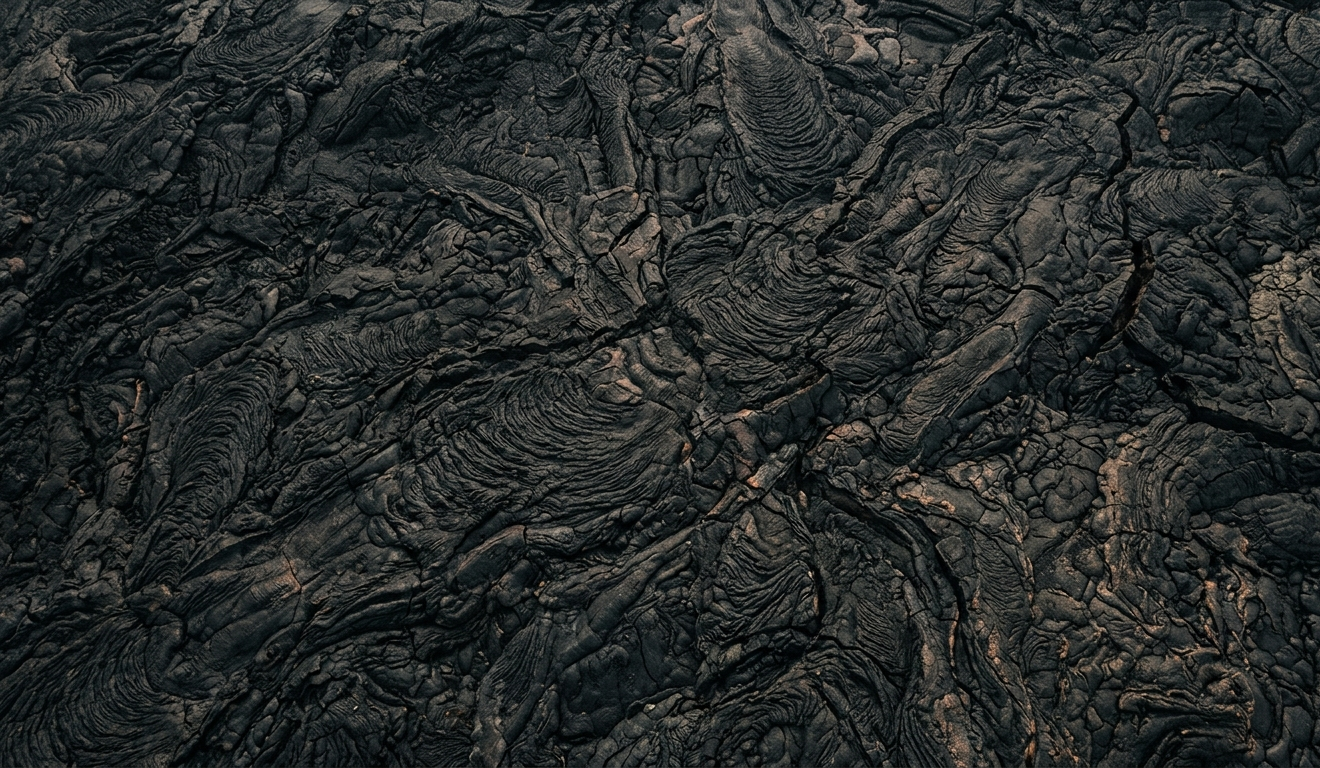
The island’s lava landscapes are beautiful, uneven, abrasive, and hard on flimsy soles. Even short walks can involve rough rock, loose gravel, or heat-holding pavement. If you plan to explore Hawaiʻi Volcanoes National Park, coastal trails, petroglyph areas, lava fields, or any unpaved viewpoint, bring sturdy closed-toe shoes.
A smart footwear setup:
Comfortable slippers or sandals for beach and casual use Broken-in sneakers or light hiking shoes with good tread Optional water-friendly sandals for rocky entries or boat excursions Socks you do not mind getting dusty
Avoid packing brand-new hiking shoes. The Big Island is not the place to discover a heel blister two miles into a lava walk.
Beach gear for black sand, hot sun, and rougher edges
You do not need to bring half a beach closet. Most visitors can keep beach gear simple: swimsuit, towel if your lodging does not provide one, sun protection, water bottle, and a dry bag or pouch.
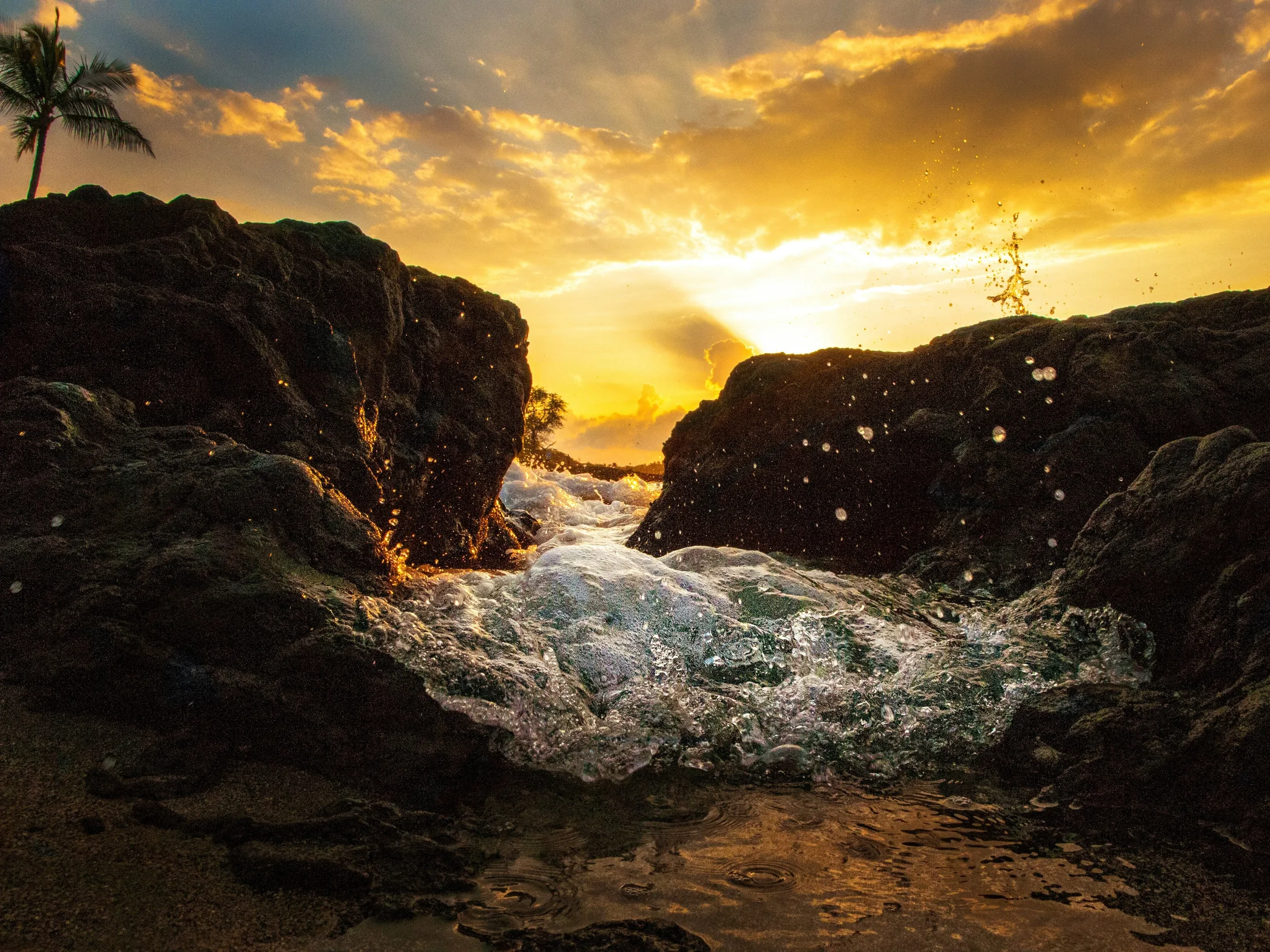
But Big Island beaches have their own texture. Some are soft and easy. Others are rocky, pebbly, black sand, or exposed. Black sand can get hot underfoot. Lava shelves and uneven entries can be hard on bare feet. Sturdy sandals or water-friendly shoes can be useful if your beach plans lean rugged rather than resort-style.
For beach days, pack:
Mineral sunscreen you like enough to reapply Sunglasses with good coverage A brimmed hat that will stay on in wind A rash guard or long-sleeve swim shirt A small dry bag or zip pouch for phone, keys, and wallet A reusable water bottle A light tote or packable beach bag
If you are particular about snorkel fit, bring your own mask. Otherwise, bulky snorkel gear, fins, boards, chairs, and umbrellas are usually better rented or borrowed locally than flown across the ocean.
Use the car as your day base
Because Big Island days often involve driving between regions, your rental car becomes a moving base camp. That does not mean leaving valuables inside; it means keeping comfort items handy so you are not digging through a suitcase in a parking lot.
A useful day kit might include:
Light rain jacket Warm layer Extra water Simple snacks Towel or seat cover for sandy passengers Change of socks Hat and sunscreen Phone charging cable Small trash bag for wet or dusty items
Rain is part of the island’s rhythm, especially windward and upland. Dust is, too, in drier lava and ranch areas. White linen looks lovely at dinner; it is less ideal for sitting on lava rock or brushing against a dusty roadside pullout.
Adjust for your itinerary
If Hawaiʻi Volcanoes National Park is on your itinerary, pack as though you are visiting a national park, not just a viewpoint. Bring closed-toe shoes with traction, a rain jacket, a warm layer, a water bottle, a small daypack, sun protection, and clothes that can handle mist, dust, and rough seating surfaces.
If your trip is mostly Kona, Waikōloa, or the Kohala Coast, your packing can lean warmer, drier, and sunnier. This is where you will use the classic Hawaiʻi basics most: swimwear, sandals, hats, sunglasses, breathable clothes, and easy dinner outfits. Add an extra sun shirt or rash guard, plenty of sunscreen, and a light sweater or wrap for breezy evenings or strong indoor air conditioning.
If you are spending time in Hilo, near waterfalls, or on the windward side, bring a light rain jacket, quick-dry clothes, shoes with grip, and a dry pouch for electronics. A small umbrella can be nice in town. This is not a call for heavy rain gear; a breathable shell and practical shoes do most of the work.
What to leave behind
A good Big Island suitcase has restraint. You can skip:
Formalwear, unless an event specifically calls for it Multiple pairs of jeans High heels that cannot handle uneven paths or gravel lots Expensive jewelry you will worry about Bulky beach gear that is easy to rent Too many “just in case” outfits Heavy jackets unless your plans genuinely require them
The island is casual, and overpacking makes every hotel change, condo stairway, and interisland flight more annoying.
A simple Big Island packing list
For most travelers, this is the core:
Lightweight tops and shorts 1–2 swimsuits Cover-up, sarong, or sun shirt Casual dinner outfit Slippers or sandals Closed-toe walking or hiking shoes Light rain jacket Warm layer for Volcano or elevation Long-sleeve sun shirt or rash guard Hat and sunglasses Mineral sunscreen Reusable water bottle Small daypack or tote Dry pouch for phone and keys Basic medications and personal essentials Charging cables and portable battery Laundry bag or packing cube for wet or dusty clothes
Then adjust based on your actual itinerary. More beach time? Add swimwear and sun layers. More hiking and Volcano time? Add socks, trail clothes, and a better rain shell. More resort time? Bring one nicer outfit and do not overthink it.
Packing well for Hawaiʻi Island is less about preparing for hardship and more about being ready for range. The Big Island gives you bright beaches, lava plains, rain forests, ranchlands, and cool uplands in one trip. A light suitcase can handle all of it — if the few things inside are chosen with care.

Further Reading
A few relevant next steps from Alakai Aloha.
 BlogThe Best Months to Visit the Big Island
A month-by-month guide to Big Island weather, crowds, costs, events, and the best seasons for Kona beaches, volcano exploring, whales, and stargazing.
Editor's pick GuideBest Hotels & Resorts on Hawaiʻi Island
A guide to Big Island hotels.
Editor's pick ActivityHawaiʻi Volcanoes National Park
Hawaiʻi Volcanoes National Park is a UNESCO World Heritage Site offering unparalleled opportunities to explore active volcanic landscapes, diverse ecosystems, and ancient Hawaiian culture, providing a profound connection to Earth's powerful forces.
Editor's pick BlogFirst-Timer Mistakes on the Big Island
Plan smarter for Hawaiʻi Island with local tips on drive times, volcano days, Maunakea, beach choices, and why doing less often means seeing more.
Editor's pick