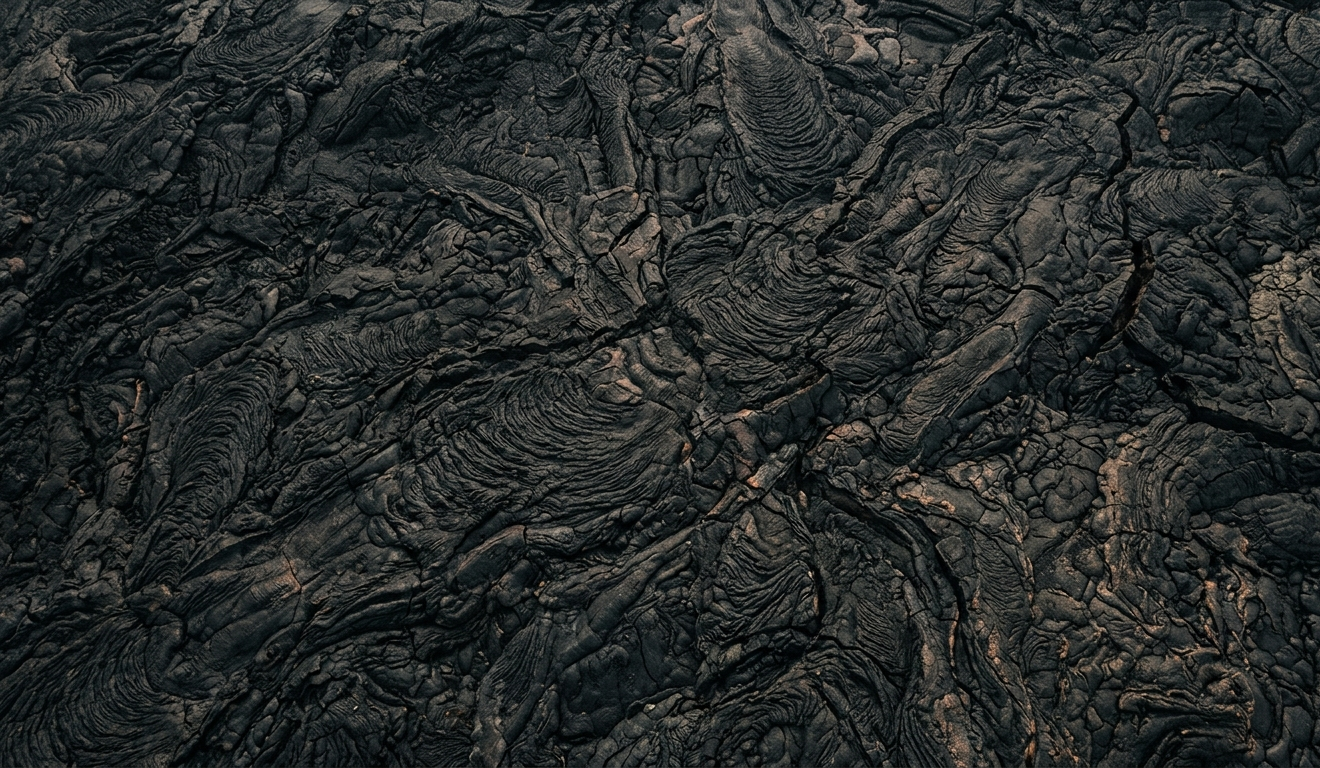


If Hawaiʻi Island weather looks contradictory on your phone, it probably is.
A forecast may show rain in Hilo, sun in Waikoloa, clouds above Kailua-Kona, drizzle in Volcano, wind near South Point, and cold conditions on Mauna Kea — all on the same day, all on the same island. That is not a glitch. Hawaiʻi Island is large, tall, and varied enough to make weather feel regional rather than island-wide.
The useful question is not “Will it rain on the Big Island?” It is: Which side of the island, at what elevation, under which wind pattern?
Once you learn that basic read, the island becomes much easier to plan around.
Start with the usual pattern: trade winds
Most of the time, Hawaiʻi is influenced by trade winds blowing from the northeast or east-northeast. On Hawaiʻi Island, those winds meet a serious wall: Mauna Kea, Mauna Loa, Kohala, Hualālai, and broad volcanic slopes rising from sea level to alpine elevations.
Moist air pushed in by the trades rises along the windward side. As it rises, it cools, clouds form, and showers become more likely. That is why the east and northeast sides — Hilo, the Hāmākua Coast, and often Puna — are generally greener and wetter than the leeward west side.
Meanwhile, the west and northwest coasts sit in the rain shadow. The Kohala Coast and much of the Kona Coast can be sunny and dry while clouds sit heavily over the east side or the uplands.
This is the baseline many visitors experience:
Morning sun along parts of the west coast Clouds building mauka, especially above Kona Passing showers on the east side Mist or light rain around Volcano and higher forested areas Stronger wind in exposed gaps and open coastal stretches
The important part is not that one side has “good weather” and the other has “bad weather.” The island has a rhythm. The east side gets washed and softened by moisture. The west side often gets more sun, especially near the coast. The uplands make their own moods.
Why Kona can be sunny at breakfast and cloudy by afternoon
Kailua-Kona and the surrounding coast fool people.
Under normal trade wind weather, the Kona coast may start bright and calm. Then, as the land warms, clouds often build over the slopes above town and along the coffee belt. By afternoon, the mauka areas can be gray or showery even if the oceanfront is still dry or partly sunny.
That is why “Kona weather” depends heavily on elevation. A place near the shoreline can feel hot, dry, and clear. A short drive uphill can put you into clouds, cooler air, and light rain. This is not unusual, and it does not mean the day is ruined. It is simply how the slope breathes.
For planning, west-side beach time is often easiest earlier in the day. If afternoon clouds gather, shift toward lunch, a scenic drive, farms, galleries, or a slower inland pace.
Hilo is not just “rainy”
Hilo has a reputation for rain, and there is truth behind it. It sits on the windward side, open to moisture arriving with the trades. Showers are common, and the landscape shows it: lush gardens, streams, broad-leafed green, and a softer atmosphere than the dry leeward coast.
But Hilo weather is not a solid curtain of rain. Many days move in pulses — a shower, a bright spell, another shower, then blue patches over the bay. A rain icon can make the day look like a washout, when the reality is often more usable and more beautiful.
The east side rewards a different mindset than the resort coast. Instead of waiting for a perfect cloudless day, go with the rhythm. Bring a light layer. Expect damp pavement. Let the weather be part of the place.
Kona winds and Kona storms
“Kona winds” do not mean winds in the Kona district only. In Hawaiʻi weather language, Kona winds usually refer to winds coming from the south or southwest — the opposite of the normal trade wind direction.
When this happens, Hawaiʻi Island’s familiar pattern can flip. The leeward west and southwest sides, usually drier, may see more cloud cover, humidity, haze, or rain. Areas around Kona, Kaʻū, and the western slopes can feel unsettled. The east side may be less showery than expected, depending on the setup.
For visitors staying on the Kohala or Kona coast, this is the pattern that makes people say, “But I thought this was the sunny side.” It usually is — under trades. Under Kona winds, the island is being approached from another angle.
A Kona wind pattern can be mild. A Kona storm is more organized and more disruptive. Instead of quick windward showers, weather can become widespread, slow-moving, and heavy. Cloud cover may stretch across large parts of the island, and rain can settle in.
You do not need to build your whole vacation around the possibility of a Kona storm. But if one is in the forecast, treat it as a real planning signal. Choose plans that are easy to adjust, and save long remote drives or weather-exposed hikes for a better window.
Rainy season means “more variable,” not “always raining”
Hawaiʻi has a wetter season, generally in the cooler months, when storm systems are more common and the atmosphere can be more unsettled. But rainy season is not a daily guarantee, and dry season is not a promise of sun.
On Hawaiʻi Island, rainy season mainly raises the odds of more frequent wet days, wider cloud cover, stronger storm systems, and cooler damp conditions at elevation.
A winter trip can still bring long sunny stretches on the Kohala Coast. A summer trip can still get afternoon clouds in Kona or showers in Hilo. The season sets the background odds; the day’s wind pattern decides much of the experience.
The island by region
Hawaiʻi Island is too varied for one forecast box. Think in regions.
Kohala Coast and Waikoloa
This is one of the island’s driest visitor areas, especially near the coast. Under trade winds, it often has sun when other regions are cloudier. It can be windy in exposed areas, and the landscape is much drier than many first-time visitors expect.
Under Kona winds or Kona storms, this coast can lose its usual dry-side advantage.
Kailua-Kona and the Kona Coast
The coast is often warm and comparatively dry, while the slopes above town collect afternoon cloud. This elevation split is one of the defining weather experiences on the west side.
If you are planning beach time, mornings often have the cleanest feel. If you are heading mauka, expect cooler air and a greater chance of mist or showers, especially later in the day.
Hilo, Hāmākua, and Puna
Windward weather shapes this side. Expect greenery, passing showers, humidity, and frequent cloud movement. Rain icons can be misleading because the weather often comes in intervals rather than all at once.
The Hāmākua Coast can feel especially changeable, with clouds snagging on slopes and light shifting quickly over gulches and ocean cliffs. Puna varies by elevation and exposure, but it often feels lush and showery, with weather moving through in bands.
Volcano and the upper slopes
Volcano sits at elevation, and it behaves like it. Conditions can be cool, misty, and damp even when the beaches are hot. A light rain jacket or fleece can make the difference between lingering and rushing back to the car.
This is where visitors most clearly feel that Hawaiʻi Island is not only a beach destination. You can leave a sunny coast and arrive in a quiet, cloud-wrapped upland forest in the same outing.
Waimea, Saddle Road, and the high country
The island’s interior and high-elevation routes can be windy, foggy, bright, chilly, or suddenly socked in depending on the pattern. Waimea sits in a transitional zone, influenced by elevation, trade winds, and the nearby Kohala slopes.
If you are crossing the island, do not assume the weather at departure tells you much about the middle of the drive. The interior has its own terms.
Kaʻū and the southern side
Kaʻū can feel open, exposed, and wind-shaped. Under normal trades, parts of the southern side may be dry and gusty. Under Kona patterns, southern exposures can receive more direct weather. This is one of the places where wind direction matters more than a simple sun-or-rain forecast.
How to read the forecast
For Hawaiʻi Island, a forecast is most useful when you read it in layers.
First, look at wind direction. Trades from the northeast usually favor the familiar windward-wet, leeward-drier pattern. Kona winds from the south or southwest can reverse expectations.
Second, look at elevation. Coast, slope, upland, and summit are not interchangeable. A “Kona” forecast near sea level may not describe the coffee belt. A “Hilo” forecast may not describe Volcano.
Third, check whether the rain is described as passing showers or a broader system. Passing showers are normal, especially windward. A larger storm pattern deserves more flexibility.
Finally, avoid treating a single rain icon as a verdict on the day. On Hawaiʻi Island, that icon may mean a wet morning in one district, afternoon clouds uphill, or showers overnight while your beach hours stay dry.
The best weather plan is a flexible one
Hawaiʻi Island rewards travelers who give themselves room to move.
If the west side is sunny, enjoy it. If clouds build over Kona, consider heading down toward the coast rather than farther uphill. If Hilo has passing showers, wait for the next bright spell instead of canceling the day. If Volcano is misty, lean into the atmosphere and bring a layer. If a Kona storm settles in, slow the pace and save exposed plans for another window.
The point is not to chase perfect weather across a very large island. That can turn a vacation into a commute. The better approach is to understand what the sky is telling you, choose the region that fits the day, and leave a little space for the island to change its mind.
Hawaiʻi Island’s weather is not random. It is trade winds meeting mountains, leeward coasts sitting in rain shadows, warm slopes building afternoon clouds, and occasional Kona systems turning the usual pattern around. Once you see that, the forecast becomes less frustrating — and the island becomes more interesting.

Further Reading
A few relevant next steps from Alakai Aloha.
 BlogBig Island Budget Eats That Feel Like a Treat
Eat well without overspending on the Big Island with practical tips for plate lunches, poke, bentos, farmers markets, bakeries, and food stops that fit your route.
Editor's pick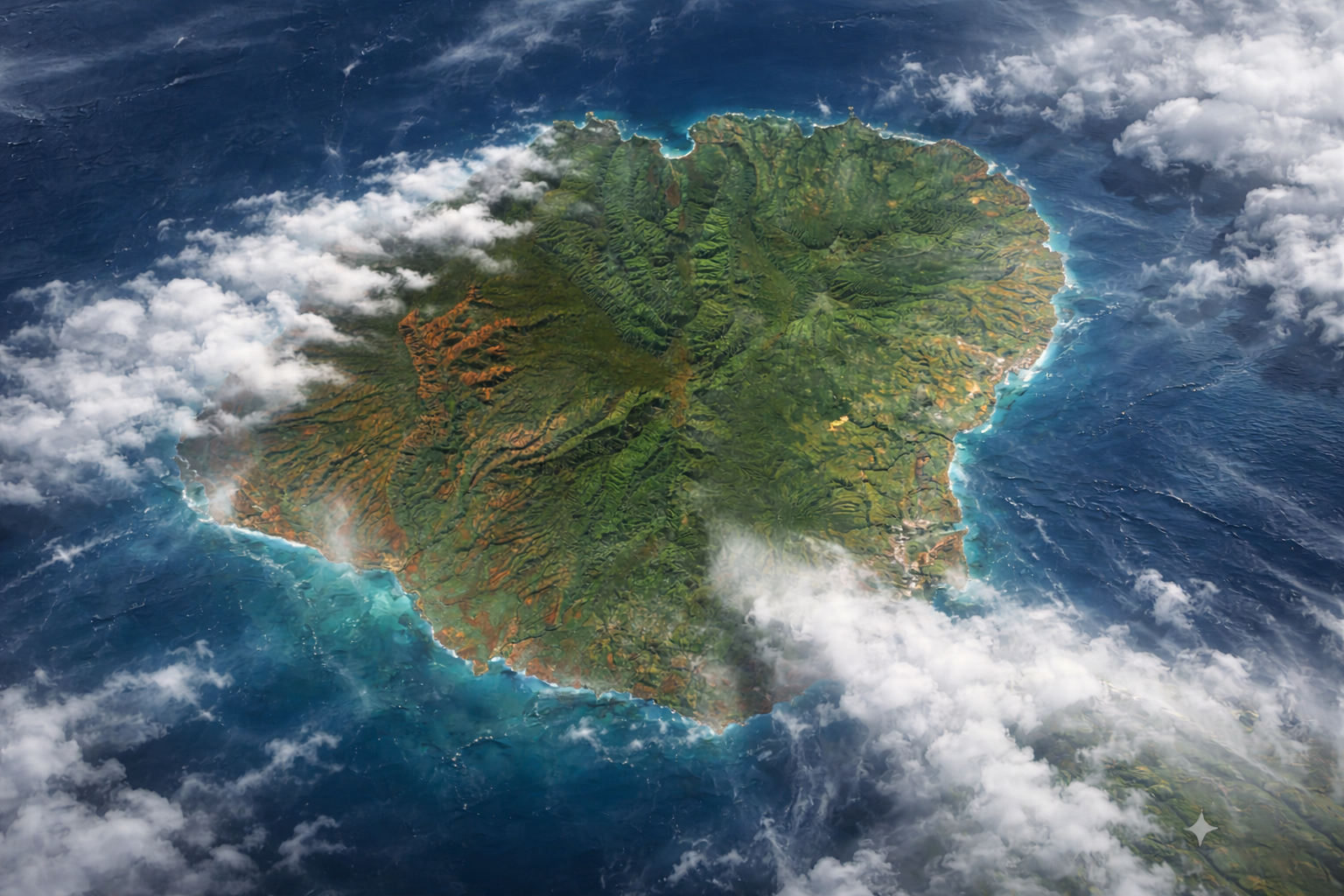 ToolCompare island weather by region
See how rain, wind, and conditions vary around the island before you choose your day plan.
Useful planning tool BlogA Smarter Rainy-Day Plan for the Big Island
Learn how to pivot your Big Island plans when rain rolls in, from Kona and Hilo to Volcano, Waimea, and the Kohala Coast.
Editor's pick BlogThe Best Months to Visit the Big Island
A month-by-month guide to Big Island weather, crowds, costs, events, and the best seasons for Kona beaches, volcano exploring, whales, and stargazing.
Editor's pick