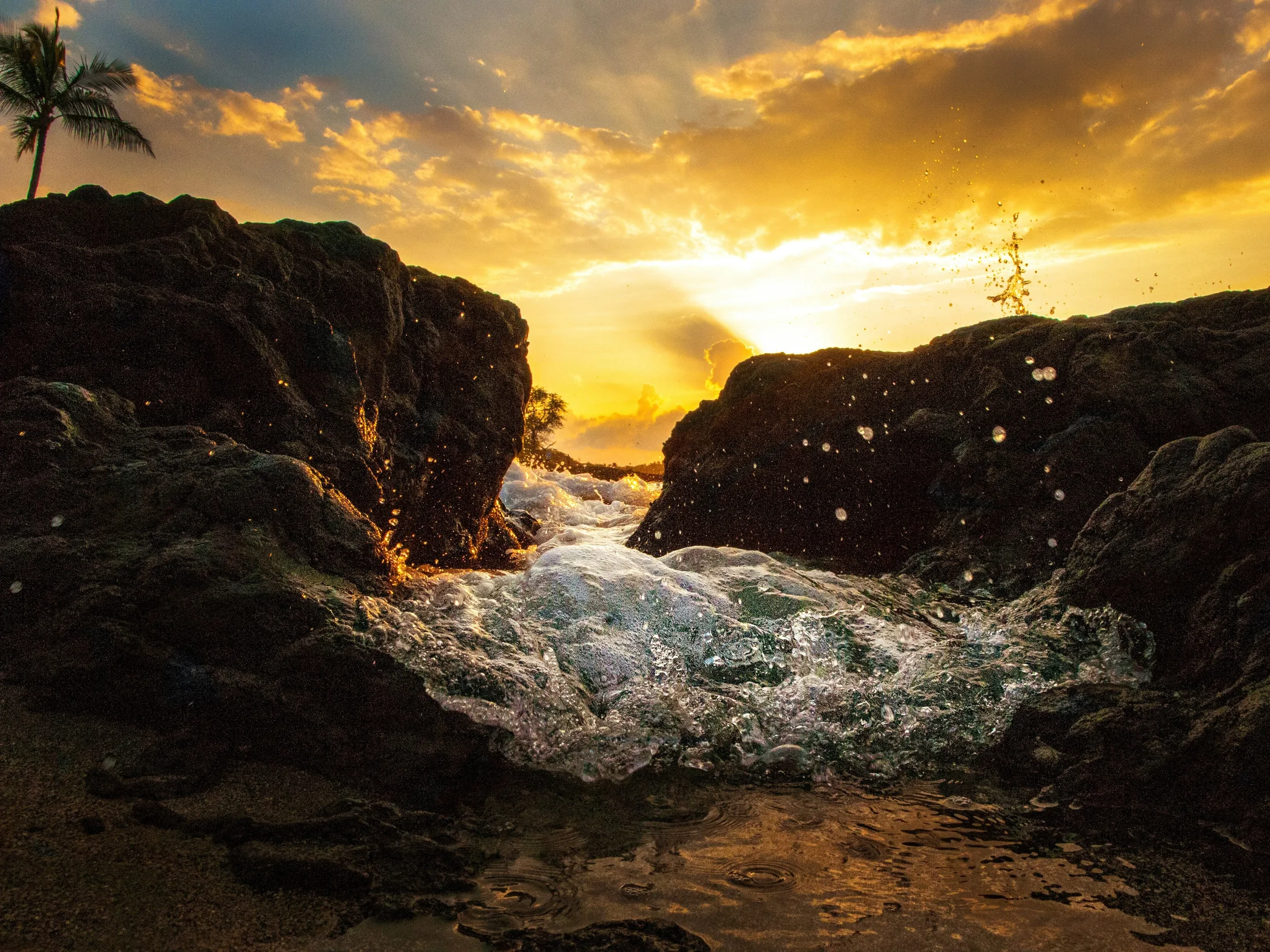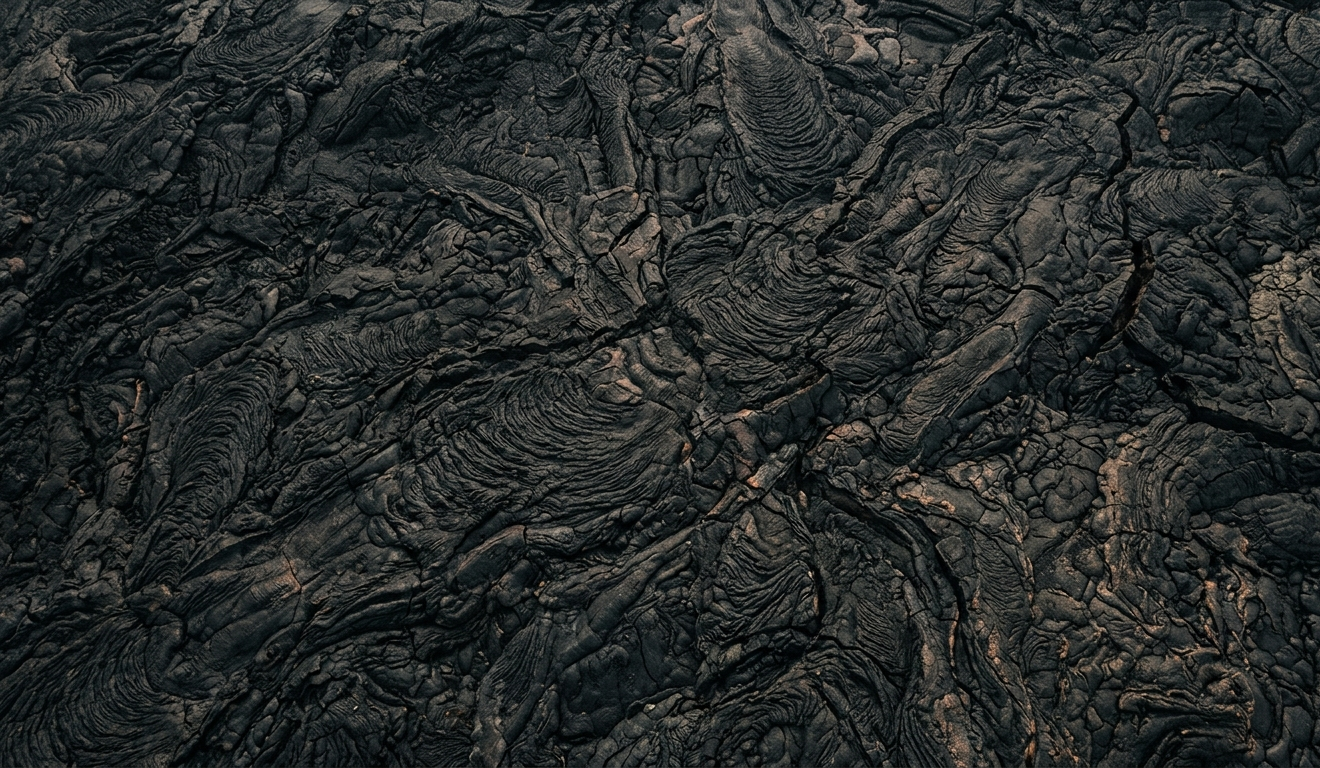


Hawaiʻi Island is built for travelers who like watching a landscape change through the windshield. In a single day, the road can move from black lava flats to ranch pasture, from dry leeward coast to wet forest, from sea level to cool uplands where clouds drag across Mauna Kea and Mauna Loa.
The tradeoff is scale. This is not an island where every scenic drive is a quick loop with a dozen easy pullouts. Choose one main drive for the day, give yourself room to stop, and don’t underestimate how different the weather can feel after you climb a few thousand feet.
First, choose the kind of day you want
For a dramatic cross-island drive, take the Daniel K. Inouye Highway, often still called Saddle Road.
For lava, craters, steam, and a road that feels like it runs toward the end of the earth, spend a day in Hawaiʻi Volcanoes National Park on Crater Rim Drive and Chain of Craters Road.
For dry coast, ranch country, and one of the island’s most satisfying loops, drive North Kohala through Kawaihae, Hāwī, and Waimea.
For waterfalls, gulches, old sugar towns, and a green coastline, follow the Hāmākua Coast from Hilo toward Honokaʻa and Waimea.
For a long south-island road trip, drive from Kona through South Kona and Kaʻū toward Volcano.
Don’t try to stack them all into one ambitious “circle island” day unless you genuinely enjoy spending most of the day in the car.
Daniel K. Inouye Highway: the high road between mountains
The cross-island highway between West Hawaiʻi and Hilo is one of the great drives in the state, not because it is lush or postcard-pretty, but because it feels planetary. The road climbs away from the dry west side and opens into a broad saddle between Mauna Kea and Mauna Loa. The views are wide, austere, and often quiet in a way that surprises first-time visitors.
This is the practical route many travelers use to connect the Kona/Kohala side with Hilo or Volcano, but it is worth treating as more than a shortcut. The scenery changes by elevation: dark lava, pale grass, rolling uplands, cloud banks, and, on clear days, long profiles of the island’s highest mountains.
There are long stretches without much in the way of services, so start with fuel and a simple plan. If you are tempted to detour toward Mauna Kea, understand that the summit road is a separate high-elevation drive with its own vehicle and weather considerations; it is not a casual add-on for every rental car or every traveler.
Best for: crossing the island with a sense of scale Start from: Kona, Waikoloa, Waimea, Hilo, or Volcano Give it: a half day if you’re stopping and not rushing onward
Hawaiʻi Volcanoes National Park: Crater Rim Drive and Chain of Craters Road
If you only have one scenic driving day on Hawaiʻi Island, this is the one that feels most distinctly tied to the island’s living geology. Hawaiʻi Volcanoes National Park is not just a viewpoint stop. It is a landscape you move through slowly: crater edges, steam vents, lava flows of different ages, forest returning in patches, and a long descent toward the coast on Chain of Craters Road.
Crater Rim Drive is the natural starting point. It gives you a sense of Kīlauea’s scale without requiring a big hike. Depending on park conditions, sections and overlooks may vary, so check the park’s updates before setting out rather than building your day around one specific stop.
Chain of Craters Road is the drive to save time for. It leaves the higher, cooler part of the park and drops through old lava fields toward the ocean. The experience is less about one famous lookout and more about watching the road trace a story of eruptions, recovery, and exposure. Bring layers; the upper park can be cool, damp, and windy even when Kona is hot and bright.
A strong Volcano day might include a visitor center stop, a few overlooks, a short walk, lunch or snacks, and the Chain of Craters descent. That is enough. The park is better when you give it space.
Best for: lava landscapes, geology, cooler uplands Start from: Volcano, Hilo, or Kona as a full-day trip Give it: most of a day, especially from the Kona side
North Kohala loop: coast, wind, pasture, and old towns
The North Kohala drive is one of the island’s most rewarding loops because it gives you contrast without requiring a marathon. From the Kohala Coast resorts or Kona side, the road north passes lava fields and dry coastline before reaching Kawaihae and climbing toward Hāwī and Kapaʻau. The mood changes as you go: less resort, more wind, older trees, small-town storefronts, and a sense of being near the island’s northern edge.
Many travelers continue to the Pololū Valley overlook, where the road ends above a steep green valley and dark shoreline. Parking is limited and the area can feel crowded at peak times, so treat it as a brief viewpoint rather than the guaranteed centerpiece of the day.
The best part of the loop may be the return through Kohala Mountain Road toward Waimea. This road runs through open ranch country with broad views, shifting mist, and a completely different feeling from the coast below. On a clear day, the light over the pastures is gorgeous in the late afternoon. On a cloudy day, it can feel moody and quiet in the best way.
Best for: a scenic loop from the Kohala resorts, varied landscapes, small towns Start from: Waikoloa, Mauna Lani, Mauna Kea, or Kona Give it: half a day to a relaxed full day
Hāmākua Coast: waterfalls, gulches, and the green side
The Hāmākua Coast is the drive for travelers who want the wet, green side of Hawaiʻi Island. North of Hilo, the road moves through gulches, ocean views, old plantation country, and pockets of dense tropical growth. It is not as starkly dramatic as Volcano or the Saddle, but it has a layered, lived-in beauty.
A good Hāmākua day can include the scenic detour near Pepeʻekeo, a waterfall stop such as ʻAkaka Falls, and time in Honokaʻa before continuing toward Waimea or returning to Hilo. The road invites small pauses: a view down a ravine, a glimpse of surf far below, a town that still carries traces of the sugar era.
Waipiʻo Valley often appears in older road trip lists, but access and rules have changed over time. For most visitors, it is better to think of the overlook area, if accessible, as a possible stop rather than the point of the whole day.
Rain is part of the Hāmākua personality. It can make the waterfalls stronger and the greens deeper, but it also means slower going through small bridges and curves. Build a loose day, not a tight one.
Best for: waterfalls, lush scenery, Hilo-based exploring Start from: Hilo, Volcano, Waimea, or the Kohala side Give it: half a day from Hilo; longer if connecting across the island
South Kona to Kaʻū: coffee country, lava country, and the long way to Volcano
The south-island drive from Kona toward Volcano via Highway 11 is not always the fastest-feeling route, but it may be the most revealing. It passes through South Kona’s coffee belt, historic and cultural sites, dry lava landscapes, and the wide-open Kaʻū district before climbing toward Volcano.
This is a good route if you are changing bases between Kona and Volcano, or if you want a full-day road trip that feels less polished than the resort side. Puʻuhonua o Hōnaunau National Historical Park is a meaningful stop in South Kona and deserves more than a quick photo. Farther south, the road opens up, traffic thins, and the island starts to feel broader and more remote.
Punaluʻu Black Sand Beach is a common stop along this side of the island. South Point is another tempting detour, but it adds time and can be windy and exposed. If your real goal is Volcano, save your energy for the park.
Best for: Kona-to-Volcano travel days, coffee country, Kaʻū landscapes Start from: Kailua-Kona, Captain Cook, Kealakekua, or Volcano Give it: a full day if stopping along the way
A quieter add-on: Mauna Loa Road from Volcano
For travelers staying near Volcano, Mauna Loa Road can be a beautiful short drive when conditions allow. It climbs from the Volcano area into cooler forest and open views, with a very different feel from the busier park roads. It is not a substitute for Chain of Craters, but it is a good choice when you want a slower morning, bird song, mist, and a sense of elevation.
Pair it with a Volcano village meal, a short walk in the park, or a relaxed afternoon.
Best for: a mellow Volcano-area drive Start from: Volcano Give it: a couple of hours, more if you stop and walk
A few Big Island driving truths
Hawaiʻi Island rewards people who plan by energy, not mileage. A route may look simple on the map and still feel long because of elevation, weather, small roads, or the number of places you’ll want to pause.
Pick the drive first, then choose two or three places to experience well. Kona can be sunny while Volcano is wrapped in mist. Hilo can be rainy while the Saddle is clear. Kohala can be bright on the coast and windy in the uplands. That variability is part of the pleasure of driving here.
The best Hawaiʻi Island road trips are not about checking off the entire island in one day. They are about choosing a road with a strong character and letting the island change around you: black rock to pasture, cloud forest to coast, lava field to town, warm sea air to cool mountain wind. If you leave room for that, the drive becomes more than transportation.

Further Reading
A few relevant next steps from Alakai Aloha.
 BlogWhat to Know About Lava Viewing on Hawaiʻi Island
Plan around real-time volcanic activity, safe public access, and what Hawaiʻi Volcanoes National Park offers even when no molten lava is visible.
Editor's pick GuideBest Restaurants on the Big Island
A guide to best restaurants Big Island.
Editor's pick ActivityChain of Craters Road
Descend 3,700 feet on Chain of Craters Road in Hawaiʻi Volcanoes National Park, a 19-mile scenic drive showcasing dramatic volcanic landscapes, ancient petroglyphs, and coastal views to the Hōlei Sea Arch.
Editor's pick ActivityHawaiʻi Volcanoes National Park
Hawaiʻi Volcanoes National Park is a UNESCO World Heritage Site offering unparalleled opportunities to explore active volcanic landscapes, diverse ecosystems, and ancient Hawaiian culture, providing a profound connection to Earth's powerful forces.
Editor's pick