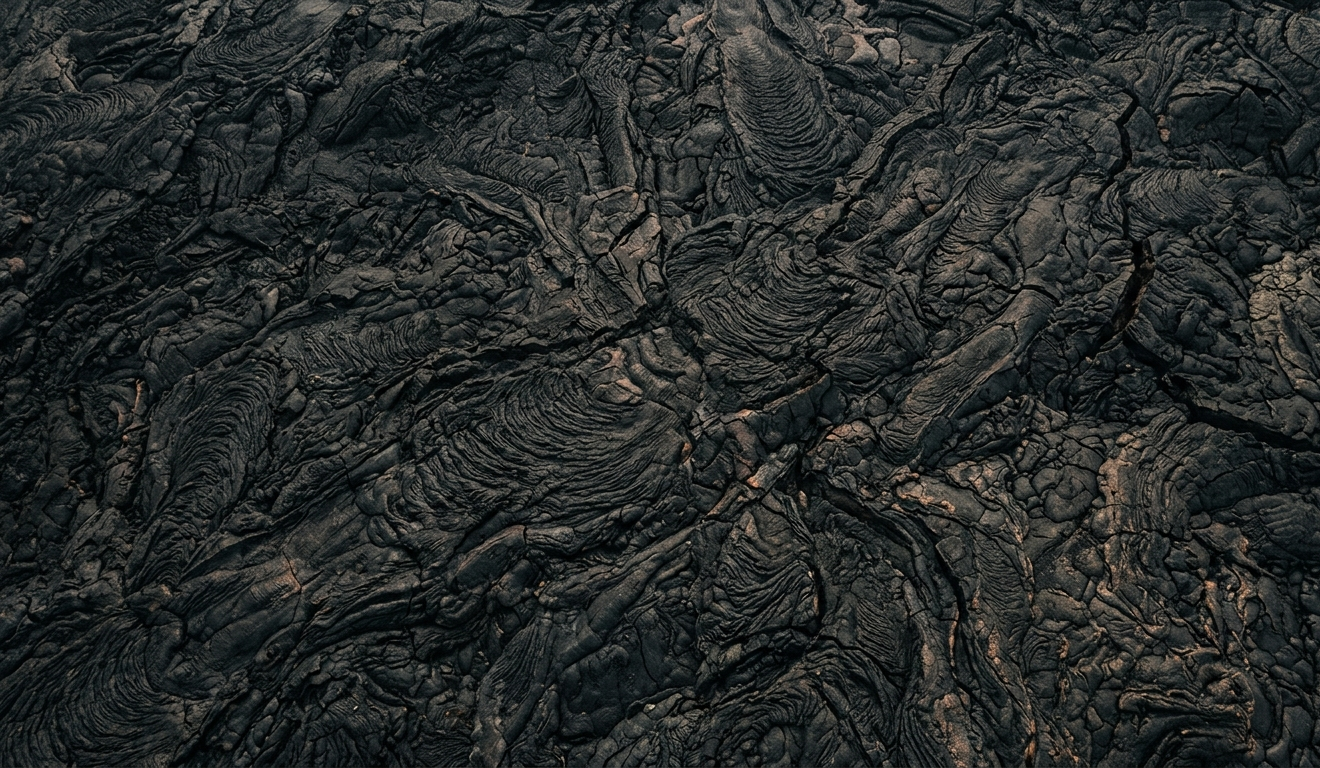

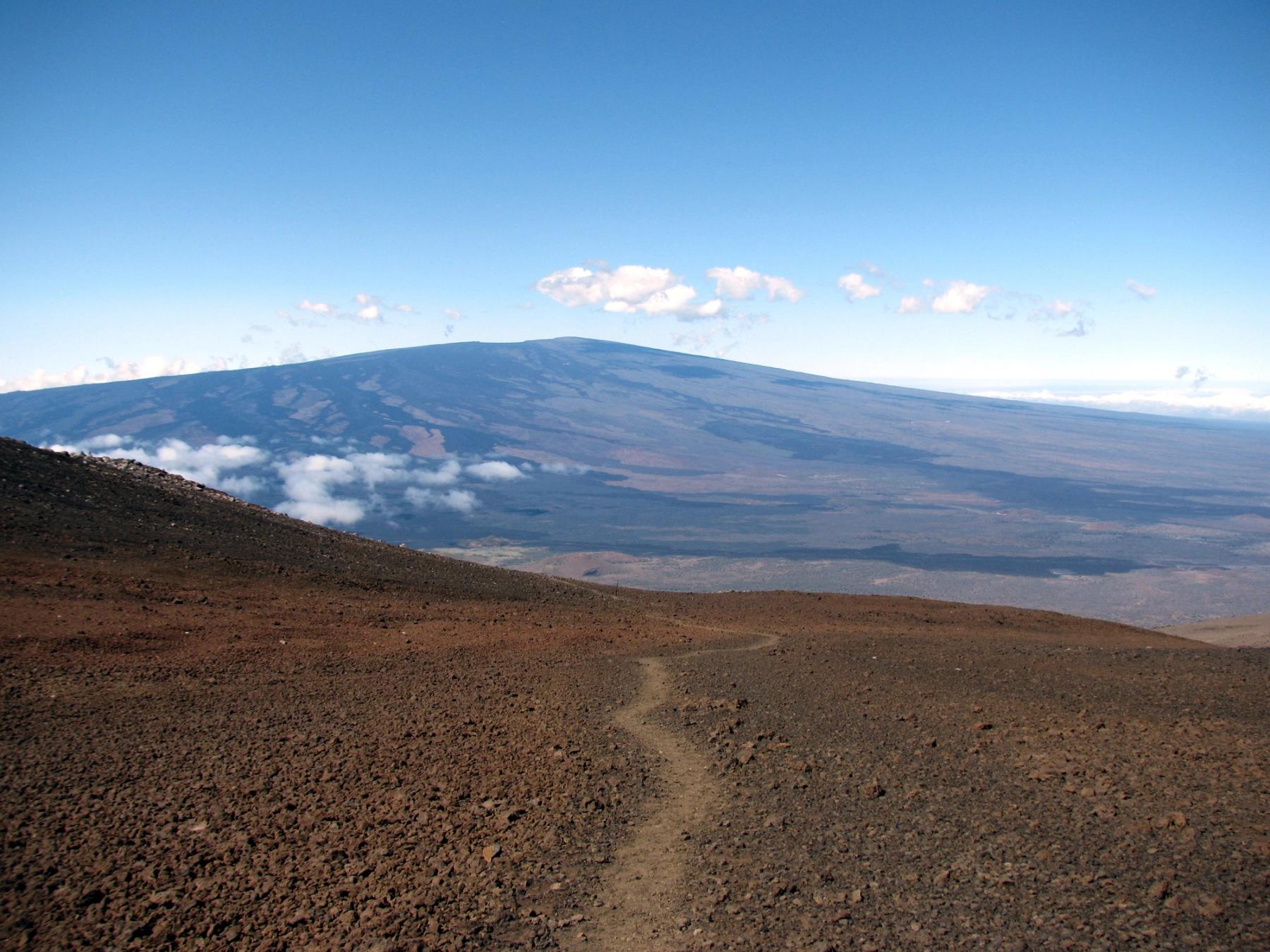
Mauna Loa Summit
A stark, high-altitude volcanic world reached by road and serious hiking.
Good Fit For
- Alpine lava landscapes
- Purpose-driven summit attempts
- Big-sky interior views
- Quiet, remote terrain
Trade-offs
- Rapid weather swings
- Altitude can hit hard
- Few to no services
- Long, exposed drives
Logistics & Getting Around
This is a remote, high-elevation interior zone: arrive self-sufficient with warm layers, water, and a conservative plan. Conditions change fast—wind, cold, and clouds are common—and road or trail access can be limited by weather or management decisions.
Nearby Areas in Summits & Saddle
Signature Experiences in Mauna Loa Summit
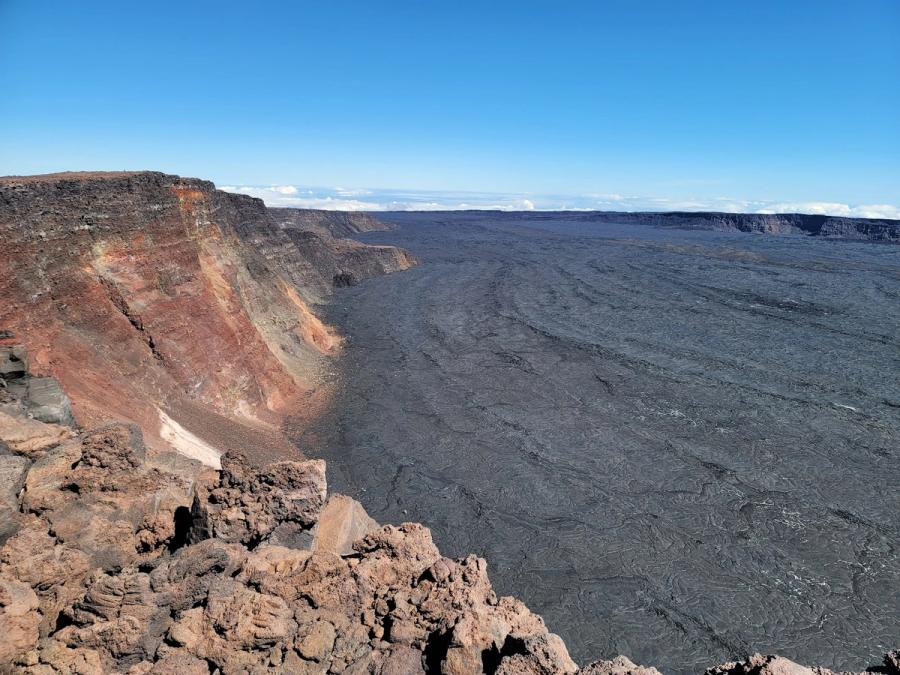
The feel: Hawaii’s biggest mountain in its most elemental form
Mauna Loa’s summit country is not a “place” in the town-and-stops sense—it’s an austere high-altitude landscape of old lava flows, cinder, and open sky. Even when the Big Island’s coasts are warm and busy, up here the air thins, temperatures drop, and the scale changes: long slopes, wide horizons, and a kind of silence you don’t get near the ocean.
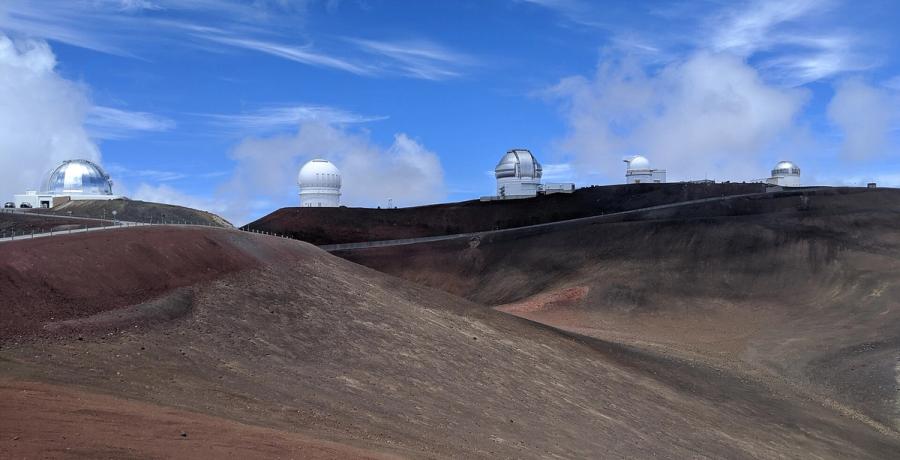
This area is also distinct from neighboring Mauna Kea. Mauna Kea’s summit scene often centers on a single, dramatic peak experience; Mauna Loa feels broader and more desolate, a giant shield volcano with a wilderness character that’s less about a single viewpoint and more about being out on the mountain.
How people usually experience it
Most visitors treat Mauna Loa summit country as a deliberate excursion—either a drive to the observatory-side access area for a look into the high country, or a longer, more committing hike into the upper mountain. Plans are shaped by conditions more than by ambition: cloud decks can erase views, wind can make exposure feel intense, and altitude can turn a “quick stop” into a headache.
Because services are essentially absent, the experience tends to be self-contained. People come for the stark volcanic geology, the sense of remoteness close to the middle of the island, and the chance—when weather cooperates—to see far across the saddle and down toward distant coasts.
Terrain, weather, and the real tradeoffs
This is alpine Hawaiʻi: cold is normal, sun can be harsh, and weather can pivot quickly. The landscape is rugged and porous underfoot, with long stretches that look deceptively similar. Navigation, timing, and conservative decision-making matter more here than on most coastal outings.
If you’re sensitive to elevation, this is not the place to “push through” symptoms. Many travelers do better treating Mauna Loa as a short, high-country look rather than a maximal objective.
What’s nearby—and what it isn’t
Mauna Loa summit country connects naturally with the Saddle Road interior as part of a bigger volcano day, but it’s not a scenic strip with frequent pullouts or amenities. There’s no beach culture, no town center, and no easy wandering—just a powerful, spare mountain environment for travelers who want Hawaiʻi beyond the shoreline.
Can't decide where to stay? Get personalized advice.
Custom recommendations built from the web's most comprehensive Kauai guide.