
Mauna Kea Summit
A stark, high-altitude summit drive for big skies, views, and astronomy lore.
Good Fit For
- Summit scenery seekers
- Stargazing-minded travelers
- Geology and landscapes
- Cross-island road trippers
Trade-offs
- Thin air, cold
- Unpredictable weather
- Few services available
- Long interior drive
Logistics & Getting Around
Reached from Saddle Road (Daniel K. Inouye Highway) via the Mauna Kea Visitor Information Station and a steep access road. Conditions change fast; dress for winter-like cold, drive conservatively, and plan as a focused outing rather than a place to
Nearby Areas in Summits & Saddle
Signature Experiences in Mauna Kea Summit

The feel of the summit zone
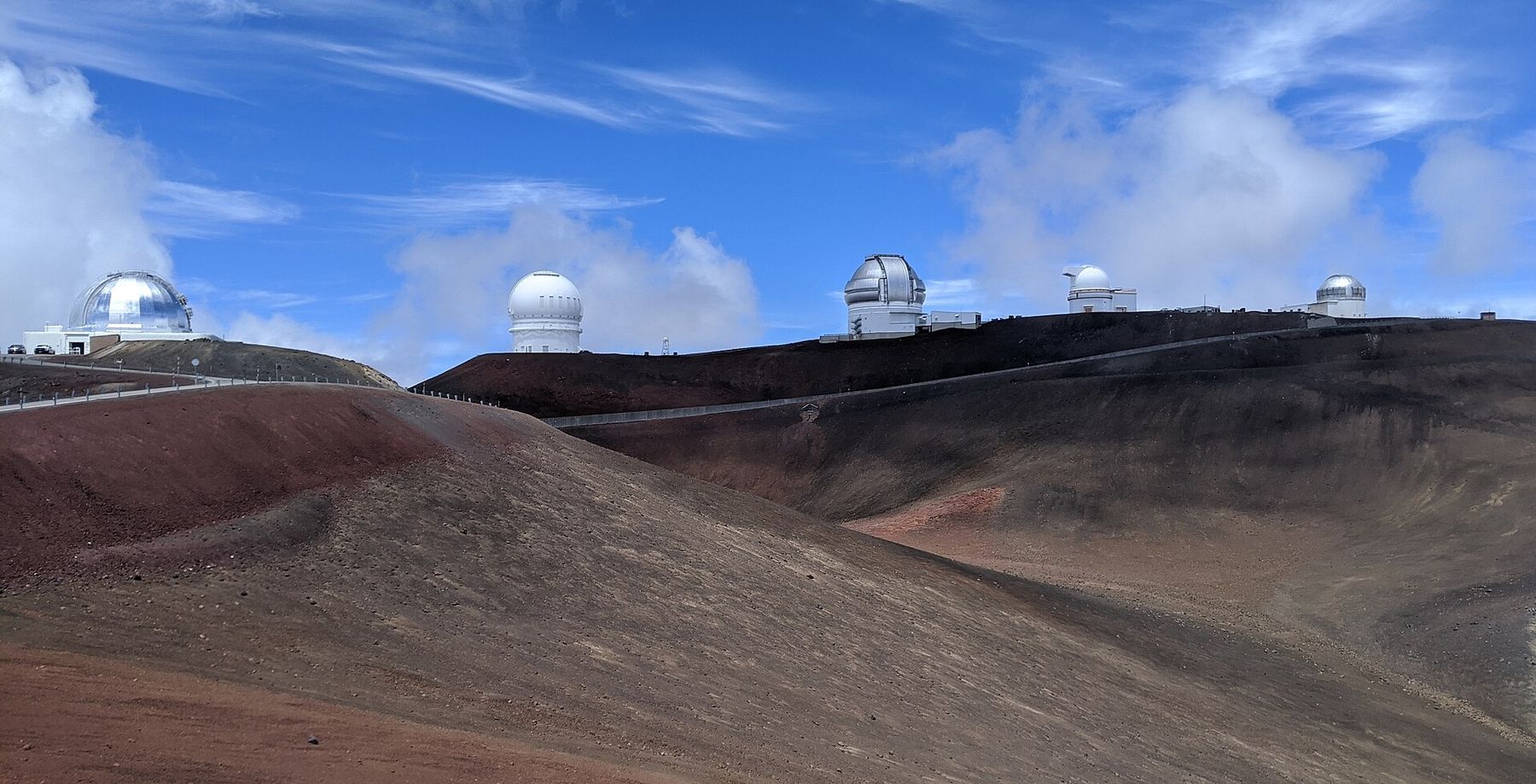
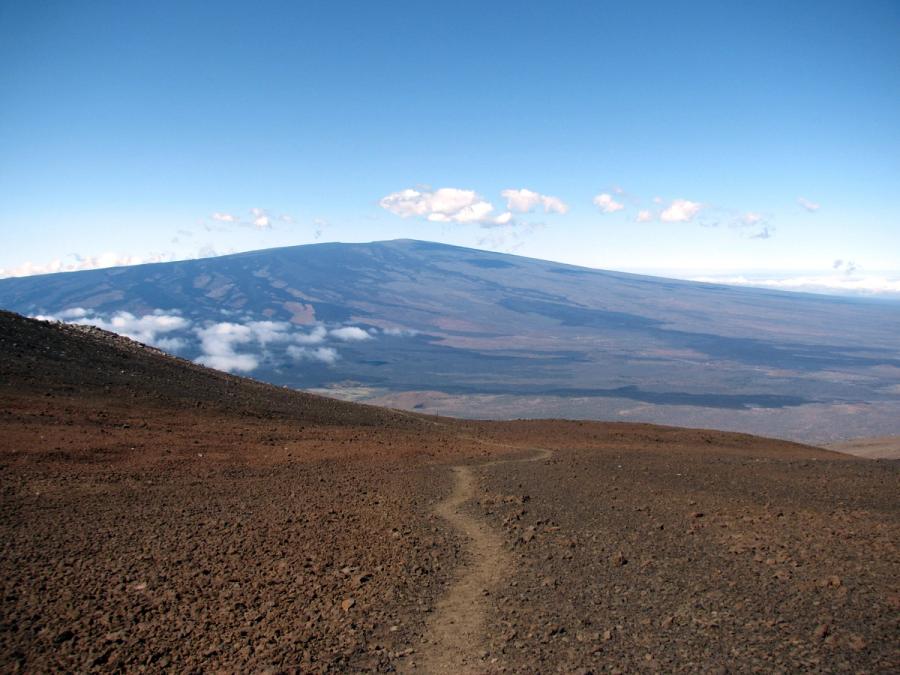
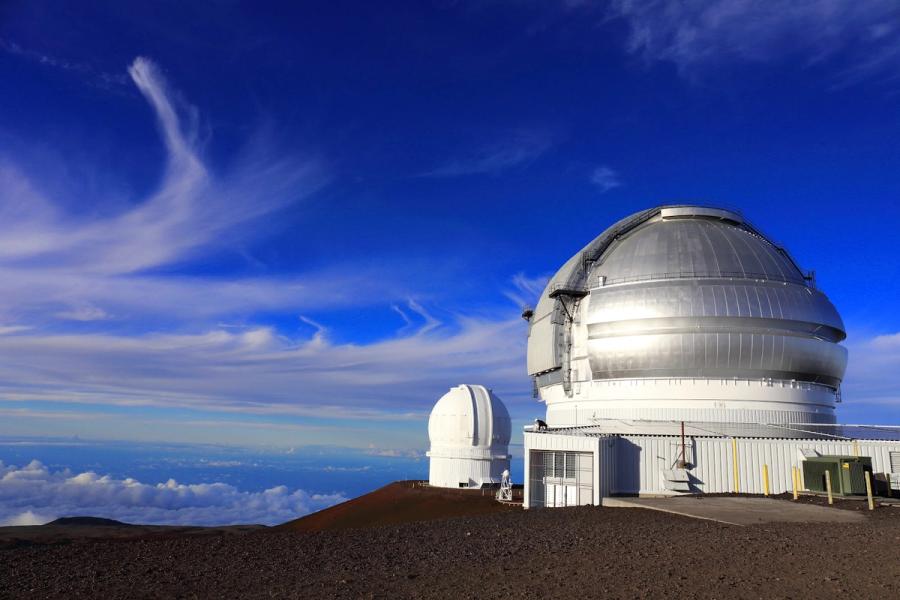
Mauna Kea Summit is one of the Big Island’s most otherworldly landscapes: a broad volcanic mountain rising above the clouds into thin, dry air. The upper slopes feel more like high desert than tropical Hawaiʻi—cinder, rock, and open sky—where distances look deceptively short and the weather can flip from bright sun to fog, wind, or sleet in minutes. It’s quiet in a way that coastal stops rarely are, with the island spread out below as a patchwork of lava, forest, and shoreline.
This is also a place with deep cultural significance. Many visitors come for the scenery and astronomy; it helps to arrive with a respectful mindset, keep noise low, and treat the summit area as more than just a checklist viewpoint.
How people usually experience it
Most trips follow a simple rhythm: drive the cross-island Saddle Road, stop at the Mauna Kea Visitor Information Station to orient and acclimate, then decide whether to continue upslope. The visitor station area is the practical threshold between “high-elevation outing” and “true summit conditions.” Even if you don’t go all the way up, the sense of altitude—cooler temperatures, wider vistas, sharper light—can be a satisfying endpoint.
For those who continue, the summit access road feels like a commitment: steep, exposed, and clearly removed from the island’s resort-and-town geography. At the top, the draw is the panoramic view (often above the cloud deck) and the visceral experience of standing on a very high mountain in the middle of the Pacific.
Realities to plan around
Altitude is the defining factor here. People who feel great at sea level can get headaches or nausea up high, and the cold can be surprising after a beach morning. Bring warm layers, protect your skin and eyes from intense sun, and be ready to turn around if anyone in your group feels unwell.
Services are minimal by design; this is not a place for casual wandering between cafés and shops. Treat it as a targeted excursion you build into a broader day of driving.
Don’t confuse it with the coast
Despite the name, Mauna Kea Summit has nothing to do with Mauna Kea Beach and the Kohala Coast scene. This is an interior mountain environment—remote, spare, and weather-driven—experienced on the island’s terms, not resort time.

Can't decide where to stay? Get personalized advice.
Custom recommendations built from the web's most comprehensive Kauai guide.