

For many Hawaiʻi Island visitors, Saddle Road is the first drive that makes the island’s scale click.
On a map, Hawaiʻi Island can look simple: Kona on one side, Hilo on the other, volcanoes in the middle. In real life, that “middle” is a high, open saddle between Mauna Kea and Mauna Loa, with weather that can change from sun to mist in minutes and views that feel closer to the American West than the postcard Hawaiʻi many travelers arrive expecting.
Saddle Road — officially Daniel K. Inouye Highway for much of the crossing — is the main east-west route across the island’s interior. It has an old reputation, and some of that reputation is out of date. Decades ago, the road was known for rough pavement, narrow stretches, military traffic, poor visibility, and rental-car restrictions. Today, the main highway is a much-improved paved route used daily by residents, workers, and visitors.
That does not make it an ordinary beach-road cruise. It is still a high-elevation cross-island drive with long stretches of open land, limited services, and fast-changing weather. Done with the right expectations, it can be one of the most memorable practical drives of your trip.
What Saddle Road connects
Saddle Road is the inland crossing between the Hilo side and the west side of Hawaiʻi Island. Travelers commonly use it to move between Hilo, Volcano, Waimea, Waikoloa, and the Kona coast, depending on their exact start and end points.
If you are staying in Kona and planning a day in Hilo or Hawaiʻi Volcanoes National Park, Saddle Road may look like the direct route across the island. If you are staying in Hilo and heading toward the Kohala Coast resorts, it can save a long wraparound drive. If you are moving hotels between east and west, it is often the practical middle line.
But “direct” on Hawaiʻi Island does not always mean relaxed. The island is big, the grades are real, and weather can shift with elevation. Build your day with some margin rather than treating the crossing like a mainland freeway commute.
The old reputation, and the road now
Many travelers still hear some version of: “Don’t take Saddle Road.”
That advice usually comes from an older version of the highway. The road was once more difficult than it is now, and for a long time some rental companies restricted travel there. The modern crossing is very different: wider, smoother, and far more manageable than the stories suggest.
Still, two pieces of old advice are worth keeping.
First, check your rental agreement instead of relying on internet folklore. Rules can vary by company and vehicle type, and the main highway is not the same thing as side roads or summit access roads.
Second, remember that the easier road does not change the setting. Saddle Road climbs into a high, exposed interior where fog, rain, wind, and glare can all show up. The road is good; the mountain weather is still mountain weather.
What the drive feels like
The drive has a rhythm unlike the island’s coastal routes.
From the Hilo side, you leave the wetter, greener part of the island and climb steadily inland. Clouds may sit low over the slopes. The landscape opens gradually, and the road begins to feel less tropical: broad shoulders of lava, grassland, military lands in some areas, and long views when the sky clears.
In the middle of the island, the sense of space is striking. Mauna Kea rises to the north, pale and massive. Mauna Loa stretches to the south with a scale that is harder to read because it is so immense. On a clear day, the road can feel suspended between them.
As you continue west, the light changes again. The island dries out. You may descend toward the leeward side with wider skies and a warmer, drier feel, eventually connecting toward Waimea, Waikoloa, or Kona depending on your route.
It is not a drive packed with attractions every few miles. That is part of its character. Saddle Road is more about crossing the island’s interior and feeling the geography than stopping constantly.
When Saddle Road makes sense
Saddle Road is a good choice when it genuinely fits the day you are planning.
It often makes sense for:
Moving between Hilo and the Kona or Kohala side Connecting the east side with Waimea or the resort areas north of Kona A cross-island day when you have enough daylight and do not mind a higher-elevation drive Travelers who enjoy open landscapes and do not need a string of shops, beaches, and cafés along the way
It may be less appealing if you are tired after a long flight, driving at night on your first day, nervous in fog, or hoping for an easy scenic meander with lots of services. In those cases, the longer coastal routes may feel more comfortable, even if they add time.
The best route is not always the shortest route. On Hawaiʻi Island, it is the one that fits your energy, your vehicle, the weather, and what else you are trying to do that day.
Daylight, fuel, and services
If you can, drive Saddle Road in daylight, especially the first time.
Not because the road is unusually frightening, but because daylight lets you read the conditions, enjoy the landscape, and keep the drive from feeling more remote than it is. Fog and rain are easier to manage when you have better visibility and more visual cues. You also get the reward of seeing the island’s interior.
One of the easiest mistakes is assuming you can improvise along the way. Saddle Road does not function like a resort corridor or a town-to-town coastal highway. Services are limited across the interior. Fill your tank before the crossing, use the restroom before you leave town, and bring water or a snack if you are the kind of traveler who gets irritable halfway through a drive.
This is not a wilderness expedition. It is a paved highway across a large island. But the lack of convenient stops is noticeable, especially if you are traveling with children, older relatives, or anyone on a tight meal schedule.
Weather: not dangerous, just different
The main thing to know about Saddle Road weather is that it may have very little to do with the beach weather you left behind.
Kona can be sunny while the saddle is misty. Hilo can be wet while the higher interior briefly opens into blue sky. Clouds can sit in bands across the road. Wind can be strong. Sun glare can be sharp when the road is dry and open.
Keep your expectations flexible. If visibility drops, slow down and let the impatient people go. If the weather is clear, enjoy it. If clouds hide the mountains, that is part of the island too.
Travelers sometimes plan the crossing around hopes of dramatic Mauna Kea or Mauna Loa views. Those views are wonderful when they happen, but they are never guaranteed. Treat them as a gift, not a requirement.
About Mauna Kea detours
Saddle Road passes near the access road to Mauna Kea, and many travelers wonder whether they should “just stop by.”
A short detour to the visitor area is very different from continuing toward the summit. The road above the visitor area is a separate high-altitude drive with different vehicle requirements, conditions, and responsibilities. It should not be treated as a spontaneous add-on because you happened to be crossing Saddle Road.
Even the visitor area sits at significant elevation compared with the coast. If you are coming from sea level, give yourself time, bring warm layers, and keep the plan realistic. Mauna Kea is not a roadside viewpoint in the casual sense; it is a mountain that deserves its own attention.
If your main goal is simply to cross the island, keep crossing. If Mauna Kea is a priority, plan it as its own part of the trip rather than squeezing it into an already full day.
Saddle Road versus the coastal routes
Hawaiʻi Island gives you several ways to get between east and west, and each has a different personality.
Saddle Road is the interior route: efficient, open, high, and elemental. It shows you the island’s volcanic mass directly.
The northern route through Waimea and along the Hāmākua side can be greener and more varied, with towns and ocean views in places. It may be a better fit if you want to fold in a slower day of stops.
The southern route is longer for many itineraries but can make sense if you are connecting with Hawaiʻi Volcanoes National Park, Punaluʻu, or South Kona. It feels like a journey around the island’s lower flank rather than a crossing through its center.
There is no single correct choice. If you are changing hotels and want the cleanest crossing, Saddle Road is often the answer. If the drive itself is the day’s activity, look at what kind of scenery and stops you actually want.
The real reason to take it
Saddle Road is not just a shortcut. It is one of the clearest ways to understand Hawaiʻi Island as an island built by enormous mountains.
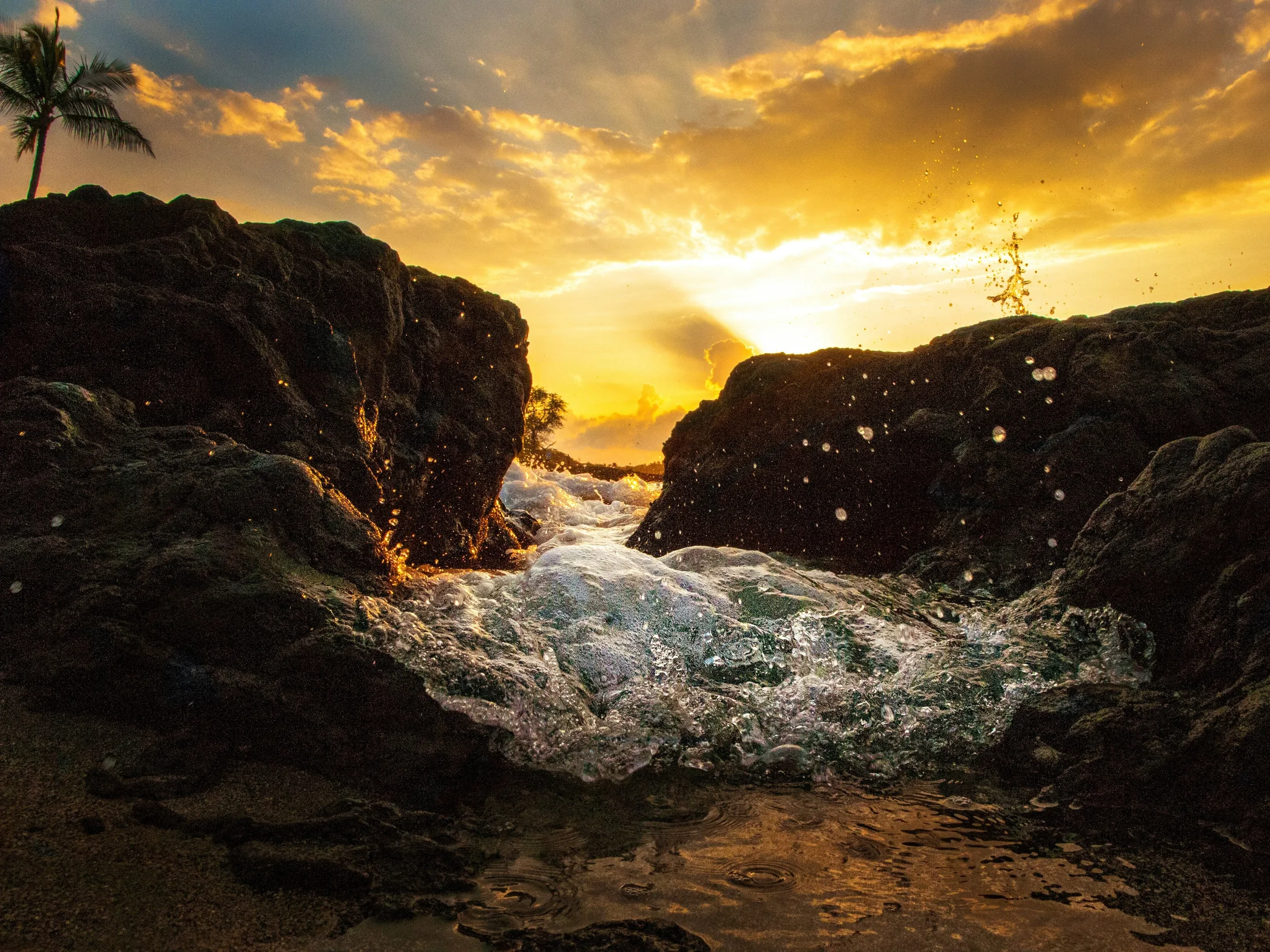
The beaches, lava fields, rainforests, ranchlands, and towns all make more sense after you have crossed that high interior. You feel the wet side and the dry side. You see how much of the island is shaped by elevation. You understand why a day can begin in humid Hilo, pass through cool fog near the saddle, and end in golden light on the Kona coast.
For some travelers, Saddle Road becomes a favorite drive precisely because it is not decorated for visitors. It is functional, spacious, and plain in the best sense. The island does not perform; it simply shows its size.
Take it with daylight if you can. Fuel up first. Leave room in the schedule. Then let the road do what it does best: carry you through the wide, quiet middle of Hawaiʻi Island, between two great mountains, from one climate into another.

Further Reading
A few relevant next steps from Alakai Aloha.
 BlogDo You Need a Rental Car on the Big Island?
How to decide if a rental car fits your Hawaiʻi Island trip, with practical tips on airports, driving distances, vehicle choice, and when you can skip one.
Editor's pick ActivityHawaiʻi Volcanoes National Park
Hawaiʻi Volcanoes National Park is a UNESCO World Heritage Site offering unparalleled opportunities to explore active volcanic landscapes, diverse ecosystems, and ancient Hawaiian culture, providing a profound connection to Earth's powerful forces.
Editor's pick ToolCompare island weather by region
See how rain, wind, and conditions vary around the island before you choose your day plan.
Useful planning tool BlogHow Hawaiʻi Island Weather Really Works
Learn how trade winds, Kona winds, elevation, and microclimates shape rain, sun, clouds, and wind across Hawaiʻi Island.
Editor's pick