
Mauna Kea Stargazing & Summit Tour Guide
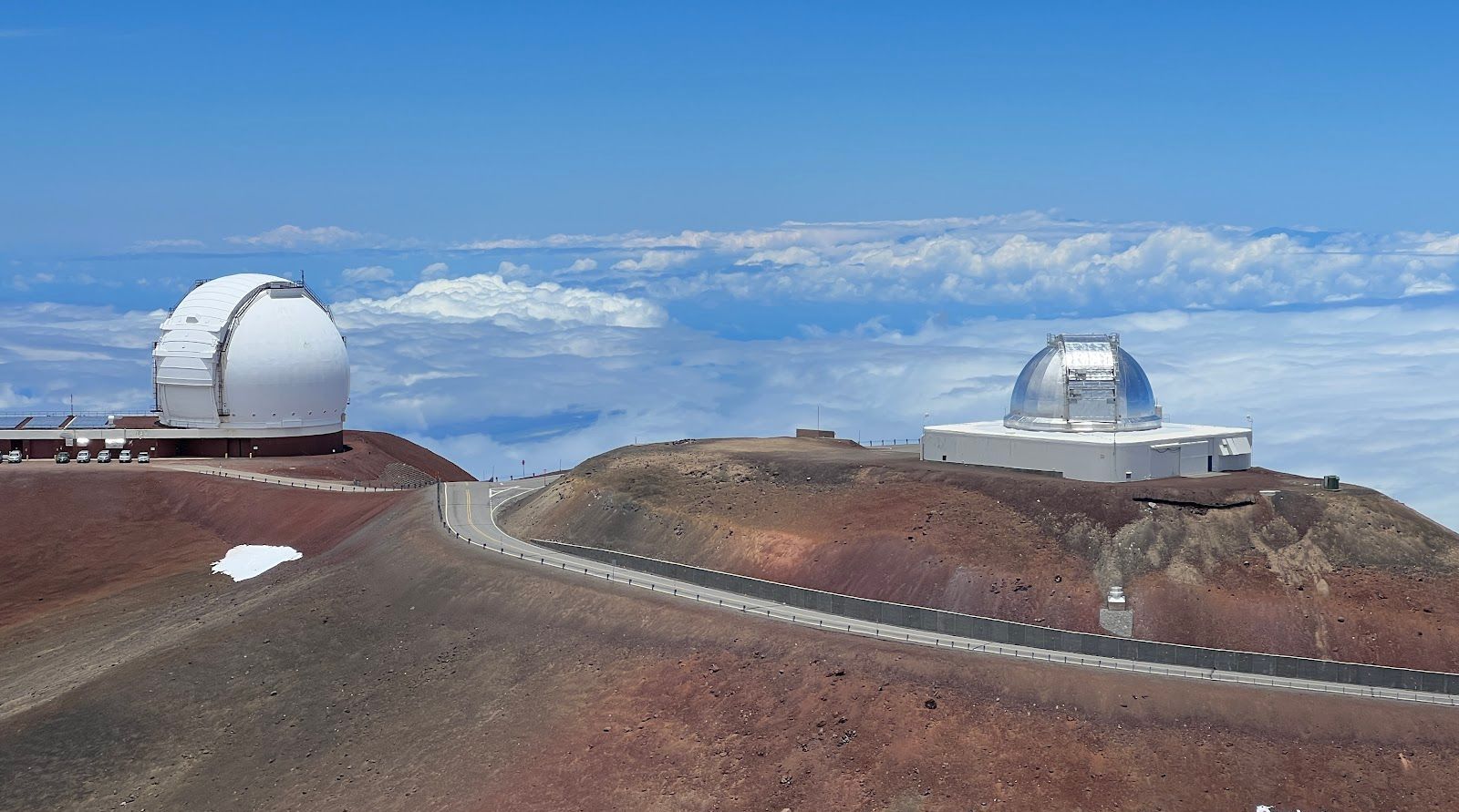
Maunakea sits at the intersection of science, culture, and extreme altitude—three factors that shape every good plan for stargazing or a summit attempt on Hawaiʻi Island. The mountain’s reputation is well earned, but the experience is often misunderstood: conditions can be brilliant one hour and punishing the next, and what feels like a simple evening outing can become a safety issue without the right vehicle, clothing, and expectations. A reliable guide starts with the basics—elevation, weather, access rules, and respectful conduct—then narrows choices based on how much time is available and how comfortable travelers are with cold, wind, and thin air.
What makes Maunakea special is not only the darkness of the sky, but the clarity created by elevation and dry air above the clouds. That combination supports world-class observatories and creates stargazing conditions that are difficult to match elsewhere in the islands. It also comes with trade-offs: the summit is over 13,000 feet, temperatures drop fast after sunset, and altitude effects are real even for fit visitors. Many travelers find that the most satisfying approach is not “as high as possible,” but “as prepared as possible,” whether that means staying lower for longer stargazing sessions or choosing a structured itinerary.
Planning usually centers on two experiences: sunset and early-night viewing, or a full summit excursion. The Mauna Kea Visitor Center is a key reference point for both, offering orientation, current conditions, and a practical place to acclimate before going higher. For travelers who want guidance on timing, safety, and gear—especially those unfamiliar with mountain driving at night—professionally led options can reduce friction and uncertainty. Taikobo Hawaii Inc is an example of an operator offering guided sunset and stargazing tours designed to streamline logistics while keeping comfort and visibility in mind.
This guide’s recommendations are chosen using criteria that matter on Maunakea: accurate, up-to-date operational information; clear expectations around altitude and weather; strong educational value; and straightforward logistics for visitors. Places and experiences that help travelers understand what they’re seeing—rather than simply “checking a box”—rank highly, as do options that emphasize safety and respectful presence on a mountain that holds deep significance.
For those interested in the science side, select facilities offer a closer look at why Maunakea is an international astronomy hub. Experiences tied to sites like the Gemini North Telescope can add context to what’s visible overhead, connecting naked-eye stargazing to the research happening on the summit. Travelers seeking a lower-elevation complement—especially for families or anyone sensitive to altitude—often pair a Maunakea evening with the Imiloa Astronomy Center in Hilo for cultural and scientific grounding.
Below is a curated list to help compare visitor center stargazing, summit options, and guided tours, with practical notes to match each choice to schedule, comfort level, and goals.

Mauna Kea Visitor Center
Get acclimated, catch sunset, and join ranger-led stargazing before the summit.
Discover the wonders of the night sky and stunning sunsets at the Mauna Kea Visitor Center, an essential stop for astronomy enthusiasts and families alike, offering educational exhibits and crucial altitude acclimatization.
Taikobo Hawaii Inc
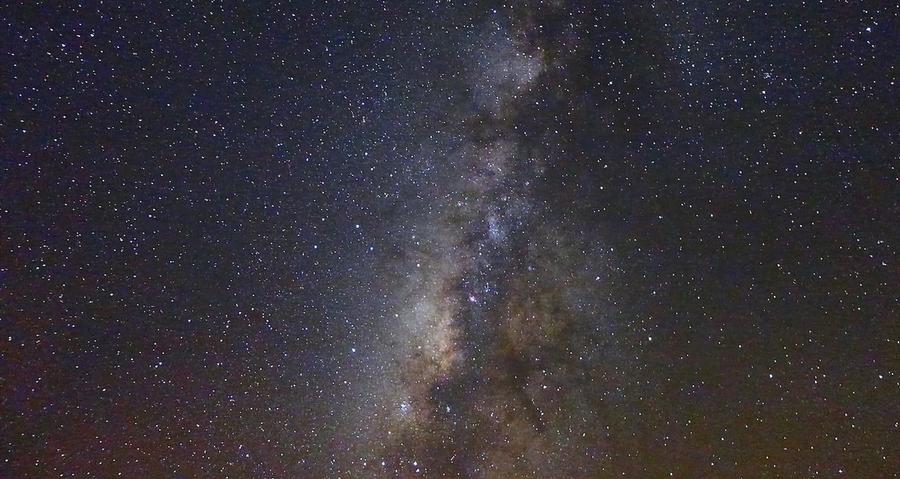
Book expert-guided sunset and telescope stargazing for safer, higher-altitude Mauna Kea nights.
Taikobo Hawaii Inc. offers expertly guided Mauna Kea stargazing and sunset tours, providing a unique high-altitude experience with professional telescopes and knowledgeable insights into Hawaiian culture and astronomy.
Gemini North Telescope
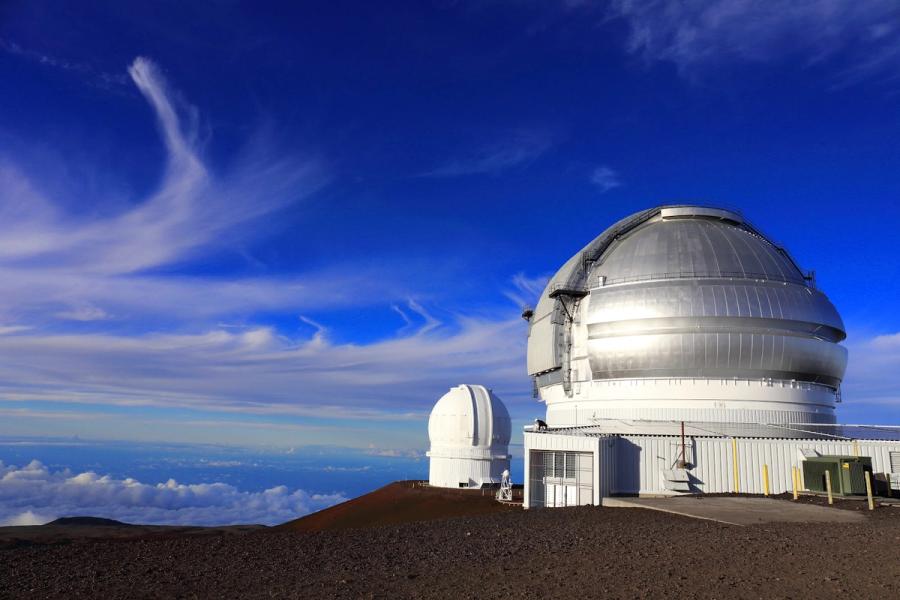
See cutting-edge summit science with a guided look inside Maunakea’s premier observatory.
Embark on a unique, guided summit tour of the Gemini North Telescope on Maunakea, offering an inside look at a world-class astronomical observatory with stunning views and educational insights.
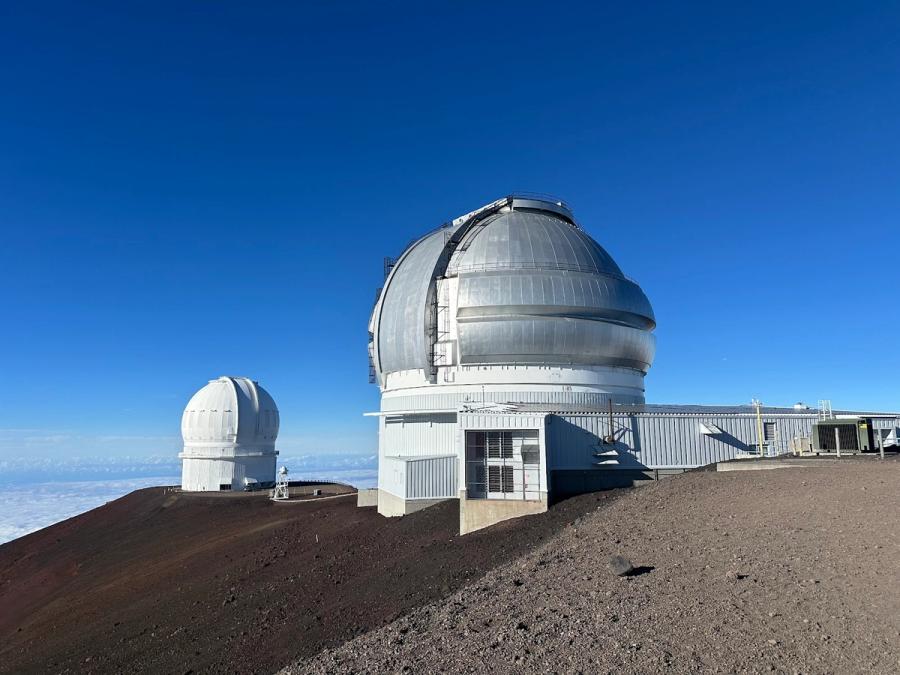
University of Hawaii 2.2-Meter Telescope
Add context to your summit visit by spotting this iconic University of Hawai‘i telescope.
Witness the University of Hawaii 2.2-Meter Telescope on the sacred Maunakea summit, a landmark for adventurous travelers seeking breathtaking high-altitude views, unique landscapes, and unparalleled stargazing opportunities.
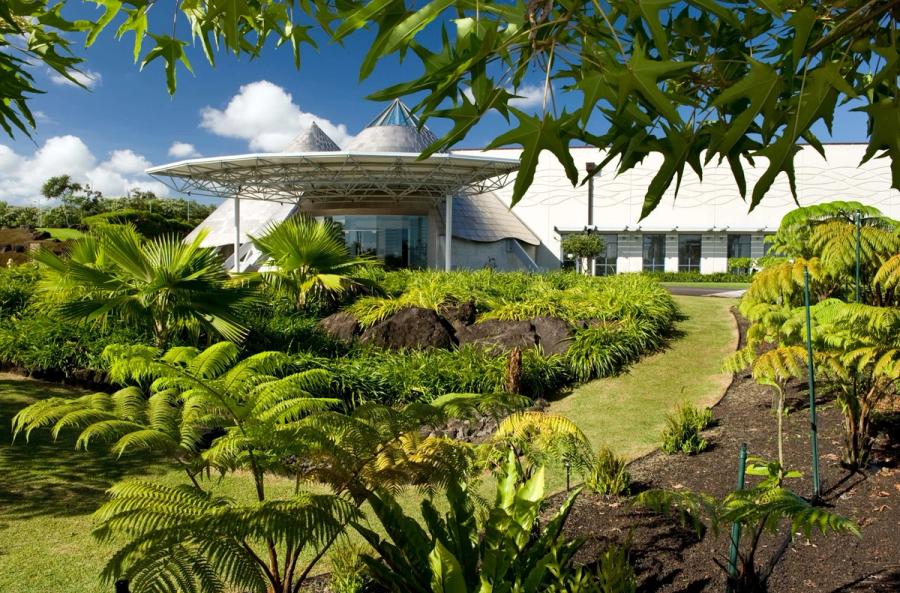
Imiloa Astronomy Center
Learn Mauna Kea’s sky science and Hawaiian cosmology before heading up the mountain.
Explore the universe through a unique blend of modern astronomy and ancient Hawaiian culture at this world-class education center in Hilo, featuring interactive exhibits, a state-of-the-art planetarium, and beautiful native gardens.