
Best Cultural Sites on Hawaiʻi Island
Hawaiʻi Island’s cultural landscape rewards travelers who prefer context over quick photo stops. Here, history isn’t confined to gallery walls; it’s layered into shoreline lava rock, upland forests, plantation-era towns, and the working communities that continue to carry ʻike (knowledge) forward. The best visits balance curiosity with respect—understanding that many places remain meaningful to families and practitioners today, not simply remnants of the past.
What makes this category especially compelling on the Big Island is its range and contrast. Royal legacy and civic history sit close to sacred architecture that predates Western contact by centuries. In the east, institutions interpret the island’s deep time—both geological and cultural—while leeward sites illuminate voyaging, governance, and daily life shaped by climate, agriculture, and ocean access. The result is an unusually complete story: how people organized society, fed communities, honored the gods, navigated by the stars, and adapted through upheaval and change.
The selections in this guide were chosen with clear criteria: cultural significance (as recognized through history, archaeology, and ongoing community relevance), interpretive quality (how well a site helps visitors learn without guesswork), accessibility (realistic for travelers to reach and experience responsibly), and variety (so the list doesn’t repeat the same type of stop). Practical considerations matter, too—clear wayfinding, the ability to visit without impacting sensitive areas, and opportunities to engage thoughtfully rather than rush through.
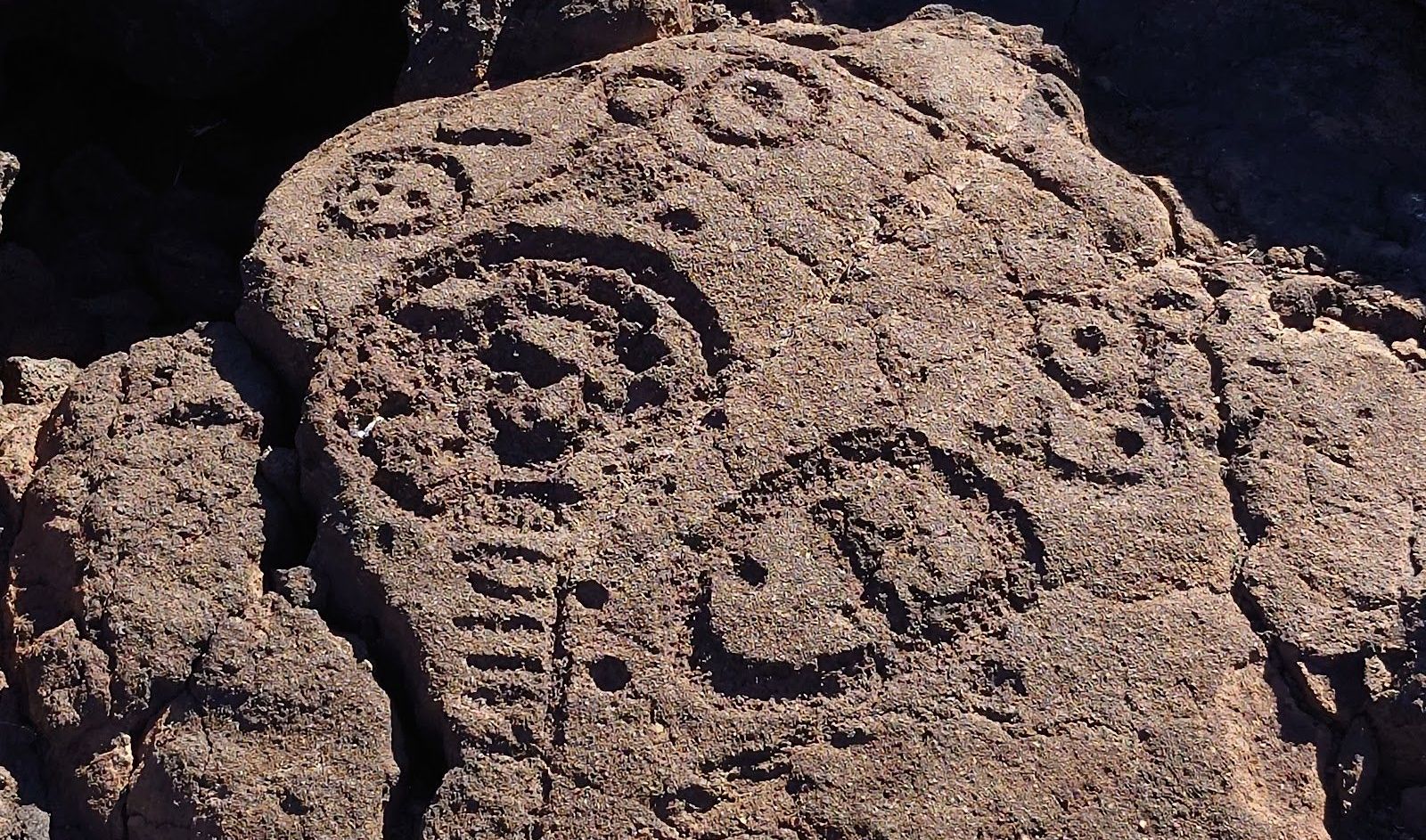
For a strong introduction to the island’s aliʻi era, Hulihe‘e Palace in Kailua-Kona offers a focused window into 19th-century leadership, material culture, and changing political realities. To step farther back in time, the Waikōloa Petroglyph Reserve presents kiʻi pōhaku (rock carvings) in a stark lava-field setting that encourages slow looking and careful footing. In Hilo, Imiloa Astronomy Center connects modern science with Hawaiian ways of knowing, creating a valuable bridge between contemporary astronomy and traditional relationships to the sky.
A few visit strategies elevate the experience. Plan around heat and rain—midday sun can be intense on the Kona side, while Hilo’s showers are frequent but often brief. Read posted guidance, stay on designated paths, and treat heiau and petroglyph areas as cultural landscapes rather than playgrounds. When possible, pair one indoor interpretive stop with an outdoor site to connect narrative with place.
With those principles in mind, the curated list below highlights Big Island cultural sites that offer depth, clarity, and a strong sense of where Hawaiʻi’s stories live today.

Hulihe‘e Palace
Tour Hulihe‘e Palace to understand Hawaiian monarchy through royal rooms and heirlooms.
Explore Hulihe‘e Palace, a historic Hawaiian royal retreat in Kailua-Kona, offering a captivating glimpse into the lives and artifacts of Hawaiian monarchy from the 19th century.
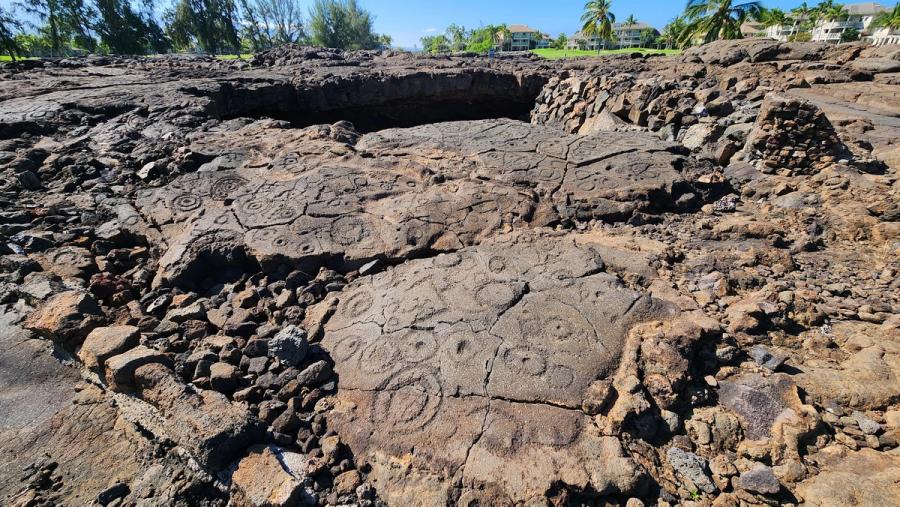
Waikōloa Petroglyph Reserve
Walk Waikōloa Petroglyph Reserve to read ancestral stories carved into volcanic stone.
Explore the Waikōloa Petroglyph Reserve, a significant cultural site on the Big Island preserving thousands of ancient Hawaiian rock carvings on an easy, well-marked trail.
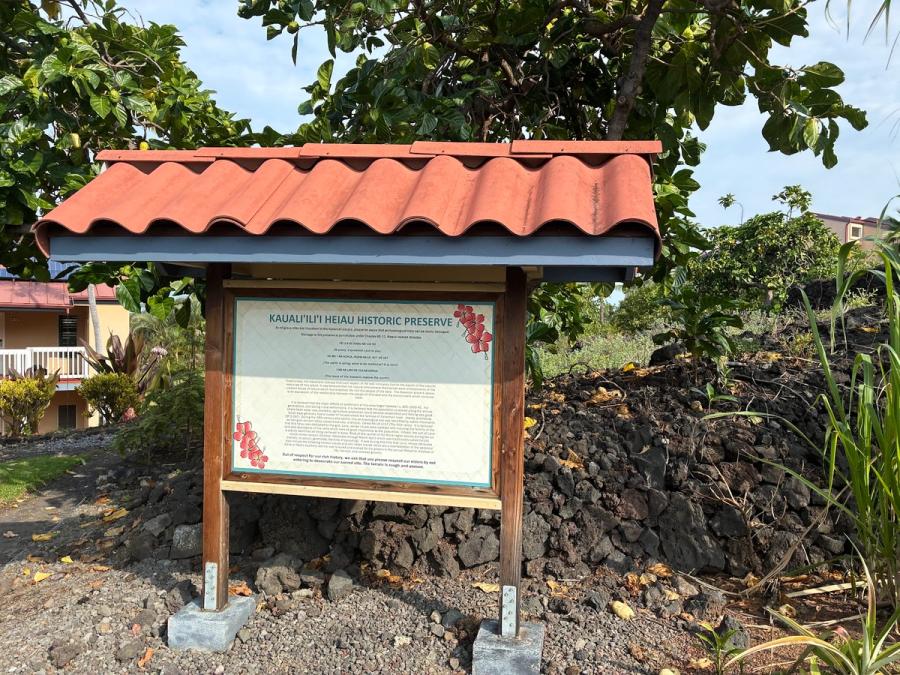
Kauali’ili’i Heiau Historic Preserve
Visit Kauali’ili’i Heiau to experience restored temple platforms and enduring ritual landscapes.
This historic preserve in Keauhou offers a quiet, reflective encounter with ancient Hawaiian culture, featuring the restored stone platforms of Hapaiali'i and Ke'eku Heiau, sacred temples that served as a solar calendar and sites for rituals.
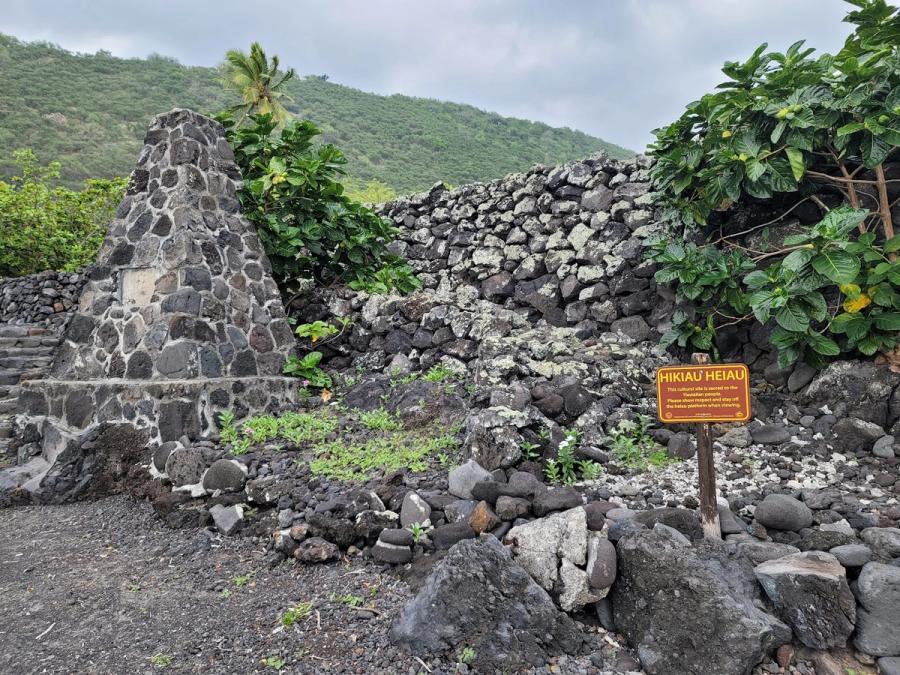
Hikiau Heiau
See Hikiau Heiau to learn how sacred ceremonies shaped early Kona community life.
Explore Hikiau Heiau, an ancient luakini (temple) at Napo'opo'o Beach, offering profound historical and cultural insights into early Hawaiian practices and Captain Cook's arrival.
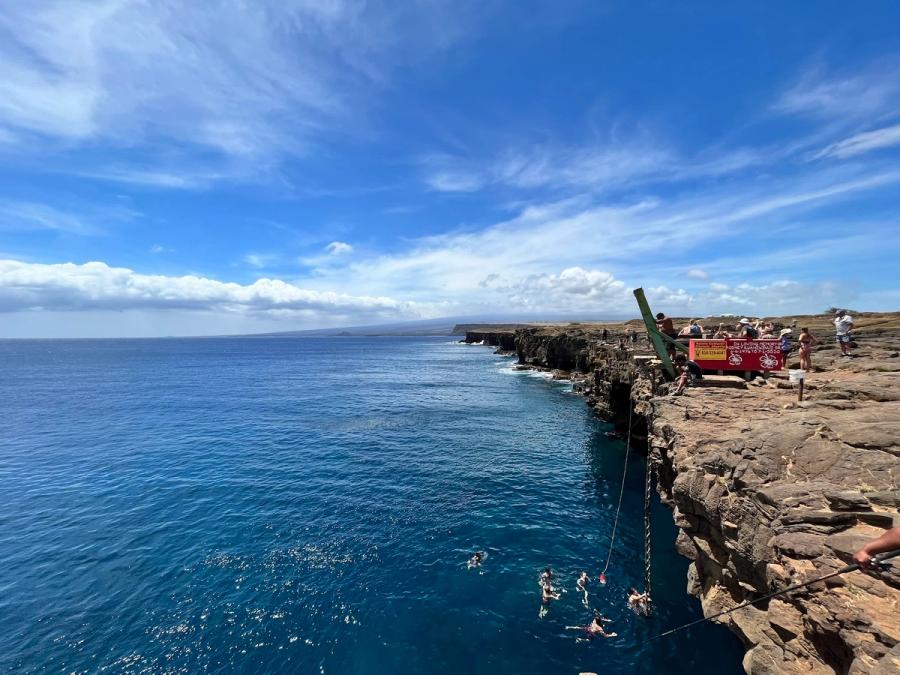
Kalalea Heiau
Stand at Kalalea Heiau to connect with fishing traditions and South Point voyaging.
Kalalea Heiau is an ancient Hawaiian fishing shrine (koʻa) at Ka Lae (South Point) on the Big Island, offering a profound connection to early Polynesian culture, sophisticated fishing techniques, and spiritual beliefs amidst stunning ocean views.
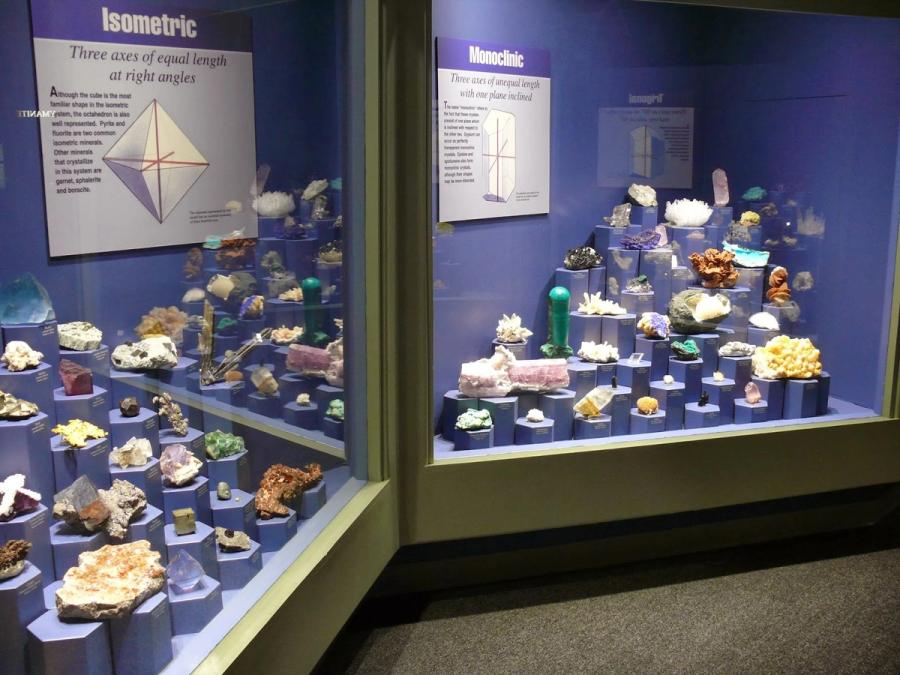
Lyman Museum
Explore Lyman Museum for curated artifacts linking island ecology with Hawaiian history.
Explore the Lyman Museum in Hilo to discover the Big Island's natural history, from volcanic origins to diverse ecosystems, alongside a rich journey through Hawaiian culture and missionary history.
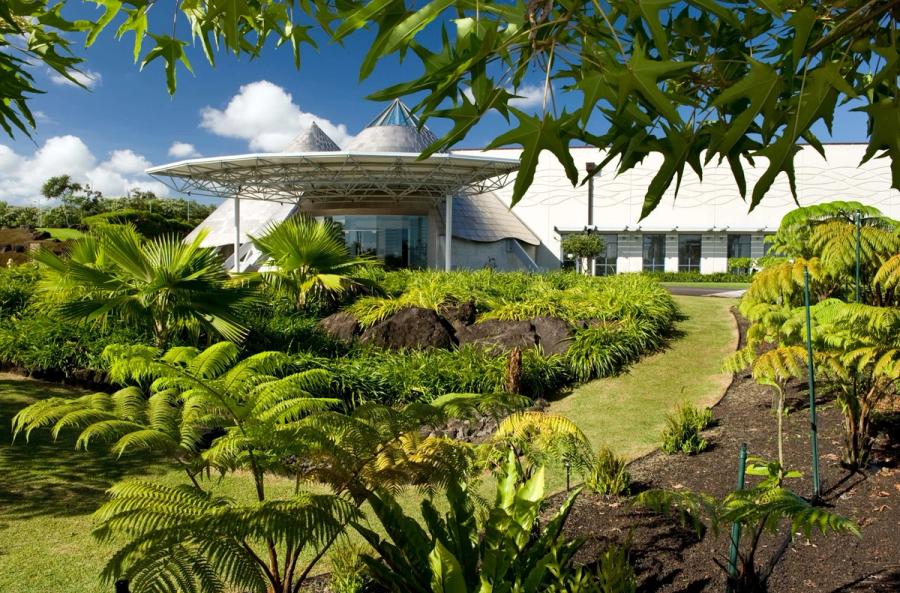
Imiloa Astronomy Center
Choose ‘Imiloa to see astronomy framed through Hawaiian navigation, chant, and cosmology.
Explore the universe through a unique blend of modern astronomy and ancient Hawaiian culture at this world-class education center in Hilo, featuring interactive exhibits, a state-of-the-art planetarium, and beautiful native gardens.
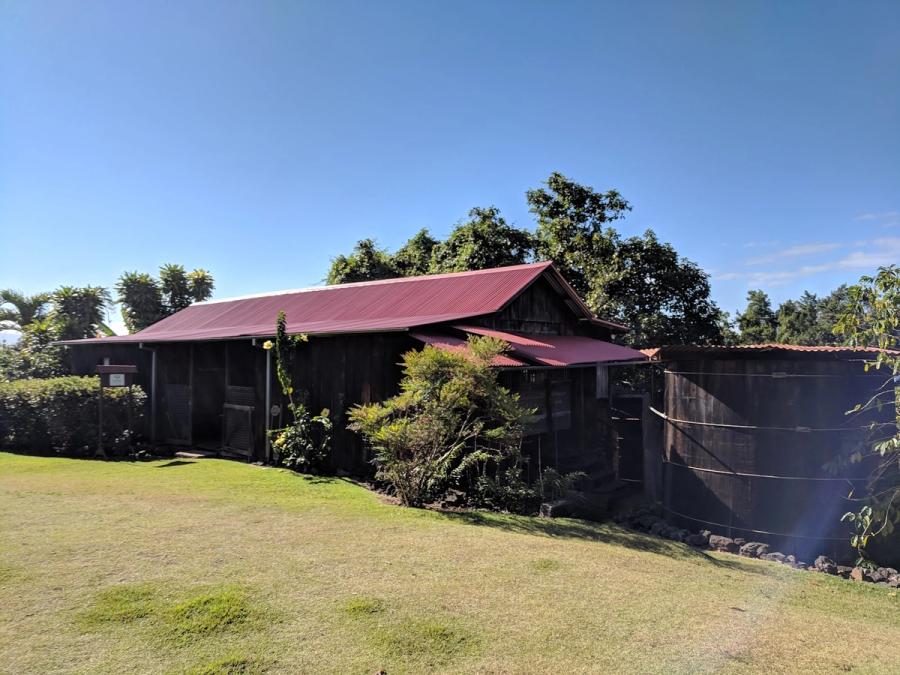
Kona Coffee Living History Farm
Visit Kona Coffee Living History Farm to grasp immigrant labor shaping today’s coffee culture.
Step back in time at this award-winning living history farm, exploring the daily lives of Japanese immigrant coffee pioneers from the early 20th century.