
Puna
Rainy small towns and young lava landscapes on the Big Island’s east side.
Puna is a lived-in stretch of Hawaiʻi Island where rainforest roads, small-town corridors, and lava-shaped coastline meet. It’s not a polished resort zone; it’s a place of neighborhoods, roadside stops, community gathering spots, and big reminders that this is an active volcanic landscape. Many visitors dip in from Hilo for a loop rather than settling in.
Best For
- Local east-side atmosphere
- Volcanic landscapes and recovery
- Market nights and music
- Rainforest drives and gardens
- Offbeat road-trip days
Trade-offs
- Dispersed, drive-between stops
- Frequent rain and humidity
- Limited sandy beach time
- Rough edges, modest services
Logistics & Getting Around
Puna works best by car: towns and sights are spread out, and you’ll stitch the day together via short drives. Weather shifts quickly from misty uplands to warmer coast, so pack light layers and keep an eye on conditions around
Areas in Puna
Signature Experiences in Puna
What Puna feels like
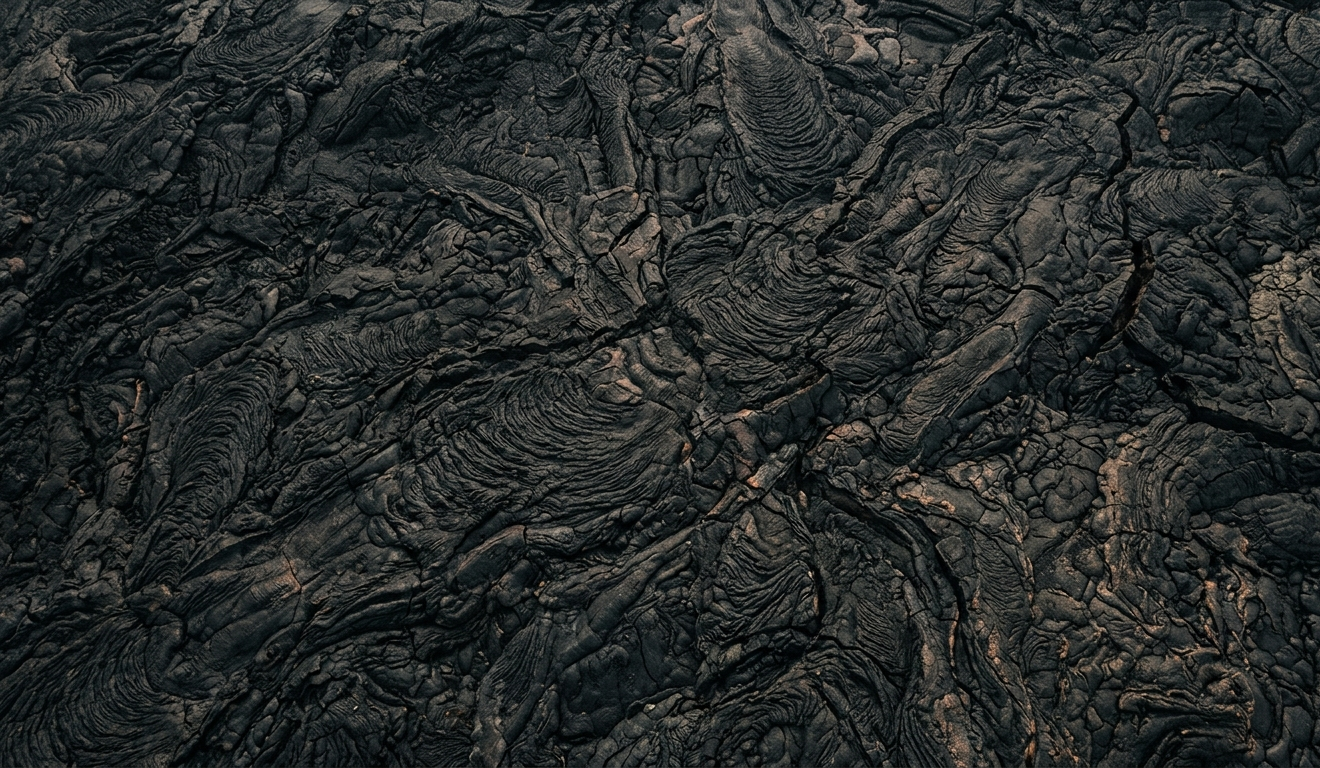
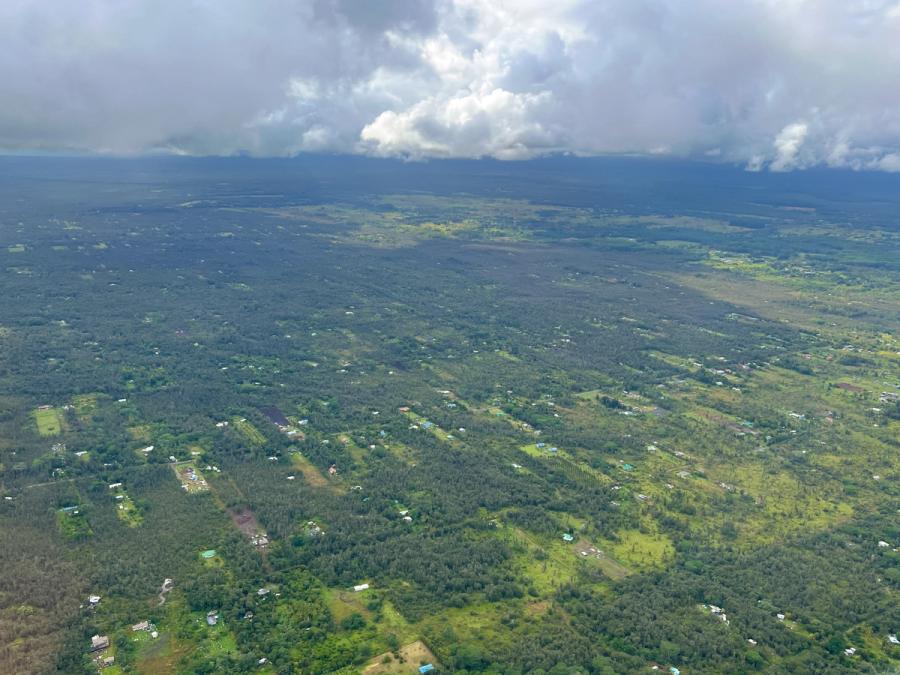
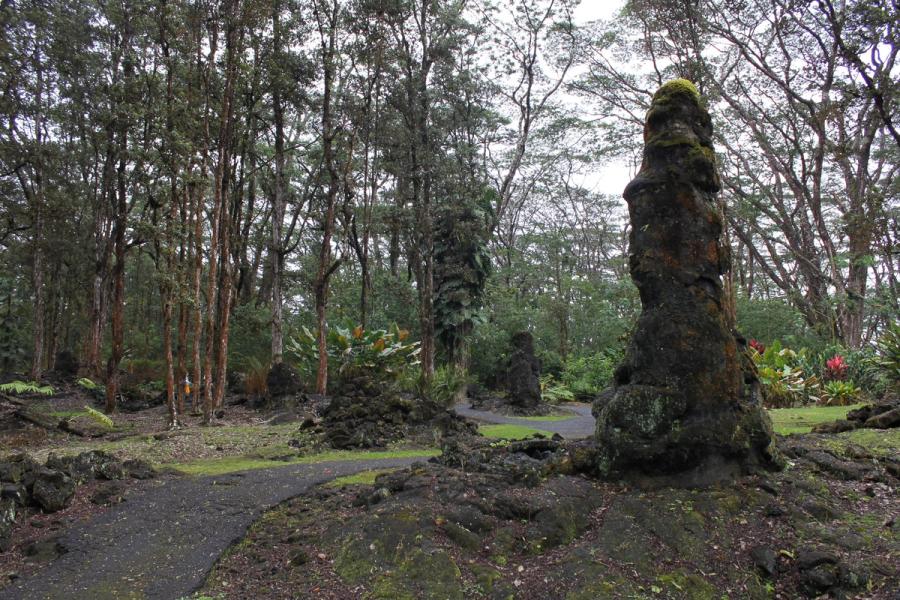
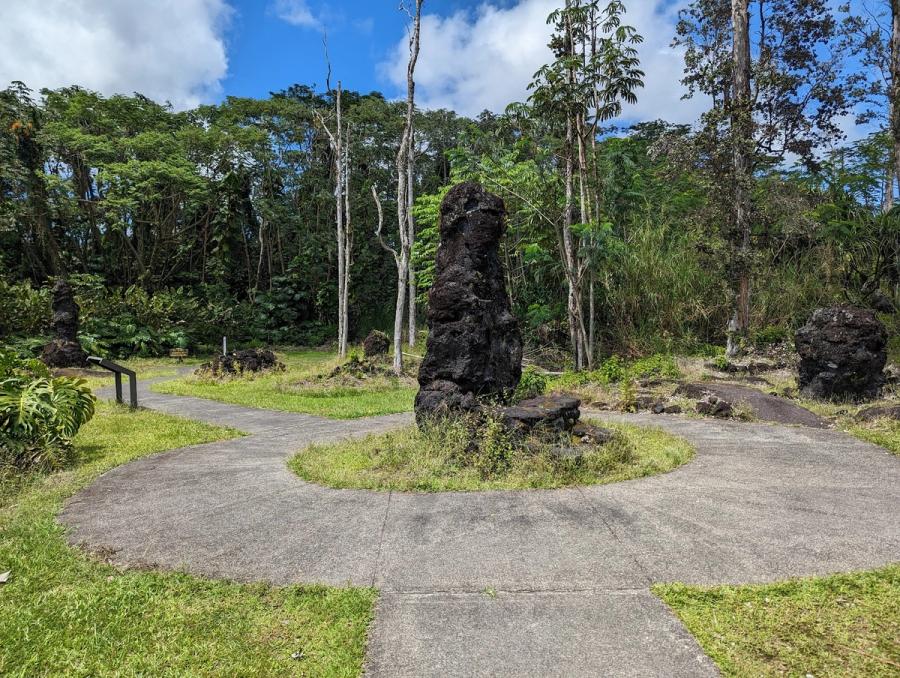
Puna is the Big Island’s greener, less-curated side: a region of wet air, flowering yards, simple storefronts, and roads that thread through real neighborhoods rather than resort complexes. The land story is always present. You’ll see newer lava, older jungle, and the in-between—places where communities have adapted to an island that keeps changing.
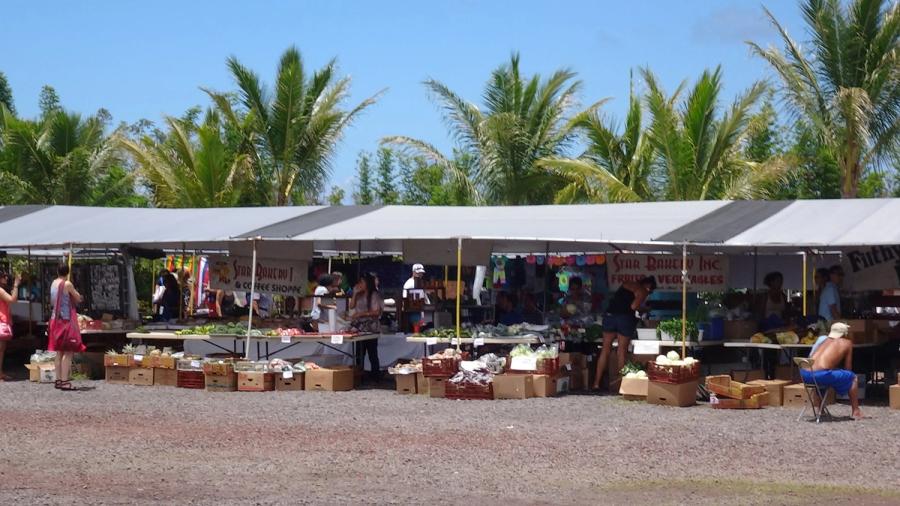
For travelers, Puna tends to be experienced in pockets. You drive in for a specific mood—local food, a market evening, a coastal viewpoint with lava underfoot—then drive on. That stop-and-go rhythm is part of the character: it feels more like exploring a working region than “doing” a single attraction district.
The region’s natural logic: uplands, town corridor, lava coast
Think of Puna as three bands.
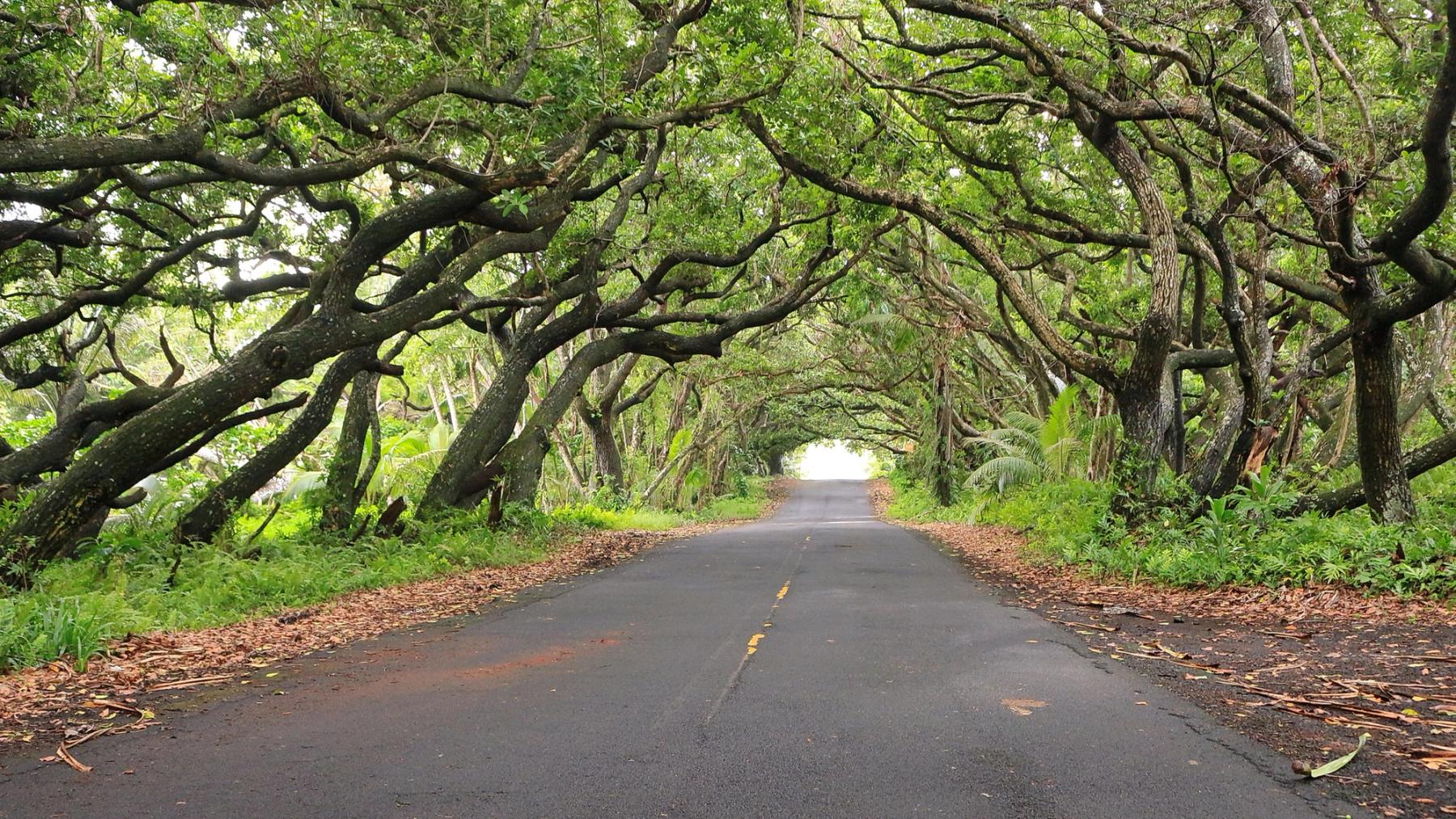
Mountain View and the uplands sit higher and cooler, with thick rainforest and an agricultural feel. It’s a good place to notice the east side’s lushness—mossy roadsides, passing showers, and the sense that you’re close to Hawaiʻi Volcanoes’ broader landscape even when you’re not inside the park.
Pāhoa and the town corridor form Puna’s day-to-day hub: services, casual places to eat, and a lived-in main-street scale. Nearby communities like Keaʻau and Hawaiian Paradise Park blend into this corridor’s fabric—more residential than “destination,” useful as part of the same practical zone when you’re grabbing supplies or dinner.
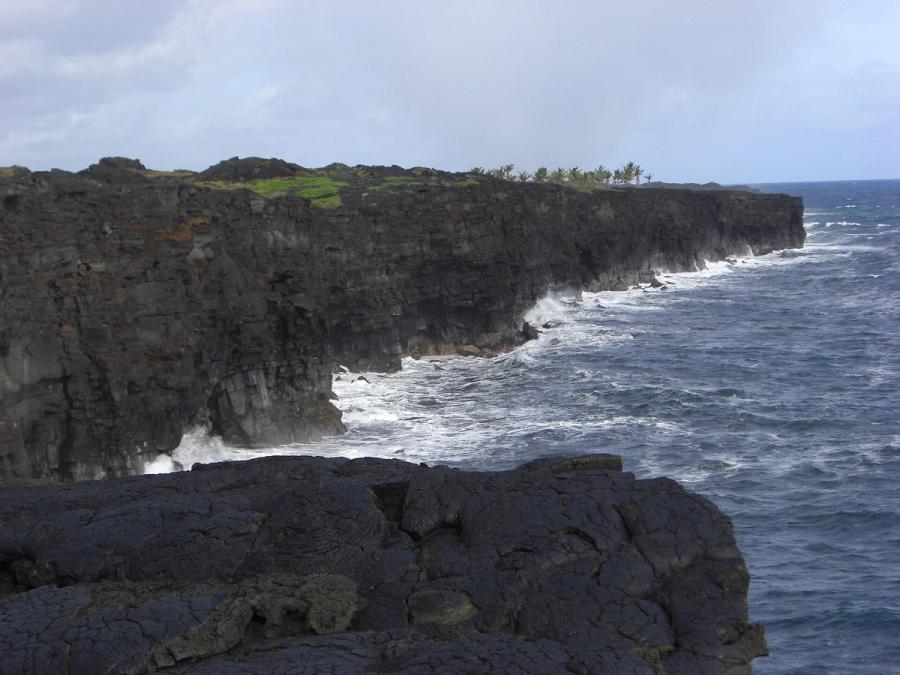
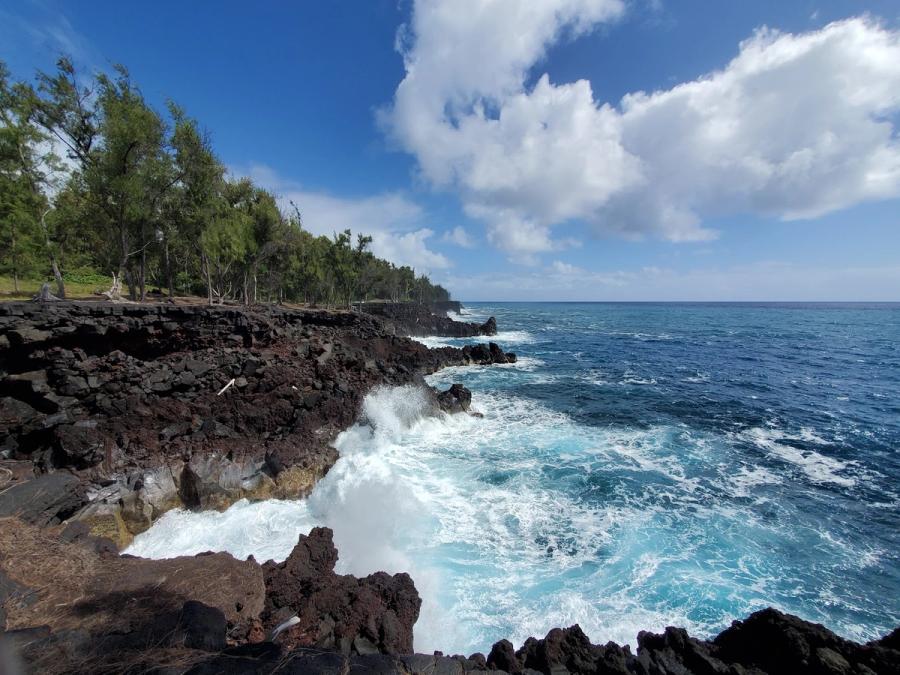
Kalapana and lower Puna feel like the end of the road. The scenery grows starker and more coastal, with wide lava fields and pockets of community that carry a strong sense of place. Uncle Robert’s ʻAwa Bar is a notable anchor for the area’s social energy—more gathering spot than tourist production, and a window into how people here come together.
How visitors usually use Puna
Many people fold Puna into an east-side loop from Hilo: a few town stops, something outdoors, and one deeper run toward the lower coast for that dramatic lava-shaped shoreline. It’s also a contrast day if you’ve been on the sunnier west side—expect more clouds, more green, and fewer polished conveniences.
Overnighting can make sense if you want quiet mornings, rainy-garden ambience, and time to catch community events without rushing. Just don’t expect a walkable resort core; Puna rewards travelers who are comfortable navigating by road and letting the region reveal itself in small scenes rather than big spectacles.
Can't decide where to stay? Get personalized advice.
Custom recommendations built from the web's most comprehensive Kauai guide.