
Pāhoa
Lower Puna’s lived-in corridor for errands, local flavor, and access to lava-country drives.
Good Fit For
- Practical base for Puna
- Local markets and cafés
- Rainy, lush east-side scenery
- Dispersed neighborhoods and farms
- Road-trip style exploring
Trade-offs
- Car required almost everywhere
- Limited classic beaches
- Scattered, not centralized
- Wet weather common
Logistics & Getting Around
This is a drive-oriented strip east of Hilo, with services spread between Keaʻau, Hawaiian Paradise Park, and Pāhoa. Expect short hops between stops, narrow local roads off the highway, and a good place to fuel up and provision before heading
Nearby Areas in Puna
Signature Experiences in Pāhoa
A corridor that feels like real life, not a resort
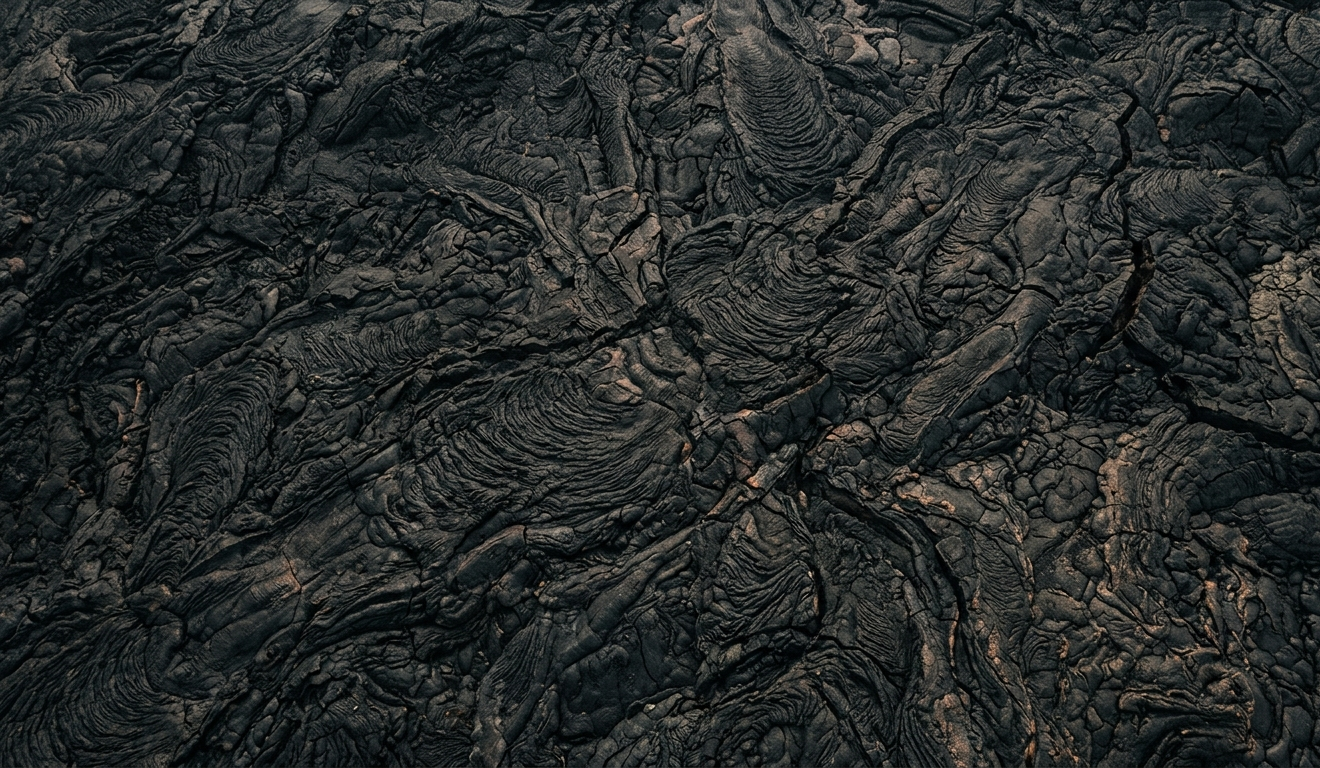
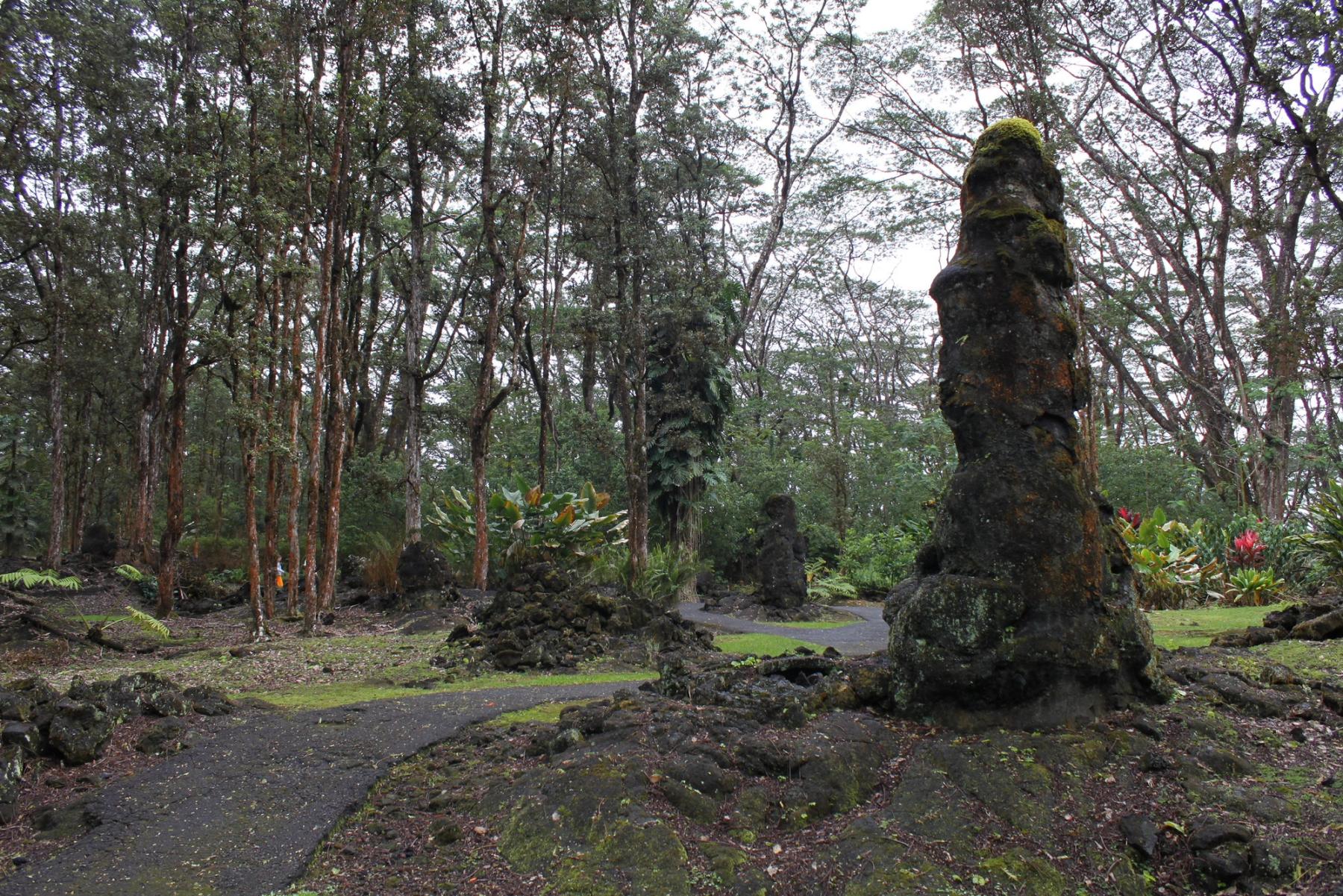
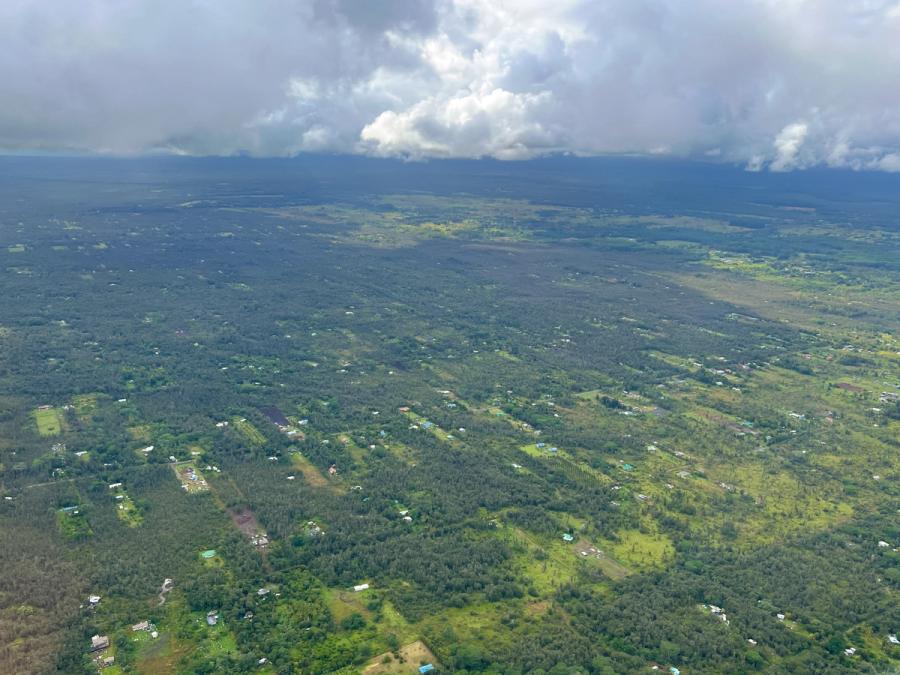
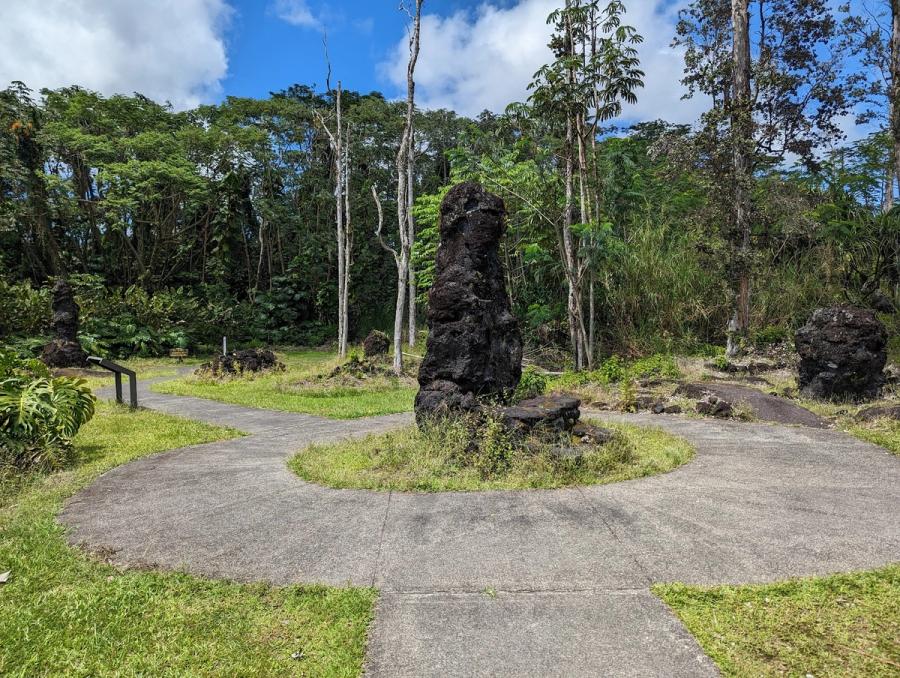
Pāhoa works best when you think of it as a lived-in lower-Puna corridor rather than a single “town attraction.” The landscape is classic windward Hawaiʻi: dense ʻōhiʻa and ferns, wet-green roadside growth, lava-stone yards, and long residential lanes that disappear into rainforest. Communities like Keaʻau and Hawaiian Paradise Park blend into the same everyday belt—more neighborhoods and small commercial nodes than a centralized visitor district.
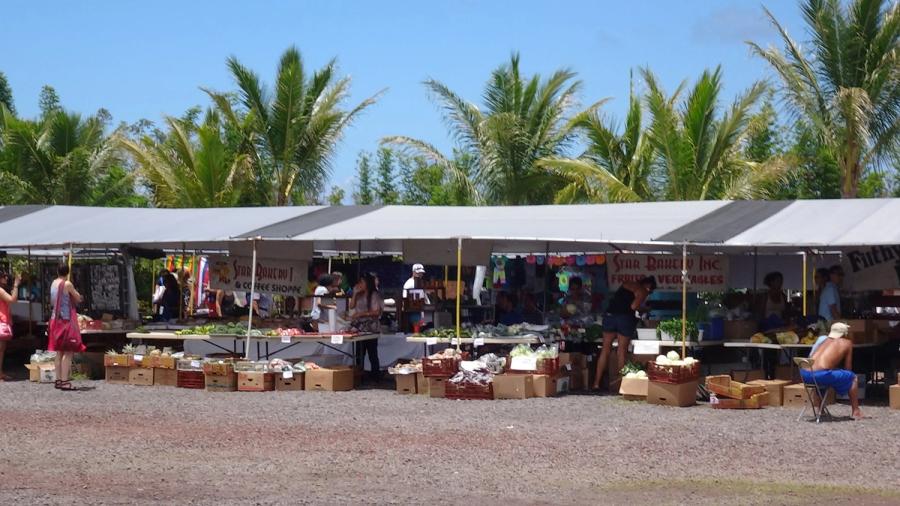
That everydayness is the appeal for the right traveler. You’ll find a modest, local rhythm: people running errands, grabbing takeout, meeting friends for coffee, and picking up produce. It’s not polished, and it isn’t trying to be. The reward is a clearer sense of how the east side functions day to day—especially compared with the more explicitly “destination” feel of the lava-coast farther down in Puna.
How visitors typically use it
Most travelers experience Pāhoa in practical bursts. It’s where you stop to stock the cooler, refuel, or reset plans when you’re routing between Hilo-side logistics and Puna outings. Because sights in this part of the island are often spread out—coast, lava features, and forest drives—having a corridor with groceries and casual meals can make the rest of the day smoother.
If you’re expecting a walkable main street that carries an entire afternoon, expectations matter. There are small clusters to browse, but the overall experience is “drive, park, do a quick stop, move on.” That’s also why it can make sense as a low-key base for east-side exploring: you’re positioned for multiple directions, just without resort-style conveniences.
Setting, beaches, and the feel of the coastline
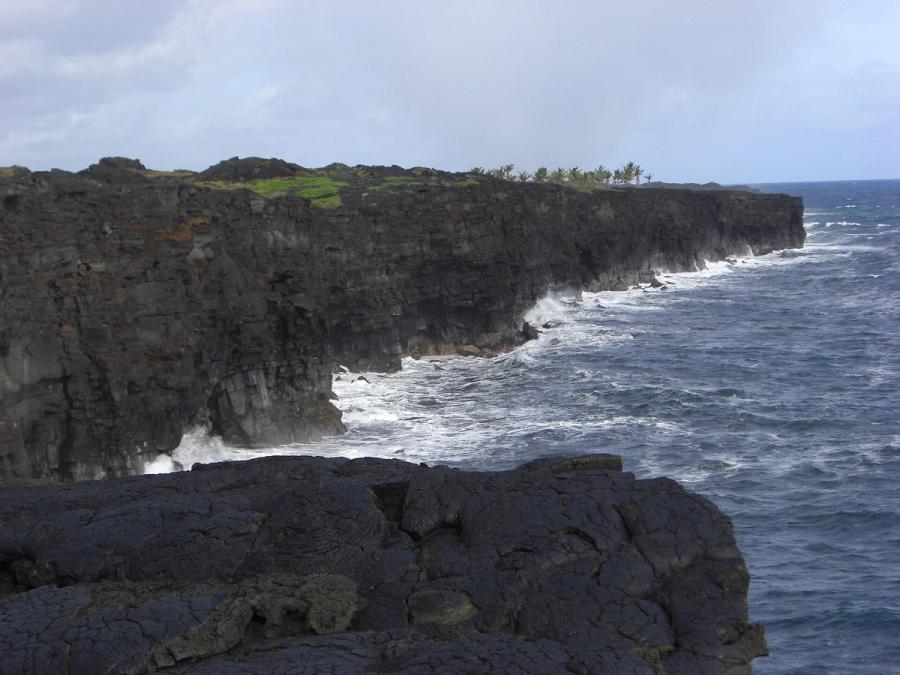
Lower Puna’s shoreline is dramatic but not beachy in the classic sense. Much of the coast is exposed lava rock with pockets of ocean access that can be conditions-dependent. For sandy swimming beaches and calm water, many people end up driving elsewhere.
The trade is atmosphere. Between rain showers, black lava, and thick vegetation, the area has a moody, elemental character that’s distinctly different from the island’s sunnier leeward side.
A quick note on nearby context
Mountain View sits more inland and upland—cooler, quieter, and on a different travel rhythm—while Kalapana leans into the remote lava-coast excursion feel. Pāhoa is the connector: where you handle the basics before committing to the farther-flung parts of Puna.

Can't decide where to stay? Get personalized advice.
Custom recommendations built from the web's most comprehensive Kauai guide.