
Kalapana
A remote lower-Puna lava coast where roads end and the shoreline keeps changing.
Good Fit For
- Lava-coast scenery seekers
- Sense-of-place travelers
- Road-trip day detours
- Quiet, rural surroundings
Trade-offs
- Very limited services
- Not a swimmable beach hub
- Long drives, backtracking
- Conditions can change
Logistics & Getting Around
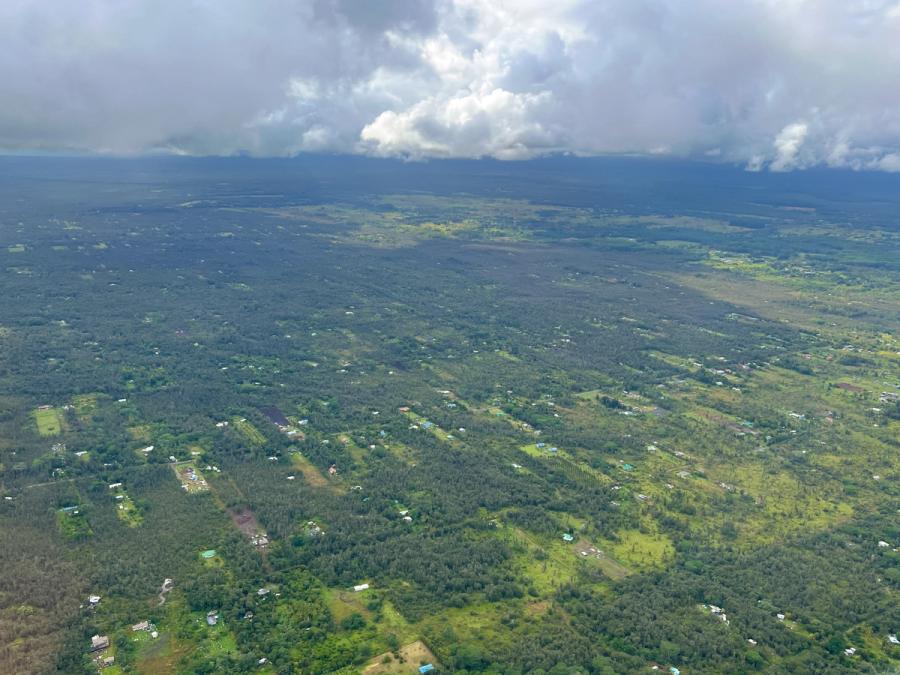
Kalapana sits at the far end of Lower Puna roads, typically reached by car from Pāhoa or the Hilo side. Expect sparse amenities, patchy cell service, and a landscape shaped by recent lava flows—check current access and conditions before you
Nearby Areas in Puna
Signature Experiences in Kalapana
The feel of Kalapana
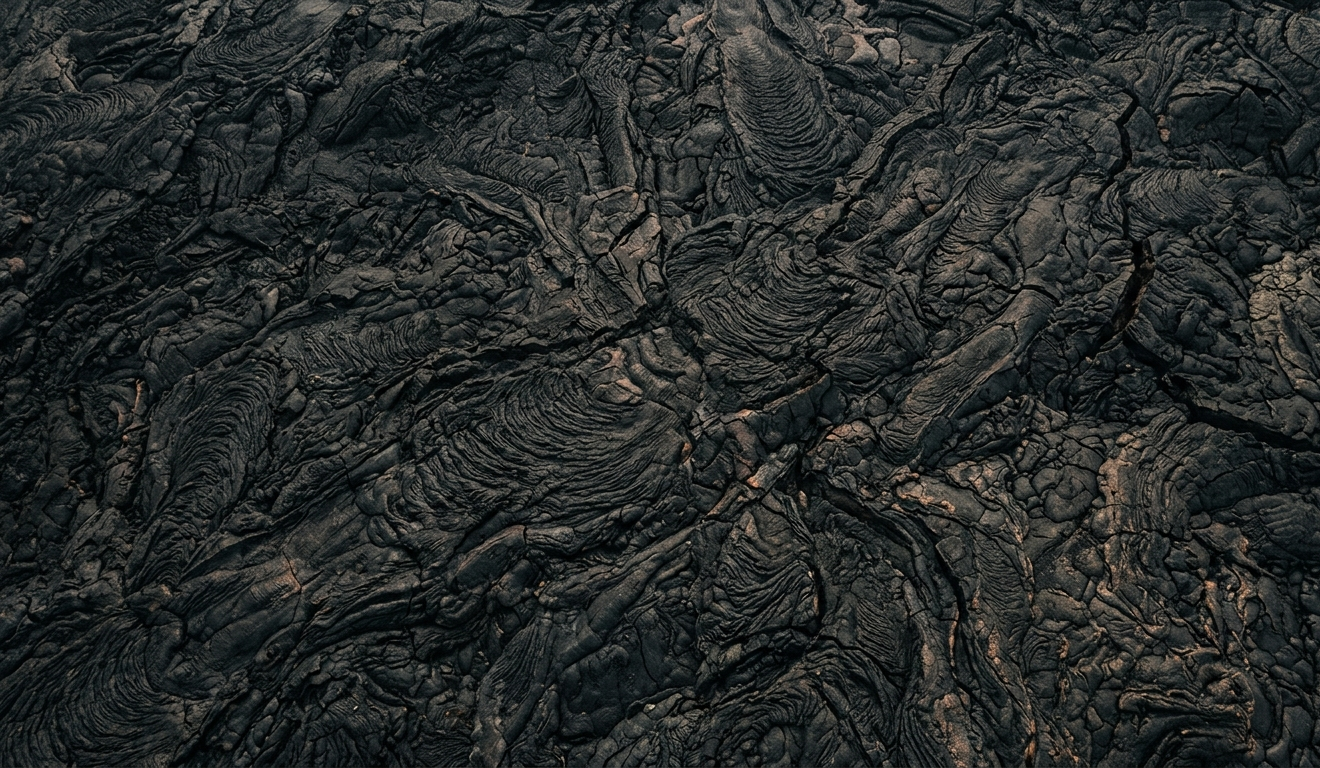
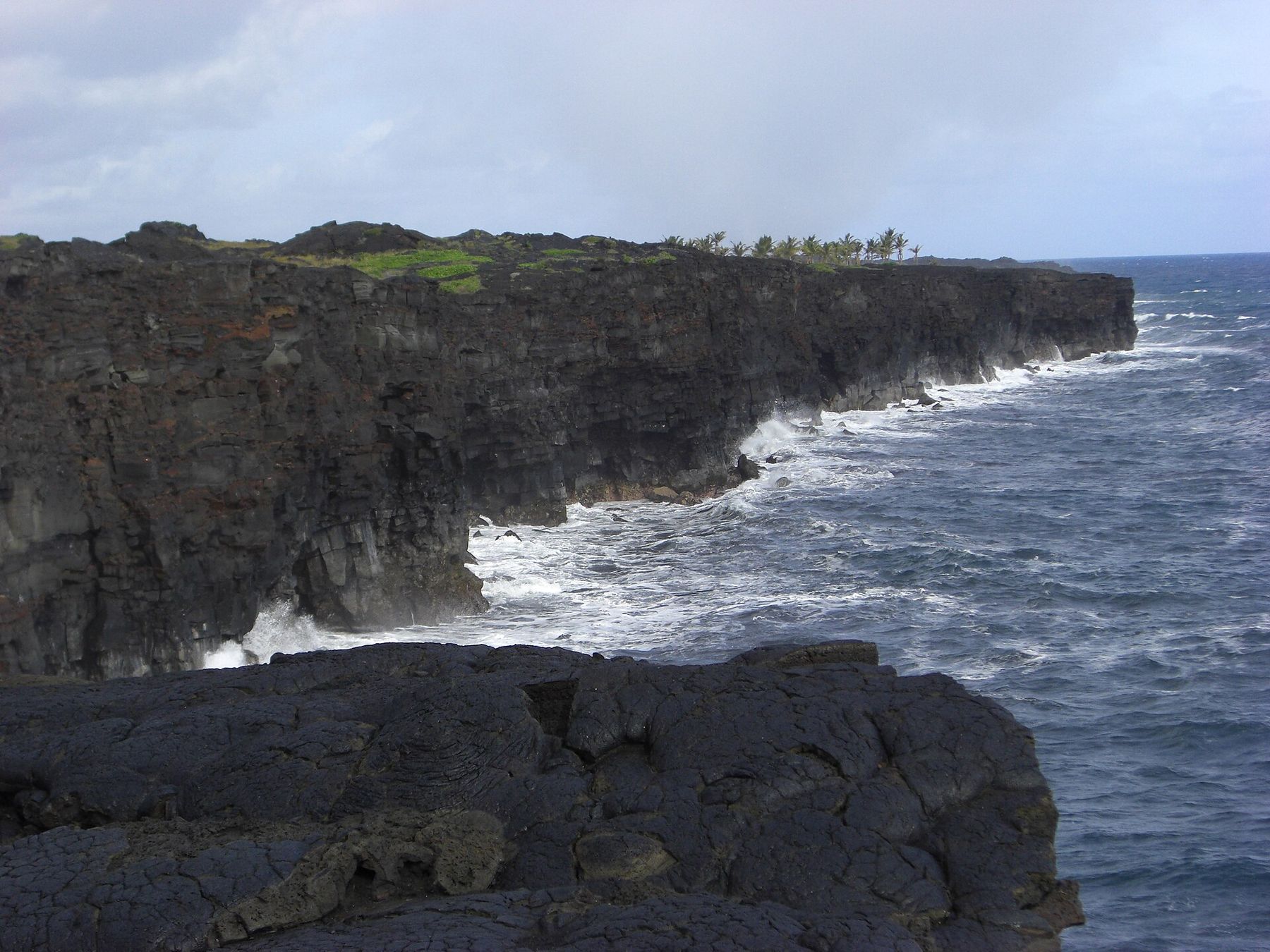
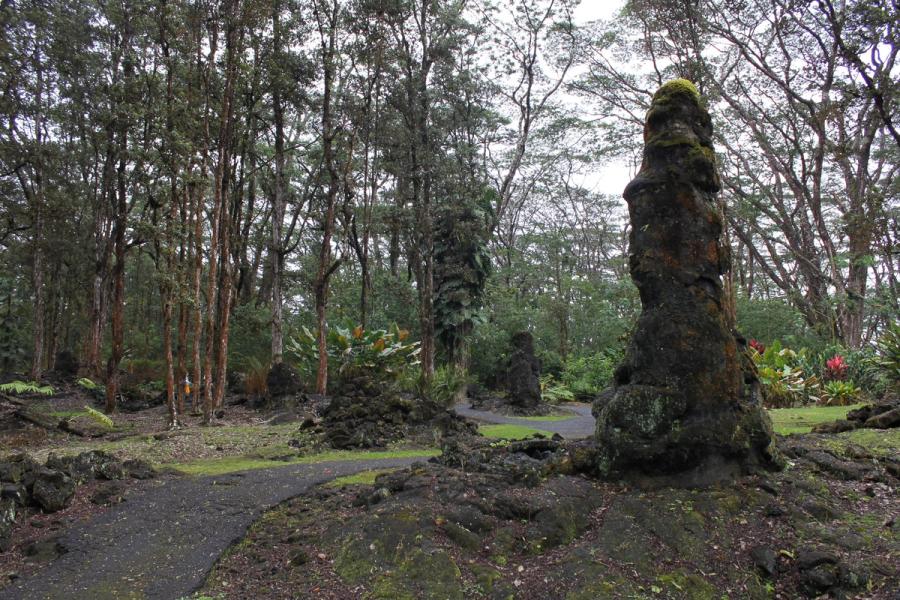
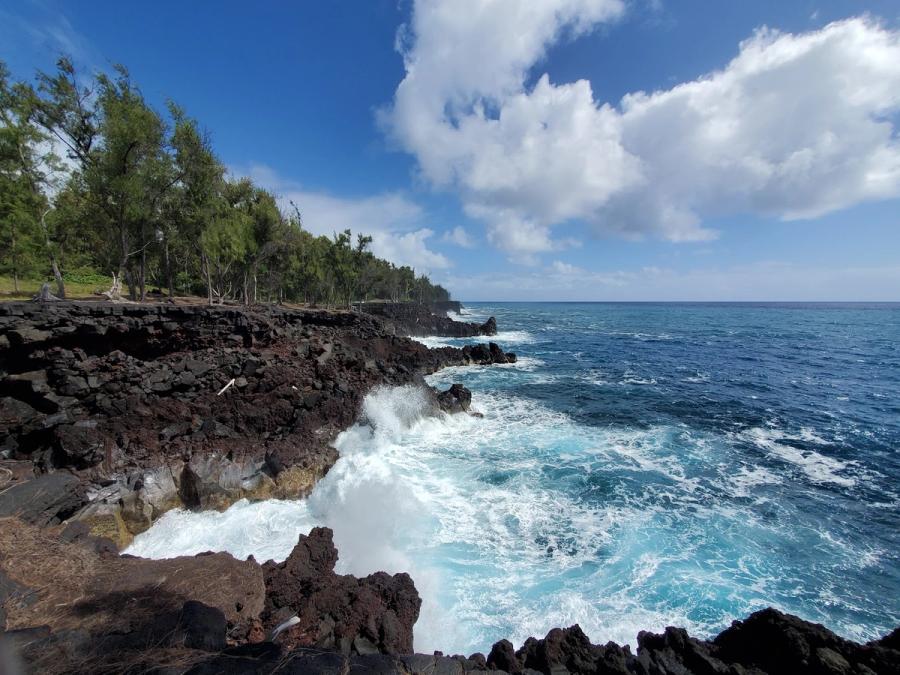
Kalapana is Lower Puna at its most elemental: a low, wide coastal plain of hardened lava, bright green pockets of vegetation, and an ocean edge that looks both inviting and unforgiving. It doesn’t read like a town so much as a place-name for a coastline with history—cultural, geological, and very recent. You come for the sensation of being at the edge of settled roads, where the land is still visibly in conversation with Kīlauea.
The Kaimū coast is part of that identity. The shoreline here has been repeatedly reshaped by eruptions, and the “beach” story is as much about what has been buried, rebuilt, or shifted as it is about a classic day-at-the-water. Expect dramatic textures—black rock, wind-combed ironwood, and long ocean views—rather than a protected swimming cove.
How people usually experience it
Most visitors treat Kalapana as a purposeful outing: drive out, spend time at a few coastal viewpoints and lava-field edges, then turn around and head back toward the more serviced parts of Puna. The appeal is concentrated and atmospheric. You’re not collecting a string of walkable stops; you’re letting the landscape set the pace.
A local anchor that gives the area some social gravity is Uncle Robert’s ʻAwa Bar, which many travelers recognize as part of Lower Puna’s lived-in character. It’s a reminder that Kalapana isn’t just scenery—it’s also community, with its own rhythms that don’t always align with visitor timetables.
What it’s not—and why that matters
Kalapana isn’t a convenient hub, and it’s not where you come for a dense strip of restaurants, easy beach time, or polished infrastructure. Services are sparse, distances are real, and the environment is exposed—sun, wind, and sudden rain can all factor into how long you linger. If you want variety and convenience, base your day elsewhere (Pāhoa is the practical nearby center) and treat Kalapana as the memorable end point.
The reward for that effort is perspective: a close look at Hawaiʻi Island’s ongoing creation, and a quiet stretch of coast where the story of place is written in lava underfoot.

Can't decide where to stay? Get personalized advice.
Custom recommendations built from the web's most comprehensive Kauai guide.