
Mountain View
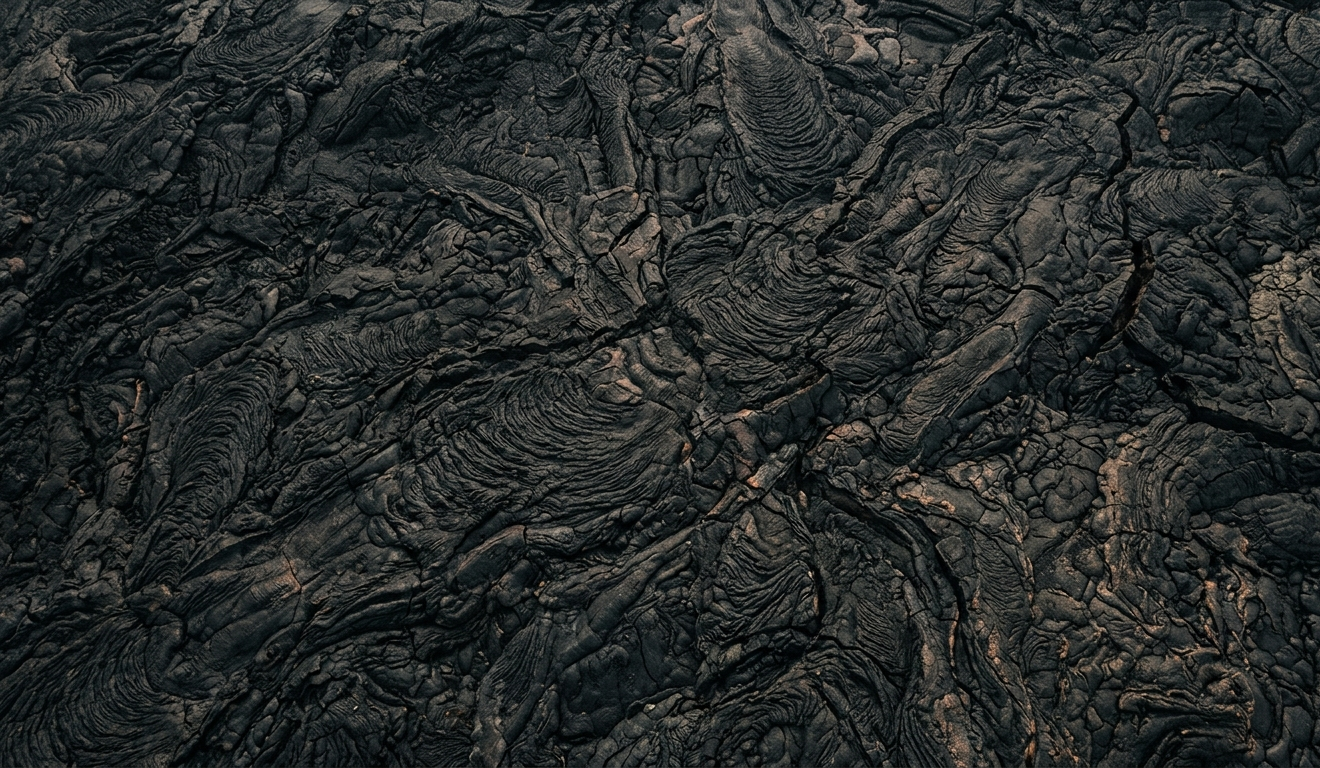
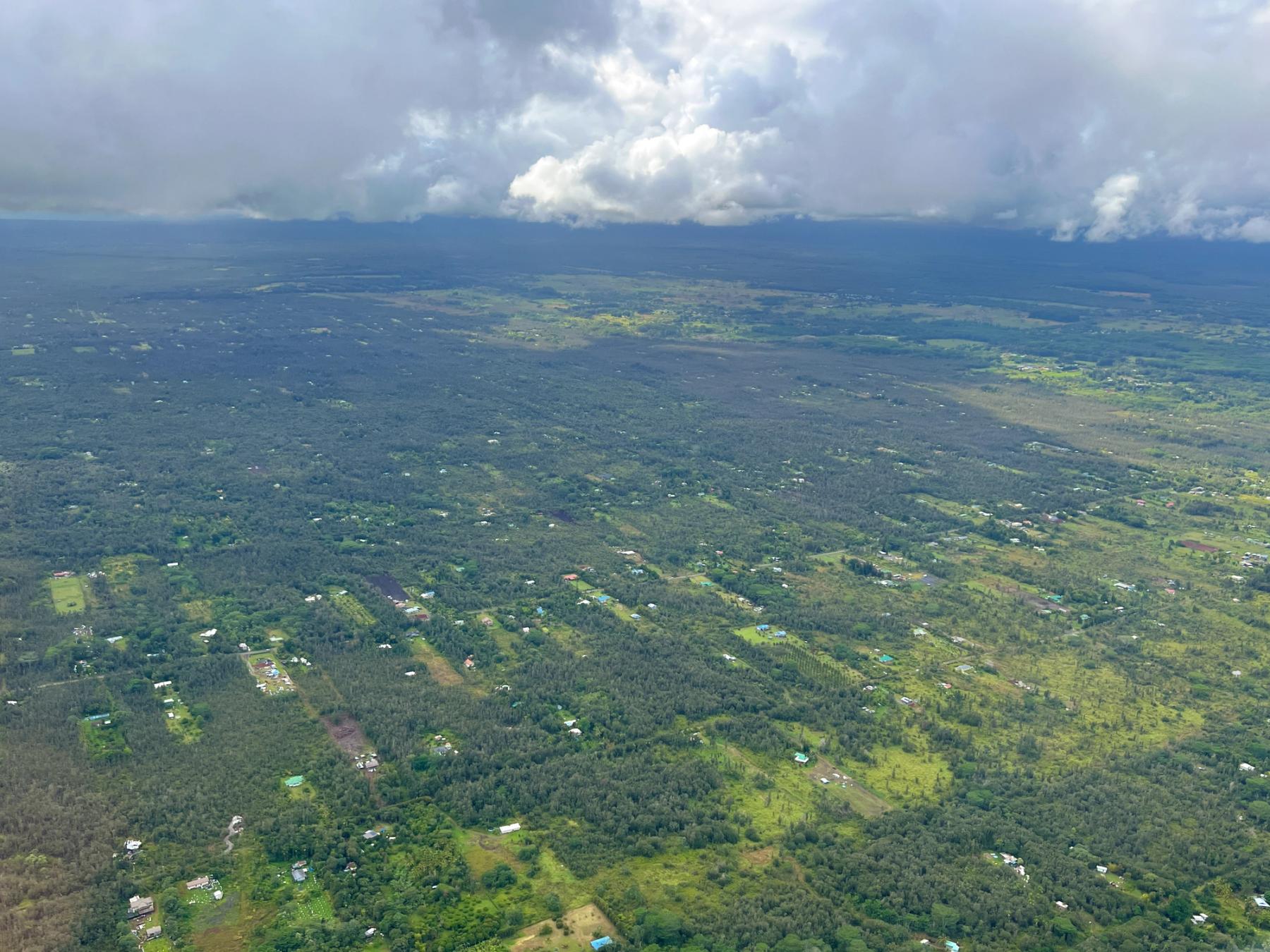
A cool, rainy inland stretch of upper Puna—green, lived-in, and in-between.
Good Fit For
- Upper Puna positioning
- Quiet residential roads
- Cooler wet-side climate
- Practical drive-through stops
Trade-offs
- Scattered, not walkable
- Few headline sights
- Frequent rain and mist
- Car required for everything
Logistics & Getting Around
This is an inland corridor between Hilo-side routes and lower Puna. Expect quick drive times between small junctions but slower going on narrow subdivision roads. Conditions are often wet; plan for mud and limited cell reception in pockets.
Nearby Areas in Puna
The feel: upper-Puna green, not a “town” experience
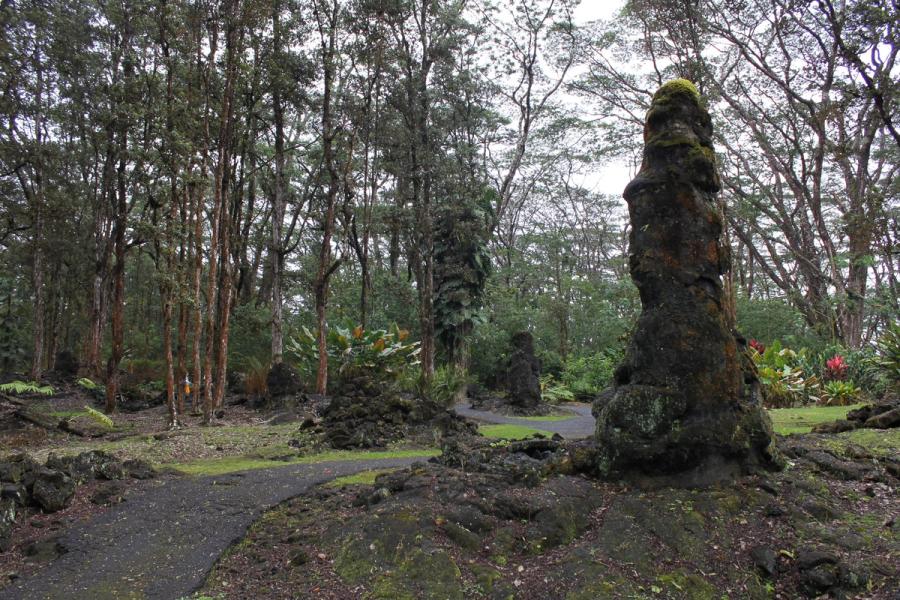
Mountain View is less a single destination than a lived-in upland band of Puna—Mountain View proper plus nearby Kurtistown and Orchidlands—where the landscape reads as rain-polished: dense roadside greenery, filtered light, and frequent mist. You’re on the wet side of Hawaiʻi Island and a bit higher in elevation than the coastal lava plain, so the air often feels cooler and the vegetation more lush. The vibe is residential and practical rather than visitor-forward: mailboxes, farm stands when you find them, small service stops, and long stretches where there’s little to do except keep driving.
How travelers actually use it
Most people experience Mountain View as connective tissue. It’s the inland stretch you pass through while moving between Hilo’s airport-and-supplies reality and lower Puna’s more talked-about stops around Pāhoa and down toward the lava coast. That role matters: it can be a calmer, less touristy place to reset your day, pick up essentials where available, and get a sense of how many East Hawaiʻi communities function away from resort strips.
If you’re drawn to quiet, this area can also work as a low-key base by feel—cool nights, lots of green around you, and fewer of the “destination” cues found closer to the coast. Just don’t expect a village center with shops you can stroll between. Planning tends to be car-first: you sleep, you drive, you do the day elsewhere.
What it isn’t (and why that’s useful)
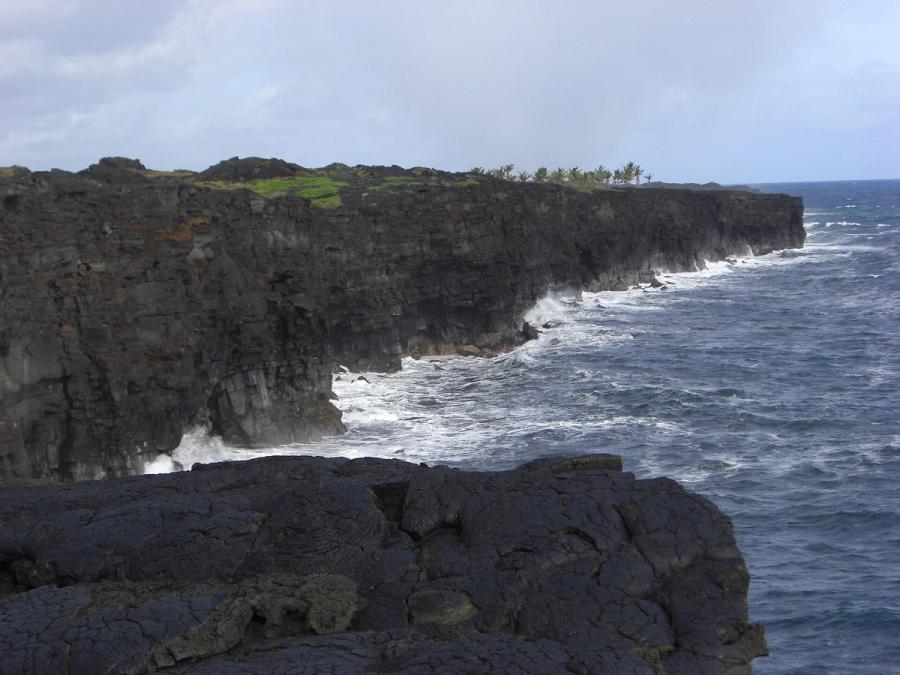
Mountain View is not the lava-coast Puna of travel posters. For black sand, raw shoreline, and the sense of remoteness that pulls people toward Kalapana, you’ll still be committing to a drive. Likewise, for a more concentrated cluster of eateries and everyday browsing, Pāhoa generally feels more like the local hub.
In Mountain View, the reward is subtler: a glimpse of East Hawaiʻi’s rainy interior—orchards and gardens, big skies when they open up, and the steady, non-scenic rhythm of real neighborhoods. Come with flexible expectations, rain readiness, and a plan to use the area as a quiet in-between rather than the main event.
Can't decide where to stay? Get personalized advice.
Custom recommendations built from the web's most comprehensive Kauai guide.