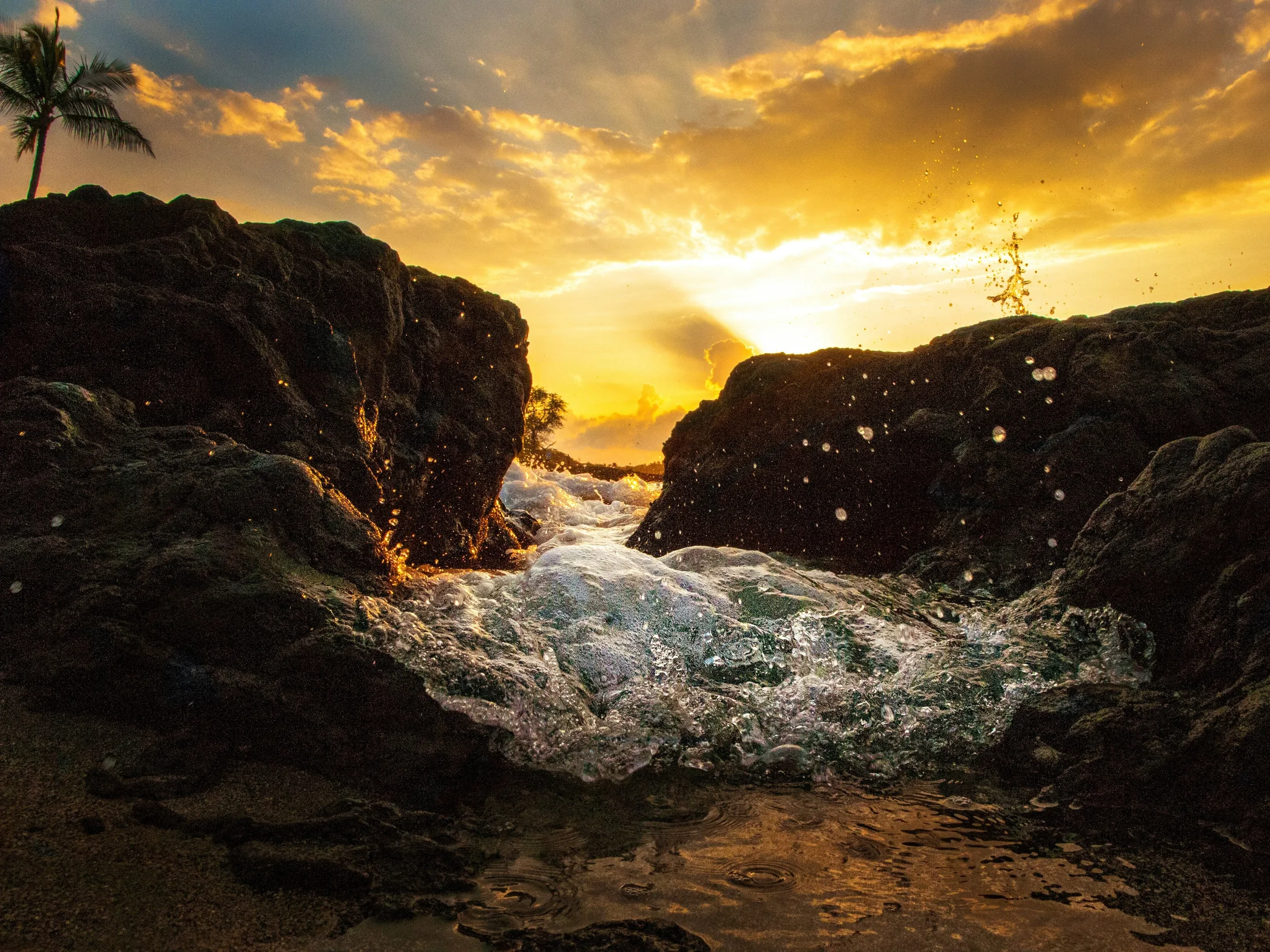


Rain on Hawaiʻi Island is not one problem. It can be five different weather stories happening at once.
Kona might have a gray morning that turns into beach weather by lunch. Hilo may be wet, green, and still perfectly usable for cafés, museums, and waterfall viewpoints. Volcano can be cool and misty even when the coast is bright. Waimea may feel like a different island altogether, with ranch-country clouds moving across the hills.
That is the first rule of a Big Island rainy-day plan: don’t ask, “Is it raining?” Ask, “Where is it raining, and what kind of day do we want now?”
Hawaiʻi Island rewards travelers who can pivot without trying to rescue every original plan. The island is large, the drives are real, and chasing sun just because it exists somewhere on the map can turn a relaxed vacation day into a windshield marathon. A better backup plan is local, regional, and honest about scale.
Start with the island’s weather map in your head
The simplest way to think about Hawaiʻi Island:
Kona and the Kohala Coast are generally the drier leeward side, especially along the lower coast. Hilo, Hāmākua, and much of Puna sit on the wetter windward side, where rain is part of the landscape’s character. Volcano Village and Hawaiʻi Volcanoes National Park are higher, cooler, and often misty or rainy even when the shoreline is clear. Waimea and North Kohala can be green, breezy, and cool, while the nearby Kohala Coast may be much drier. Kaʻū and the southern side can feel spacious and exposed, with weather that changes quickly across open land.
This doesn’t mean one side is “good” and one side is “bad.” It means your backup plan should match the region you’re already in.
If you’re staying in Kona and it rains for an hour, you probably don’t need to flee to Hilo. If you’re staying in Hilo and the forecast looks wet all day, the better move may be to enjoy Hilo properly rather than spend half the day driving to a beach that may or may not be sunny when you arrive.
Pivot by region, not by panic
A rainy-day backup plan works best when it is loosely attached to your original itinerary.
If your beach morning gets washed out, swap in a coffee farm visit, a long lunch, or a town stroll nearby. If a volcano viewpoint is fogged in, spend more time with the park’s indoor exhibits or choose a short, paved walk instead of a long muddy trail. If a boat trip is canceled, use that window for something you would have been too rushed to enjoy otherwise.
The Big Island is not a place where every backup should involve “just drive to the other side.” Sometimes that’s the right call. Often, it isn’t.
If it rains in Kona or along the Kohala Coast
Rain on the leeward coast often passes in waves, especially compared with the windward side. Unless the day is truly socked in, give it a little time before rewriting everything.
A good Kona-side pivot might look like this: slow breakfast, coffee-country wandering upslope, a sheltered lunch, then a late-afternoon beach check once the clouds have moved.
The Kona coffee belt is one of the easiest rainy-day swaps because light showers and cooler air can suit the mood. Many farms and tasting rooms are partly covered or indoors, and the pace is forgiving. You are not trying to make the day feel like a consolation prize; you are giving it a different center of gravity.
Kailua-Kona town also works well in unsettled weather if you keep expectations simple: browse shops, sit down for a proper meal, get coffee, watch the water between showers, and don’t over-schedule.
Farther north, the Kohala Coast is often your best bet for a sunnier spell, but weather still isn’t uniform. A resort area can be dry while Waimea is misty, or Waimea can be cool and pleasant while the coast feels windy and gray. That short elevation change matters.
If it rains in Hilo
Hilo is not ruined by rain. Hilo is, in many ways, made by rain.
This is the side of the island where you can stop treating showers as an interruption and start planning around them. A wet Hilo day can be a good day for museums, galleries, bookstores, cafés, local shops, and a slower lunch than your beach schedule would have allowed.
Waterfall viewpoints can be especially rewarding after rain, as long as you treat them as flexible stops rather than fixed obligations. Places like Rainbow Falls and ʻAkaka Falls are often part of a Hilo-side day, but visibility, access, and comfort can change with weather.
Hilo also gives you an easy pivot toward Volcano if you’re curious about the park and don’t mind mist. That said, rain in Hilo does not guarantee a better day at higher elevation. Volcano can be cooler, wetter, and foggier. Go because you want the atmosphere of the forest, craters, steam, lava rock, and geology — not because you expect clear postcard views on command.
If Volcano is wet or foggy
Volcano weather deserves its own expectations. At higher elevation, it can feel like someone changed the island’s season while you were driving. Bring a real layer, not just beach clothes and optimism.
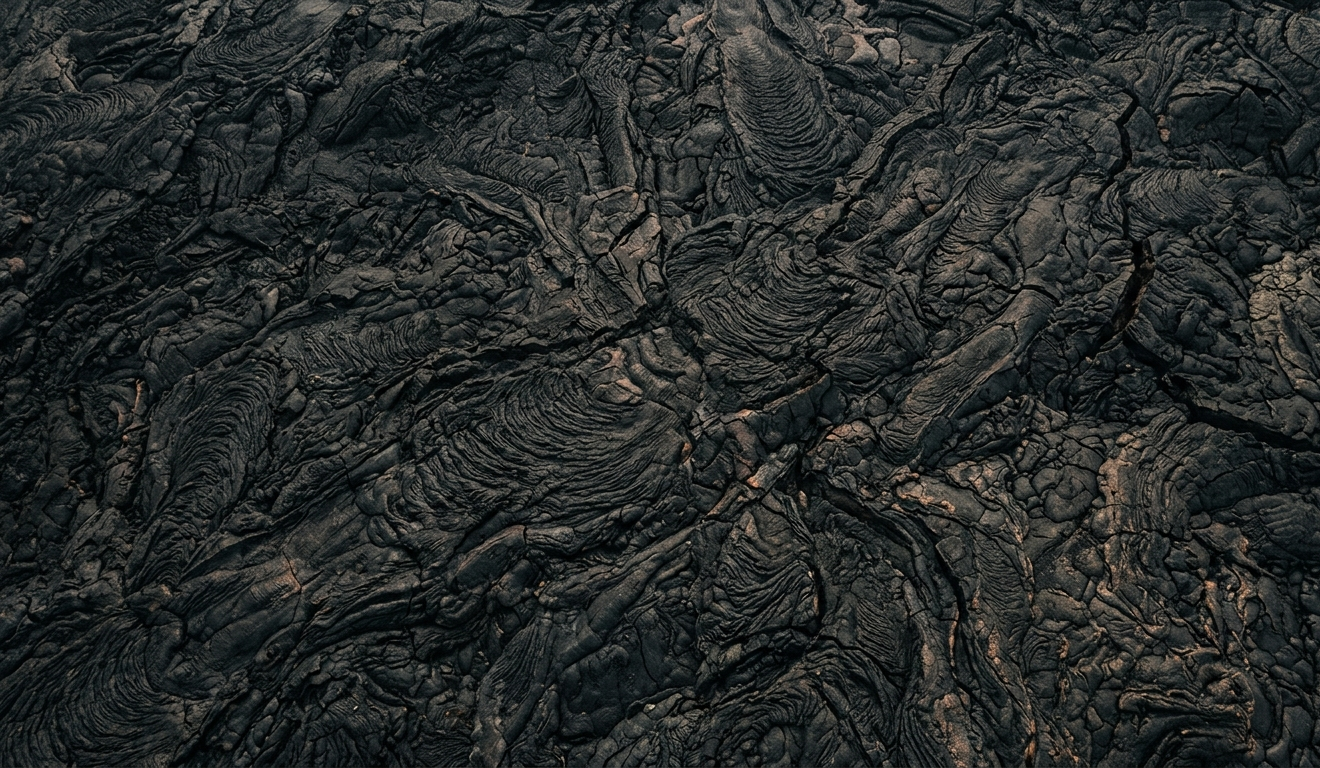
A misty day at Hawaiʻi Volcanoes National Park can still be memorable. The landscape doesn’t need full sun to be powerful. Steam, ʻōhiʻa forest, black lava, and shifting clouds can make the park feel more alive, not less.
But visibility matters. If your heart is set on sweeping crater views or clear night-sky plans, rain and fog may not cooperate. Build your park day with options: visitor center time, short walks, scenic pullouts when clear, lunch in Volcano Village, and a willingness to pause rather than force every stop.
For longer hikes, wet conditions change the experience quickly. Trails can become slick, muddy, and slower than expected. Choose shorter routes if the weather is unsettled, and save ambitious plans for a better window.
If Waimea or North Kohala is gray
Waimea is one of the Big Island’s best reminders that elevation is weather. You can leave a warm beach and arrive in cool ranch country under a moving ceiling of clouds.
If Waimea is rainy, it can still be a worthwhile pivot for food, shops, and a quieter break from the coast. It is not necessarily where you go to “escape” rain; it is where you go if you like the mood of green hills, cooler air, and a more local-feeling pause in the day.
North Kohala can be similar: beautiful in shifting weather, but not always the place to gamble on perfectly clear skies. If your original plan involved long scenic overlooks or winding rural roads, keep the day loose.
What to reschedule instead of forcing
Some Big Island plans are flexible in light rain. Others depend less on rain itself and more on visibility, ocean conditions, wind, or road conditions.
Consider rescheduling or rethinking:
Boat trips, including snorkel tours, when operators flag rough ocean conditions. Manta ray night snorkel or dive plans if weather or ocean conditions make the experience less comfortable or operators adjust schedules. Helicopter tours, where visibility is central to the value of the trip. Mauna Kea stargazing or summit-area plans, when clouds, wind, road conditions, or cold weather make it a poor fit. Long hikes or remote coastal walks after heavy rain, especially where mud, stream crossings, or slick rock are part of the route.
Book weather-sensitive activities earlier in your trip when you can. That gives you room to move them if the operator recommends it. It also keeps one canceled tour from becoming the emotional center of your vacation.
What to keep in the car
For the Big Island, your rainy-day kit should handle both coast and elevation.
A light rain shell is more useful than a heavy jacket for most coastal days, but if Volcano, Waimea, or Mauna Kea are on your itinerary, bring a warmer layer too. Quick-dry clothes help. A small dry bag or zip pouch keeps phones, wallets, and camera gear from becoming the day’s drama. A towel in the car is always a good idea — for wet seats, muddy feet, or an unplanned swim when the weather clears.
Footwear matters more than people expect. Slippers are fine for town and beach edges, but wet lava rock, muddy paths, and slick stairs are not the place to discover that your shoes are decorative.
Three easy pivot days
From Kona
Keep the morning slow. If the beach is wet, head upslope for coffee tasting or a relaxed brunch. Spend midday in Kailua-Kona or Waimea depending on where the weather looks friendlier. Check the coast again later; many rainy Kona days still give you a late swim, sunset walk, or dinner by the water.
From Hilo
Lean into Hilo instead of fleeing it. Pick an indoor cultural stop, linger over coffee or lunch, then watch for a window to visit waterfall viewpoints or take a short scenic drive. If Volcano looks promising and you packed layers, make it a half-day pivot rather than a rushed mission.
From Volcano
Start with the park, but keep your expectations weather-shaped. Do indoor exhibits, short walks, and viewpoints as they open and close with the mist. If the whole area feels too wet, drop down toward Hilo for food and indoor time, or toward Kaʻū if conditions look better that direction.
The rainy day you didn’t plan may be the one you remember
A perfect Big Island trip is rarely a straight line through a spreadsheet. It is more often a series of adjustments: a beach moved to the afternoon, a foggy crater traded for a quiet lunch, a canceled boat tour replaced by coffee in the hills, a waterfall louder than it would have been yesterday.
Rain asks you to travel a little less like you’re checking off an island and a little more like you’re actually on one.
That is a good thing. On Hawaiʻi Island, the backup plan is not just a way to save the day. Sometimes it is the day.

Further Reading
A few relevant next steps from Alakai Aloha.
 BlogHow Hawaiʻi Island Weather Really Works
Learn how trade winds, Kona winds, elevation, and microclimates shape rain, sun, clouds, and wind across Hawaiʻi Island.
Editor's pick Activity‘Akaka Falls
Explore 'Akaka Falls State Park's lush rainforest, featuring a paved loop trail to viewpoints of the stunning 442-foot 'Akaka Falls and the 100-foot Kahūnā Falls.
Editor's pick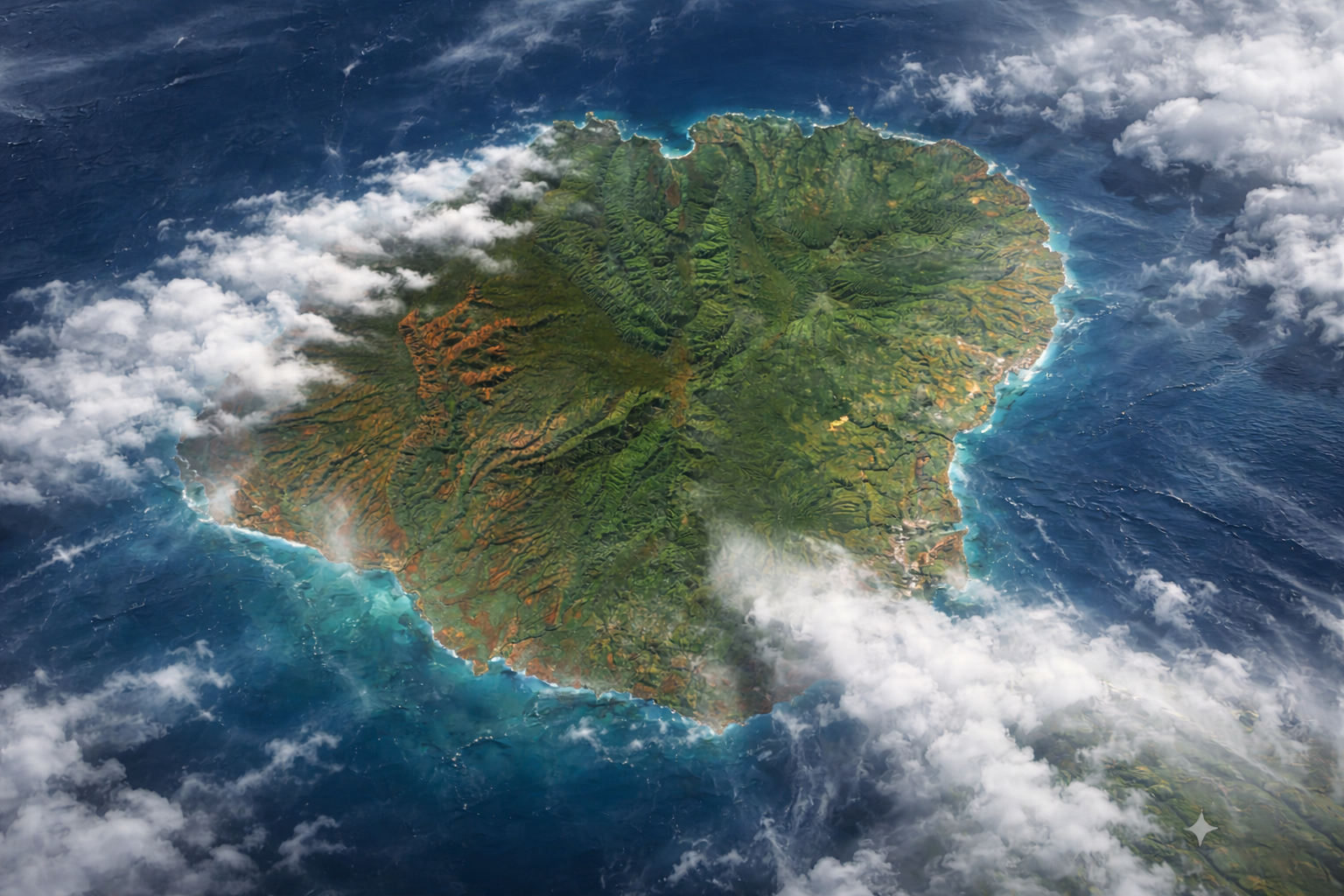 ToolCompare island weather by region
See how rain, wind, and conditions vary around the island before you choose your day plan.
Useful planning tool ActivityHawaiʻi Volcanoes National Park
Hawaiʻi Volcanoes National Park is a UNESCO World Heritage Site offering unparalleled opportunities to explore active volcanic landscapes, diverse ecosystems, and ancient Hawaiian culture, providing a profound connection to Earth's powerful forces.
Editor's pick