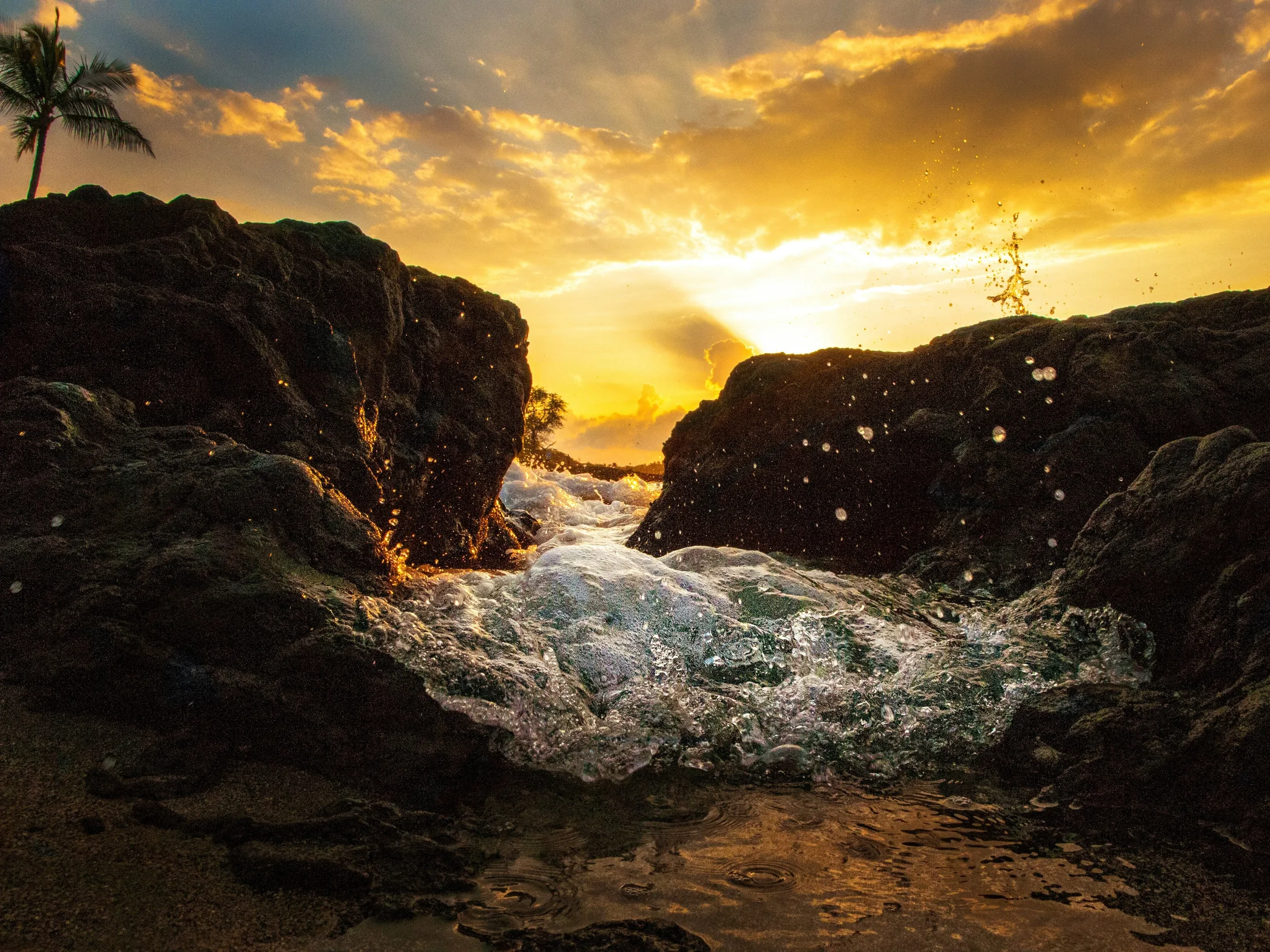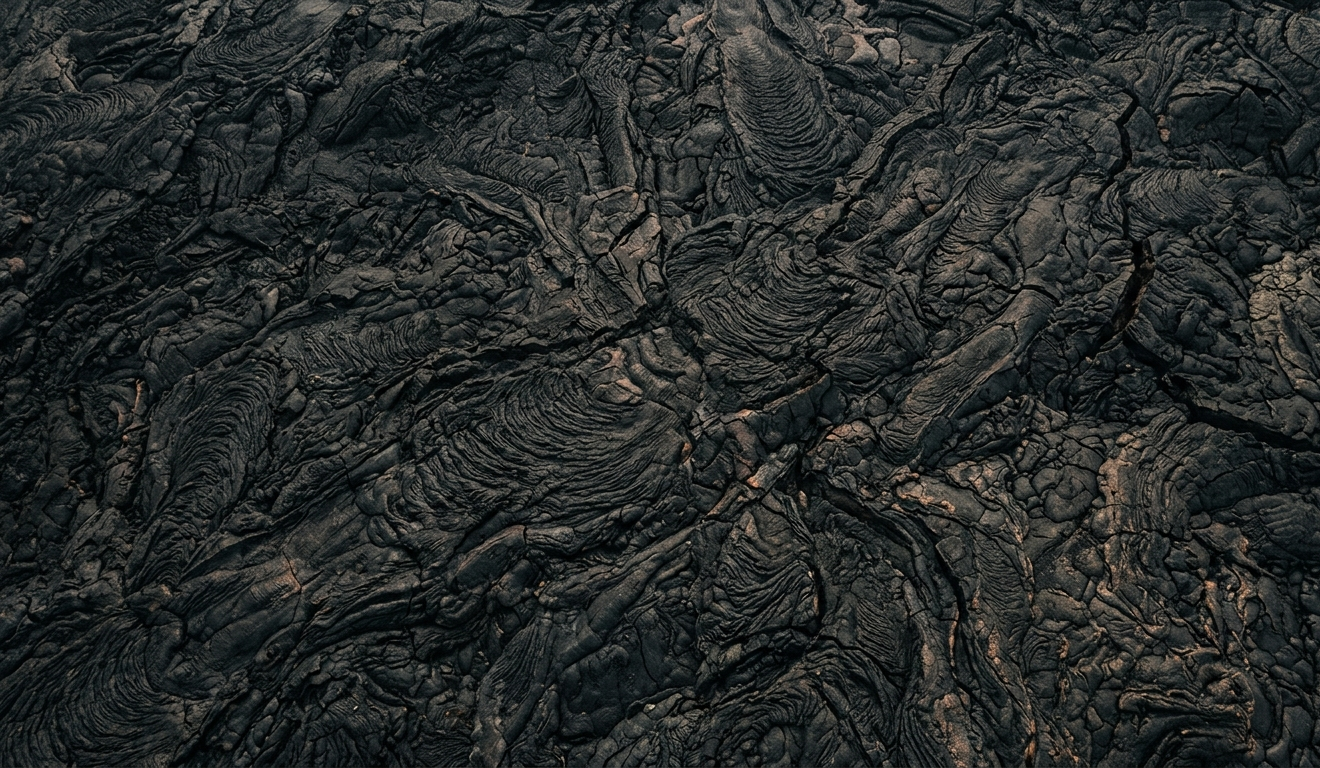


The Big Island does not have one simple “best time.” It has several climates stacked on top of each other.
You can wake up to warm, dry air in Kona, drive through cool pasture country near Waimea, spend the afternoon in mist at Hawaiʻi Volcanoes National Park, and look up at Mauna Kea where winter conditions can be genuinely cold. That range is the island’s gift and its planning challenge.
For most travelers, the easiest sweet spots are April to early June and September to early November: generally good weather, fewer peak-season crowds, and better odds of reasonable lodging rates. But the right month depends on the trip you want — beaches and snorkeling, volcano landscapes, cultural events, whale watching, stargazing, or a quieter week with room to breathe.
The quick answer
If you want a clean starting point:
Best overall months: April, May, September, October Best for beach time on the Kona side: May through September Best for whale watching: January through March Best for Hawaiʻi Volcanoes National Park: Year-round, with cooler, wetter conditions most likely in winter Best chance of lower prices: Late spring and fall outside major holidays and event weeks Busiest periods: Winter holidays, spring break, summer family-travel season, and major Kona or Hilo event weeks Most variable weather: November through March, especially in Hilo, Volcano, and higher elevations
“Rainy season” on the Big Island does not mean your trip is washed out. It often means choosing your base wisely and letting the island’s geography work in your favor.
Understand the island’s weather map
The Big Island rewards travelers who think by region, not just by month.
Kona and the Kohala Coast are the classic sunny-side vacation areas: drier, warmer, and well suited to resort stays, beach days, sunsets, snorkeling, and boat tours. Winter can bring larger surf at times, but this side is still where many visitors go for the most dependable sunshine.
Hilo and the Hāmākua Coast are wetter and greener. This is waterfall country, garden country, and the gateway to a more humid, lush version of the island. Rain is part of the texture here, not an interruption to it.
Volcano and Hawaiʻi Volcanoes National Park sit at elevation, so expect cooler air, mist, and evenings that feel very different from Kona. Bring layers even if your suitcase is mostly swimwear.
Waimea can be cool, breezy, and pastoral. It is a useful reminder that the Big Island is not one climate with beaches attached; it is a mountain island with coastlines around it.
Mauna Kea and Mauna Loa are high-elevation environments. Conditions can change quickly, and winter can bring snow or ice near the summits. If high-elevation stargazing is part of your plan, pack and plan for cold, not “Hawaiʻi cold.”
January
January is winter on the Big Island: cooler by island standards, greener in many areas, and often busy around New Year before the pace softens later in the month.
Kona and Kohala can still have beautiful beach days, though winter surf and wind may affect ocean plans. Hilo and Volcano tend to feel wetter and cooler, which can make waterfall drives and rainforest scenery especially atmospheric.
This is one of the strongest months for humpback whale watching. Costs are usually high early in the month, then may ease after holiday travelers leave.
February
February keeps the winter mood: whales offshore, cooler evenings upland, and a mix of sun and passing showers depending on where you stay.
It can be an excellent month if you like a quieter pace after the holidays. Kona-side beach time is still very possible, while Volcano can feel moody in the best way — steam, mist, lava rock, ʻŌhiʻa forest, and cooler air that makes a warm jacket feel like a good decision.
Crowds and rates vary with school breaks and long weekends, but February often feels less intense than late December or peak summer.
March
March sits at the edge of winter and spring. Weather can still be changeable, and spring break can push up demand, especially in popular resort areas.
This is still a good whale month, though the season begins to taper as spring moves on. Ocean conditions may remain more active on exposed shores, so choose beaches based on the day rather than assuming a favorite spot will be calm.
In Hilo, spring is associated with the Merrie Monarch Festival, one of Hawaiʻi’s most respected hula events. When your travel overlaps with major Hilo events, lodging can book early and the town’s rhythm changes noticeably.
April
April is one of the best all-around months to visit the Big Island.
The heaviest winter feel usually begins to lift, but the island has not yet moved into full summer travel mode. Kona and Kohala are warm and inviting, while Hilo and Volcano remain lush without quite the same winter intensity.
For travelers who want balance — beach time, national park days, scenic drives, and breathing room in the schedule — April is hard to beat. Rates can be more favorable than peak holiday periods, though event timing and spring break can still matter.
May
May may be the Big Island’s most underrated month.
The weather is generally warm, the ocean on the west side often trends calmer heading toward summer, and the larger summer crowds have not fully arrived. It is a strong month for snorkeling, boat tours, coffee farm visits, and unhurried resort days.
Volcano and Waimea are still cooler than the coast, but May often feels more settled than winter. If your ideal trip mixes mornings in the water with afternoons exploring lava landscapes or ranch country, May is a smart choice.
June
June brings the beginning of summer travel energy. Schools are out, family trips pick up, and the Kona/Kohala side settles into a warm, dry rhythm.
This is a good month for ocean-focused itineraries: snorkeling, manta ray night snorkels or dives, boating, and long beach days. It is also pleasant for road trips through North Kohala, Waimea, and the Hāmākua Coast, though the island’s microclimates still apply.
King Kamehameha Day is observed in June, with celebrations in different communities. Expect rising demand compared with May.
July
July is warm, sunny on the leeward coast, and busy.
For many families, this is the practical month: school is out, summer is in full swing, and the Kona and Kohala resorts are in their element. If you want beach weather and don’t mind a busier atmosphere, July works well.
Book the pieces that matter most — lodging, rental car, popular guided activities — farther ahead than you would in a shoulder month. The tradeoff is reliable summer energy: long days outside, warm water, and an easy vacation rhythm.
August
August remains warm and summery, with strong beach appeal on the west side. It can feel a little more relaxed toward the end of the month as some families return to school schedules.
This is a good month for travelers who want maximum coast time: morning swims, snorkeling when conditions allow, and evenings built around sunset.
It is also within Hawaiʻi’s hurricane season, which runs through the warmer months into fall. Direct impacts are uncommon, but it is sensible to keep plans flexible as your trip approaches.
September
September is one of the Big Island’s best months for travelers who like breathing room.
The weather is still warm, the ocean often remains inviting on the Kona side, and crowds usually drop after Labor Day. Resorts and beaches can feel less compressed, and it is easier to plan a trip that does not revolve around peak-season logistics.
September is also strong for travelers who want to split time between the west side and Volcano: summer warmth on the coast, cooler nights upcountry, and often better value than busier months.
October
October is another excellent shoulder-season month, though it can be shaped by major event timing in Kona.
Weather is generally warm, and the west side can still feel summery. Visitor numbers are often lower than in winter or midsummer, but certain weeks can become busy and expensive when large athletic or community events are on the calendar.
If your dream is a Kona-based trip with beach mornings, coffee country afternoons, and a slower pace, October is appealing. Just check event calendars before assuming it will be quiet.
November
November is a transition month. Early November can offer good value and pleasant weather, while late November becomes busier around Thanksgiving.
Rain tends to increase as winter approaches, especially on the windward and upland sides. Kona and Kohala can still be comfortable, but you may notice more variability across the island.
November is also associated with Kona coffee season celebrations, making it appealing for travelers interested in farms, small towns, and food culture. Coffee country around Holualoa and South Kona feels especially fitting at this time of year.
December
December has two personalities.
Early December can be a lovely, quieter window before the holidays: cooler evenings, winter light, and a festive but not yet crowded feel. Late December is one of the busiest and most expensive times of the year, especially along the resort coast.
Whale season is beginning, winter surf is more of a factor, and upland areas can feel cool and damp. If you are flexible, early December is the better bet. For Volcano, stargazing, or Mauna Kea-related plans, bring real layers.
Choosing your best Big Island month
The best Big Island trip usually starts with one honest question: Where will you spend most of your time?
If you are picturing a classic beach vacation, bias your planning toward the Kona and Kohala Coast and look closely at May, June, September, or October. If whale watching matters, choose January, February, or March. If Hawaiʻi Volcanoes National Park is central to the trip, you can visit in any month, but pack for cooler, wetter conditions and give yourself enough time that one rainy afternoon does not feel like a problem.
For the best mix of weather, value, and elbow room, April, May, September, and October are the months to circle first.
But the Big Island is not a place to over-optimize. Its scale is part of the experience. A little rain in Hilo, sun in Kona, mist in Volcano, wind in Waimea, and cold air under the stars near Mauna Kea — that is not the weather getting in the way. That is the island revealing itself by elevation, coast, and time of day.

Further Reading
A few relevant next steps from Alakai Aloha.
 BlogHow Hawaiʻi Island Weather Really Works
Learn how trade winds, Kona winds, elevation, and microclimates shape rain, sun, clouds, and wind across Hawaiʻi Island.
Editor's pick ActivityHawaiʻi Volcanoes National Park
Hawaiʻi Volcanoes National Park is a UNESCO World Heritage Site offering unparalleled opportunities to explore active volcanic landscapes, diverse ecosystems, and ancient Hawaiian culture, providing a profound connection to Earth's powerful forces.
Editor's pick ToolCompare island weather by region
See how rain, wind, and conditions vary around the island before you choose your day plan.
Useful planning tool BlogWhat to Pack for the Big Island’s Microclimates
Pack for Kona sun, Volcano mist, rough lava, beach days, and cool high-elevation evenings with a practical Big Island packing list.
Editor's pick