

Hawaiʻi Island is the place that humbles tidy itineraries.
On a map, it can look simple: land in Kona, drive to the volcano, see a few beaches, maybe add Maunakea for sunset and stars. In real life, the island is wide, high, young, and full of sharp contrasts. You can start the morning on a dry lava coast, eat lunch in misty pastureland, and end the day wearing a jacket near a volcanic crater.
That’s the gift of the Big Island — and also why first-timers sometimes plan it badly. The trick is not to do less because the island is difficult. It’s to do less rushing so the island has room to work on you.
Mistake: Treating Hawaiʻi Island Like a Small Beach Island
The Big Island is not compact. It is the largest island in the Hawaiian chain by a wide margin, and the distances feel real once you’re behind the wheel.
A common first-timer plan goes something like this: stay on the Kona side, visit Hawaiʻi Volcanoes National Park for the day, swing through Hilo, make a beach stop, and be back for dinner. Technically, pieces of that can be done. But it often becomes a long day of driving with very little time to actually be anywhere.
Cross-island routes can involve long stretches with few services, changing weather, elevation, and nighttime driving that feels more tiring than visitors expect. Add a waterfall, a food detour, or a stop in Hilo, and the day gets away from you fast.
Do it right: build your trip around regions, not dots on a map.
If Hawaiʻi Volcanoes National Park is a priority, give that side of the island real time — either by staying in Volcano or Hilo for part of the trip, or by planning one deliberate full-day excursion with an early start and a quiet evening afterward. If your vacation is mostly about beaches, snorkeling, sunset dinners, and resort time, the Kona or Kohala Coast makes more sense as a base.
Trying to “cover” the island is the fastest way to miss what makes it good.
Mistake: Choosing Lodging Without Understanding the Two Sides
Many visitors book the west side because that’s where a lot of the classic vacation infrastructure sits: Kona, Waikōloa, the Kohala Coast, sunny lava fields, beaches, resorts, coffee farms, and easy sunsets. That can be exactly right.
But it is not the whole island.
The Hilo side is greener, wetter, and closer to waterfalls, tropical gardens, Puna, and the volcano area. It has fewer resort-style beach days, but more of the lush, everyday Hawaiʻi Island texture people often imagine before they arrive.
Then there’s Volcano: cooler, higher, quiet at night, and close to Hawaiʻi Volcanoes National Park. It is not a beach base. That is the point.
Do it right: choose your base by the kind of days you want.
Kona / Kailua-Kona: town access, boat tours, coffee country, sunsets, restaurants, and west-side exploring. Kohala Coast / Waikōloa area: resort stays, drier weather, and beach-focused vacations. Hilo: waterfalls, gardens, local town life, and easier access to the east side and volcano. Volcano: time in the national park without rushing back across the island.
For a first trip of a week or more, splitting the stay can make the island feel generous instead of exhausting. For a shorter trip, pick the side that matches your priorities and resist the urge to drive everywhere.
Mistake: Packing Like You’re Only Going to the Beach
Hawaiʻi Island has serious elevation. That’s the part first-timers forget.
The Kona coast may be hot and dry. Hilo may be warm and rainy. Volcano can be cool and damp. Maunakea can be cold enough that beach clothes feel absurd. Even a casual evening near the volcano area can call for a layer.
Do it right: pack for vertical travel.
Bring a light rain jacket, a warm layer, and closed-toe shoes you can actually walk in. If Maunakea, Hawaiʻi Volcanoes National Park, or higher-elevation viewpoints are on your list, those pieces are the difference between lingering and retreating to the car.
Mistake: Assuming Lava Will Be Flowing
Many first-time visitors come to Hawaiʻi Island hoping to see active lava. It’s an understandable wish. The island’s volcanic landscape is extraordinary, and Hawaiʻi Volcanoes National Park is one of the most compelling places in the state.
But visible lava is not guaranteed. Eruptive activity changes. Viewing areas change. Roads and trails may close or reopen depending on conditions. A trip planned around a specific lava-viewing fantasy can easily lead to disappointment.
Do it right: go for the volcano, not just for lava.
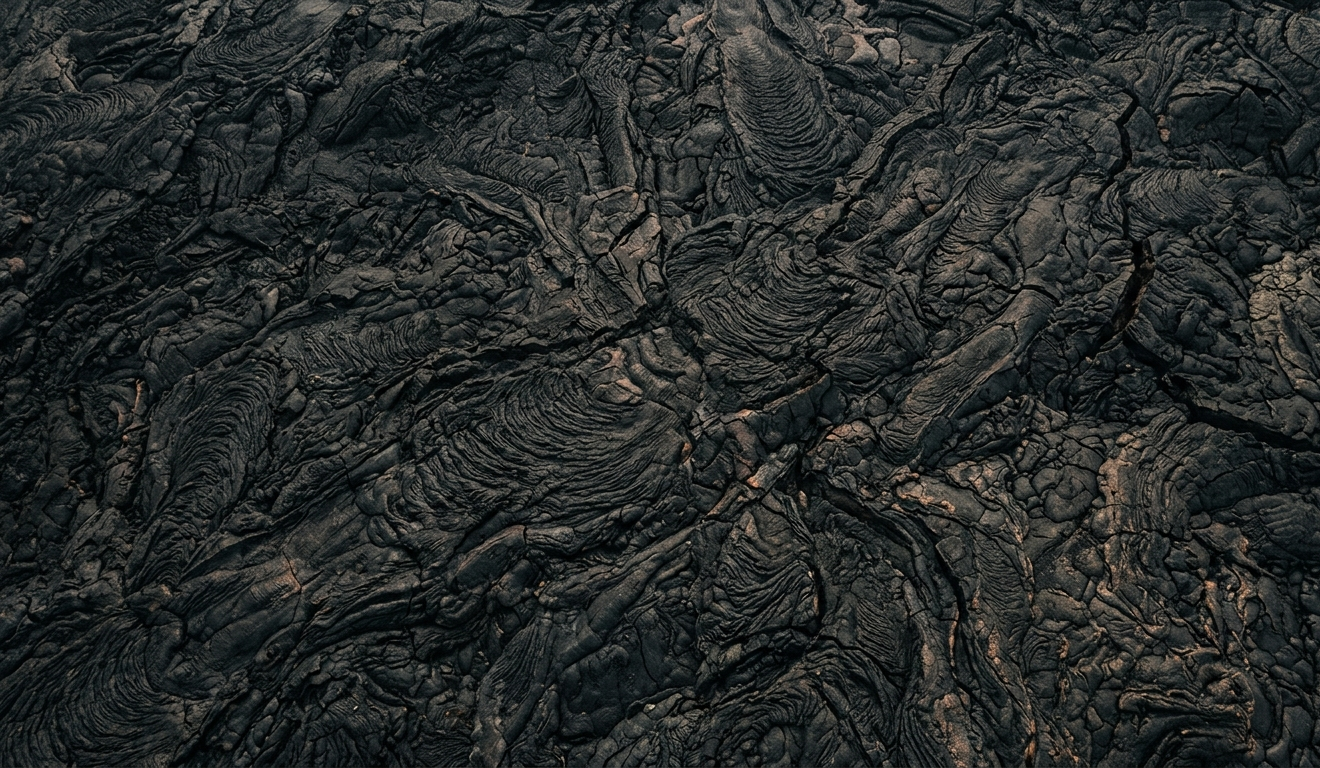
Hawaiʻi Volcanoes National Park is worth time even when there is no visible eruption. The scale of Kīlauea, the steam vents, crater views, lava fields, native forest, and drive down toward the coast all tell a deeper story than a single glowing viewpoint.
Check official park information close to your visit, then give yourself enough time to adjust. If lava is visible and safely viewable, it becomes a remarkable bonus. If not, you still have one of the island’s defining landscapes in front of you.
Mistake: Making Maunakea a Casual Add-On
Maunakea gets treated too often as a simple sunset-and-stars stop. It deserves more thought.
The mountain is high, cold, and culturally significant. Weather can change quickly. Some visitors go with guided tours; others plan to stargaze from lower-elevation areas rather than attempt the summit. Either way, this is not the place to improvise in flip-flops with a half tank of gas and no jacket.
Do it right: decide what kind of Maunakea experience you actually want.
If you want an easy stargazing night, you may not need the summit. Darker areas away from resort lights can still be beautiful when conditions cooperate. If you’re considering higher elevations, plan around vehicle requirements, health considerations, weather, and the reality of driving back down in the dark.
And bring warm clothes. Everyone thinks they are the exception until the wind starts.
Mistake: Expecting Every Coastline to Be Swimmable
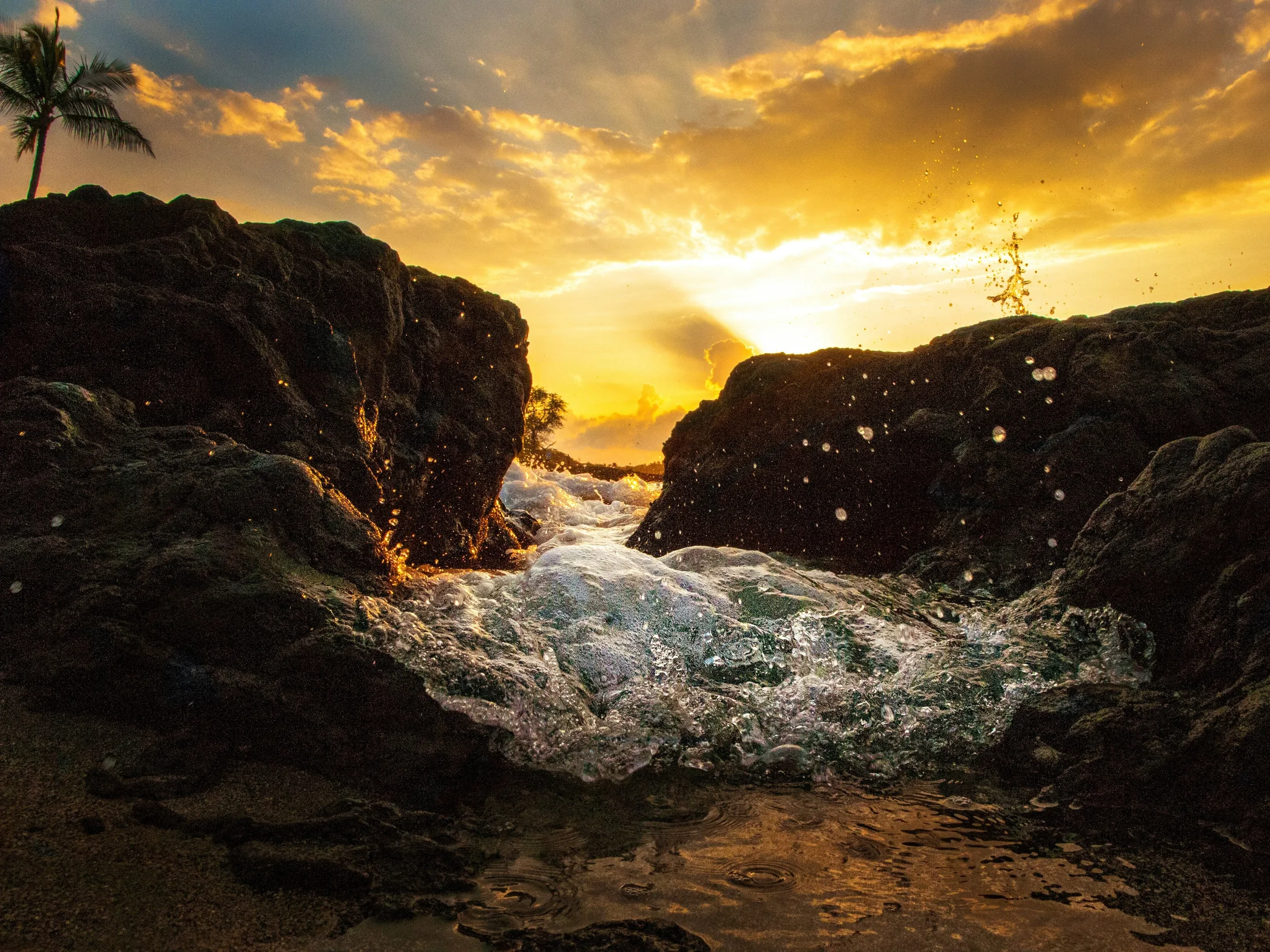
Hawaiʻi Island has beautiful beaches, but it is not wall-to-wall soft sand. Much of the coastline is young lava rock. Some beaches have tricky entries. Some coves are better for looking than swimming. Ocean conditions vary by season, swell, and location.
First-timers who arrive expecting every blue patch on the map to be a beach day can end up frustrated — or spend too much time chasing a perfect swimming spot when they should have chosen beach days more deliberately.
Do it right: plan beach time around the west side, and stay flexible.
The Kona and Kohala coasts are usually the center of first-time beach and snorkel planning. Even there, conditions matter. Mornings are often a better bet for calmer water, and it’s smart to have more than one beach option in mind.
If the entry looks rough or the water looks churned up, pick another spot or another day. The island will still be there tomorrow.
Mistake: Overloading the Itinerary With “Big Days”
A first trip to Hawaiʻi Island invites ambition: volcano, waterfalls, black sand, manta rays, coffee farms, beaches, stargazing, scenic drives, maybe a luʻau, maybe a boat tour. None of these are bad ideas. The problem is stacking them too tightly.
A manta ray night snorkel after a long volcano day? Maybe not. A sunrise drive, beach day, coffee tour, and Maunakea sunset in one sweep? That’s not a vacation; that’s logistics wearing sunglasses.
Do it right: alternate heavy days with soft days.
A good Hawaiʻi Island rhythm might be: one major excursion, then one day close to your base. Volcano day, then beach morning and slow dinner. Manta night, then no dawn plans. Hilo-side exploring, then a quieter Kona day.
The island is more enjoyable when you stop treating rest as wasted time.
Mistake: Waiting Too Long to Book the Experiences That Matter
Hawaiʻi Island still leaves plenty of room for wandering, but the most popular experiences should not be left to chance.
Manta ray night snorkels, Maunakea stargazing tours, boat trips, luaus, certain restaurants, and guided volcano experiences can book up during busy travel periods. Rental cars are also not something to treat as an afterthought, especially if you want flexibility beyond your resort area.
Do it right: book the few things that shape the trip, then leave space around them.
You do not need to schedule every meal. You do need to protect the experiences you would be genuinely disappointed to miss. Reserve the car early. Book your top tours once your dates are firm. Then leave open time for naps, long lunches, roadside fruit stands, and the kind of detour that only works when your calendar has breathing room.
Mistake: Forgetting That Weather Is Local
A single island forecast is almost useless here.
It may be sunny along the Kohala Coast, raining in Hilo, misty in Volcano, windy near the saddle, and perfectly pleasant in Kona — all on the same day. That variety is part of the island’s character. It’s also why rigid plans can fail.
Do it right: think in microclimates.
If the east side is wet, the west side may still be dry. If the coast is hot, higher elevations may be cool. If clouds spoil one stargazing plan, you may get a better night later. Build a trip with swappable days: beach day, volcano day, Hilo day, coffee-and-town day. Then move the pieces as conditions suggest.
The Better First Trip
A good first Hawaiʻi Island vacation is not about seeing every district or collecting every landscape. It is about choosing your version of the island with clear eyes.
If you want beaches and sunsets, lean west. If you want rainforest and volcano, give the east side time. If Maunakea matters, plan it properly. If Hawaiʻi Volcanoes National Park matters, don’t squeeze it between errands. Pack a jacket. Book the few things that need booking. Leave room for the island’s scale.
Hawaiʻi Island is not difficult. It is simply not small, not uniform, and not interested in being rushed. Meet it that way, and your first trip will feel less like a checklist and more like the beginning of a longer conversation.

Further Reading
A few relevant next steps from Alakai Aloha.
 BlogA Smarter Rainy-Day Plan for the Big Island
Learn how to pivot your Big Island plans when rain rolls in, from Kona and Hilo to Volcano, Waimea, and the Kohala Coast.
Editor's pick GuideBest Beaches on the Big Island
A guide to best Big Island beaches.
Editor's pick ActivityHawaiʻi Volcanoes National Park
Hawaiʻi Volcanoes National Park is a UNESCO World Heritage Site offering unparalleled opportunities to explore active volcanic landscapes, diverse ecosystems, and ancient Hawaiian culture, providing a profound connection to Earth's powerful forces.
Editor's pick ActivityManta Ray Night Snorkel
Experience an unforgettable night snorkel on the Big Island, where powerful underwater lights attract majestic manta rays for an up-close and mesmerizing feeding spectacle.
Editor's pick