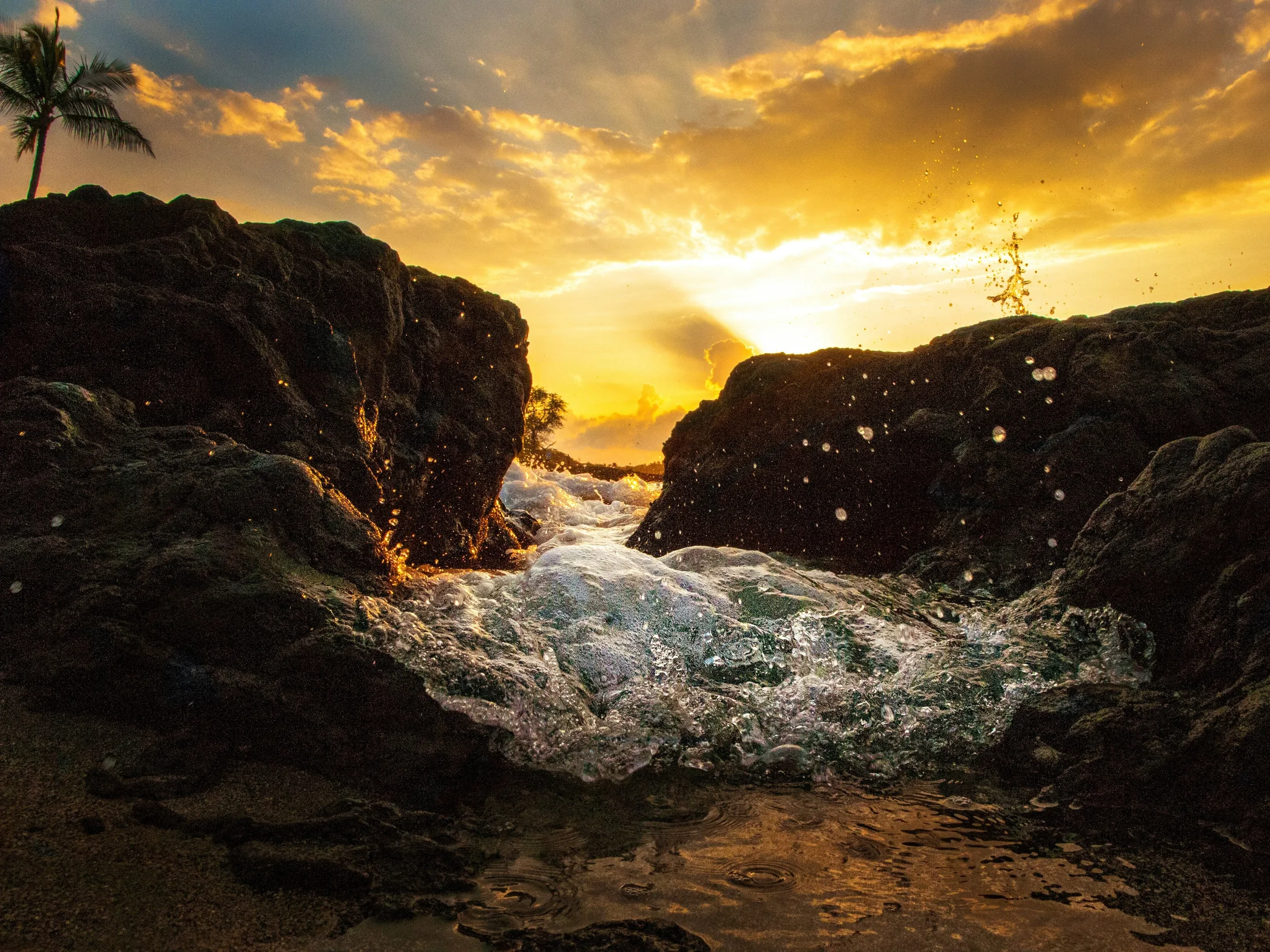


Hiking on Hawaiʻi Island has a different rhythm than hiking anywhere else in the state. The island is young in some places, ancient in others, and still becoming itself. You may walk through wet ʻōhiʻa forest in the morning, cross black lava by lunch, and feel the air thin on the slopes of Mauna Kea or Mauna Loa before sunset.
Trails here are not just routes to a view. They pass through living forests, ranchland edges, lava fields, old footpaths, cultural places, and landscapes shaped by eruptions that many residents remember. Responsible hiking on the Big Island should feel less like a rulebook and more like good travel judgment: move with care, pay attention, and let the place set the pace.
What hiking pono means on Hawaiʻi Island
In everyday visitor language, hiking *pono* means moving through a place in a way that is balanced, respectful, and appropriate. It is not about performing reverence or worrying over every step. It is more practical than that.
On trail, pono looks like using established routes, giving cultural sites room, keeping your group’s noise low enough that others can hear the wind and birds, cleaning your gear so you are not carrying seeds or pathogens into native forest, and accepting that a closed trail is closed for a reason.
That mindset matters because the terrain often does not recover quickly. A boot print through soft cinder, a shortcut across a slope, or a few extra stones stacked on lava can remain visible far longer than you expect. In dry places, plants grow slowly. In wet forest, invasive seeds move easily. In volcanic areas, what looks like empty rock can be a young surface, a cultural landscape, or a place with hazards hidden by the texture of the lava.
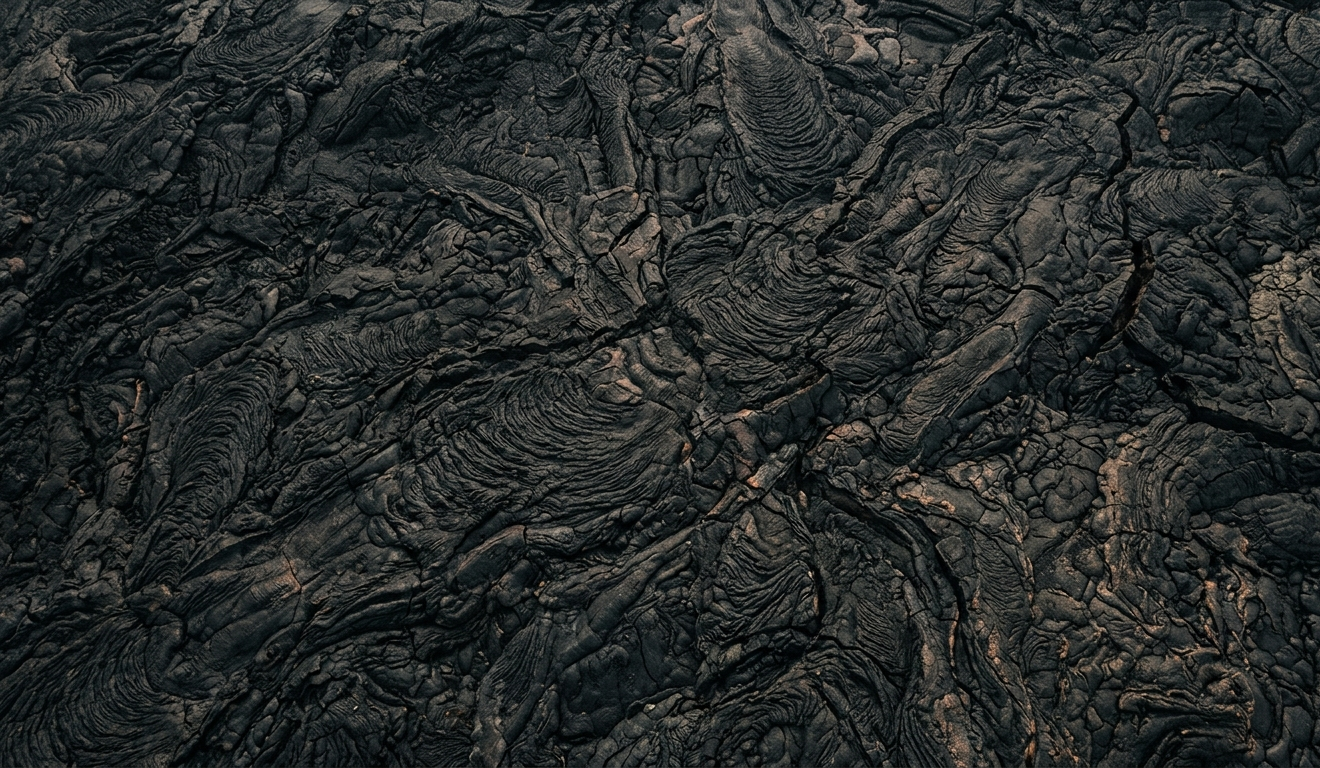
The reward for slowing down is a better hike. You notice the silver-green shimmer of ʻōhiʻa leaves, cloud shadow moving across a lava flow, the sudden coolness when a trail slips into forest, and the difference between pāhoehoe’s smooth folds and ʻaʻā’s rough, broken surface.
Stay on official trails, especially on lava
Many Hawaiʻi Island hikes are not soft dirt paths with obvious edges. Some cross lava, cinder, or open grassland where the route may be marked by cairns, posts, or worn rock. In those places, staying on track is not just about convenience.
Lava fields can be uneven and sharp. Vegetation may be colonizing the rock slowly, in small pockets that are easy to crush. Where markers guide hikers across open lava, wandering off route can create confusing side tracks for the next person.
A good rule here: if the route is marked, trust the markers. If the path is unclear, pause and reorient rather than pressing forward and creating a new line. Do not add your own rock stacks. On lava trails, markers may have a purpose, and extra stacks can make navigation worse.
Hawaiʻi Island trails are managed by different agencies and landowners, including national park, state, county, private, and conservation lands. Check the managing source for the specific trail before you go, and treat posted signs at the trailhead as the final word. Conditions and access can change because of eruption activity, storm damage, road conditions, resource protection, or cultural concerns.
Volcanic landscapes ask for flexibility
Hawaiʻi Volcanoes National Park is one of the clearest examples of why hiking here deserves local attention. The park is not a backdrop; it is an active volcanic landscape with trails that may pass near craters, steam vents, lava flows, native forest, and historic sites. Closures are part of how these places are managed.
That does not mean visitors should be nervous. It means the best experience comes from flexibility. If a trail is closed, choose another rather than trying to “just take a look.” If signs ask you to stay back from an edge, do that without turning it into a debate. The island gives generously, but it does not owe anyone a particular viewpoint on a particular day.
The same applies to higher-elevation hiking on Mauna Kea and Mauna Loa. The air is thinner, conditions can feel stark and exposed, and these places are culturally significant. If your plans involve higher elevations, go prepared and understand that access and guidance may differ from a beach or lowland forest walk.
Cultural places are not props
Hawaiʻi Island holds many wahi pana — storied and significant places — as well as heiau, petroglyph fields, burial areas, historic trails, and old village sites. Some are interpreted for visitors. Others may not be obvious at all.
The most useful approach is quiet restraint. Stay on the path. Do not climb on stone structures. Do not move rocks. Do not touch or trace petroglyphs. Do not leave offerings unless you are part of a practice that properly belongs there. If you come across something that looks old, intentional, or culturally placed, let it be.
This does not make the hike solemn or distant. It often makes it more interesting. Hawaiʻi Island is layered: lava flows over older flows, trails cross places where people traveled long before roads, and coastal routes may pass fishing areas, salt-sprayed ruins, or petroglyphs made in stone that has endured sun, wind, and time. You do not need to know every story to behave well in its presence.
Care for ʻōhiʻa and native forest
If there is one environmental habit to take seriously on Hawaiʻi Island, it is cleaning your hiking gear. The island’s forests are home to ʻōhiʻa lehua, a native tree deeply woven into Hawaiian ecology and culture. ʻŌhiʻa is one of the first trees to grow on new lava and a foundation species for native birds, insects, and forest systems.
Rapid ʻŌhiʻa Death, a fungal disease affecting ʻōhiʻa, has made biosecurity part of responsible hiking in Hawaiʻi. Soil on boots, seeds in tread, and mud on gear can move more than we realize. The fix is simple: clean your shoes before and after hikes, use boot brush stations when provided, and avoid transporting mud between districts or islands. If your gear is especially dirty, wash it and let it dry before the next trail.
Courtesy at trailheads and on trail
Good trail etiquette on the Big Island is mostly common sense with island context. Let uphill hikers keep their rhythm. Step aside where the trail can handle it, not onto fragile plants or crumbly edges. Keep speakers off; the natural soundscape is part of why people came. If you are hiking in a group, avoid spreading across the whole trail. Pack out what you bring in, including food scraps.
Pets require extra attention. Some trails allow dogs, some do not, and restrictions may exist to protect wildlife, watersheds, cultural places, livestock, or sensitive habitat. If you are traveling with a dog, confirm the rule for that specific trail rather than assuming. Where dogs are allowed, a leash is the courteous default.
At trailheads, especially near small communities or rural roads, park with care. Do not block gates, driveways, mailboxes, ranch access, or narrow shoulders needed for local traffic. A beautiful trail can become a burden for residents when visitors treat the neighborhood like an overflow lot.
Pack for the island you are actually hiking
Hawaiʻi Island’s size catches people off guard. A short walk near the coast can be hot, dry, windy, and fully exposed. A forest trail above Hilo or along the Hāmākua side may be wet and rooty. Higher slopes can be cold even when your hotel area is warm. Lava can be rough on shoes and unforgiving if you trip.
You do not need expedition drama for most visitor hikes, but you do need to match your plan to the place. Shoes with real tread, water, sun protection, a layer for elevation or wind, and a willingness to turn around make the day smoother. If a trail crosses old lava, think less “casual stroll” and more “uneven rock underfoot.” If rain has been heavy, expect mud and slower going. If the route is exposed, start earlier and do not count on shade appearing later.
When plans change, let them
One of the most useful things a visitor can do here is hold plans lightly. Trails close. Weather moves in. Volcanic areas change. Parking may be full. A road may not suit your rental car or your comfort level. None of that means the day is ruined.
Hawaiʻi Island is generous with alternatives: coastal walks, forest roads, scenic overlooks, short interpretive trails, beaches where the walk itself becomes the outing, and quieter corners where you can still feel the island without forcing the original plan.
A better kind of trail memory
The hikes that stay with you on Hawaiʻi Island are not always the longest or most dramatic. Sometimes it is the crunch of cinder underfoot near a crater rim. Sometimes it is mist moving through ʻōhiʻa forest. Sometimes it is standing on a lava field and realizing the ground beneath you is younger than people you know.
To hike pono here is to make room for that kind of attention. Stay on the trail. Clean your boots. Give cultural places space. Keep the soundscape intact. Read the signs. Let closures and conditions guide you instead of fighting them.
Do those simple things, and the island tends to meet you well: not as a checklist of viewpoints, but as a place with its own pace, intelligence, and memory — one you were lucky enough to walk through for a little while.

Further Reading
A few relevant next steps from Alakai Aloha.
 BlogWhat to Do When a Big Island Trail Is Closed
Turn a closed Hawaiʻi Island hike into a smart Plan B, from volcano overlooks and lava tubes to waterfalls, gardens, scenic loops, and safer nearby swaps.
Editor's pick GuideBest Hikes & Outdoor Adventures on Hawaii Island
A guide to best Big Island hikes.
Editor's pick ActivityHawaiʻi Volcanoes National Park
Hawaiʻi Volcanoes National Park is a UNESCO World Heritage Site offering unparalleled opportunities to explore active volcanic landscapes, diverse ecosystems, and ancient Hawaiian culture, providing a profound connection to Earth's powerful forces.
Editor's pick ActivitySteam Vents
Witness the raw power of Kīlauea as plumes of warm steam rise from the Earth's surface at this accessible natural attraction within Hawaiʻi Volcanoes National Park.
Editor's pick