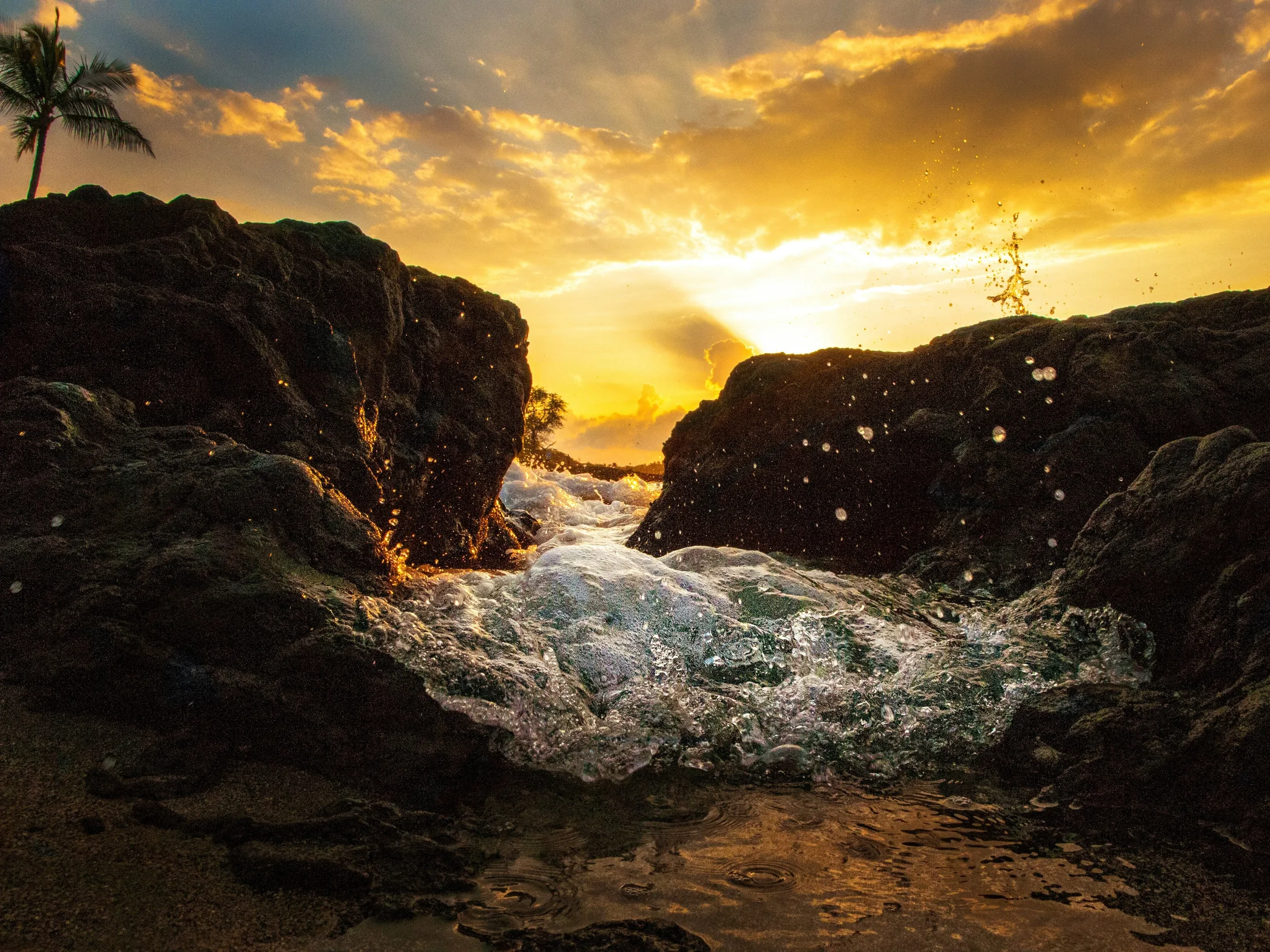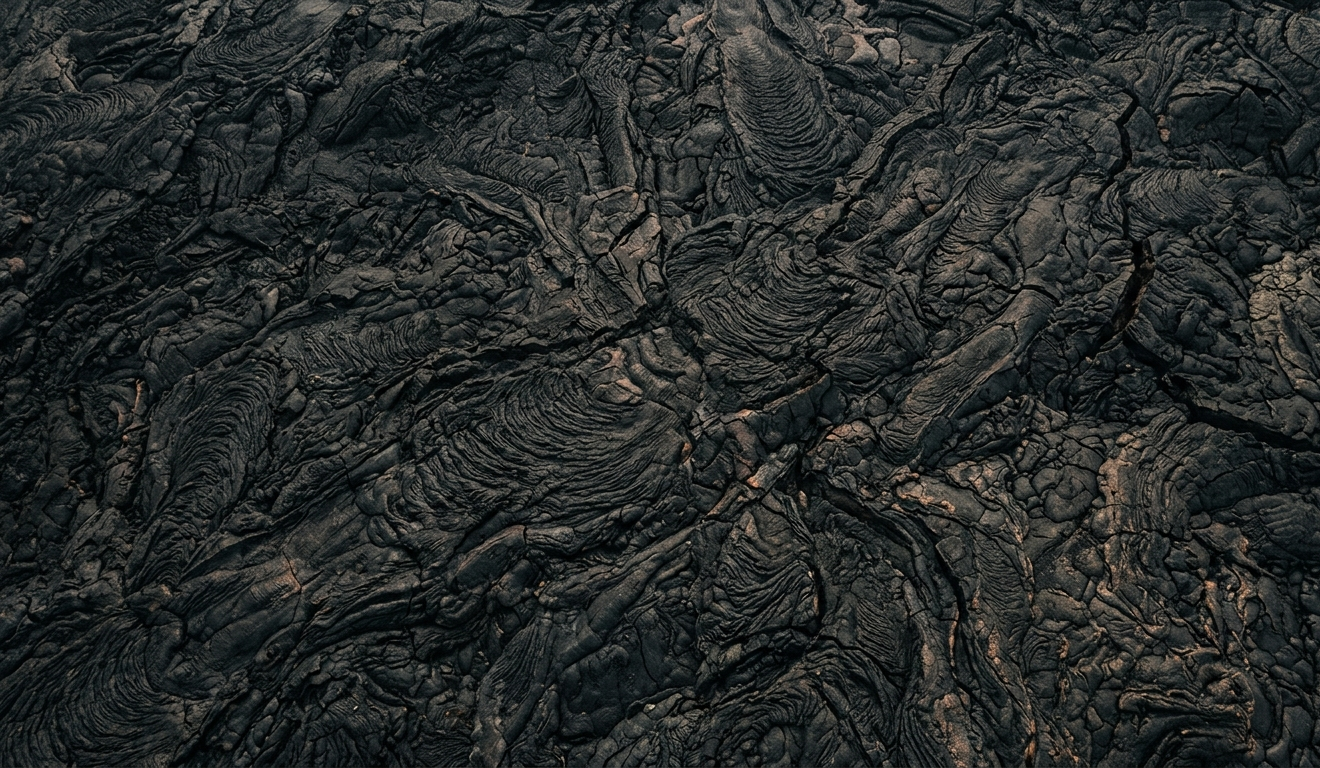


Hilo is one of the easiest places in Hawaiʻi to build a waterfall day that actually feels relaxed. You do not need a dawn-to-dark expedition, a four-wheel-drive vehicle, or a heroic hiking plan. The best version is simpler: start close to town while the light is good, follow the Wailuku River mauka for a couple of quick overlooks, then head north through old sugar-country roads toward ʻAkaka Falls.
This is a day for slow rain, wet leaves, stone walls, and the kind of green that makes the east side of Hawaiʻi Island feel entirely different from Kona. You can see several waterfalls in one day, but the point is not to collect them. The point is to let Hilo set the pace.
The shape of the day
A good Hilo waterfall day has three parts:
1. Morning near Hilo: Rainbow Falls and the Wailuku River overlooks 2. Late morning drive north: Old Māmalahoa Highway, Onomea, and the Hāmākua Coast feel 3. Midday centerpiece: ʻAkaka Falls, with an easy loop walk through lush vegetation
If you are staying in Hilo, this can be a half-day with lunch. If you are coming from Kona or Waikoloa, it becomes a full east-side day, and you should resist the urge to add too much. The drive across the island is part of the commitment, and Hilo deserves more than a rushed stop between bigger names.
The east side is wet by nature. Bring a light rain jacket, shoes that can handle damp pavement, and a flexible attitude. A passing shower here is not a failed plan; it is often what makes the waterfalls look alive.
Start early at Rainbow Falls
Begin at Rainbow Falls, just mauka of downtown Hilo. This is the waterfall many visitors see first because it is so close to town and easy to access. That convenience can make people underestimate it, but the setting is impressive: the Wailuku River drops over a broad lava ledge into a large pool, with a cave-like recess behind the falls and dense greenery wrapped around the viewing area.
Morning is the right time to go. When the sun angle cooperates, mist near the falls can produce the rainbow that gives the place its English name. You may or may not catch it, but early light is still kinder, and the stop feels calmer before the day fills in.
Take in the main overlook, listen to the water for a while, and walk the short path to see the massive banyan trees above the falls if conditions are comfortable. Their scale is part of the experience; they make the waterfall feel less like a roadside attraction and more like a piece of old Hilo.
Rainbow Falls is also associated with the Hawaiian name Waiānuenue, often translated in connection with rainbow waters. You will see both names used around Hilo. The Hawaiian name is worth noticing because this is not just scenery on the edge of town; it is part of a named landscape with stories older than tourism.
Add Peʻepeʻe Falls and Boiling Pots
From Rainbow Falls, continue a short distance farther along the Wailuku River to the Boiling Pots area and Peʻepeʻe Falls overlook. This stop has a different mood. Instead of one dramatic drop framed for an easy photograph, you see the river moving through pools, rock formations, and channels cut into the lava.
The name “Boiling Pots” comes from the way the water can churn in the pools when the river is running high. It is a powerful place, but it is best treated as a viewing stop. Watch the water for a few minutes and you will understand why locals pay attention to rain mauka even when town looks calm. Hilo’s waterfalls are not resort water features; they are part of a working rainy landscape.
Pause in Hilo before heading north
After the Wailuku River stops, you have a choice. If you started early, you may still be ahead of the lunch crowd. This is a good moment to return through Hilo for coffee, breakfast, or a simple plate lunch to take north.
Hilo is not a place to rush through only because the map says the next waterfall is waiting. The town’s rhythm is part of the day: low buildings, rain-dark pavement, bayfront views, old storefronts, and a practical food culture that has more to do with everyday island life than polished resort dining. Even a short pause helps reset the plan from “drive to attractions” to “spend a day on the east side.”
Take the slow way toward ʻAkaka Falls
From Hilo, head north toward the Hāmākua Coast. The fastest routing is not always the most satisfying. If you have time, let the drive breathe around the old highway sections and the Onomea area, where the road narrows, curves, and dips through deep vegetation.
This is where Hilo’s waterfall plan becomes more than a list of stops. You begin to feel why the east side grows the way it does: moisture off the ocean, gulches running down from the slopes, former plantation lands, and roads that follow the terrain rather than overpower it.
If you want a longer botanical stop, the Onomea area has garden experiences that can fit naturally into the day. But do not add one automatically. A garden visit changes the rhythm from a waterfall loop into a slower nature day. If your main goal is waterfalls, continue toward ʻAkaka Falls and save your energy for the walk there.
Make ʻAkaka Falls the centerpiece
ʻAkaka Falls State Park is the anchor of the day for good reason. The main waterfall drops roughly 442 feet into a deep, green gorge, and the approach is part of the pleasure. You do not just step out of the car and see everything at once. You follow a paved loop through thick tropical growth, with leaves, vines, bamboo, and glimpses into the gulch building toward the main viewpoint.
The loop is short, but it has stairs and can be slippery when wet. Take your time. People often arrive, photograph the falls, and leave with the feeling that they have “done” it. The better approach is to let the path slow you down before and after the main view.
ʻAkaka is tall enough that it can look different depending on recent rain and cloud cover. Sometimes the white ribbon is clean and elegant; sometimes the whole gorge feels soaked and roaring. Both versions are Hilo. If mist or rain moves through, wait a little if you can. The view often changes by the minute.
Nonresidents should expect that state park parking or entry fees may apply, and payment systems can change. Check current details before you go rather than building your day around old information.
Lunch in Honomū or back in Hilo
After ʻAkaka Falls, the small town of Honomū is the natural place to pause. It sits near the road to the falls and has the easy feel of a former plantation town that now serves visitors without feeling like a resort district. Depending on the day, you may find a simple lunch, a snack, or something sweet before heading back.
If you prefer more options, return to Hilo. That is often the better choice for travelers with particular food needs or anyone who wants a fuller meal. The drive back is short enough that you do not need to force lunch at the nearest possible stop.
This is also where you decide whether the day is finished. For many travelers, Rainbow Falls, Boiling Pots, the northward drive, and ʻAkaka Falls are enough. That version leaves room for a quiet afternoon in Hilo, a walk near the bayfront, or simply a nap while the rain taps at the windows.
If you want one more stop
If your group still has energy, you can extend the day with a managed garden, river, or waterfall property north of Hilo rather than chasing unmarked roadside falls. The east side has private attractions and botanical settings where access, parking, and paths are more clearly handled.
The judgment call is whether you want more or whether you want the day to stay clean. A third major paid stop may be perfect for plant lovers or photographers, but it may be too much for a family with kids, travelers who crossed over from Kona, or anyone who wants dinner plans back on the west side.
A realistic timing plan
If you are staying in Hilo, a relaxed version might look like this:
Early morning: Rainbow Falls Shortly after: Boiling Pots and Peʻepeʻe Falls overlook Mid-morning: Coffee or breakfast in Hilo Late morning: Drive north, taking the scenic route if time allows Midday: ʻAkaka Falls loop Lunch: Honomū or Hilo Afternoon: Open time rather than another obligation
If you are coming from Kona or Waikoloa, start early and keep the Hilo portion focused. The cross-island drive adds real time, and the weather can shift as you move from the dry west side to the wet east side. You are not just driving to a waterfall; you are entering a different side of the island.
What not to overplan
You do not need special gear beyond rain-ready comfort. You do not need to swim. You do not need to find every waterfall on a map. And you do not need perfect blue sky.
In fact, blue sky is not really the point in Hilo. The best waterfall days here often come with low clouds, damp railings, bright ginger, and the smell of wet earth. The water is the story, but so is everything that water feeds.
A well-planned Hilo waterfall day should feel generous, not crowded. See Rainbow Falls while the morning is still soft. Give the Wailuku River a few quiet minutes. Let the road north curve through green shade. Stand at ʻAkaka Falls long enough for the scale to register. Then stop.

Further Reading
A few relevant next steps from Alakai Aloha.
 BlogA Seasonal Guide to Big Island Adventures
Plan Big Island days by season, from winter whale watching and Kona ocean time to Hilo waterfalls, volcano country, and summit conditions.
Editor's pick ActivityRainbow Falls
Witness the majestic 80-foot Rainbow Falls in Hilo, famous for the stunning rainbows that often form in its mist, offering an easily accessible and beautiful scenic stop for all ages.
Editor's pick ToolCompare island weather by region
See how rain, wind, and conditions vary around the island before you choose your day plan.
Useful planning tool Activity‘Akaka Falls
Explore 'Akaka Falls State Park's lush rainforest, featuring a paved loop trail to viewpoints of the stunning 442-foot 'Akaka Falls and the 100-foot Kahūnā Falls.
Editor's pick