

On Hawaiʻi Island, seasonality is not a simple matter of “rainy” and “dry.” It depends on which coast you wake up on, how high you climb before lunch, and whether the ocean is taking orders that day.
A winter morning can be warm and glassy on the Kona Coast while clouds stack over Hilo. A summer afternoon can feel dry and sun-baked in Kohala, then cool enough for a jacket near Hawaiʻi Volcanoes National Park. The island is large enough to make its own moods, and that is exactly what makes it rewarding to plan by season.
Think less in terms of chasing a perfect forecast and more in terms of matching the season to the right side of the island: ocean days on the leeward coast, rainforest and waterfall time on the windward side, volcano country when you want cooler air, and summit-country only when conditions and your body both say yes.
Winter: whales, big water, lava landscapes, and cool nights
Winter on Hawaiʻi Island usually means December through February, with some of the year’s most dramatic ocean energy and some of its loveliest wildlife moments.
The headline is humpback whale season. Whales migrate to Hawaiian waters in winter, and on the Big Island the Kohala and Kona coasts are especially good places to build whale-watching into your days. A patient half hour from a clear coastal viewpoint can be enough to catch a spout, a tail, or a distant breach. Boat tours can bring you closer, but the quiet shore-based version has its own appeal.
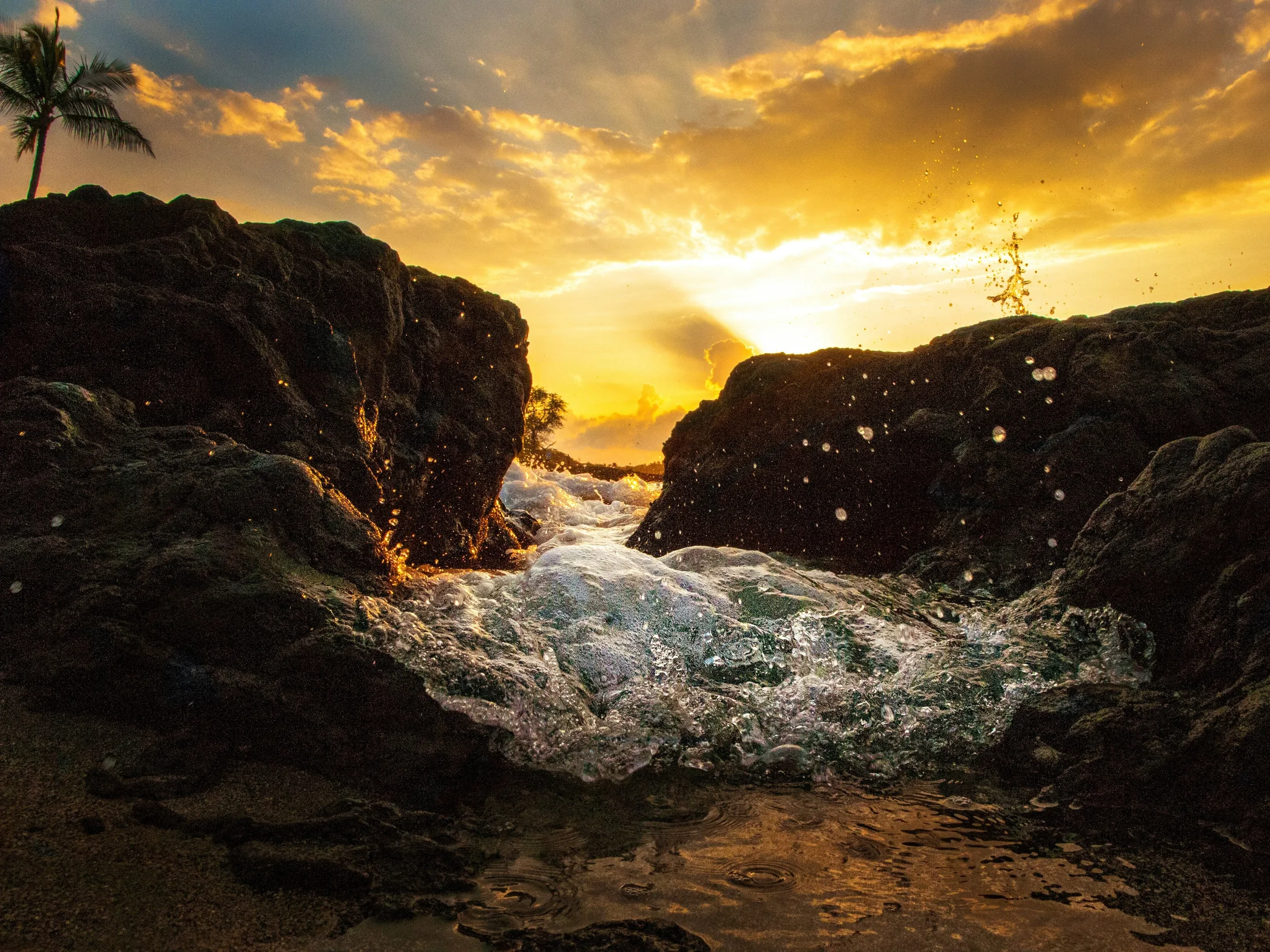
Winter is also when north and west-facing shores can see larger surf. That does not mean every beach is off-limits, but beach choice matters. The Big Island’s coastline is more rugged and lava-framed than many first-time visitors expect, so conditions can change the feel of a place quickly. If snorkeling is high on your list, favor protected, leeward spots when the ocean is calm, and be willing to switch to land when it is not.
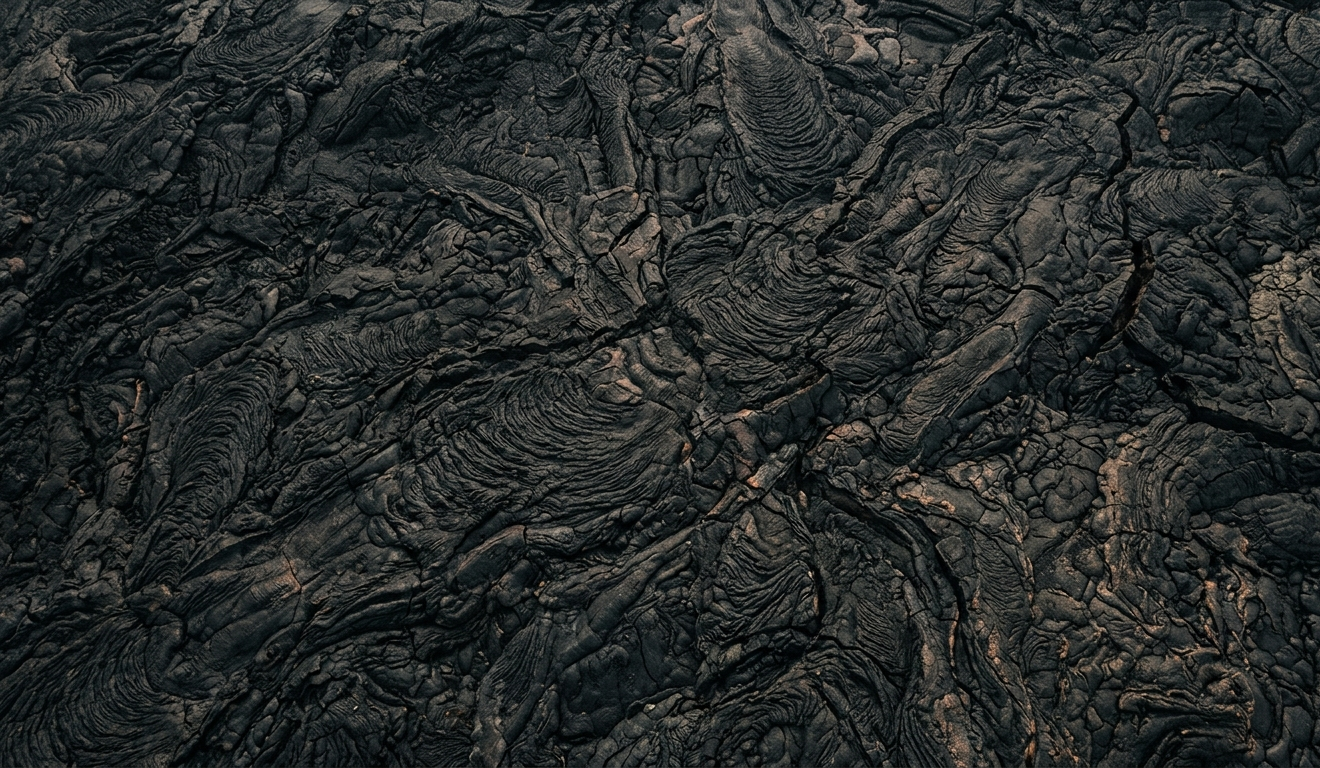
This is a beautiful season for Hawaiʻi Volcanoes National Park. The air at elevation is cooler, the native forest can be misty and atmospheric, and walks through lava fields and crater viewpoints feel different from the hot, bright coast. Bring layers. Volcano is not Kona with trees; it has its own climate, and winter evenings can feel genuinely chilly.
Good winter bets: whale watching on the Kohala or Kona side, volcano-country hikes, coffee farm visits, coastal viewpoint walks, and guided night-sky experiences when conditions cooperate.
Simple backup plan: If the ocean is rough, make it a volcano, coffee, waterfall, or scenic drive day.
Spring: green slopes, waterfalls, hula, and easier pacing
Spring, roughly March through May, is one of the most graceful times to visit Hawaiʻi Island. The holiday rush has eased, the island often feels a little more breathable, and the landscape still carries winter’s green.
On the Kona side, spring can bring the delicate white bloom of coffee flowers in the uplands — often called “Kona snow.” It is a small, local seasonal pleasure rather than a spectacle you schedule a whole trip around, but if you are already exploring coffee country, it adds a lovely sense of timing.
Spring is also a strong season for Hilo and the windward side. Waterfalls tend to feel alive after wetter months, gardens are lush, and the whole side of the island invites a slower kind of day: market browsing, scenic drives, short walks, rain showers passing through, then sun returning like nothing happened. Hilo is not trying to be Kona. Its weather, pace, and sense of place are different, and spring is a good time to appreciate that.
Spring is closely associated with hula in Hilo because of the Merrie Monarch Festival season. If your visit overlaps, plan well ahead and expect a busier, more energetic town; even being in Hilo that week can feel special through craft fairs, community events, and the presence of hālau from across the islands.
Ocean-wise, spring is a transition. Winter swells can still show up, but calmer windows become more common as the season moves toward summer. Snorkeling and boat trips on the Kona side can be excellent when conditions line up.
Good spring bets: Hilo gardens and waterfalls, Hawaiʻi Volcanoes National Park, Kona coffee country, whale watching early in the season, and calmer-water snorkeling as spring progresses.
Simple backup plan: If wind or swell changes your ocean plans, head mauka — upslope — for coffee, forest, or volcano air.
Summer: clear-water mornings, long coast days, and high-elevation escapes
Summer, from June through August, is when many visitors get the Kona Coast trip they were picturing: warm mornings, bright water, and long days built around snorkeling, paddling, boat tours, and sunset dinners.
The leeward west side — Kona and Kohala — is the island’s classic summer playground. Conditions are often friendlier for snorkeling than in winter, especially in the morning before afternoon wind has a say. This is a good season to prioritize ocean activities early in the day: reef time, appropriate kayak tours, manta ray night snorkels or dives, and boat trips that benefit from calmer seas.
Manta ray experiences are offered year-round, not just in summer, but summer’s general ocean pattern can make planning feel easier. Book reputable guided experiences ahead, especially if you are traveling during school vacation months. The same goes for popular tours connected to Mauna Kea, volcano experiences, and limited-capacity ocean activities.
When the coast feels hot, the Big Island gives you elevation. A day in Waimea can feel completely different from a day in Kona. Volcano can be cooler still. If you have a rental car and a flexible attitude, you can build days around temperature as much as scenery.
Be realistic about distance. The island is large. Driving from Kona to Hilo, or from the Kohala resorts to Hawaiʻi Volcanoes National Park, is not a quick hop. It is worth doing, but it is worth doing as a real day, not a squeezed-in errand between beach time and dinner.
Good summer bets: morning snorkeling on the Kona/Kohala side, manta ray night experiences, beach days with shade breaks, Waimea and upland drives, volcano-country day trips, and stargazing from appropriate lower or guided locations.
Simple backup plan: If the coast is too hot or windy, go upcountry. Waimea, coffee country, and Volcano offer a completely different version of the island.
Fall: quieter coastlines, coffee season, and the return of winter energy
Fall, roughly September through November, may be the most underrated planning window for the Big Island. Early fall can feel like summer with more elbow room. The ocean may still offer calm windows, the weather is often warm, and the heaviest visitor periods are usually not in full swing.
For ocean-focused travelers, September and October can be very appealing on the Kona side. Mornings are still your friend. Snorkel early, keep afternoons loose, and avoid building the whole trip around one boat day that cannot move. By later in the season, winter-style swell patterns can begin to reassert themselves.
Fall also belongs to coffee. Kona’s coffee harvest season gives the uplands a sense of work and celebration, and coffee farms can be especially interesting when you understand that this is not just a tasting-room crop — it is a major part of the district’s agricultural identity.
Hawaiʻi Volcanoes National Park remains a strong fall choice. The combination of thinner crowds, cooler air, and wide-open lava landscapes makes it a good counterpoint to beach-heavy days. On the Hilo side, expect the usual windward rhythm: showers, greenery, and weather that can change within the hour.
Fall can also bring major events to the Kona side in some years, including endurance-sport crowds and road impacts. If your dates overlap with a large event, lodging, dining, and traffic patterns may feel different for a few days.
Good fall bets: Kona and Kohala ocean mornings, coffee country, volcano hikes, Hilo-side gardens and waterfalls, and flexible scenic drives.
Simple backup plan: If later-fall swell affects snorkeling, shift to viewpoints, farm visits, or volcano country rather than forcing an ocean day.
The Big Island planning rule: pick by region, not just by month
The most useful seasonal advice for Hawaiʻi Island is this: your experience depends as much on region as season.
Kona and Kohala are generally the best base areas for travelers who want easy access to sunny beach and ocean days. Hilo and the Hāmākua Coast are better for rainforests, waterfalls, gardens, and a more local town rhythm. Volcano is its own cool, high-elevation world, ideal for travelers who want to spend real time with lava landscapes and native forest. Waimea and the uplands give you ranch country, cooler air, and a bridge between coasts.
That variety is the island’s great luxury. It also means you should resist overpacking your itinerary. A good Big Island day has room for the drive, the weather shift, the unplanned viewpoint, the bakery stop, the extra hour because the light got good.
You do not need to reserve every minute of a Big Island trip. In fact, you probably should not. But a few experiences are better arranged ahead: manta ray night snorkel or dive tours, Mauna Kea summit or stargazing tours, popular Kona Coast boat trips, special cultural events or festival-period lodging, holiday-season accommodations and rental cars, and guided volcano experiences if you want interpretation rather than a self-guided park day.
For most other days, leave space. The island is too weather-rich and geographically varied for a rigid plan to be the best plan.
You can have a beautiful trip in any season. Winter gives you whales and dramatic water. Spring brings green hillsides, waterfalls, and hula season in Hilo. Summer opens the door to long Kona Coast ocean days and high-elevation escapes. Fall offers warmth, coffee country, and a quieter rhythm before winter energy returns.
Choose the season that fits the kind of days you want — then let Hawaiʻi Island’s many climates do what they do best.

Further Reading
A few relevant next steps from Alakai Aloha.
 BlogHow to Plan a Relaxed Hilo Waterfalls Day
Start near Hilo at Rainbow Falls, follow the Wailuku River mauka, then wind north toward ʻAkaka Falls for an easy east-side day shaped by rain, greenery, and slow roads.
Editor's pick ActivityHawaiʻi Volcanoes National Park
Hawaiʻi Volcanoes National Park is a UNESCO World Heritage Site offering unparalleled opportunities to explore active volcanic landscapes, diverse ecosystems, and ancient Hawaiian culture, providing a profound connection to Earth's powerful forces.
Editor's pick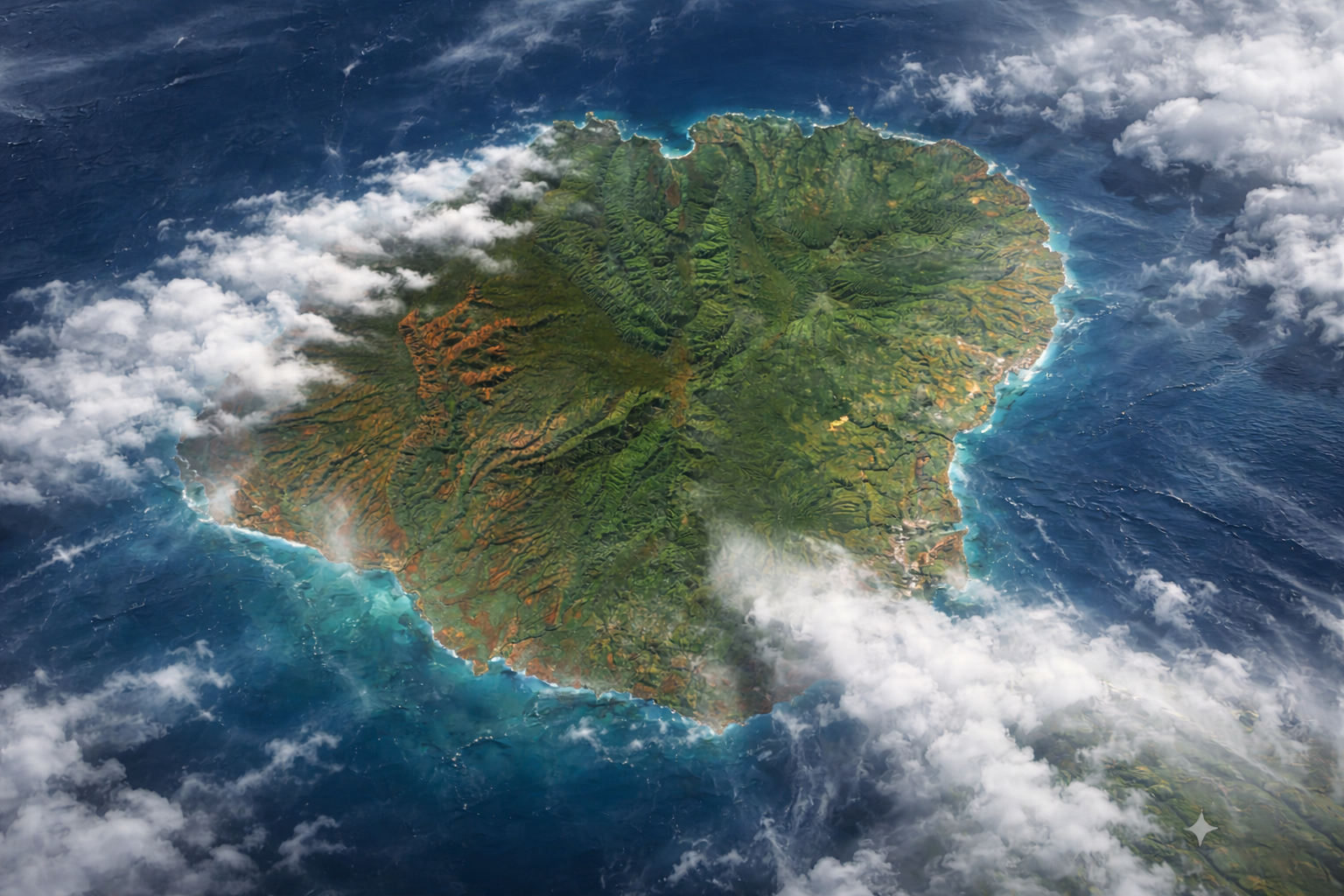 ToolCompare island weather by region
See how rain, wind, and conditions vary around the island before you choose your day plan.
Useful planning tool ActivityManta Ray Night Snorkel
Experience an unforgettable night snorkel on the Big Island, where powerful underwater lights attract majestic manta rays for an up-close and mesmerizing feeding spectacle.
Editor's pick