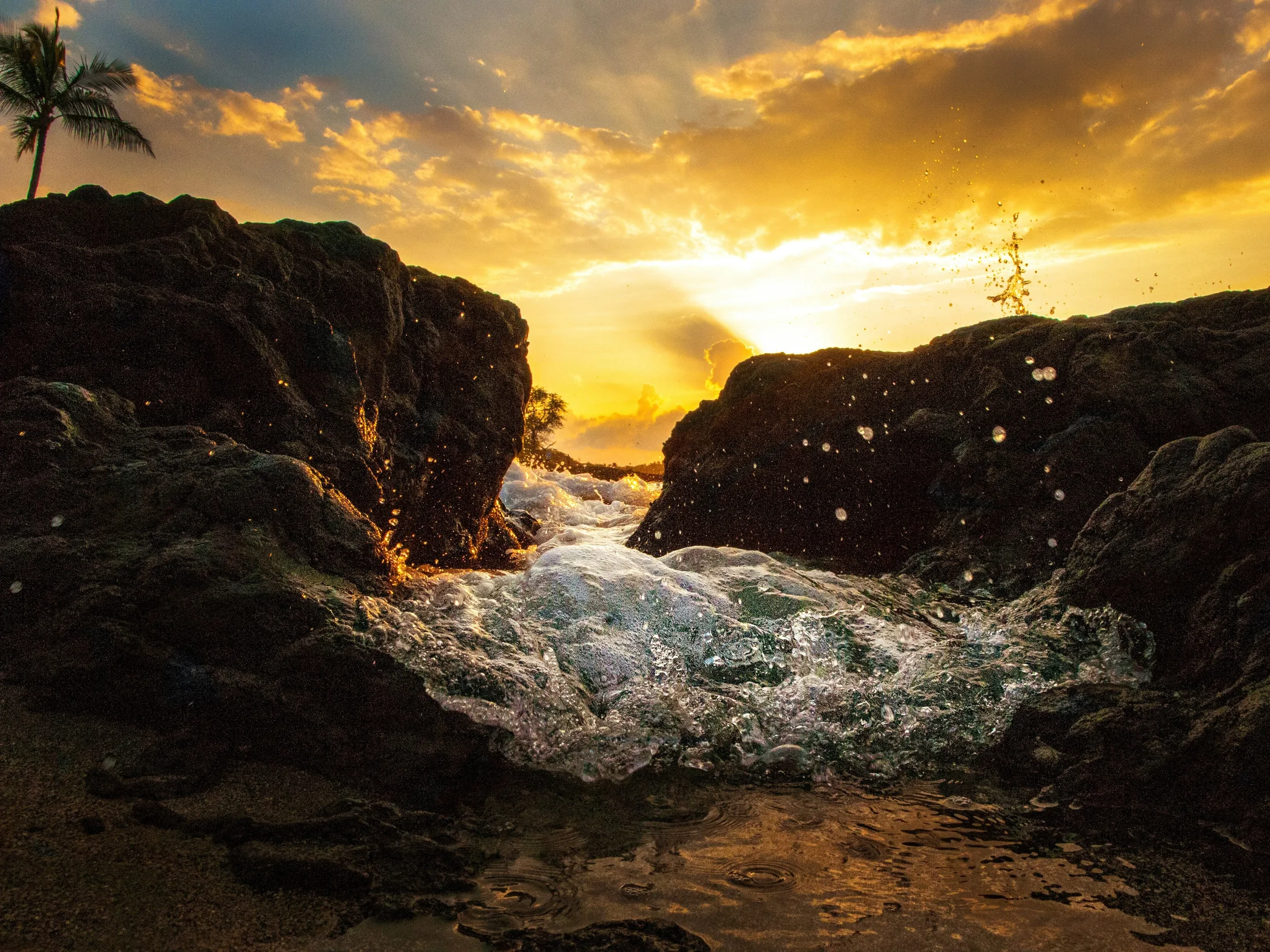


Hawaiʻi Island is a terrific choice for teens, but not because it keeps everything easy.
It’s big, spread out, and full of contrasts: lava fields and green rainforest, manta rays after dark and quiet coffee roads in the morning, beach time on the Kohala Coast and steam vents at Hawaiʻi Volcanoes National Park. For older kids, that scale can be a gift. The trip feels less like being moved from one attraction to the next and more like crossing different worlds.
The trick is planning it honestly. Hawaiʻi Island rewards families who don’t try to “do the island” every day. Pick smart bases, build in big-adventure days, and leave room for food, sleep, and the kind of beach afternoon where nobody has to be impressive.
Why Hawaiʻi Island works especially well for teens
Some islands make family travel easy by putting a lot close together. Hawaiʻi Island does the opposite. It gives teens space.
Older kids who are bored by another pretty lookout often perk up here because the island has real variety: active volcanic landscapes, night ocean experiences, snorkeling, ranch country, waterfalls, farmers markets, lava-rock coastlines, and long drives where the scenery actually changes. It is also one of the better Hawaiian islands for teens who like science, geology, photography, astronomy, marine life, or just being somewhere that feels very different from home.
What it does not offer is a dense, walkable resort-and-town scene everywhere. If your teen’s dream trip includes shopping after dinner, lots of casual nightlife, and minimal car time, choose your base carefully. Kona and the Kohala Coast are usually easier for resort comfort, ocean activities, and sunny beach days. Hilo and Volcano are better for rainforest, waterfalls, and national park time, but they feel quieter and wetter.
For many families, the best teen trip is split: several nights on the Kona/Kohala side, and one or two nights near Hilo or Volcano if the itinerary allows.
Where to stay with teens
Kona side: easiest for activities and food
The Kona coast is practical because many ocean activities depart from this side, and there are more casual places to eat, shop, and wander between plans. If your teen wants snorkeling, boat tours, açai bowls, shave ice, and evening options that don’t require much imagination, Kona is the simpler base.
It is also a good fit if you want to avoid changing hotels. You can still make a volcano day from Kona, but it becomes a long one.
Kohala Coast: resort comfort and beach days
The Kohala Coast is the place to look if your priority is sunshine, pool time, larger resorts, and beach days that feel like vacation instead of logistics. It tends to work well for teens who are happy alternating one adventure day with one low-effort day.
The tradeoff is distance from some Kona-town restaurants and many east-side sights. But for families who want the trip to feel relaxed, a resort base here can keep everyone from getting over-scheduled.
Hilo or Volcano: better for park-and-rainforest days
If Hawaiʻi Volcanoes National Park is a major reason for the trip, consider spending a night or two near Volcano or Hilo. Instead of treating the park as a rushed day trip, you can explore in cooler parts of the day and let teens experience the landscape without a long round-trip drive hanging over everyone.
Hilo is better for town access, food, waterfalls, and east-side exploring. Volcano is quieter and more atmospheric, especially if your family likes cabins, misty mornings, and being close to the national park.
The big teen wins on Hawaiʻi Island
Hawaiʻi Volcanoes National Park
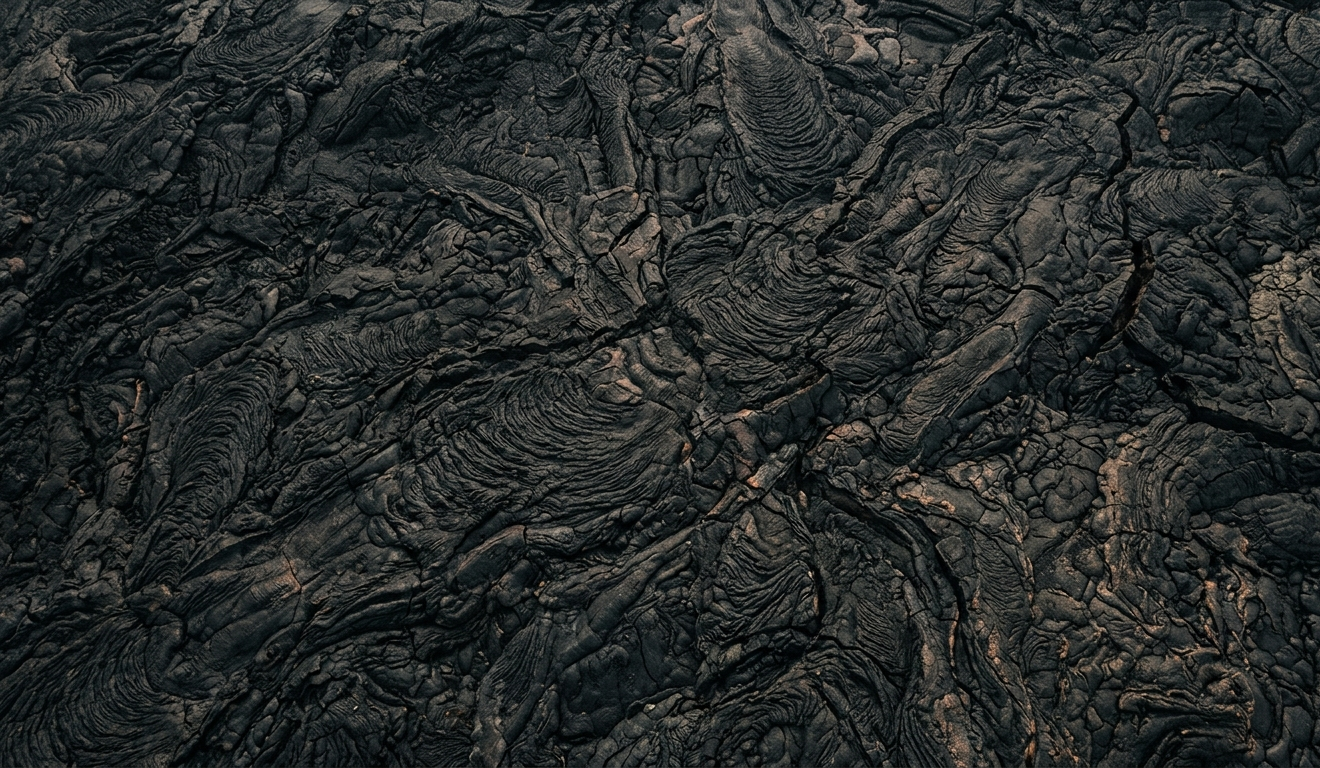
For many older kids, this is the moment the island clicks. Hawaiʻi Volcanoes National Park is not just a scenic stop; it is a living landscape of craters, lava flows, steam, native forest, and roads that move through radically different terrain.
Teens who are not usually “national park people” often respond well here because the place feels active and strange. Keep the day flexible: a crater overlook, a short walk through lava or forest, a drive toward the coast, and time at the visitor center if your family likes context.
One or two strong experiences are better than a packed list. Bring layers, water, and snacks, and expect weather to change. If volcanic activity is a priority, check current park guidance before building plans around a specific viewing experience.
Manta ray night snorkel or dive
This is one of Hawaiʻi Island’s signature teen experiences: going out after dark on the Kona side to see manta rays feeding in illuminated water. For confident swimmers and ocean-comfortable teens, it can be unforgettable.
Not every teen wants to be in the ocean at night, and that is fine. Read operator requirements carefully, including age, swimming ability, and whether snorkeling or diving is involved. If your older kid is excited rather than merely willing, this can be the story they tell first when they get home.
Snorkeling on the Kona coast
The Kona side has some of the island’s best-known snorkeling areas, including places around Kealakekua Bay and the coast near Hōnaunau. Many families choose guided boat trips because they simplify access, gear, and conditions. Teens who like marine life often enjoy the boat day as much as the snorkeling itself.
If you snorkel from shore, keep it simple and condition-dependent. Hawaiʻi Island’s west coast can be rocky, and entries vary. For low-stress family snorkeling, comfort matters more than chasing the most famous name.
Beach days that do not feel babyish
Older kids usually want beaches where they can have a little independence: swim, bodyboard, walk, take photos, listen to music, or just not be managed every five minutes. On the west side, beaches along the Kohala Coast are often the easiest for this kind of day because the setting is open and resort-oriented.
Hāpuna Beach is one of the island’s classic big-sand beach days when conditions are good. Spencer Beach Park can be a calmer family option. Around Kailua-Kona, smaller beaches and coves can be fun for shorter stops, though they are not all equally easy for swimming.
Waterfalls and the Hilo side
The east side gives the trip a completely different mood. It is greener, cloudier, and more waterfall-oriented. ʻAkaka Falls is a popular stop for good reason: it gives you a lush walk and a dramatic waterfall without demanding a major hike. Rainbow Falls is closer to Hilo and easy to pair with a town stop.
This side can be a good reset after several hot beach days. It is also better for families who like casual exploring: grab food, visit a market, drive through rainforest, stop when the view changes.
Stargazing and high-elevation nights
Hawaiʻi Island has a deep connection to astronomy, and older kids often find the night sky here more compelling than another daytime viewpoint. Families sometimes build a stargazing experience into the Saddle Road or Mauna Kea area, either independently from appropriate public areas or with a guided tour.
High elevation is colder and more physically demanding than beach level, and access rules can change. Choose an option that fits your family’s comfort, clothing, and schedule. Even a simple night-sky stop away from heavy lights can feel special if you do not overcomplicate it.
Food that keeps the peace
Food matters more with teens than most itineraries admit. Hawaiʻi Island is large enough that “we’ll figure it out later” can turn into a hungry 45-minute drive.
On the Kona side, plan around casual meals: poke, plate lunches, fish tacos, burgers, malasadas, shave ice, smoothies, and coffee-shop breakfasts. Teens usually appreciate meals where they can choose quickly and eat outside without a long restaurant production.
In Hilo, the rhythm is different: local lunch spots, bakeries, market snacks, mochi, bento, and plate lunches. If your family is crossing the island, Hilo can be a good place to recharge before waterfalls or the national park.
A useful rule: anchor one real meal per day, then keep the rest flexible. If you have a manta tour, volcano day, or long drive, know where dinner is likely to happen before everyone is exhausted.
A low-stress 4- to 7-day shape
Think of this less as a schedule and more as a way to avoid stacking the wrong things together.
Day 1: Arrive and stay close. Get settled, swim if there is time, eat something easy, and let teens decompress.
Day 2: Kona coast ocean day. Make this a snorkel, beach, or boat day. If your teen is excited about marine life, schedule it early so you have room to adjust if conditions interfere.
Day 3: Big beach and small-town wandering. Use this as your lower-pressure west-side day: Hāpuna or another Kohala beach when conditions are favorable, then a casual meal, shave ice, or a Kona stroll.
Day 4: Volcano day or move east. If you are staying only on the west side, make this your full Hawaiʻi Volcanoes National Park day and accept the drive. If you can split the trip, move to Volcano or Hilo and make the park feel less rushed.
Day 5: Hilo, waterfalls, and rainforest. Visit an easy waterfall stop, eat locally, and let the day be greener and slower. If you stayed near Volcano, this can also be your second pass at the park.
Day 6: Manta rays or stargazing. Save one night experience for later in the trip, when everyone has adjusted a bit. Manta rays suit ocean-confident families; stargazing suits teens who like science, photography, or quiet.
Day 7: No heroics. On the last full day, resist the urge to cross off one more distant sight. Pick a beach, pool, favorite food stop, or short scenic drive.
How to keep teens engaged without over-planning them
The best teen trips on Hawaiʻi Island leave room for choice. Offer two options instead of an open-ended “What do you want to do?” Try: “Volcano morning and Hilo lunch, or beach morning and manta tour tonight?” Older kids usually respond better when they can influence the shape of the day without being handed the whole burden of planning.
Also, protect downtime. Hawaiʻi Island’s drives are beautiful, but they are still drives. A teen who loved the manta ray snorkel may not love being woken up early the next morning for a waterfall on the other side of the island. Alternate high-output days with easier ones when you can.
Hawaiʻi Island is not the easiest island to skim. That is exactly why it can be so good with older kids. Give it enough time, choose your bases with care, and let the island’s contrasts do the work: black lava underfoot, stars overhead, warm ocean after breakfast, rainforest by afternoon, and the sense that the island was bigger than the itinerary.

Further Reading
A few relevant next steps from Alakai Aloha.
 BlogBig Island Teen Trip Ideas That Actually Work
Keep teens engaged on the Big Island with a mix of beaches, lava landscapes, manta rays, food stops, stargazing, and smart drive planning.
Editor's pick GuideBest Hotels & Resorts on Hawaiʻi Island
A guide to Big Island hotels.
Editor's pick ActivityHapuna Beach
Hapuna Beach offers nearly a half mile of pristine white sand and clear waters on the Big Island's Kohala Coast, perfect for swimming, bodyboarding, and sunbathing with excellent family-friendly amenities.
Editor's pick ActivityHawaiʻi Volcanoes National Park
Hawaiʻi Volcanoes National Park is a UNESCO World Heritage Site offering unparalleled opportunities to explore active volcanic landscapes, diverse ecosystems, and ancient Hawaiian culture, providing a profound connection to Earth's powerful forces.
Editor's pick