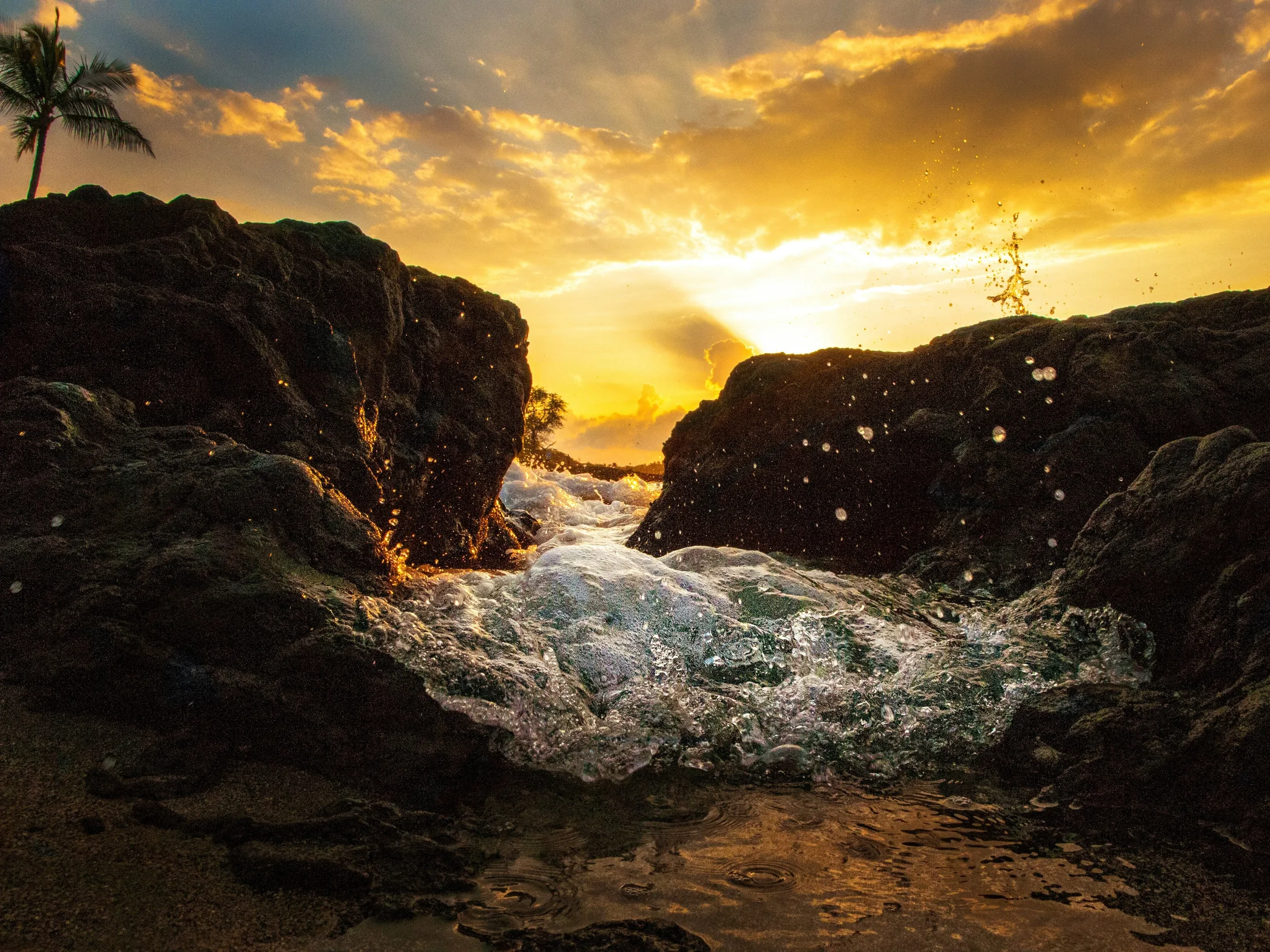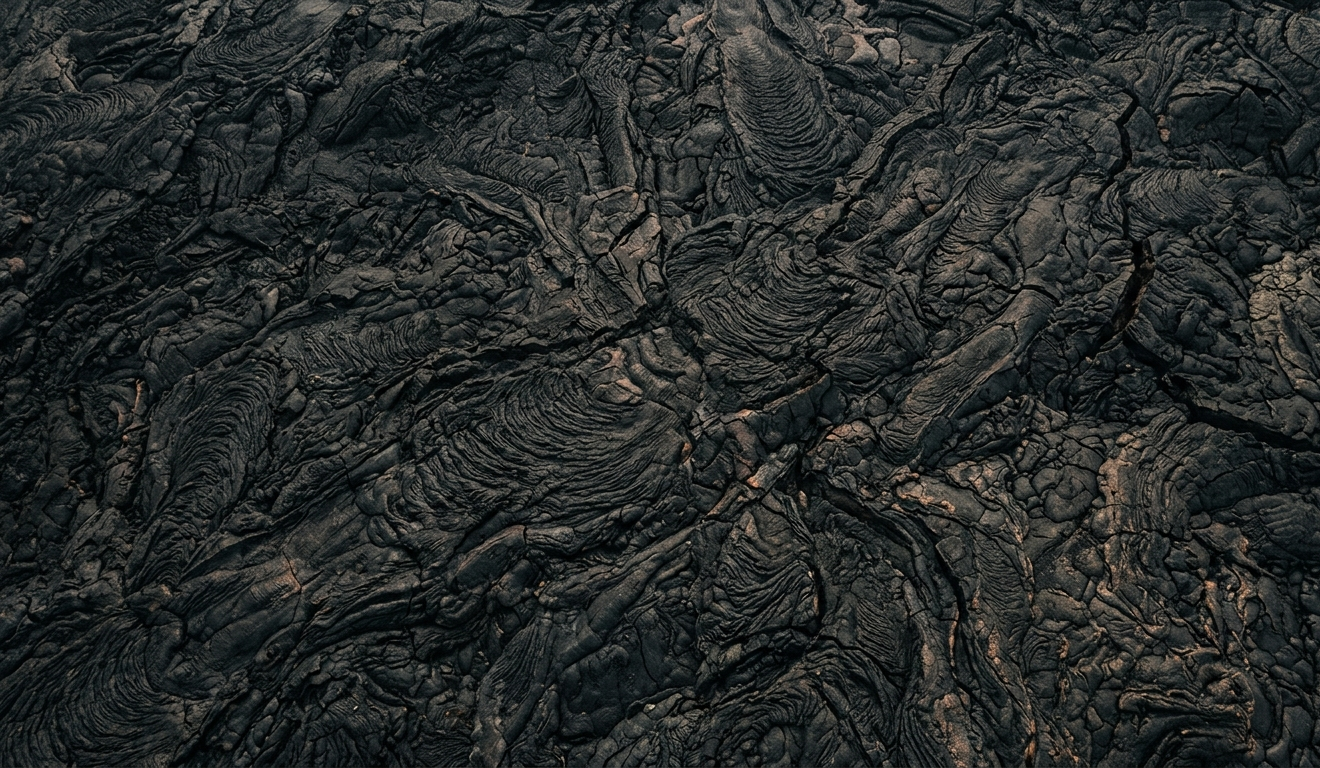


The Big Island is unusually good for teenagers because it doesn’t ask them to be impressed by one thing all week. One day can be ocean and shave ice. The next can be lava rock, astronomy, black sand, or a weirdly good plate lunch in a town they didn’t expect to like.
The trick is not to build a trip around “family bonding” as a vague concept. Build it around contrast. Teens tend to do better when the day has a clear hook: night snorkeling, volcano steam vents, a beach with turtles, a town with food, stars that look fake in the best possible way. On Hawaiʻi Island, you have plenty of those hooks. You just have to respect the scale of the island and avoid turning every outing into a long, hot march.
Start with the Big Island reality: drives are part of the trip
Hawaiʻi Island is large enough that geography matters. Kona and the Kohala Coast work well for sunny beach time, resort pools, snorkeling, manta ray tours, and easier food logistics. Hilo is wetter, greener, and closer to waterfalls, gardens, and the east-side approach to Hawaiʻi Volcanoes National Park. Volcano village puts you near the park, with a cooler, moodier feel that can be a nice break from the coast.
For teens, that means one important planning rule: do not make every good idea a day trip from the wrong base.
If you are staying in Kona or Kohala, a volcano day is possible, but it is a real outing. If you are staying in Hilo or Volcano, west-side beaches and manta tours take more thought. The best family trips usually either split the stay between west side and east/Volcano, or they choose one base and accept that not every region will fit.
That honesty keeps the trip from becoming a minivan endurance test.
Use the volcano as the anchor, not another hike
Hawaiʻi Volcanoes National Park is one of the rare places that can pull a teen out of their phone without asking them to pretend they love interpretive plaques. The landscape does a lot of the work: old lava flows, steam vents, crater views, lava tubes, sulfur smells, changing weather, and the feeling that the ground has a memory.
You do not need to plan a serious hike for the park to land well. A better teen-friendly approach is to treat it like a choose-your-own-adventure:
Stop at overlooks and let the scale sink in. Walk a short lava tube route if it is open. Drive Chain of Craters Road if your group has patience for a longer scenic descent through lava fields. Let teens take photos, wander a little, and ask weird questions. Bring layers; Volcano can feel surprisingly cool compared with the coast.
What not to do: over-schedule the park with back-to-back trails, especially if your teens are not hikers. One or two short walks plus strong viewpoints will usually beat a forced “we came all this way” march.
Make astronomy feel like an event
The Big Island has an unusually strong astronomy identity, and teens often connect with it because it feels bigger than a sightseeing stop. Even if no one in your family can name a constellation beyond Orion, a clear night here can be astonishing.
Keep it simple with stargazing from a darker area near your lodging, look for a visitor-oriented astronomy program if it fits your route, or book a guided outing if you want interpretation and equipment. If considering higher-elevation areas around Mauna Kea, look carefully at access guidance and altitude considerations before making plans.
The teen-friendly move is to make the night feel intentional. Get snacks first. Bring warm layers. Don’t make it a lecture. Let the sky do its thing.
Also, do not underestimate how much teens enjoy being out late for a reason their parents actually approve of.
Give water days different personalities
A week of “go to the beach” can blur together for teens. A week where each water day has a different personality works much better.
On the Kona side, choose a protected, beginner-appropriate snorkel spot or a guided boat trip that matches your family’s comfort level. For teens who like independence, snorkeling is great because it gives them something to do without constant adult narration.
Then give the ocean a different mood. The manta ray experience off the Kona coast is one of the Big Island’s signature teen-friendly activities because it has a built-in wow factor. It is unusual, nighttime, ocean-based, and memorable without requiring anyone to hike uphill in matching family shirts. For the right family, it can be the headline memory of the trip.
Balance that with a beach day where the whole point is swimming, shorebreak watching, bodyboarding where conditions are appropriate, and doing very little on a schedule. The Kohala Coast and Kona-side beaches are often the easiest places to plan this kind of day from west-side lodging.
This is where parents can resist the urge to “make the most of the day.” Sometimes the best teen travel strategy is lunch, beach, pool, repeat.
Use black sand as a story, not just a photo stop
A black sand beach is the kind of place teens may pretend not to care about until they start taking pictures. Punaluʻu is the best-known example for many visitors, often paired with a volcano or south-island route.
The appeal is simple: it looks different from the beaches they imagined. The contrast of dark sand, palms, blue water, and sometimes honu resting on shore makes it feel specific to this island.
A black sand stop works best when you do not oversell it. Call it a stretch break with a view, not the emotional climax of the vacation.
Add one “controlled adrenaline” activity
Not every teen wants a full adventure itinerary. But one structured, higher-energy outing can reset the whole trip.
Depending on your family’s budget and comfort, that might mean ziplining on the Hāmākua side, a guided ATV or ranch-style tour, surf lessons at an appropriate beginner area, a boat tour along the Kona coast, or a horseback ride through upland or ranch country.
The phrase to keep in mind is controlled adrenaline. Teens want the story: “we did this thing.” Parents want competence, gear, and someone else managing the risk. Guided activities are useful because they create a clear event without parents having to become camp counselors.
Before booking, check age, weight, swimming, and weather policies directly with the operator. Those details vary and are not worth guessing.
Let towns do some of the work
Teens often engage more when they can wander a little, choose food, and feel like the day is not entirely being managed for them. The Big Island’s towns are good for that in small doses.
Kona works well for an easy evening: oceanfront walking, casual food, dessert, and people-watching. Hilo is better when you lean into its rainy-side personality: farmers market browsing, bakeries, shave ice, bookstores or small shops, and a slower pace. Waimea can be a useful change of mood if your teens like cooler air, ranch country, and a meal stop that does not feel like another beach-town lunch.
The point is not to “tour towns.” It is to give the trip texture between the bigger activities.
Make cultural stops short, specific, and worth attention
With teens, cultural learning works best when it is grounded in a place rather than delivered as a generic experience. On Hawaiʻi Island, that might mean a visit to Puʻuhonua o Hōnaunau National Historical Park, time with petroglyphs where public access is appropriate, or a program led by cultural practitioners through a reputable venue.
Choose one stop, give it enough time to breathe, and connect it to the landscape around you. Why was this coast important? What can you see in the lava rock, fishponds, walls, or canoe landing areas that makes the past feel less abstract?
Teens do not need everything simplified. They usually just need the visit to feel real.
Give them some control, but not the whole steering wheel
A good Big Island teen itinerary has choices built in:
“Do you want the manta snorkel or a surf lesson?”
“Do you want a full volcano day or volcano plus black sand beach?”
“Do you want Hilo food stops or more beach time?”
That kind of choice matters. It gives teens ownership without handing them the impossible job of planning the family vacation.
It also helps to alternate who the day is for. One day may be built around a parent’s volcano dream. The next may be beach, snacks, and pool time because that is what the teens actually want. Everyone behaves better when they know their turn is coming.
A simple rhythm that works
For a week on the Big Island with teens, think in rhythm rather than a rigid list:
One volcano-focused day One memorable ocean activity One true beach-and-pool day One astronomy or night activity One east-side or waterfall day if your route allows One flexible town-and-food evening One open block for whatever the family wants more of
That gives the trip shape without making every day ambitious.
The Big Island rewards curiosity, but it also rewards restraint. You do not have to see every district, swim at every beach, or turn every volcanic feature into a lesson. With teens, the goal is simpler: give them enough novelty to stay awake, enough freedom to feel respected, and enough downtime that the whole trip does not become a performance.
Do that, and Hawaiʻi Island tends to win them over on its own terms: lava underfoot, stars overhead, saltwater in their hair, and at least one meal they will bring up again long after the flight home.

Further Reading
A few relevant next steps from Alakai Aloha.
 BlogA Low-Stress Hawaiʻi Island Trip With Teens
Plan a teen-friendly Hawaiʻi Island trip with volcano days, manta rays, beach breaks, food stops, and smart bases that keep big distances manageable.
Editor's pick GuideBest Hotels & Resorts on Hawaiʻi Island
A guide to Big Island hotels.
Editor's pick ActivityChain of Craters Road
Descend 3,700 feet on Chain of Craters Road in Hawaiʻi Volcanoes National Park, a 19-mile scenic drive showcasing dramatic volcanic landscapes, ancient petroglyphs, and coastal views to the Hōlei Sea Arch.
Editor's pick ActivityHawaiʻi Volcanoes National Park
Hawaiʻi Volcanoes National Park is a UNESCO World Heritage Site offering unparalleled opportunities to explore active volcanic landscapes, diverse ecosystems, and ancient Hawaiian culture, providing a profound connection to Earth's powerful forces.
Editor's pick