

Packing for Hawaiʻi with kids is not about stuffing the suitcase with every beach thing you own. It is about knowing which small comforts will save a morning, which layers will actually get used, and which island details change the list.
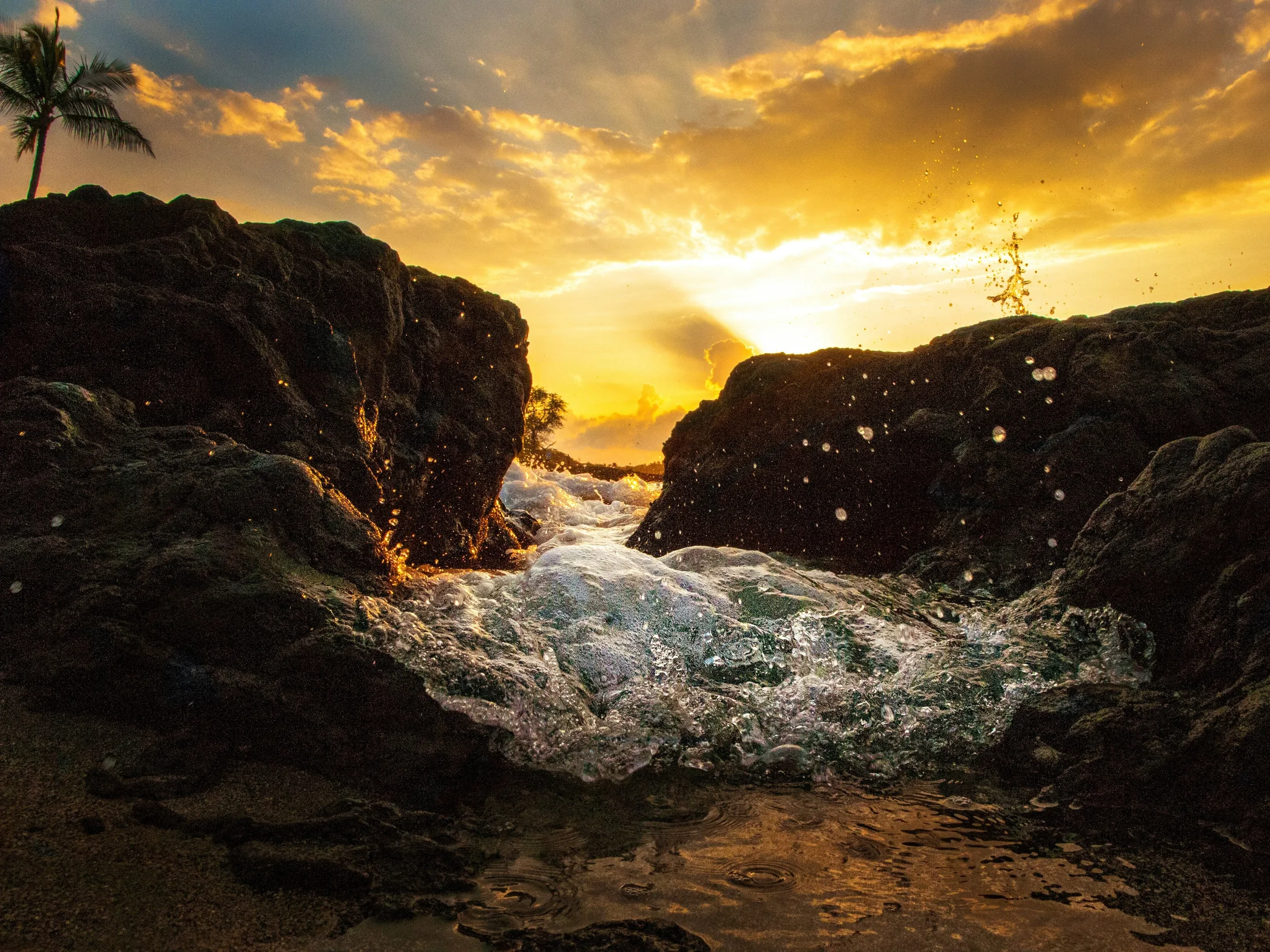
For Hawaiʻi Island — the Big Island — the main detail is range. You can spend one day in dry Kona sun, another in cooler upcountry around Waimea or Volcano, and another on a breezy coast with lava rock underfoot. A Big Island packing list needs more flexibility than a simple resort-beach suitcase.
The good news: you do not need fancy gear. You need breathable clothes, sun coverage, practical shoes, a few kid-specific comforts, and a plan for wet, sandy, dusty, and chilly moments.
The Big Island packing mindset
Most families under-pack one thing for Hawaiʻi Island: layers.
Not heavy winter clothes. Just real layers — a sweatshirt, light pants, a rain shell, socks, and shoes that are not flip-flops. The island has dramatic elevation changes, and family days often include long drives between very different climates. A morning beach bag and an afternoon Volcanoes bag are not the same bag.
A simple approach:
Beach base: swimsuits, rash guards, sandals, hats, sunscreen, water bottles, wet bag. Town and dinner base: casual clothes, one nicer outfit, light sweater for air-conditioning or cooler evenings. Volcano/upcountry base: closed-toe shoes, long pants or leggings, warm layer, rain jacket. Car day base: snacks, chargers, extra clothes for small kids, motion-sickness supplies if your child needs them.
If you are staying mostly on the Kona or Kohala side, your suitcase can lean sunny and dry. If you are spending meaningful time near Hilo, along the Hāmākua Coast, or around Volcano, give rain and cooler air more space in the packing plan.
Family essentials that work across the island
Pack more sun coverage than sunscreen. Rash guards, swim shirts, wide-brim hats, and sunglasses make beach days easier, especially for kids who dislike repeated sunscreen applications. Hawaiʻi restricts sunscreens with certain reef-harming ingredients, including oxybenzone and octinoxate, so mineral sunscreen is the safer packing choice.
For footwear, bring three categories if you can:
Sandals or slippers for the beach and quick errands. Sneakers or trail shoes for lava paths, lookouts, parks, and longer walking days. Water shoes if your kids are sensitive to rocky entries or uneven footing.
You do not need a full medicine cabinet, but bring what your family reaches for at home: fever reducer, bandages, allergy medicine, motion-sickness support, prescriptions, and a small thermometer for younger children. Pharmacies and stores exist on the island, but they may not be close when you need them after a long beach day.
Also worth packing:
Refillable water bottles for each person. A soft cooler or insulated lunch bag. Wet/dry bags for swimsuits and sandy clothes. A few resealable bags for snacks, shells, small toys, or the mystery wet item that appears every day. Portable chargers and charging cables. A lightweight daypack adults do not mind carrying.
For babies and toddlers: pack for rhythm, shade, and mess
With toddlers, the best packing choices protect sleep, food, and transitions. Hawaiʻi is exciting; toddlers still need the boring things that keep the day from unraveling.
Bring enough diapers, wipes, formula, special snacks, and baby food for at least the travel day and your first couple of days on island. You can usually restock basics, but familiar brands and sizes are not guaranteed everywhere, and no one wants the first vacation errand to be a diaper hunt.
For clothing, think light and washable: breathable outfits, two or more swimsuits or rash guard sets, swim diapers if needed, a sun hat with a strap, lightweight pajamas, a sweatshirt or fleece, socks, and closed-toe shoes.
A compact stroller can be useful for airports, resorts, town walks, and dinner waits. But for uneven ground, short trails, or lava-rock areas, a carrier is often more useful. If your child still naps on the go, a carrier can save a whole afternoon.
For the beach, skip bulky toys if luggage space is tight. A collapsible bucket, a small shovel, and a few bath toys are enough. Many toddlers are just as happy moving water from one container to another.
Do not forget comfort items: sleep sack, small blanket, pacifiers, white-noise machine or app, favorite stuffed animal, and a nightlight if your child wakes in unfamiliar rooms. These are not “extra.” They are vacation infrastructure.
For kids ages 5–9: pack for independence
This is a great age for Hawaiʻi Island. Kids can carry a small backpack, notice landscapes changing, and get excited about beaches, lava rock, waterfalls, farms, and park walks. They also get hungry at the least convenient possible moment.
Give each child a small daypack with their water bottle, hat, sunglasses, light layer, snack, small activity for restaurants or drives, and a change of clothes on longer days.
Clothes should be quick-drying and not precious. Hawaiʻi Island can be dusty, sandy, rainy, and muddy in the same trip. Pack shorts, T-shirts, swimsuits, rash guards, and at least one pair of long pants or leggings.
Closed-toe shoes matter more here than some families expect. Even if you are not planning difficult hikes, you may walk across rough lava, gravel lots, wet paths, or uneven lookout areas. Comfortable sneakers beat cute sandals for those days.
For water time, goggles are often worth bringing. Snorkel sets are more personal: if your child already has one that fits well, pack it. If not, do not buy a complicated set just because you are going to Hawaiʻi. A comfortable mask matters more than checking a box.
For tweens and teens: pack for activity, photos, and autonomy
Older kids usually need less gear and more say. Let them help pack, but give clear island-specific guardrails: bring real shoes, one warm layer, one rain layer, and clothes that can get dirty.
Their list should include two swimsuits, a rash guard or sun shirt, casual warm-weather clothes, one outfit they feel good wearing to dinner, sneakers or trail shoes, sandals, a light jacket or sweatshirt, a refillable water bottle, headphones, a portable charger, and a dry pouch for phone protection around sand and water.
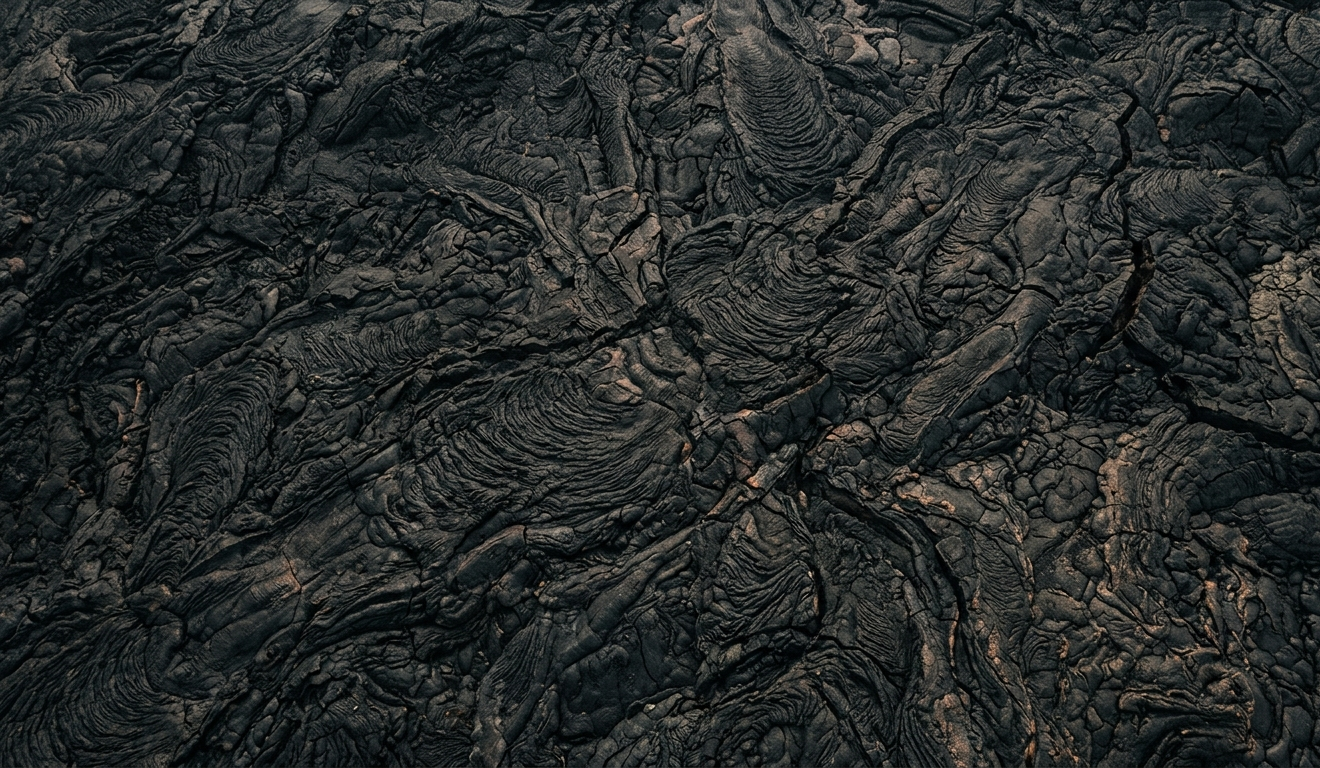
Teens often want photos, and Hawaiʻi Island gives them plenty to work with: black lava coastlines, green pastures, old lava flows, beach sunsets, misty forests, and big skies. A phone is enough. What they really need is battery life, storage space, and a way to keep sand out of ports and pockets.
Big Island add-ons most families are glad they packed
These are the items that distinguish a Big Island suitcase from a generic Hawaiʻi suitcase.
A true warm layer
Not just a gauzy cardigan. Bring a sweatshirt, fleece, or packable jacket for each person if you plan to visit higher-elevation areas, spend time around Volcano, or do early/late outings. Kids cool down fast after a full day outside.
Closed-toe shoes you can get dirty
Lava rock, gravel, dust, and wet paths are hard on flimsy shoes. You do not need hiking boots for most family sightseeing, but you do want sneakers or trail shoes with grip.
A light rain jacket
Especially if your route includes Hilo, Hāmākua, Volcano, or upcountry stops. Umbrellas are fine for town; jackets are easier with kids who want their hands free.
A car kit
Hawaiʻi Island is large, and family days often involve more driving than first-time visitors expect. Keep a tote in the car with snacks, water, extra clothes, wipes, sunscreen, and a few plastic or wet bags. This is less about emergency preparedness and more about not unpacking the whole room every morning.
Clothes that tolerate red dirt, black sand, and sunscreen
White linen on adults is one thing. White shorts on kids are an optimistic choice. Pack clothes that can come home with proof of vacation.
If you are visiting more than one island
The base family list stays the same across Hawaiʻi: sun protection, swimwear, easy clothes, water bottles, sandals, real shoes, and comfort items for kids.
The adjustment is emphasis:
Kauaʻi: more rain-and-mud thinking, especially for north shore or trail-heavy plans. Oʻahu: more city walking, restaurant, museum, and attraction clothes alongside beach gear. Maui: wind and cooler high-elevation plans can make layers more important than expected. Hawaiʻi Island: the biggest climate swing, with beach heat, upcountry cool, lava landscapes, and longer drive days.
If your trip includes the Big Island plus another island, pack for the Big Island first. Its variety will cover most of what you need elsewhere.
What you can usually leave home
You do not need full-size beach towels if your lodging provides them. You probably do not need bulky beach toys, a giant stroller, dressy shoes for every child, or multiple “just in case” outfits that only work in one imaginary scenario.
Families also tend to overpack denim. One pair of jeans may be useful for an older kid or adult, but heavy denim is slow to dry and not especially comfortable in warm coastal weather.
The better move is to pack lighter clothing and plan to do laundry if your stay is long enough. With kids, laundry access is often more valuable than two extra suitcases.
A final pass before you zip the bags
Before leaving, lay out one complete day for each kind of Big Island experience you expect:
A hot beach day. A casual town and dinner day. A cooler Volcano or upcountry day. A long car day.
If every child has clothes, shoes, sun protection, and comfort items for those four versions of the trip, you are in good shape.
Family travel to Hawaiʻi does not have to be perfectly packed to be wonderful. The best suitcase is the one that lets you say yes easily: yes to one more beach hour, yes to a misty overlook, yes to dinner after a sandy afternoon, yes to a kid who needs dry shorts right now. On Hawaiʻi Island, that means a little less fantasy packing and a little more range.
Further Reading
A few relevant next steps from Alakai Aloha.
 BlogRainy Day Family Fun on the Big Island
A practical guide to Big Island rainy-day plans, from Hilo museums and covered farm stops to low-key Kona, Kohala, Volcano, and Waimea ideas.
Editor's pick GuideBest Hotels & Resorts on Hawaiʻi Island
A guide to Big Island hotels.
Editor's pick BlogA Calmer Big Island Itinerary With Kids
Plan Big Island family days around one real morning outing, protected midday downtime, and flexible late afternoons that keep naps and moods intact.
Editor's pick BlogA Low-Stress Hawaiʻi Island Trip With Teens
Plan a teen-friendly Hawaiʻi Island trip with volcano days, manta rays, beach breaks, food stops, and smart bases that keep big distances manageable.
Editor's pick