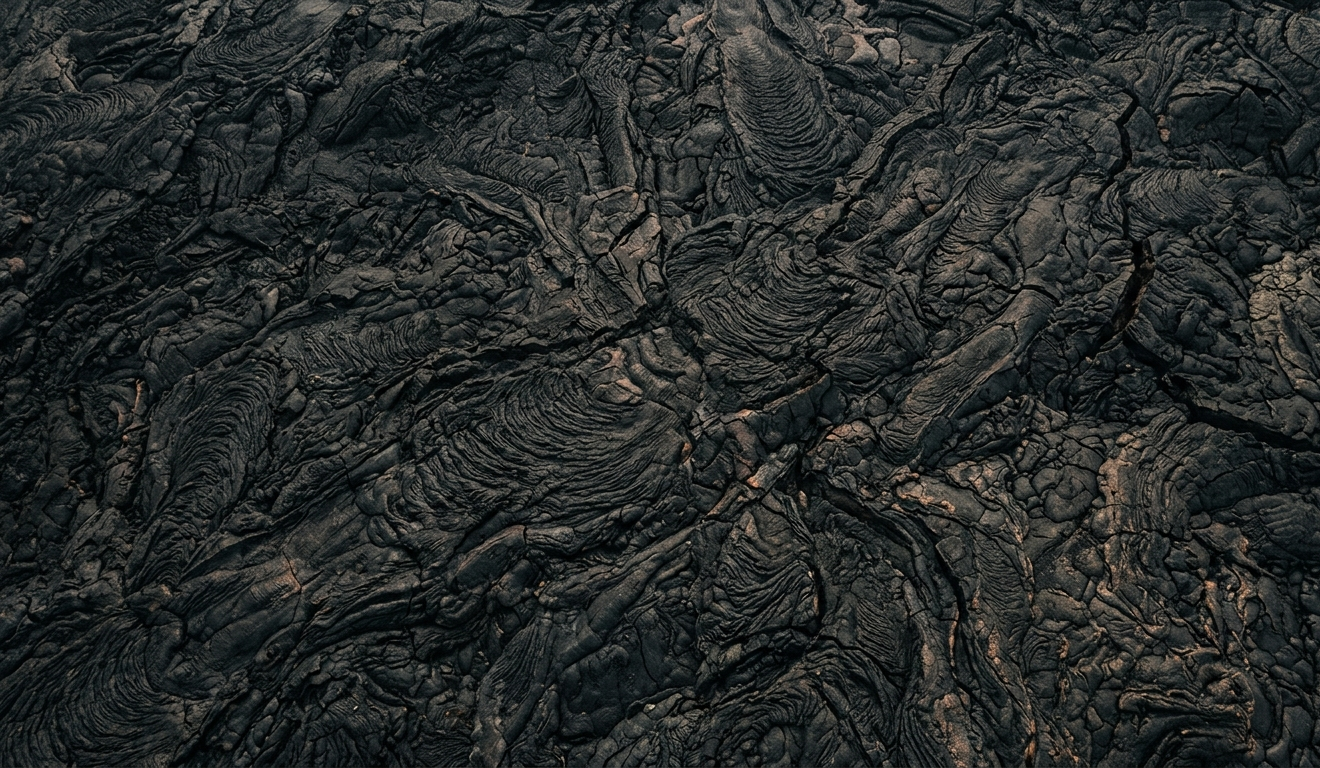


Hawaiʻi Volcanoes National Park is not a quick lookout stop with one famous view. It is a place of scale: steam lifting from the ground, black lava fields running toward the sea, native forest at the edge of a crater, and roads that make you feel how young this island really is.
For first-timers, the challenge is pacing it well. Many visitors arrive imagining red lava, a short walk, and a few photos. What they find is a high-elevation volcanic landscape that rewards patience, layers, and a little humility about how much ground there is to cover.
A good first visit does not need to be complicated. Give the park most of a day if you can. Start near the summit of Kīlauea. Walk at least one trail instead of only driving between viewpoints. If the weather cooperates and you still have energy, take Chain of Craters Road down toward the coast. That combination gives you the best sense of the park’s range without turning the day into a march.
First, reset your expectations about lava
The park is one of the best places in the world to understand active volcanism, but molten lava is not always visible.
Kīlauea is active, and eruptions have shaped the park again and again. Sometimes visitors can see glow or eruptive activity from designated viewing areas. Sometimes there is no visible lava at all. Both versions of the park are worth your time.
Treat any visible eruption as a remarkable bonus, not the point of the trip. The point is the landscape itself: crater walls, lava tubes, steam vents, cinder cones, old flows, young flows, and native forest adapting around them.
Before you go, check the National Park Service’s current park alerts and eruption updates. Conditions, trail access, and viewpoints can change with volcanic activity, weather, and repairs.
Where the park fits on a Big Island itinerary
Hawaiʻi Volcanoes National Park is on the island’s southeast side, closer to Hilo than to the Kona coast. From Hilo, it fits naturally into a day. From Kona or the Kohala Coast, it is a much longer outing, and the drive becomes a major part of the plan.
That does not mean Kona-side visitors should skip it. It means you should be honest about the day you want. Leave early, avoid overpacking the itinerary, and consider whether you want to return after dark. Some travelers spend a night in Volcano or Hilo so the park can breathe a little, especially if they care about walking trails or staying into the evening during an active eruption period.
The park is also cooler than many visitors expect. Much of the main visitor area sits at elevation, and the weather can turn misty, windy, or rainy while the coast is sunny. A light jacket or rain shell is not overplanning here; it is comfort.
The easiest first-timer route
For most first visits, think of the park in three parts:
1. The summit area of Kīlauea 2. A short-to-moderate walk through volcanic landscape 3. Chain of Craters Road, if time allows
You do not need to see every named stop. The park is better when you choose a few well.
Start at Kīlauea Visitor Center
Begin at Kīlauea Visitor Center if it is open when you arrive. This is where you can get the day’s practical picture: which trails are open, whether any eruption viewing is available, what the weather is doing, and how long rangers think certain routes will take.
It also helps orient you to the park’s geography. Kīlauea is not a single cone rising neatly from the earth. It is a broad volcanic system with a summit caldera, rift zones, craters, vents, and lava flows from different periods. Understanding that makes the rest of the day more interesting.
If you only have a few hours, the summit area is where to spend them.
Take in Kaluapele, the summit caldera
The large summit caldera of Kīlauea, known as Kaluapele, is the emotional center of many first visits. Views change with weather, light, and volcanic conditions. Sometimes clouds drift in and out. Sometimes steam rises from below. Sometimes the scale is hard to read until you notice people or roads at the rim.
Do not rush this part. A crater overlook is not just a photo stop; it is where the island’s geology starts to make sense. The Big Island is still being built. The ground beneath you is part of an active volcanic story, not a finished monument.
Several viewpoints and rim-side areas may be available depending on current conditions. Pick one or two rather than trying to tick off every overlook. If a ranger recommends a particular viewing area that day, trust the advice.
Walk the Steam Vents and Sulphur Banks area
Near the summit, steam vents offer one of the park’s most accessible reminders that heat remains close below the surface. Rainwater seeps into the ground, meets hot rock, and returns as steam.
Nearby, the Sulphur Banks area, also known as Haʻakulamanu, adds color and smell to the experience. Mineral deposits, warm ground, and volcanic gases make the area feel distinctly alive. Stay on marked paths; the ground can be thin or unstable off trail.
This is not a long adventure, but it changes how you read the park. The volcano is not only something you look at from a distance. It is underfoot.
Choose one signature hike
If you are physically able, choose at least one real walk. Hawaiʻi Volcanoes National Park is far more memorable when you feel the terrain under your shoes.
Kīlauea Iki is one of the park’s classic hikes for good reason. The trail descends through forest to a crater floor, crosses a hardened lava lake, and climbs back out. It gives first-timers a strong contrast between lush native vegetation and stark volcanic surface.
It is not a casual sandal stroll. Expect uneven ground, descent and ascent, and exposure on the crater floor. But for many visitors, this is the walk that turns the park from “interesting” into unforgettable.
Nāhuku, often called Thurston Lava Tube, is shorter and easier than Kīlauea Iki, though it can be busy. You walk through a tube formed by flowing lava — a simple idea that feels stranger once you are inside it.
The surrounding forest is part of the appeal: ferns, damp air, filtered light, the sense of stepping from green life into the island’s volcanic plumbing.
If you have limited time or mixed mobility in your group, Nāhuku may be the better choice than a longer crater hike. If you have time for both Kīlauea Iki and Nāhuku, they pair beautifully.
Drive Chain of Craters Road if time allows
Chain of Craters Road is where the park opens up. The road descends from the summit area through lava flows toward the coast, passing craters, vast black fields, and pullouts that show different chapters of volcanic activity.
This drive is easy to underestimate on a map. It takes time, especially if you stop often, and there are fewer services once you head down. Bring water, snacks, and enough fuel before you commit to the out-and-back.
The reward is perspective. Up at the summit, the park can feel contained around Kīlauea. On Chain of Craters Road, you see how lava travels, covers, cuts off, and remakes land. The ocean at the bottom adds another force to the scene: waves meeting a coast built by fire.
If you are short on time, you do not have to drive all the way to the end. Even a partial drive gives a strong sense of the lava fields.
Along the way, Puʻuloa Petroglyphs offers a different kind of encounter with the landscape. This area contains thousands of petroglyphs, including many piko-related carvings connected to Hawaiian families and birth traditions. The walk crosses exposed lava, and the boardwalk protects both visitors and the carvings. It is quieter than a crater overlook, but it can stay with you longer.
What to wear and bring
You do not need expedition gear for a normal first visit, but the park is more comfortable when you dress for changing conditions.
Wear closed-toe shoes if you plan to walk on lava trails. Bring a layer for wind or mist. Sun protection still matters, especially on exposed lava fields and Chain of Craters Road. Carry water and a snack, particularly if you plan to hike or drive down toward the coast.
The main thing is to avoid dressing as if the whole day will feel like a beach resort. It probably will not. That is part of the pleasure.
How much time do you need?
If you only have two to three hours, stay near the summit. Visit the visitor center, see the caldera from a viewpoint, walk the Steam Vents or Sulphur Banks area, and add Nāhuku if timing and access work.
With half a day, add a proper hike such as Kīlauea Iki or a longer crater-rim walk. This is the minimum amount of time that begins to feel satisfying rather than sampled.
With a full day, you can combine the summit, a hike, Nāhuku, and at least part of Chain of Craters Road. This is the best first-timer pace for travelers who enjoy landscapes and do not want to spend the day watching the clock.
If there is visible eruption activity and viewing is allowed, your timing may shift. Some visitors choose to stay later for glow after dark. Keep the drive back in mind, especially if you are returning to the Kona side.
The visit that feels right
A good first day at Hawaiʻi Volcanoes National Park has a rhythm to it. You arrive in the cool air near the summit. You get your bearings. You look into the caldera longer than you planned. You walk through steam or forest or across old lava. Later, if time allows, you drive down through flows toward the sea and realize the park is larger, rougher, and more layered than a single postcard could suggest.
That is the version to aim for: not frantic, not over-scripted, not dependent on perfect conditions. Just enough structure to see the park well, and enough space to let Hawaiʻi’s youngest land speak for itself.

Further Reading
A few relevant next steps from Alakai Aloha.
 BlogNative, Endemic, and Invasive on Hawaiʻi Island
Learn how to tell native, endemic, introduced, and invasive species apart as you explore Hawaiʻi Island’s lava fields, rainforests, gardens, and high country.
Editor's pick GuideBest Hikes & Outdoor Adventures on Hawaii Island
A guide to best Big Island hikes.
Editor's pick ActivityChain of Craters Road
Descend 3,700 feet on Chain of Craters Road in Hawaiʻi Volcanoes National Park, a 19-mile scenic drive showcasing dramatic volcanic landscapes, ancient petroglyphs, and coastal views to the Hōlei Sea Arch.
Editor's pick ActivityHawaiʻi Volcanoes National Park
Hawaiʻi Volcanoes National Park is a UNESCO World Heritage Site offering unparalleled opportunities to explore active volcanic landscapes, diverse ecosystems, and ancient Hawaiian culture, providing a profound connection to Earth's powerful forces.
Editor's pick