

If you are excited by the idea of seeing Hawaiʻi Island from the air but uneasy about boarding a helicopter, you are not being difficult. You are being honest about the kind of traveler you are.
That honesty helps. The Big Island is large, high, and weather-making, with active volcanic landscapes, deep valleys, cloud forests, dry lava fields, and scenery that can change faster than your nerves may be ready for. A helicopter tour here can be extraordinary, but comfort, route choice, weather judgment, and expectations matter.
The goal is not to convince yourself that you “should” do it. The goal is to decide whether a helicopter tour fits you — and if it does, how to choose one with clear eyes.
First, be clear about what you hope to see
On Hawaiʻi Island, many travelers imagine a helicopter tour as a lava-viewing experience. That expectation needs softening.
Volcano viewing is one of the island’s great aerial draws, but visible lava is never guaranteed. Kīlauea and Mauna Loa are living volcanic systems, not stage sets. Eruptive activity comes and goes. Clouds, vog, route restrictions, and visibility can all affect what you see.
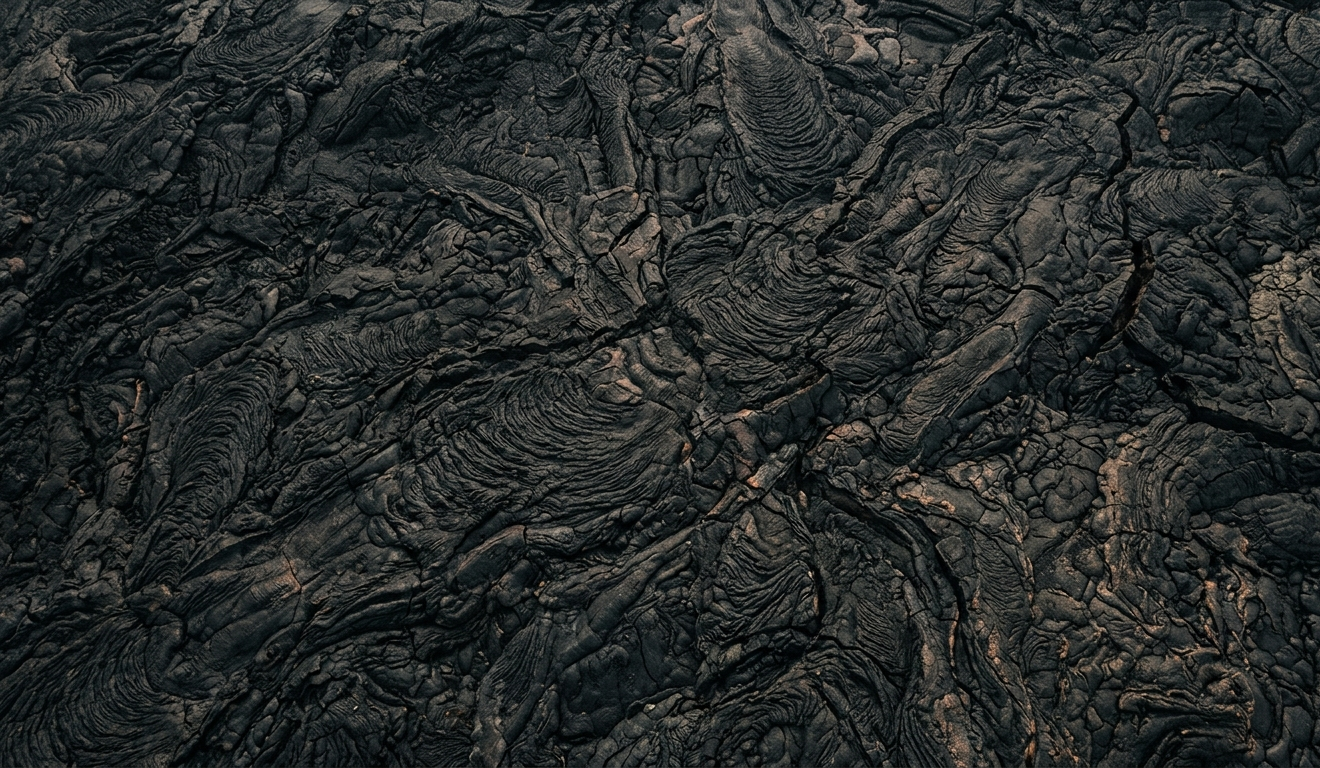
That does not make the flight disappointing. Some of the most memorable Big Island air tours are less about orange lava and more about scale: the dark sweep of old flows, the contrast between the green windward side and the dry leeward coast, the shoulders of Mauna Loa, the cut of valleys and waterfalls along the northern coast.
But if your entire reason for booking is “I need to see flowing lava,” ask the operator how they describe the experience when lava is not visible. A good answer will be measured. Be wary of anyone who makes the volcano sound like a guaranteed show.
The Big Island’s size changes the comfort equation
Hawaiʻi Island is much larger than many first-time visitors picture. That matters in the air.
A volcano-focused tour can feel very different depending on where it starts, how long it stays aloft, and whether the route crosses the island’s interior or follows coastal weather windows. A flight that sounds simple on a booking page may include a meaningful amount of transit before the scenery you care about begins.
For a nervous flyer, duration is not a small detail. Forty-five minutes, ninety minutes, and two hours are different emotional experiences. If you are unsure how you will feel, shorter is not automatically lesser. It may be the smarter match.
Ask yourself what would make you happiest after landing:
“I wanted the most complete route possible.” “I wanted a comfortable first helicopter experience.” “I wanted a chance at volcano views, but not at the cost of feeling trapped for too long.” “I wanted the calmest aircraft experience I could find.”
There is no wrong answer. But there is a wrong fit.
Weather calls are part of the product
The Big Island makes its own weather in dramatic ways. The high mountains shape clouds and wind. The Kona side, the Hilo side, the Saddle between Maunakea and Mauna Loa, the northern valleys, and the volcano districts can all feel like different islands in the same afternoon.
That is why the most reassuring thing an air-tour company can do is not promise perfect conditions. It is to show that they are comfortable changing the plan.
A delay, reroute, or cancellation can feel frustrating, especially if this was the activity you built the day around. But conservative weather decisions are a feature, not a flaw. You want an operator whose pilots are allowed to say no, whose staff does not treat weather as an inconvenience to be explained away, and whose booking policies leave room for the fact that Hawaiʻi Island does not owe anyone a flight window.
When you call or book, listen for the tone. Do they explain what happens if visibility is poor over the volcano or if the planned route is not suitable? Do they make rescheduling sound normal rather than exceptional?
For nervous flyers, that tone matters. You are not just buying scenery. You are buying judgment.
Doors-on, doors-off, and your nervous system
If you already know you are anxious about flying, think carefully before choosing a doors-off helicopter.
Doors-off flights can be thrilling for photographers and travelers who want wind, sound, and exposure. But those same qualities can make them a poor match for someone who is already worried. The view may be clearer, but the experience is also more sensory: more air movement, more noise, more awareness of height and motion.
A doors-on helicopter is usually the better first choice for a comfort-first traveler. The cabin feels more contained. You are more buffered from wind. Conversation through headsets can feel easier. The whole thing tends to read more like “sightseeing flight” and less like “adrenaline activity.”
This is not a safety ranking. It is about fit. If you are trying to reduce anticipatory stress, do not book the most exposed version of the experience just because the photos look better online.
The best tour is the one you can actually enjoy while you are in it.
Aircraft choice is part of the experience
Most travelers compare helicopter tours by route, price, and departure area. Nervous flyers should also compare the aircraft experience.
Ask what type of aircraft is used, how many passengers it carries, whether seats face forward or are arranged differently, how visibility works from each seat, and how seating is assigned. Seating is often determined by weight and balance rather than preference, so it is worth knowing in advance that you may not be able to choose the exact seat you imagined.
A larger, enclosed touring helicopter may feel more stable and spacious to some travelers. A smaller aircraft may feel more intimate, more personal, or more exposed, depending on your temperament. Neither category is a guarantee. The point is to stop thinking of “helicopter tour” as one single experience.
If you are prone to motion sickness, ask how the flight typically feels and whether the route involves tighter turns, valley work, or long over-water or over-land segments. Operators cannot predict your body’s response, but they can usually describe the character of the flight in plain language.
If they cannot, that tells you something too.
What to ask before you book
You do not need to interrogate anyone. A few calm questions will tell you a lot:
What happens if weather blocks the planned volcano route? Is the flight doors-on or doors-off? What aircraft type is normally used for this tour? How long is the actual flight time? How is seating assigned? Are there route variations depending on cloud cover or visibility? If the pilot decides conditions are not right, what are the rescheduling or refund options? For someone nervous about helicopters, which of your tours is the most comfortable fit?
The last question is especially useful. A thoughtful operator will not automatically steer you to the longest or most dramatic option. They may suggest a shorter route, an enclosed cabin, a different departure time, or tell you that conditions have been inconsistent.
That is the kind of answer you want.
When a plane may be the better answer
Some travelers are not afraid of flying. They are afraid of helicopters.
A fixed-wing sightseeing flight may feel more familiar: wings, forward motion, a more airplane-like cabin, less hovering sensation. Depending on the route and conditions, it can offer a broad look at the island without asking you to make peace with the specific sounds and movements of a helicopter.
A plane tour will not feel identical or offer the same maneuverability. It may not access the same perspectives. But if your hesitation is specifically about helicopters — not heights, not views, not small aircraft in general — then a plane can be a sensible compromise.
There is no prize for forcing yourself into the version of the experience that makes you most tense.
Build flexibility into the day
If you do book, avoid placing the tour in a brittle part of your itinerary. Give yourself room for a weather change, especially if the flight is one of the bigger-ticket experiences of your trip.
The best setup is simple: book early enough in your stay that a reschedule is possible, avoid stacking another immovable reservation immediately after, and keep your expectations loose. If the flight goes as planned, great. If the operator adjusts the timing or route, you have not turned one weather call into a vacation crisis.
This is especially useful on Hawaiʻi Island because drive times can be real. Before you book, look at the full day — drive, check-in, flight time, and the mood you want afterward — not just the tour description.
Choose the calmer yes
A helicopter tour over Hawaiʻi Island can give you a perspective you cannot get from a lookout, a trail, or a scenic drive. It can also be the wrong choice for a perfectly reasonable traveler.
The sweet spot is the calmer yes.
Not the cheapest yes. Not the longest yes. Not the most dramatic yes. The one where the aircraft, route, weather policy, cabin style, and operator communication all make you feel more settled rather than more pressured.
If that points you toward a doors-on helicopter, good. If it points you toward a shorter route, good. If it points you toward a plane instead, good. If it leads you to skip the air tour and spend the day on the ground in Hawaiʻi Volcanoes country, also good.
The Big Island is not going anywhere. The right decision is the one that lets you enjoy being here — before takeoff, during the flight, and after you land.

Further Reading
A few relevant next steps from Alakai Aloha.
 BlogWhat to Know Before Driving Saddle Road
A practical guide to crossing Hawaiʻi Island by Saddle Road, with what to expect from the route, weather, services, elevation, and driving conditions.
Editor's pick ActivityKīlauea
Witness the raw power of nature at Kīlauea, one of the world's most active volcanoes, offering dynamic landscapes within Hawaii Volcanoes National Park.
Editor's pick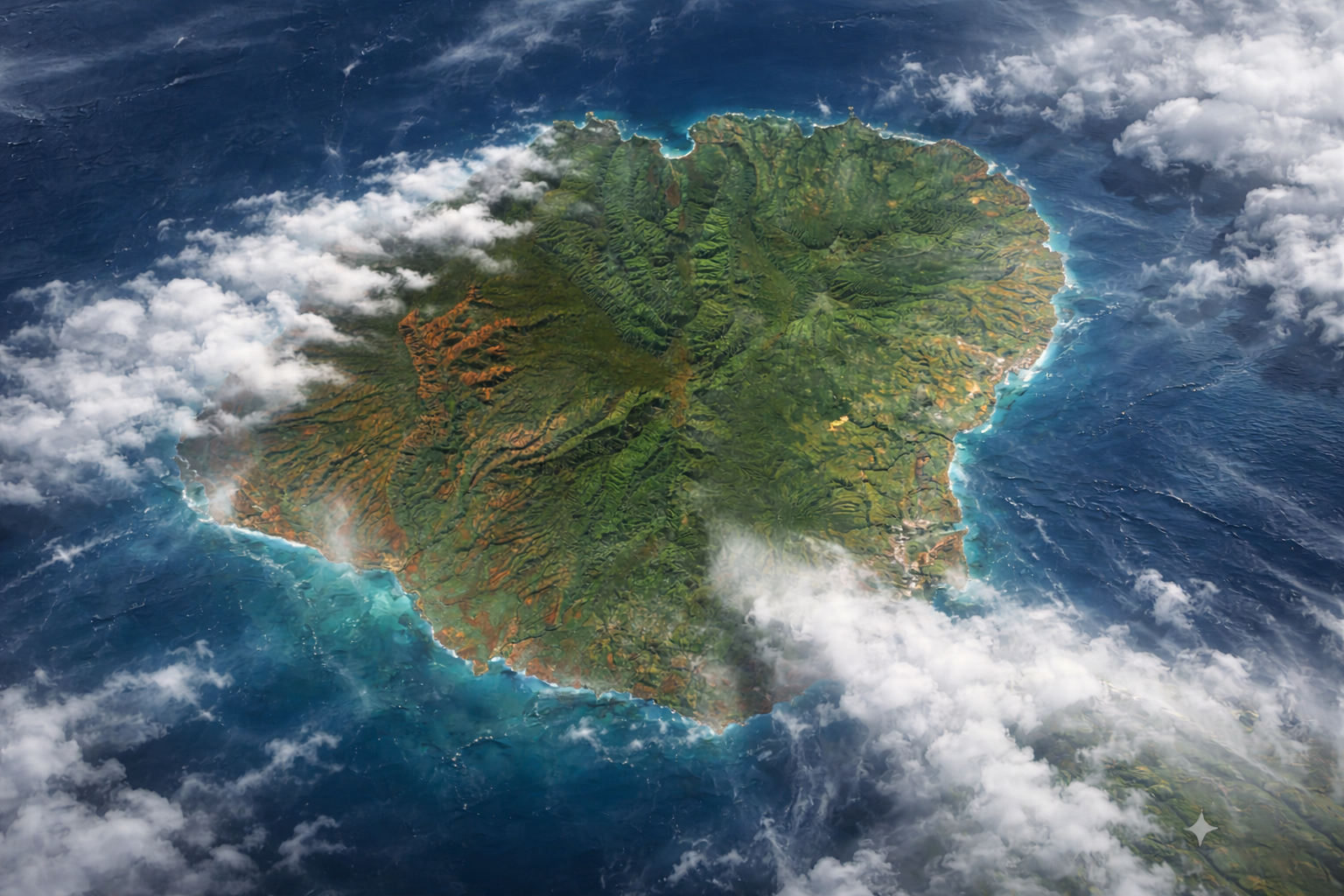 ToolCompare island weather by region
See how rain, wind, and conditions vary around the island before you choose your day plan.
Useful planning tool BlogHow Hawaiʻi Island Weather Really Works
Learn how trade winds, Kona winds, elevation, and microclimates shape rain, sun, clouds, and wind across Hawaiʻi Island.
Editor's pick