

Most Hawaiʻi Island lodging decisions come down to one question: do you want the dry, beach-oriented west side, or the greener, rainier east side?
That is the simple version. The better answer is that Kona and Hilo are not interchangeable towns with different hotel names. They set up two very different vacations.
Kona gives you the island’s classic resort rhythm: sunny mornings, lava-rock coastline, coffee country, snorkeling, manta ray night tours, and the larger concentration of visitor lodging. Hilo gives you a more everyday island town: lush gardens, waterfalls, old storefronts, a slower pace, and the most convenient base for Hawaiʻi Volcanoes National Park.
Neither side is “better.” But one is probably better for *your* trip.
The short answer
Stay on the Kona side if your priorities are beaches, resorts, sunset dinners, snorkeling tours, coffee farms, and a vacation that feels easy without much planning every day.
Stay in Hilo if your priorities are waterfalls, rainforests, gardens, Volcanoes National Park, a local town feel, and seeing the island’s wet, green side without treating it as a day trip.
Split your stay if you have enough nights and want the island to feel spacious rather than rushed. Hawaiʻi Island is large, and the drive between Kona and Hilo is not something most travelers want to repeat every day.
What “Kona” means for visitors
When travelers say they are staying in Kona, they might mean a few different places.
Kailua-Kona is the main west-side town, with restaurants, shops, oceanfront walking, small hotels, vacation rentals, and tour departures. South of town, Keauhou has condos, a quieter feel, and good access to snorkeling and manta ray tours. North of the airport, the Kohala Coast is where many of the island’s polished resort stays are clustered, with larger properties, manicured grounds, golf, and easier access to some of the island’s broadest sandy beaches.
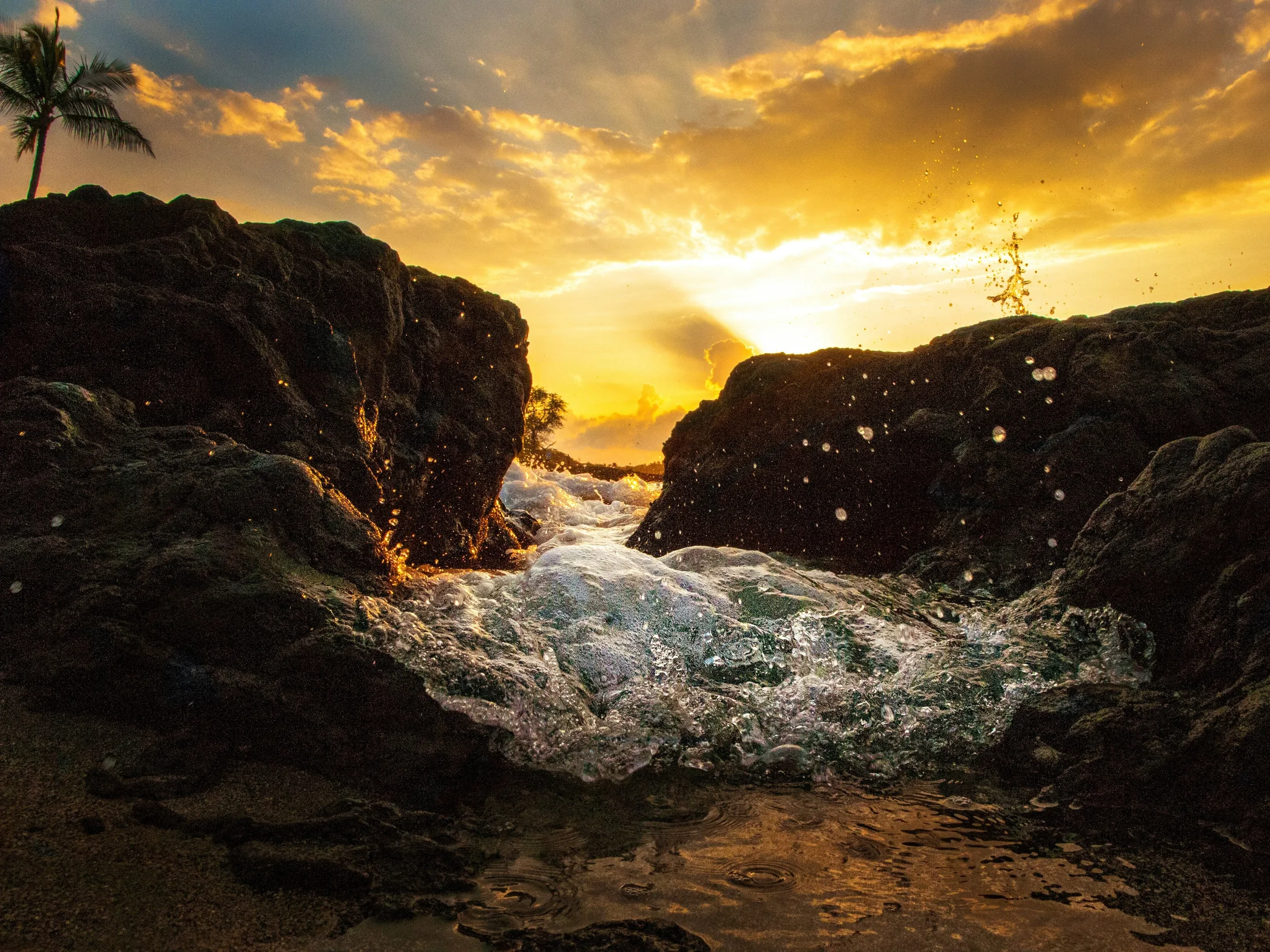
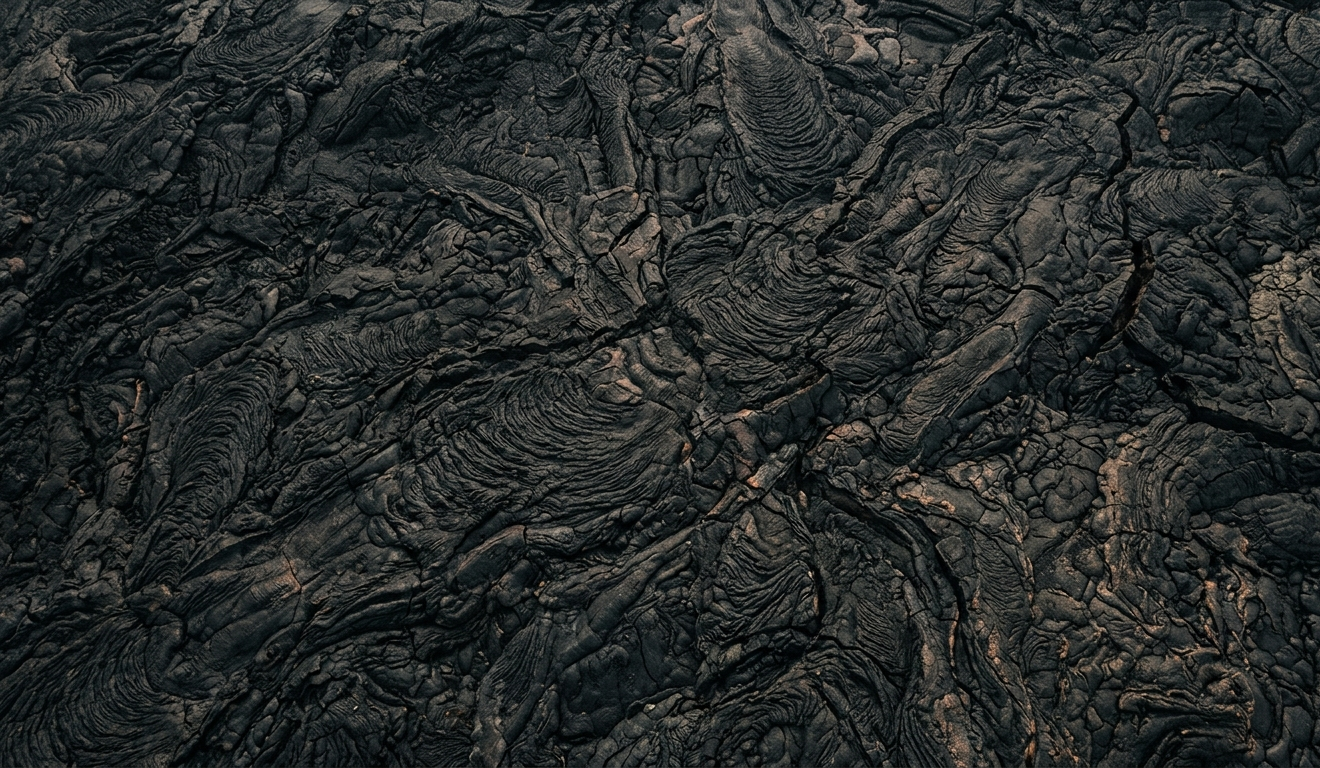
This whole side of the island is leeward and generally drier. The landscape can surprise first-time visitors: long stretches of dark lava fields, tawny grasses, low kiawe, bright bougainvillea, and the ocean flashing blue beyond the black rock. It is not the lush, waterfall version of Hawaiʻi people sometimes picture before they arrive. It is beautiful in a more spare, sunstruck way.
Kona is the better fit if you want your days to arrange themselves around the water. You can wake up, get breakfast, snorkel or swim, wander into town, book a boat tour, drive into coffee country, or sit through a sunset without building a big expedition out of it.
What Hilo offers
Hilo is not the resort counterpoint to Kona. It is a real town on the east side of the island, with a historic bayfront, older buildings, neighborhoods that feel lived-in, and a much wetter climate. It is greener because it rains more. That is not a flaw in the experience; it is the experience.
This is the side of banyan trees, tropical gardens, mossy stone walls, sudden showers, streams, waterfalls, and dense vegetation climbing toward the mountains. Hilo’s weather gives the east side its mood. Some days are bright and soft; some are gray and rainy; many are a little of both.
The lodging scene is smaller and simpler than Kona’s. You will find hotels, inns, and vacation rentals, but fewer large-scale resort choices. Travelers who expect Hilo to have the same polish and beach-resort infrastructure as the west side are often disappointed. Travelers who come for the town itself — the markets, the gardens, the rain, the proximity to volcano country — tend to understand it quickly.
Hilo is especially useful if Hawaiʻi Volcanoes National Park is one of the anchors of your trip. From Hilo, the park is a much easier outing than it is from the Kona resorts, and that matters if you want time to walk, pause, eat, return after dark, or simply not spend half the day crossing the island.
Beaches and weather
If your mental image of vacation involves swimming in clear water and spending relaxed time on the beach, stay on the Kona side.
Hilo has a lovely bayfront setting and places to get near the water, but it is not where most visitors go for the island’s best beach days. The west side has better access to the beaches travelers usually have in mind: clearer conditions more often, more dry days, and more places where the coastline works naturally for swimming, snorkeling, or lounging.
That does not mean every Kona beach is gentle every day, or that every resort has a perfect sandy beach at its doorstep. Hawaiʻi Island’s coastline is young and volcanic in many places, so lava rock is part of the picture. But for a beach-forward trip, Kona and the Kohala Coast are the obvious choice.
Weather is part of the same decision. The Kona side is typically drier and sunnier. The Hilo side is typically wetter and greener. That difference shapes what you do, what you pack, how your days feel, and even how much you enjoy your lodging.
The mistake is booking Hilo because it looks close to waterfalls, then feeling cheated when the weather behaves exactly like the place that created those waterfalls.
Food, towns, and evenings
Kailua-Kona is more visitor-facing. That can be convenient, especially at night. There are more places built around people who are on vacation: oceanfront meals, casual bars, tour offices, shopping, shaved ice stops, breakfast spots before a boat departure. It is not all polished, and parts of town can feel busy, but it is easy to use.
Hilo is quieter in the evening and more local in its daily rhythm. It has good food, old Hawaiʻi character, and a downtown that rewards unhurried wandering, but it does not perform “vacation town” in the same way. Some visitors love that. Others find it sleepy after dark.
If you like having a lively vacation base with many easy dinner choices nearby, Kona is probably more comfortable. If you like a town that feels less staged for you, Hilo may be more memorable.
Driving changes the decision
On a map, Kona and Hilo may look like two sides of one island. In practice, Hawaiʻi Island drives big.
Cross-island routes are scenic, but they take time, and the experience depends on weather, elevation, daylight, and how much driving you actually enjoy on vacation. A day trip from Kona to Hilo or from Hilo to Kona is possible, but building several of them into a trip is usually a sign that you chose the wrong base.
This is where many travelers underestimate the island. They book one side, then stack their itinerary with activities on the other. The result is too much windshield time and not enough island.
If your trip includes both west-side ocean time and east-side volcano/rainforest time, consider splitting your stay rather than trying to conquer the whole island from one bed.
When Kona is the right base
Kona is the stronger choice for most first-time visitors who want the easiest version of a Hawaiʻi Island vacation.
Choose Kona if you care most about:
Beach time and sunny weather Snorkeling, ocean tours, and manta ray experiences Resort or condo choices Coffee farms and west-side scenic drives Sunset meals and a more visitor-ready town A trip that can still feel good if you do not drive far every day
Kona is also practical for families or mixed groups. If some people want activities and others want to relax by the pool, the west side is usually easier to manage. The logistics are simpler, and the reward for doing nothing is higher.
The tradeoff is that Kona can feel more developed and visitor-oriented. If you are hoping to be surrounded by rainforests and waterfalls, you may find the west side visually drier than expected.
When Hilo is the right base
Hilo is the better choice for travelers who are less focused on beaches and more interested in the island’s green, volcanic, and everyday character.
Choose Hilo if you care most about:
Hawaiʻi Volcanoes National Park Waterfalls, gardens, and rainforest scenery A quieter town with older local texture Shorter drives to east-side sights A moodier, greener version of the island Spending less of your trip inside the resort bubble
Hilo works particularly well for travelers who have already done resort Hawaiʻi elsewhere and want this trip to feel different. It is also a good fit for people who enjoy weather, not just sunshine — travelers who do not mind a shower passing through while they finish lunch or walk under banyan trees.
The tradeoff is that Hilo is not a beach-resort base. If you book it expecting long sunny pool days and easy access to postcard beaches, you are asking it to be Kona.
Should you split your stay?
If you have a week or more, a split stay often gives Hawaiʻi Island room to breathe.
A simple version is several nights on the Kona side for beaches, snorkeling, coffee country, and sunset time, followed by a couple of nights in or near Hilo for Volcanoes National Park, waterfalls, and the east side. You can reverse the order, but many travelers like ending on the sunnier, more relaxing west side.
For shorter trips, splitting can be more trouble than it is worth. With only three or four nights, changing hotels may eat into the ease you came for. In that case, choose the side that matches your top priority and accept that you will not see everything. Hawaiʻi Island rewards focus.
The judgment call
For most travelers, Kona is the safer default. It offers more lodging, more sun, more beach access, more tour infrastructure, and a vacation rhythm that is easier to enjoy without overthinking.
But Hilo is not a consolation prize. It is the side that helps many people understand why Hawaiʻi Island is not just a larger version of the other islands. It is wet and volcanic, old and green, practical and beautiful in a way that does not always announce itself from a resort brochure.
So the best question is not “Kona or Hilo?” It is: what do you want to wake up close to?
If the answer is sun, ocean tours, beaches, and resort ease, choose Kona.
If the answer is rain trees, waterfalls, volcano landscapes, and a town with less gloss, choose Hilo.
And if both answers feel true, give each side a few nights. Hawaiʻi Island is big enough — and varied enough — to deserve more than one base.

Further Reading
A few relevant next steps from Alakai Aloha.
 BlogWhere to Stay on the Big Island by Region
Choose the right Big Island base for your trip, from sunny Kona and Kohala resorts to Hilo, Volcano Village, Waimea, and quieter coastal stays.
Editor's pick GuideBest Hotels & Resorts on Hawaiʻi Island
A guide to Big Island hotels.
Editor's pick ActivityHawaiʻi Volcanoes National Park
Hawaiʻi Volcanoes National Park is a UNESCO World Heritage Site offering unparalleled opportunities to explore active volcanic landscapes, diverse ecosystems, and ancient Hawaiian culture, providing a profound connection to Earth's powerful forces.
Editor's pick BlogWhat to Pack for the Big Island’s Microclimates
Pack for Kona sun, Volcano mist, rough lava, beach days, and cool high-elevation evenings with a practical Big Island packing list.
Editor's pick