

A manta ray night snorkel is one of the rare Hawaiʻi activities that is both famous and still genuinely strange. You motor out along the Kona coast after sunset, slip into dark water, hold onto a lighted float, and wait while the ocean below you turns into a stage. Then a manta ray rises out of the black, wide as a dining table, looping slowly through the beams of light with its mouth open to feed.
It is not a thrill ride in the usual sense. There is no chasing, no touching, no dramatic “swim with wildlife” moment to manufacture. The best version is quieter and more surreal: you float, the mantas decide what to do, and for a while the whole boat goes silent except for muffled snorkels and the slap of small waves.
If you are deciding whether to book it, the main question is not whether the experience is special. It is. The better question is whether it fits your group, your comfort level, and the way you want to spend one of your evenings on Hawaiʻi Island.
Why it happens on the Kona side
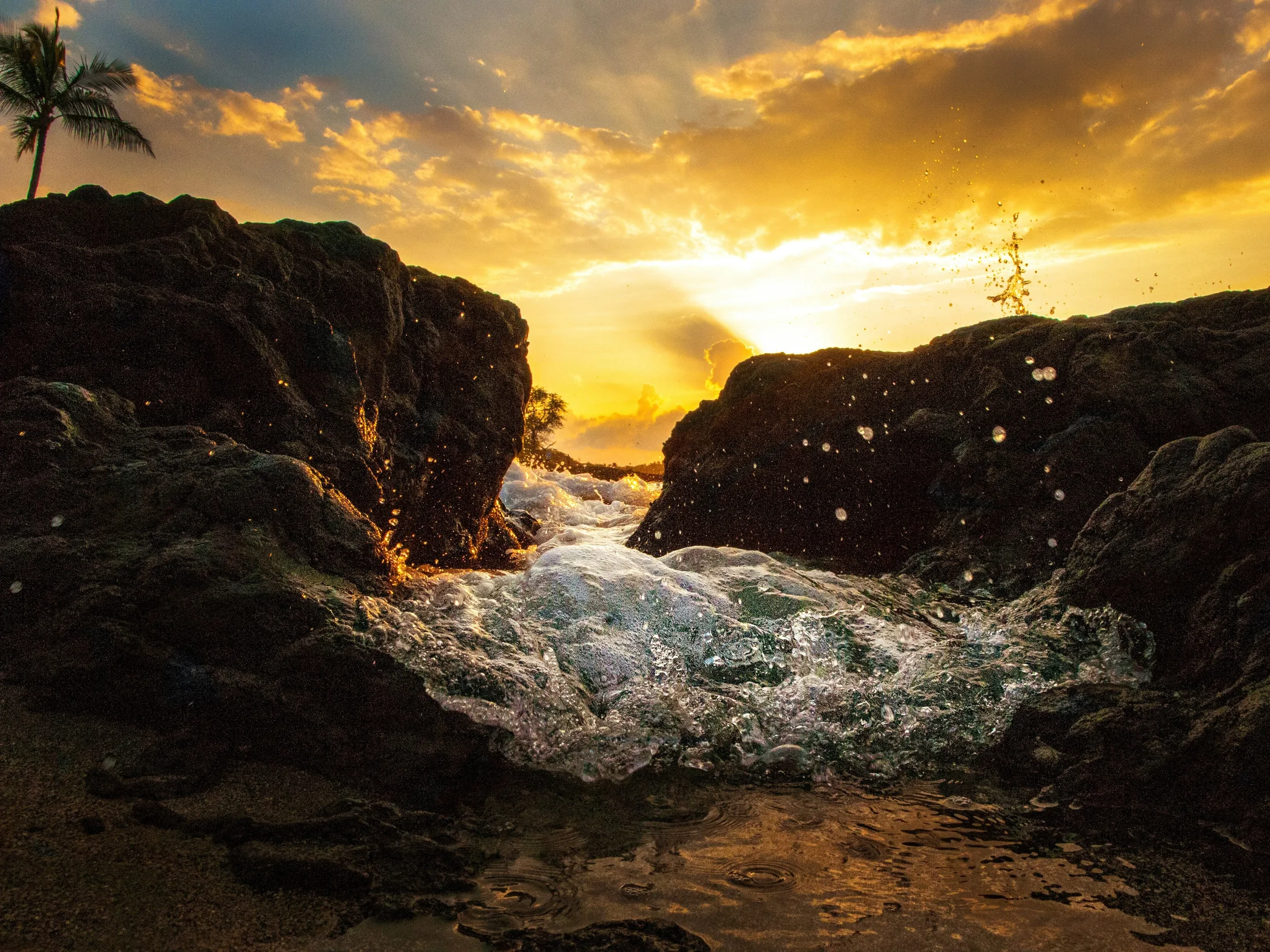
The manta ray night snorkel is closely tied to Hawaiʻi Island’s west coast. The Kona side has relatively accessible ocean conditions, a dark lava shoreline, and established viewing areas where lights attract plankton, which in turn attracts manta rays.
Most tours operate along the leeward Kona coast, commonly from the Kailua-Kona, Keauhou, or Honokōhau area depending on the operator. You may see tour descriptions refer to well-known manta viewing sites near Keauhou or north of Kona. The exact location depends on ocean conditions, the operator, and the evening.
This is not a “go anywhere and hope” activity. People travel to the Big Island for manta snorkeling because local tour infrastructure, known viewing sites, and manta behavior have developed into a remarkably consistent experience over time. Even so, these are wild animals in the ocean. No honest operator can promise a sighting every night.
What the experience is actually like
Most manta night snorkels follow a simple rhythm.
You check in before sunset or after dark, depending on the departure. The boat ride may be short or moderately longer based on where you depart and which viewing site is being used. Once anchored or positioned, the crew gives a briefing, sets up lights, and gets guests into wetsuits or flotation gear.
In the water, snorkelers usually hold onto a floating light board or raft. The lights shine downward, drawing in plankton. Manta rays feed on that plankton, sometimes gliding inches below the surface as they somersault through the light.
You are not swimming after them. In fact, the better you can stay still, the better the encounter tends to be. Your job is mostly to float, keep your feet up, breathe steadily through your snorkel, and watch.
The in-water portion is often not especially long compared with a daytime snorkel trip, but it can feel intense because of the darkness, the proximity of the animals, and the novelty of floating at night. Afterward, guests climb back aboard, peel out of wet gear, and ride back under the stars or shore lights.
Snorkel or dive?
Hawaiʻi Island has both manta ray night snorkels and manta ray night dives.
A snorkel keeps you at the surface, looking down as mantas rise into the light. It is the more common choice for visitors who are comfortable in the water but are not certified divers. You do not need scuba certification, but you do need to be at ease floating in the ocean at night with a mask and snorkel.
A dive puts certified divers on or near the bottom, looking upward as mantas pass through the light column. For experienced divers, it can be extraordinary. For everyone else, the snorkel version is the more accessible booking.
If you are traveling with a mixed group, do not assume everyone should choose the same format. A confident certified diver may prefer the dive; a strong swimmer who does not dive may love the snorkel; a nervous swimmer may be happier staying on shore and hearing the stories afterward.
Who tends to love it
The manta ray night snorkel is a good fit for travelers who:
Are comfortable floating in open ocean water Have used a mask and snorkel before, or can adapt calmly Do not mind being in the water after dark Are excited by patient wildlife encounters rather than high-adrenaline ones Can handle a boat ride in evening ocean conditions
It is especially memorable for couples, older kids and teens who are confident in the water, and adults who want one Big Island experience that feels unlike a beach day or scenic drive.
It also suits visitors who understand that nature is not scheduled. Most people book hoping for mantas, of course. But the right mindset helps: you are going out for a rare chance, not buying a guaranteed performance.
Who should think twice
This is not the best activity for every traveler, and that is fine.
If someone in your group is anxious in the ocean during the day, the night version will not magically feel easier. If a child is technically old enough but uncomfortable with masks, waves, or boats, consider waiting for another trip. If you get cold easily, ask what thermal gear is provided and how long you will be in the water. If you are prone to seasickness, take the evening timing seriously; a short trip can still feel long if the ocean is lumpy.
The darkness is part of the beauty, but also part of the decision. Some people find it peaceful. Others spend the whole time managing nerves. There is no shame in choosing a sunset cruise, a daytime snorkel, or a good dinner instead.
How to choose a tour operator
A good manta tour is not just a boat with lights. The crew matters.
Look for an operator that describes the experience clearly and sets realistic expectations. The pre-trip information should tell you what level of swimming ability is expected, what gear is included, where to meet, and what happens if mantas do not appear.
Smaller boats can feel more personal and may have fewer people in the water, but they can also feel more exposed to motion. Larger boats may offer more space, easier boarding, or more amenities, but the experience can feel less intimate. Neither is automatically better. Choose based on your group’s comfort, not just the most dramatic marketing photos.
Read recent reviews for patterns rather than one-off reactions. Pay attention to comments about crew communication, patience with nervous guests, crowd management in the water, and how the operator handled nights with fewer manta sightings.
Timing and conditions
Manta rays can be seen off Kona throughout the year, which is one reason this activity has become so closely associated with the island. There is not a single short “manta season” in the way some wildlife experiences are tied to migration windows.
That said, ocean conditions still matter. Wind, swell, and visibility can affect comfort and whether a tour runs. Rain by itself is not necessarily the issue; the ocean state is usually the bigger factor.
Some operators offer earlier sunset departures and later evening departures. Earlier trips can be easier for families and anyone who wants to keep dinner and bedtime reasonable. Later trips may feel calmer or less crowded depending on the night, but they also mean a later return and a chillier post-snorkel ride for some guests.
If this activity is a priority, do not save it for your final night. Booking earlier in your stay gives you more flexibility if weather, ocean conditions, or an unusual no-show night interferes.
What to bring
You do not need to overpack, but a few small choices make the night more comfortable.
Bring a towel and something warm to put on after the snorkel. Even in Hawaiʻi, the boat ride back can feel cool when you are wet and the sun is down. Wear your swimsuit under your clothes unless your operator instructs otherwise.
If you use your own mask because it fits well, bring it. A poor mask fit is one of the easiest ways to turn a magical night into an annoying one.
Leave valuables behind or keep them minimal. Boats are wet, dark, and busy after everyone climbs back aboard. This is not the night for managing extra bags, jewelry, or a phone you do not need.
Is it worth the cost?
For many Hawaiʻi Island visitors, yes. It is one of the few paid tours that can become the story people tell first when they get home.
But “worth it” depends on whether the experience matches your temperament. If you love wildlife, are comfortable in the water, and want a distinctly Kona evening, it is an easy recommendation. If you are mainly looking for a relaxing boat ride, or if half your group is nervous about snorkeling at night, the value gets shakier.
The manta snorkel is not a casual add-on like stopping at a viewpoint. It takes planning, energy, and a willingness to be cold, wet, and slightly humbled by the ocean after dark. That is also why it stays with people.
The right expectation
The best manta nights have a dreamlike quality: black water, bright beams, pale bellies rising out of the dark, and a boat full of people trying to describe something that does not fit neatly into vacation language.
But the experience is still the ocean. Some nights are glassy; some are bumpy. Some people see mantas immediately; others wait. Occasionally, the mantas do not come. A thoughtful operator will not pretend otherwise, and a thoughtful traveler leaves a little room for that uncertainty.
If you can do that, the manta ray night snorkel is one of the Big Island’s most distinctive invitations. Not because it is polished or predictable, but because for a short time you get to be present at the edge of another world, holding onto a light in the dark while giant animals turn slowly below you.

Further Reading
A few relevant next steps from Alakai Aloha.
 BlogWhere to Watch Koholā on Hawaiʻi Island
Plan a winter whale-watching day with the best Hawaiʻi Island seasons, shore-viewing tips, boat rules, and responsible ways to see koholā.
Editor's pick GuideBest Manta Ray Snorkel Tours in Kona
A guide to manta ray snorkel tours.
Editor's pick ActivityManta Ray Night Snorkel
Experience an unforgettable night snorkel on the Big Island, where powerful underwater lights attract majestic manta rays for an up-close and mesmerizing feeding spectacle.
Editor's pick BlogHow to See Spinner Dolphins on the Big Island
A Big Island guide to spotting naiʻa responsibly, from Kona’s leeward waters to the viewing habits that help resting dolphins stay undisturbed.
Editor's pick