

A good pre-trip movie night for Hawaiʻi Island should do more than put palm trees on the screen.
This island is young land and old stories, black lava and green pasture, Hilo rain and Kona sun, sea turtles on dark sand, steam at the crater, and a night sky that can make even chatty kids go quiet. The best things to watch before you come are not necessarily “movies set in Hawaii.” They are the ones that help your family arrive with sharper eyes.
Use this as a small watchlist, not homework. Pick one volcano piece, one imagination piece, and maybe one night-sky or ocean documentary if your child is curious. That is plenty.
Start with volcanoes
For Hawaiʻi Island, volcanoes are not background scenery. Kīlauea and Mauna Loa shape the land, roads, weather patterns, plant life, and the way visitors experience Hawaiʻi Volcanoes National Park.
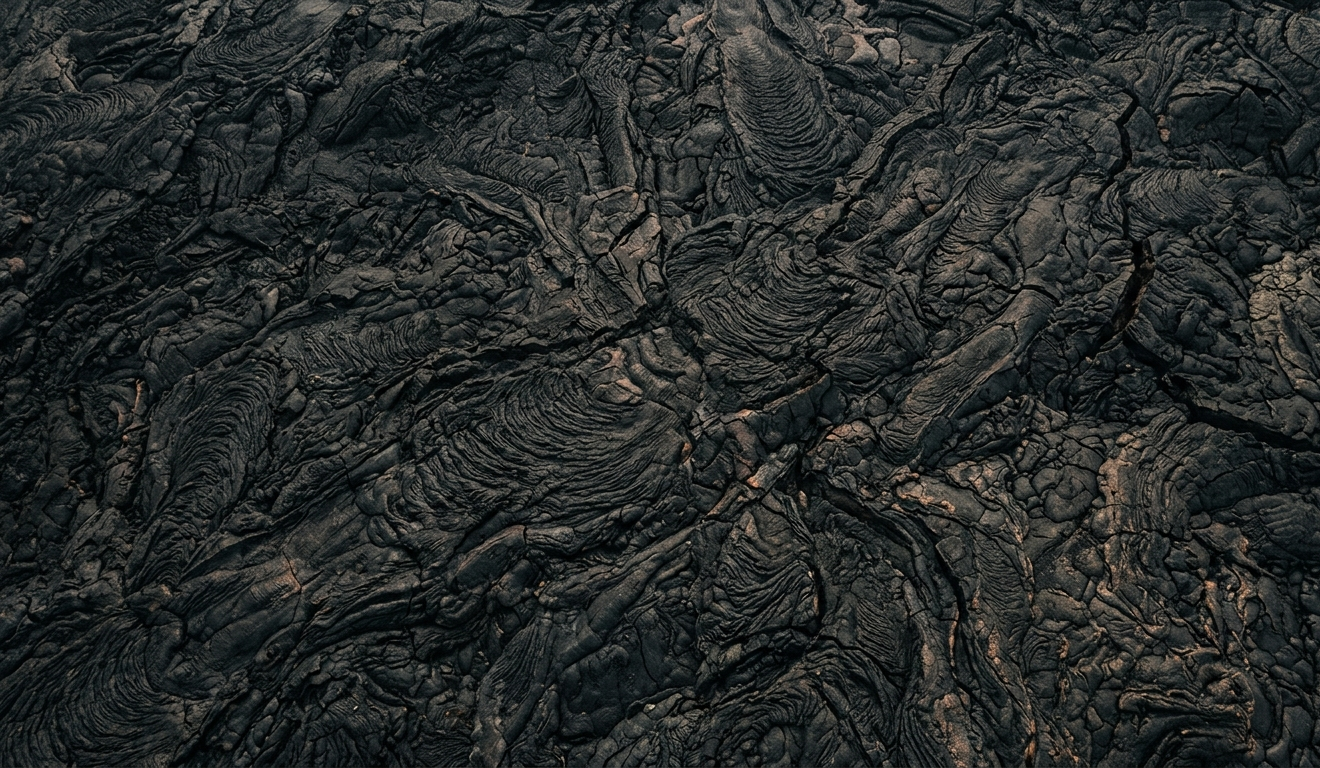
Before you go, it helps kids understand that a volcano is not just a cone with red lava shooting out the top. Hawaiʻi’s shield volcanoes are broad, layered, and enormous. Lava may appear as old black fields, smooth ropy textures, sharp broken rock, sea cliffs, caves, steam vents, and the everyday geography of the island.
The best first stop is the official National Park Service video collection from Hawaiʻi Volcanoes National Park. The clips are short, direct, and tied to the place you may actually visit. Watch a few about volcanic landscapes, native species, or park geology before your flight, then let the kids look for those textures on Chain of Craters Road or while walking through older lava flows.
Do not turn this into school. One good question is enough:
> “When we get there, do you think the lava rock will look more smooth, sharp, or crumbly?”
That one prompt can turn a scenic drive into a scavenger hunt.
For older kids—especially the ones who like drones, maps, measuring tools, and “how do scientists know?” questions—the USGS Hawaiian Volcano Observatory videos are excellent. They show monitoring work, field observations, and the careful language scientists use when they talk about Kīlauea. Kids can see that volcanoes are watched over time through gases, ground movement, earthquakes, lava flows, and changes in the crater.
A calm parent line works well here:
> “The volcano is not a museum exhibit. It changes.”
For younger elementary-age travelers, National Geographic Kids is a useful bridge. Its volcano explainers are simple enough to follow but accurate enough to give children helpful vocabulary: magma, lava, crater, eruption, ash. Pair one short video with a map of Hawaiʻi Island. Show them Kona, Hilo, Hawaiʻi Volcanoes National Park, Mauna Loa, and Maunakea. Many children are surprised to learn that the “Big Island” is not just big in distance; it is big in elevation, climate, and geology.
Choose one real Kīlauea documentary
If your family likes a longer watch, choose one documentary that treats Kīlauea as a real place rather than a disaster-movie prop.
*NOVA: Kīlauea — Hawaiʻi on Fire* is a strong pick for older kids and teens who want to understand the 2018 Kīlauea eruption and the science around it. It has more intensity than a gentle children’s nature show, so it is better for kids who can handle real-world natural events and affected communities.
Its value is perspective. Many visitors arrive asking, “Will we see lava?” A documentary like this shifts the question toward: “How does living volcanic land affect people, forests, roads, coastlines, and the island over time?”
That is a much better frame for Hawaiʻi Island than treating lava like a vacation special effect.
Let fantasy be fantasy
Younger children often connect first through feeling, not facts. A short animated film can give them an emotional doorway into oceans, islands, and volcanoes—as long as adults do not pretend the cartoon is a guidebook.
Pixar’s *Lava* is sweet, musical, and easy for young kids. It can gently introduce the idea that land in Hawaiʻi is connected to volcanic creation. Keep the conversation simple:
> “That was a make-believe story. When we go to Hawaiʻi Island, we’ll see real lava rock from real volcanoes.”
*Moana* is not a Hawaiʻi Island movie, and it should not be used as a map of Hawaiʻi or a summary of Native Hawaiian culture. Still, many families will watch it before a Hawaiʻi trip because children already know the music and the ocean-voyaging story.
If you include it, the most useful connection is not “this is what Hawaiʻi is like.” It is the larger idea that the Pacific is full of skilled ocean peoples, navigation traditions, genealogy, islands, winds, stars, and deep relationships with the sea.
For a Hawaiʻi Island trip, that opens better questions: How did people travel across the ocean before engines? What stars or winds would navigators notice? Why are canoes, coastlines, and place names important?
Those questions travel well. They can come back when your child sees a canoe, hears a Hawaiian place name, or looks out at an ocean horizon with no land in sight.
Add the night sky
Hawaiʻi Island is one of the rare family destinations where volcanoes and astronomy belong in the same conversation. The island rises from the ocean floor to high alpine terrain, and Maunakea has long been associated with observation of the sky—scientifically, culturally, and emotionally.
Not every family needs to drive high on the mountain. Many families will be happier visiting ʻImiloa Astronomy Center in Hilo, joining a lower-elevation stargazing experience, or simply stepping outside on a clear night away from bright lights. The point of watching something beforehand is to make kids more receptive when the stars appear.
For younger kids, NASA eClips has short space and science videos that explain planets, stars, the moon, and observation in manageable pieces. For older kids and teens, an episode of *Cosmos: A Spacetime Odyssey* can work well if they enjoy big questions and visual storytelling.
These are not Hawaiʻi-specific, and that is fine. They prepare kids for the feeling of looking up from an island in the middle of the Pacific and realizing how much sky there is.
Try this afterward:
> “When we’re on the island, let’s see if the sky feels different from home.”
Watch one ocean or wildlife piece
Hawaiʻi Island is not only lava and stars. Families may spend time at beaches, tide pools, snorkeling spots, fishponds, rainy forests, ranch country, or black-sand shorelines. A short wildlife documentary can help children notice that the island’s beauty is not just scenery. It is habitat.
A nature documentary such as *Wild Hawaii* can give families a wider view of island formation, reefs, rainforests, seabirds, and marine life. Treat it as broad context rather than a Hawaiʻi Island itinerary. The Hawaiian Islands are not interchangeable, and one documentary may move across multiple islands or ecosystems.
For kids, the best takeaway is simple: Hawaiʻi has species and landscapes found nowhere else, and the ocean is part of the island’s life rather than just a place to swim. If your child is already overloaded, skip it. The island will teach plenty on its own.
Keep Pele stories in context
Families may encounter cartoons, Halloween specials, or adventure shows that turn Pele into a character. Some are playful. Some are clumsy. Some mix Hawaiian words, volcano imagery, and generic fantasy in a way that is entertaining but not especially reliable.
Pele is an akua in Native Hawaiian tradition, not just a “volcano goddess” for children’s trivia. You do not need a formal lecture. Just make the distinction clear:
> “Different shows make up stories using volcanoes. Real Hawaiian stories and beliefs deserve more care than a cartoon can give.”
If your family watches a light title such as *The Legend of Hallowaiian* or an island-themed Scooby-Doo-style adventure, keep it in the “fun fiction” category. Do not ask it to explain Hawaiʻi.
A simple movie-night plan
For preschool and early elementary kids, start with Pixar’s *Lava*, then watch one short National Geographic Kids volcano video. Ask what they think lava rock will feel like, then let the question rest until the trip.
For ages 7–10, pair *Moana* with a short National Park Service video from Hawaiʻi Volcanoes National Park. Talk about the difference between an ocean adventure story and a real island made by volcanoes.
For tweens and teens, watch *NOVA: Kīlauea — Hawaiʻi on Fire* or several USGS Hawaiian Volcano Observatory clips. Add one astronomy video if you plan to visit ʻImiloa or spend time looking at the night sky.
The goal is not to make your kids experts before they land. It is to give them a few hooks: Kīlauea, Mauna Loa, lava rock, dark skies, ocean life, rain, crater, steam, stars.
Then, when the plane descends over dark rock and blue water, Hawaiʻi Island will not feel like a generic tropical vacation. It will feel like a place they have already begun to meet.

Further Reading
A few relevant next steps from Alakai Aloha.
 BlogWhat to Pack for a Big Island Family Trip
A practical family packing guide for Hawaiʻi Island, with kid-by-age essentials, beach-day basics, and the layers you’ll want for Kona, Waimea, Hilo, and Volcano.
Editor's pick BlogFlying to the Big Island With Kids Made Easier
A practical family guide to choosing KOA or Hilo, planning arrival-day drives, rental cars, meals, and first-night logistics on Hawaiʻi Island.
Editor's pick BlogBig Island Adventures Kids Will Love
Plan kid-friendly Big Island outings with tide pools, volcano stops, waterfalls, black sand, and easy regional days adults will enjoy too.
Editor's pick BlogWhat to Watch and Read Before Hawaiʻi Island
A thoughtful pre-trip watch and read list for Hawaiʻi Island, from volcanoes and Mauna Kea to history, place names, land, food, and sovereignty.
Editor's pick