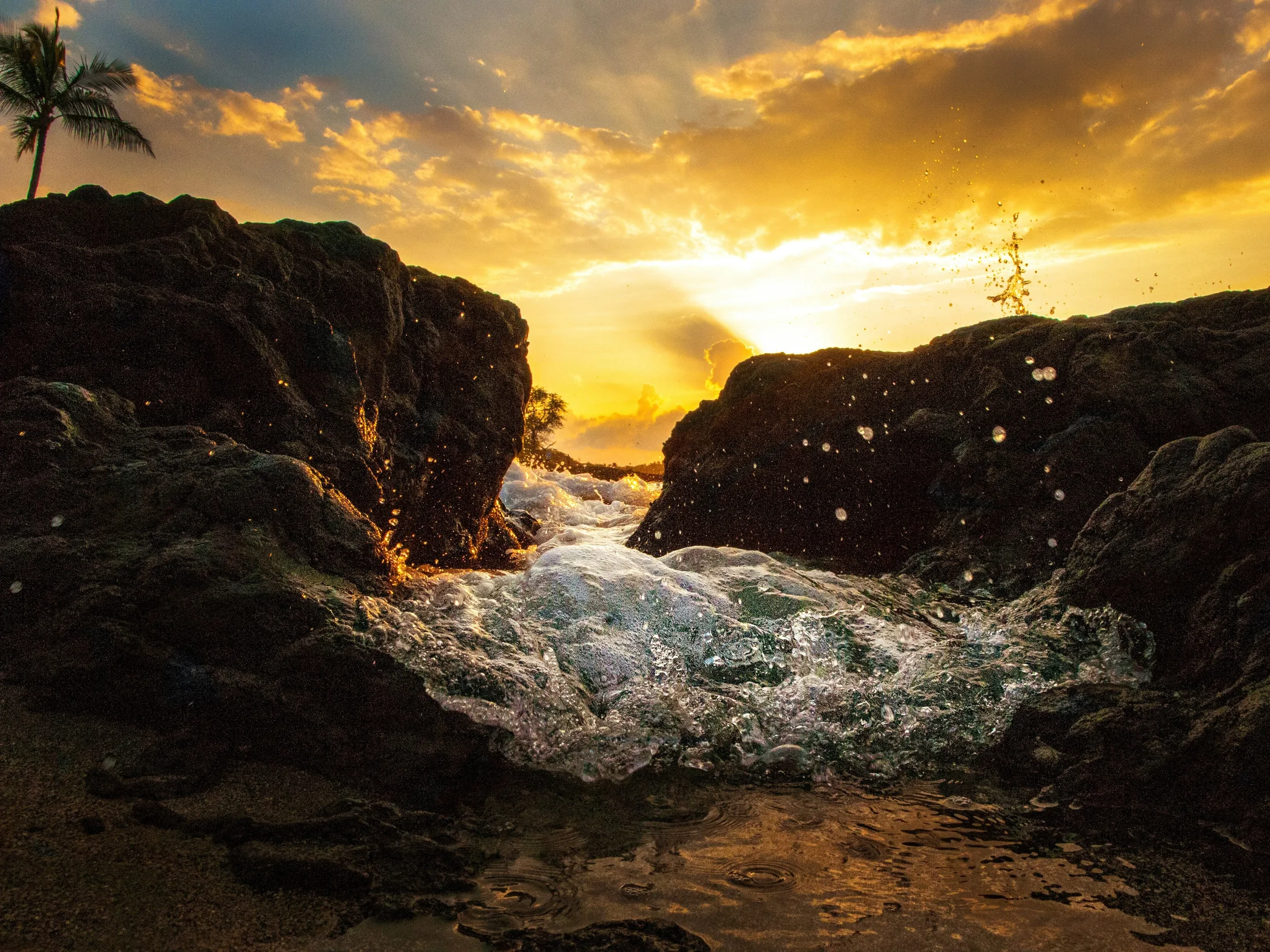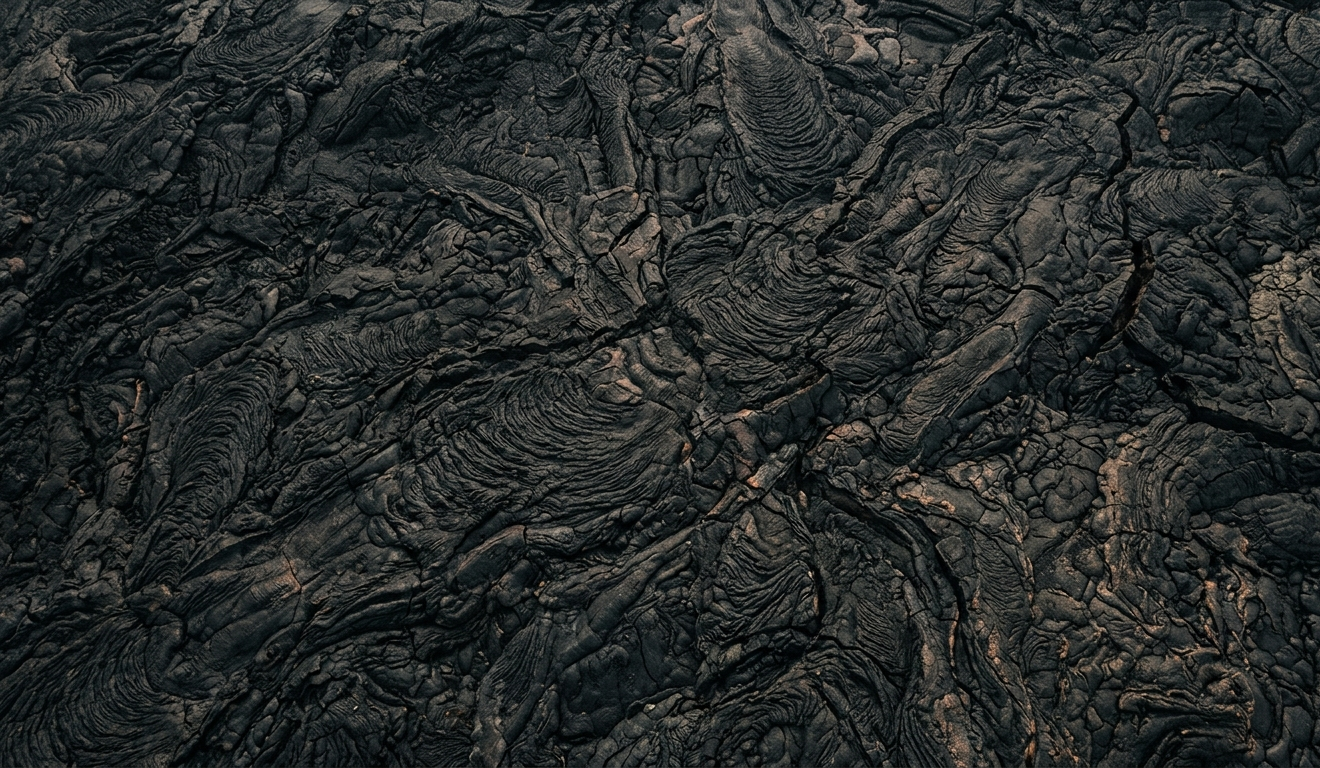


A little context changes the way Hawaiʻi Island comes into focus.
Without it, the island can seem like a collection of dramatic scenes: black lava fields, coffee country, green pasture, cloud forests, resort coast, summit road, old heiau, lava tubes, orchid stands, a smoking crater if conditions allow. With a little watching and reading before you arrive, those scenes start to connect. You see how young land becomes home. You hear why Mauna Kea is not just a mountain in a view. You understand why place names matter, why lava is not just spectacle, and why the island’s history is not safely tucked in the past.
This is not a homework syllabus. Think of it as a small, well-chosen queue for the flight, the week before you leave, or the quiet hour after a beach day. Hawaiʻi Island rewards travelers who arrive curious.
First, a note on “Big Island”
“Big Island” is the common travel nickname, and you’ll hear it often. “Hawaiʻi Island” is the island’s proper name, and it helps avoid confusion with the state of Hawaiʻi as a whole. Both names show up in travel planning, but if you’re trying to understand the place more carefully, “Hawaiʻi Island” is a good habit.
A lot of Hawaiʻi media is statewide or Oʻahu-centered. For Hawaiʻi Island, the strongest pre-trip picks gather around volcanoes and living landscapes, Hawaiian Kingdom history, and modern questions around land, science, food, and sovereignty.
Feature films that give you a human doorway
Hawaiʻi Island has not been treated by Hollywood with the same frequency as some other islands, and that may be a blessing. The most useful films here are not big postcard movies. They are quieter stories that help you notice plantation towns, immigration histories, and everyday island life.
*Picture Bride*
Kayo Hatta’s *Picture Bride* is set in plantation-era Hawaiʻi and follows a young Japanese woman who arrives to marry a man she knows only through a photograph. It is not a Hawaiʻi Island travel film, and that is exactly why it works. The movie slows you down into the world of plantation labor, gender, language, loneliness, and the immigrant communities that shaped modern Hawaiʻi.
If your trip takes you through Hāmākua, Hilo, Honokaʻa, or old sugar landscapes, the film gives those towns more weight. The mills may be gone or repurposed, but the cultural mix they helped create is still present in food, family names, local stories, and the way communities remember work.
*Honokaa Boy*
If you can find it, *Honokaa Boy* is a gentle Japanese film set in Honokaʻa, the small town on the Hāmākua Coast. It is more mood than lesson: a young man, an older woman, meals, errands, weather, and the soft ache of being between worlds.
It will not explain Hawaiʻi Island to you. But it captures something visitors often miss when they move too quickly: towns here are not scenery between “major stops.” They are lived-in places, with ordinary routines and private memories.
Documentaries for volcanoes, forests, and contested summits
If you only watch one category before a Hawaiʻi Island trip, make it documentaries. This island is still being made, still being argued over, still being studied, still being cared for.
*Kīlauea: Hawaiʻi on Fire*
This NOVA documentary on the 2018 Kīlauea eruption is one of the most practical pre-trip watches for Hawaiʻi Island. It helps explain fissures, lava flows, collapse events, monitoring work, and what eruption means for people who live near active volcanic landscapes.
The value is not just geological. It puts human stakes around words visitors often use casually: lava, eruption, flow, crater, rift zone. After watching, the black fields along parts of the island feel less like “old lava scenery” and more like a record of specific events, specific neighborhoods, and specific choices.
*Saving ʻŌhiʻa*
The ʻōhiʻa lehua tree is one of the great presences of Hawaiian forests. It grows on young lava, anchors native ecosystems, and appears in mele, moʻolelo, and cultural practice. *Saving ʻŌhiʻa* looks at the threat of Rapid ʻŌhiʻa Death and the efforts to understand and protect these trees.
This is a particularly good watch if your trip includes Hawaiʻi Volcanoes National Park, upland forest, or rainy windward landscapes. It helps you see the forest as more than green atmosphere. ʻŌhiʻa is a pioneer, a shelter, a flower, a story-holder. Once you learn to recognize it, you’ll start seeing it everywhere.
*Standing Above the Clouds*
Mauna Kea is one of the places where visitors most need context before forming opinions. *Standing Above the Clouds* follows Native Hawaiian women involved in the movement to protect Mauna Kea and places the mountain within family, cultural, political, and generational memory.
This film is not there to make your itinerary easier. It is there to make your understanding less shallow. If you have only heard about Mauna Kea through the telescope debate, watch something that begins with people whose relationship to the mountain is not recreational or abstract.
*Act of War: The Overthrow of the Hawaiian Nation*
Hawaiʻi Island’s story cannot be separated from the wider history of the Hawaiian Kingdom, overthrow, annexation, and American territorial rule. *Act of War* is a direct, forceful documentary on the overthrow of the Hawaiian Kingdom and the political consequences that followed.
It is not light viewing, but it changes the way many visitors hear the word “Hawaiian.” Not as a resort style, not as a mood, not as a decorative category — as a people, a nation, a language, and a continuing political history.
Books to pack, skim, or read slowly afterward
Some of these are better before arrival. Others may be more powerful after you have seen the lava fields, old walls, fishponds, churches, ranch land, and harbor towns for yourself.
*The Epic Tale of Hiʻiakaikapoliopele*
For Hawaiʻi Island, this is one of the most rewarding cultural reads you can choose. The story of Hiʻiaka and Pele moves through landscapes, relationships, tests, chants, and place-based memory. It is not a quick “legend of the volcano goddess” version of Pele. It is larger, stranger, richer, and more demanding than that.
Read even a portion and your sense of Kīlauea changes. The crater is not merely a geological attraction. It belongs to a storied landscape where akua, family, movement, love, conflict, and land are intertwined.
*Volcanoes in the Sea: The Geology of Hawaiʻi*
For readers who like the land to make physical sense, *Volcanoes in the Sea* is a classic geology text on the Hawaiian Islands. You do not need to read it cover to cover. Dip into the parts that explain hot spots, shield volcanoes, lava types, erosion, and island age.
Hawaiʻi Island is the youngest major island in the chain, and that youth is visible: wide lava plains, spare vegetation in newer flows, and entire districts where geology feels close to the surface.
*Kamehameha and His Warrior Kekūhaupiʻo*
Stephen Desha’s account, available in English translation, brings readers into the world of Kamehameha I and Kekūhaupiʻo, the warrior who helped train him. Because Kamehameha’s rise is deeply tied to Hawaiʻi Island, this book gives historical depth to places that might otherwise pass as names on signs.
It is an older work, and you will want to read it with some awareness of its style and period. But for understanding chiefly politics, martial training, loyalty, and the island world before unification, it remains a valuable doorway.
*Hawaiʻi’s Story by Hawaiʻi’s Queen*
Queen Liliʻuokalani’s own account is essential for anyone trying to understand Hawaiʻi beyond vacation language. It is personal, political, dignified, and painful. While not Hawaiʻi Island-specific, it belongs in the background of any serious pre-trip reading.
Read it alongside a visit to royal sites, historic churches, old government buildings, or any place where the Kingdom period is present in the landscape. It reminds you that history here is not a sidebar. It is the ground under modern Hawaiʻi.
*Place Names of Hawaii*
This is the kind of book you may not “read” so much as keep returning to. Mary Kawena Pukui, Samuel H. Elbert, and Esther T. Mookini’s work on place names helps visitors understand that Hawaiian names are often descriptive, genealogical, storied, and precise.
Look up a few names from your itinerary: Hilo, Kona, Kohala, Puna, Waimea, Kealakekua, Hōnaunau, Waipiʻo, Mauna Kea, Mauna Loa. Even when an entry is brief, it nudges you away from treating names as sounds and toward treating them as knowledge.
*From a Native Daughter*
Haunani-Kay Trask’s essays are sharp, political, and influential. They may challenge the easy comfort many visitors bring to Hawaiʻi, especially around tourism, colonialism, militarism, and sovereignty.
This is not the book to choose if you only want pleasant background. It is the book to choose if you want to understand why some conversations in Hawaiʻi carry grief and anger beneath the surface.
How this changes what you notice on island
After even a few of these films and books, Hawaiʻi Island becomes harder to flatten into a vacation backdrop.
At Hawaiʻi Volcanoes National Park, you may still feel awe — of course you will — but you may also notice the ʻōhiʻa, the changing ages of lava, the difference between a crater overlook and a living cultural landscape.
On the Kona side, stone walls, heiau, fishponds, and old royal sites may read with more depth. Along Hāmākua, plantation history stops being a sepia-toned idea and becomes visible in towns that still carry those inheritances.
And when Mauna Kea appears — sometimes clear, sometimes cloud-wrapped, sometimes snow-touched in winter — you may understand why one mountain can hold astronomy, sacredness, protest, education, ancestry, and grief at the same time.
That is the real point of a pre-trip watch and reading list: not to arrive as an expert, just to arrive more awake.
Further Reading
A few relevant next steps from Alakai Aloha.
 Hawaii-wide guideHow to Visit Like a Guest, Not a Tourist
The best Hawaiʻi trips usually have a different rhythm than people expect. They are not just summits, beaches, restaurants, and photos. They come from noticing the rain moving across a valley, a farmer talking about mango season, a beach park that is also...
Editor's pick GuideBest Cultural Sites on Hawaiʻi Island
A guide to cultural sites Hawaiʻi Island.
Editor's pick ActivityHawaiʻi Volcanoes National Park
Hawaiʻi Volcanoes National Park is a UNESCO World Heritage Site offering unparalleled opportunities to explore active volcanic landscapes, diverse ecosystems, and ancient Hawaiian culture, providing a profound connection to Earth's powerful forces.
Editor's pick ActivityKīlauea
Witness the raw power of nature at Kīlauea, one of the world's most active volcanoes, offering dynamic landscapes within Hawaii Volcanoes National Park.
Editor's pick