

Hawaiʻi Island rewards travelers who give it room.
The island is big in a way that does not show up well on a map. A beach morning in Kona, a volcano afternoon near Kīlauea, and sunset high on Maunakea may look tidy in an itinerary app. On the ground, those are long drives through different weather, elevation, communities, and kinds of land.
The good news: traveling well here is not complicated. Most of the “don’ts” come down to slowing down, reading what is in front of you, and not treating the island like a theme park. Do that, and Hawaiʻi Island opens itself in a quieter, better way.
Don’t underestimate the size of the island
The nickname “Big Island” is not just branding. Hawaiʻi Island is large, and the distance between places can be deceptive because the drive is rarely just a straight line between attractions.
Kona and Kohala feel dry, sunny, and resort-oriented in many visitors’ minds. Hilo is greener, wetter, and more local in rhythm. Volcano sits higher and cooler. Kaʻū feels spacious and rural. The Saddle Road — officially Daniel K. Inouye Highway — crosses open uplands between massive mountains and can feel far removed from the beach vacation you started that morning.
The mistake is not driving. Driving is part of seeing Hawaiʻi Island. The mistake is packing the day so tightly that every place becomes a rushed stop.
If you are staying on the Kona side and planning Hawaiʻi Volcanoes National Park, give it the kind of day it deserves. If you are crossing the island for Hilo, waterfalls, farms, or the volcano district, assume the journey itself is part of the experience. Build in time for weather changes, food, gas, and the simple fact that you may want to linger.
This also helps with local driving. People live here. If you are sightseeing and moving slowly, use pullouts when they are safe and obvious. Don’t stop in the road for photos, even when the view suddenly widens and the ocean appears below you.
Don’t treat lava land like a backdrop
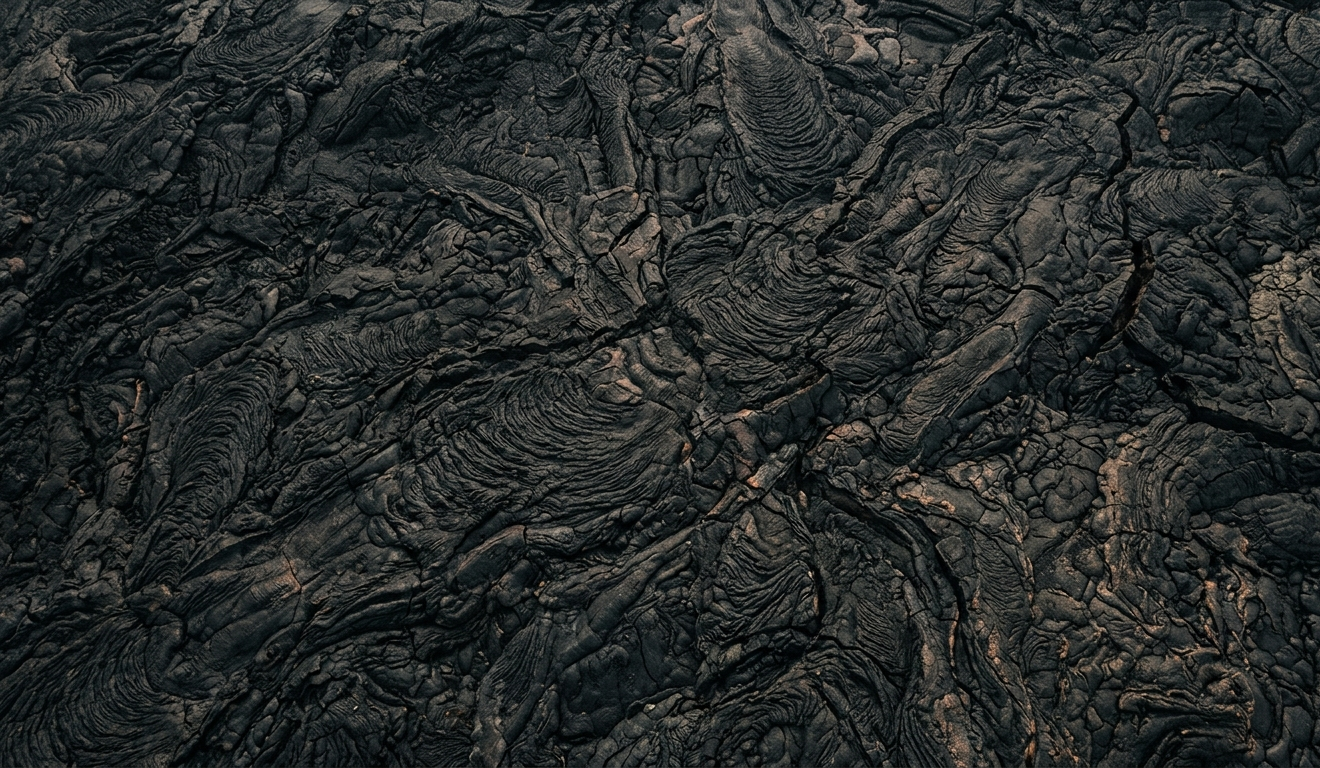
Hawaiʻi Island is one of the clearest places in the world to feel that land is alive. Lava fields are not scenery in the usual sense. They are recent earth, old earth, cultural landscape, scientific record, and in some places private property or protected park land.
At Hawaiʻi Volcanoes National Park, stay on marked routes and respect closures. Volcanic terrain can be sharp, unstable, hot in places, or fragile in ways that are not obvious from a distance. Steam vents, cracks, old lava tubes, and coastal lava benches all deserve attention.
Outside the park, avoid assuming that any lava field near a road is open for wandering. Hawaiʻi Island has subdivisions, ranch land, conservation areas, Hawaiian home lands, and private parcels that may not look “developed” to a visitor. If there is a gate, sign, fence, rope, or clear boundary, treat it as closed.
And leave the rocks where they are. Lava, coral, sand, and stones are not souvenirs. In national parks and many protected areas, removing natural objects is not allowed. More broadly, a photo and a memory travel better.
Don’t ignore kapu signs or cultural sites
You may see signs that say “kapu,” or you may encounter places that are clearly marked as protected, sacred, or not open to entry. The practical guidance is simple: if a place is marked kapu, do not enter.
Hawaiʻi Island has important heiau, burial areas, petroglyph fields, fishponds, and historic landscapes. Some are interpreted for visitors. Others are not. The absence of a big visitor center does not mean a place is casual.
At cultural sites, don’t climb on walls, move stones, leave offerings, stack rocks, scratch names, or step beyond marked boundaries for a better angle. These places do not need improvement from visitors. Standing back at a lava-rock heiau or walking quietly near petroglyphs, you feel the difference between looking at a place and consuming it.
Don’t make Maunakea an afterthought
Maunakea is often reduced in visitor planning to “sunset and stars.” That sells the mountain short.
It is a sacred place in Native Hawaiian culture, a highly sensitive alpine environment, and one of the world’s significant astronomy sites. It is also high enough that altitude, cold, wind, and driving conditions matter. The summit area is not the same as pulling into a scenic overlook near sea level.
The mistake is treating Maunakea as a casual add-on after a full beach day, a few drinks, and a long drive. If you go, plan deliberately. Pay attention to access guidance, weather, vehicle restrictions, and your own comfort with altitude. Many travelers find that lower-elevation stargazing is more enjoyable than pushing to the summit, especially with children, limited time, or uncertain conditions.
This is not just a viewpoint. Move quietly, follow posted guidance, and do not wander into areas that are closed or culturally sensitive. The mountain does not need to be conquered to be remembered.
Don’t assume every beach works the same way
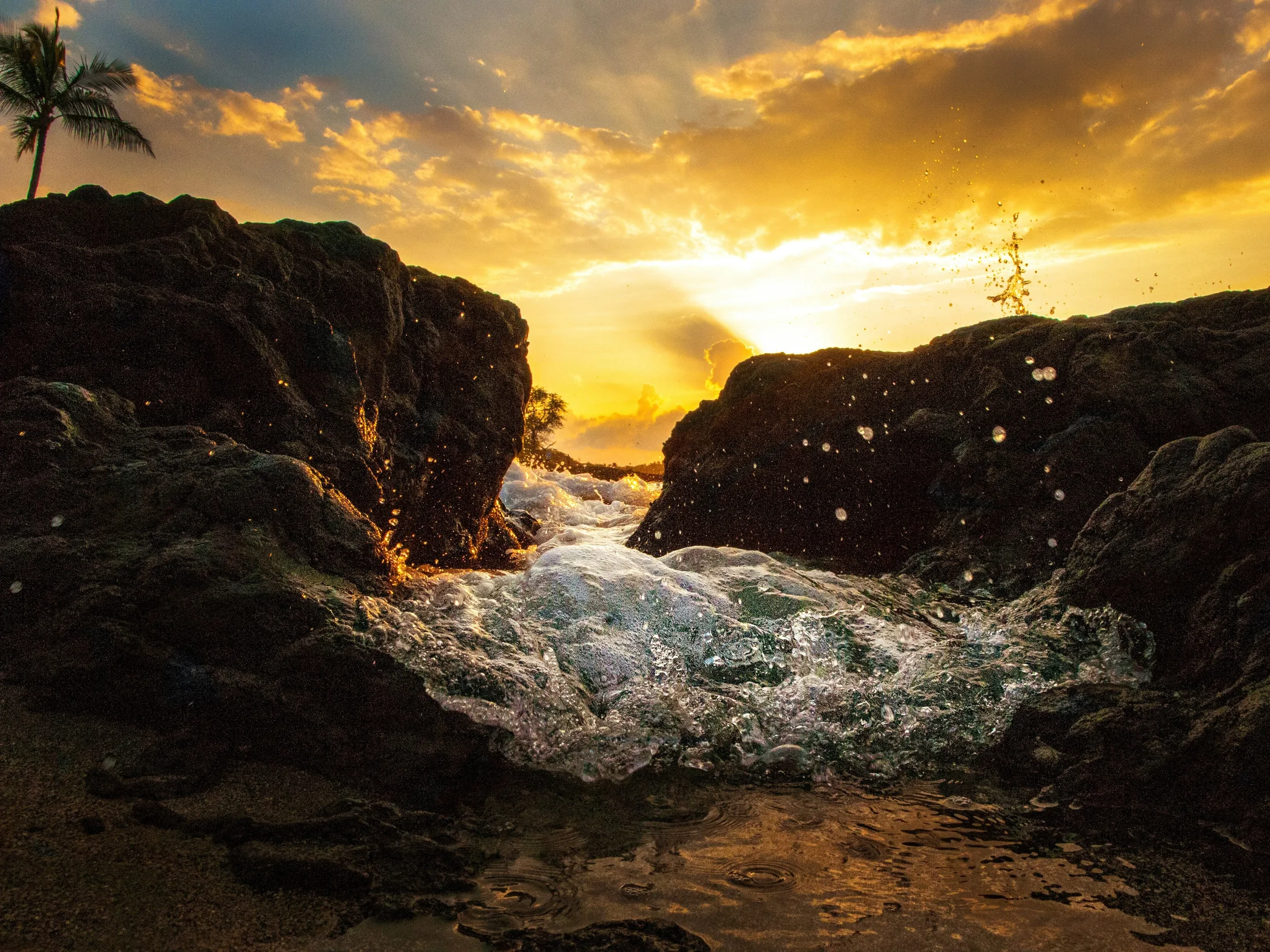
Hawaiʻi Island beaches vary dramatically. Some are broad and sandy. Some are small pockets between lava shelves. Some entries are rocky and awkward. Some are calm on one day and completely wrong for swimming the next.
On the Kona and Kohala sides, visitors often focus on clear-water snorkeling spots, sandy resort beaches, and lava-rock coves. Around Hilo and the east side, the coast can be rougher and more exposed, with different currents, weather, and water clarity. Down in Kaʻū, the shoreline can feel wild and remote. The island does not offer one beach experience repeated in different colors.
Don’t let a photo decide whether you swim. Watch the water for a while. Look for how locals are entering, or whether they are entering at all. Notice waves hitting rock, surge moving in and out, and whether the shoreline drops quickly. If the water is brown after heavy rain, choose another activity.
Snorkelers should avoid standing on coral or chasing marine life for a closer view. Use established entries where possible, float calmly, and keep your fins off the reef. The best underwater moments on Hawaiʻi Island usually happen when you stop trying to pursue them.
Don’t crowd wildlife
Hawaiʻi Island gives visitors remarkable chances to see marine life: honu resting near black sand, fish moving through lava channels, spinner dolphins offshore, and manta rays feeding at night.
The line is clear: look, don’t touch; observe, don’t pursue.
If turtles or seals are resting on shore, give them space and respect any ropes or signs. If dolphins are nearby, do not try to turn the moment into a swim-with-wildlife encounter. For manta ray night experiences, go with an operator that sets clear expectations and keeps people from touching, grabbing, or diving down onto the animals.
A turtle lifting its head from the sand, a manta passing through light, a dolphin pod moving on its own terms — those moments are better when they are not forced.
Don’t invent parking or access
Some of the island’s most popular places have limited parking, narrow roads, rough shoulders, or access through residential areas. The temptation is familiar: one more car can fit here, this driveway is only partly blocked, this dirt pullout is probably fine.
Don’t do it.
Bad parking blocks emergency access, damages roadside vegetation, frustrates residents, and can turn a beautiful stop into an expensive one.
If a lot is full, make another plan. Come back later, choose a less crowded beach, or trade the stop for lunch and a slower afternoon. Hawaiʻi Island is not short on good days; it is short on places that can absorb unlimited cars.
The same applies to access. Public shoreline access exists in many places, but not every path to the ocean is public. Stay with signed routes and obvious public entries. When in doubt, skip it. The island will offer you another opening.
Don’t be casual with rural roads and remote areas
Hawaiʻi Island still has places that feel far from services. South Point, parts of Kaʻū, remote lava coastlines, upland roads, and unpaved routes can look easy on a screen and feel very different in person.
A few practical habits help: start with more gas than you think you need, carry water, check whether your rental vehicle is allowed on the road you plan to use, and turn around before a road stops feeling right. If a route is rutted, muddy, steep, or clearly outside your comfort level, there is no shame in leaving it for another trip.
This is especially true when a famous place requires a rough approach or a long exposed walk. Popularity does not make a place simple. Your vacation gets better when you do not spend it forcing a rental car, your footwear, or your energy into a plan that does not fit the day.
Don’t rush through local towns like they are service stops
Hawaiʻi Island has resort zones, but it is not only a resort island. Hilo, Waimea, Honokaʻa, Hawi, Pāhoa, Captain Cook, Naʻālehu, and many smaller communities have their own pace and personality. Some places are polished for visitors. Others are simply where people live.
Be easy in those places. Park thoughtfully. Don’t block sidewalks for photos. Don’t walk into small businesses right before closing and expect a mainland pace. Don’t treat farmers markets, plate lunch counters, or roadside fruit stands like props.
The reward is not some manufactured “authentic” moment. It is a better lunch, a better conversation, a better sense of where you are. Hawaiʻi Island is generous when you meet it at normal human speed.
Don’t overplan the wonder out of the trip
There is a funny thing about responsible travel advice: too much of it can make a trip sound like a test. Hawaiʻi Island is not asking you to be perfect. It is asking you to pay attention.
Leave space in the day. Read signs. Stay out of closed areas. Give wildlife room. Don’t take rocks. Don’t block roads. Don’t treat sacred places, rural neighborhoods, or volcanic land as backdrops for your itinerary.
Then enjoy yourself fully.
Eat the malasada warm. Let a rain shower change your plan. Spend longer than expected watching clouds move across Maunakea or steam rise near Kīlauea. Sit on the sand without needing the next stop to justify the day.
The best Hawaiʻi Island trips are not built from checking off every famous place. They come from understanding that this island is still becoming — geologically, culturally, and personally. Travel with that in mind, and you will feel the difference.

Further Reading
A few relevant next steps from Alakai Aloha.
 BlogThe Best Months to Visit the Big Island
A month-by-month guide to Big Island weather, crowds, costs, events, and the best seasons for Kona beaches, volcano exploring, whales, and stargazing.
Editor's pick ActivityHawaiʻi Volcanoes National Park
Hawaiʻi Volcanoes National Park is a UNESCO World Heritage Site offering unparalleled opportunities to explore active volcanic landscapes, diverse ecosystems, and ancient Hawaiian culture, providing a profound connection to Earth's powerful forces.
Editor's pick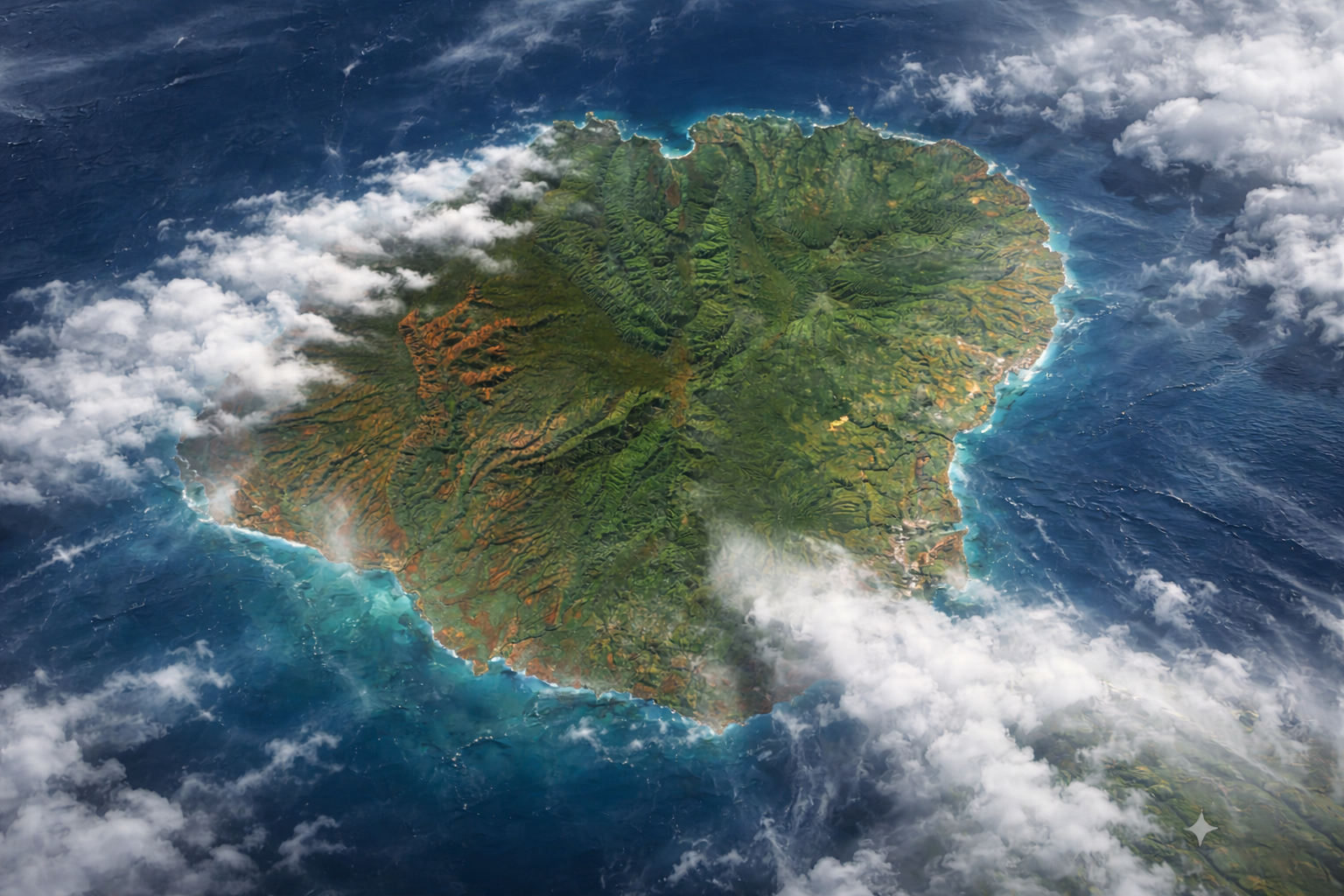 ToolCompare island weather by region
See how rain, wind, and conditions vary around the island before you choose your day plan.
Useful planning tool ActivitySteam Vents
Witness the raw power of Kīlauea as plumes of warm steam rise from the Earth's surface at this accessible natural attraction within Hawaiʻi Volcanoes National Park.
Editor's pick