

A nēnē sighting on Hawaiʻi Island rarely announces itself with drama. More often, you notice a pair of gray-brown birds grazing beside a road in the uplands, or a small family moving across clipped grass near a lava field. Then the details come into focus: the black face, the cream-colored cheeks, the buff neck with dark grooves, the careful walk that looks made for rough ground.
That quietness is part of the pleasure. Hawaiʻi’s state bird is not a showpiece animal. It is a survivor, a land goose shaped by volcanic islands, and on the Big Island you are most likely to meet it in places where lava, grass, road shoulders, parkland, and open uplands meet.
This guide focuses on seeing nēnē on Hawaiʻi Island with good judgment: where to keep your eyes open, when sightings are more likely, and how to enjoy the moment without changing the bird’s behavior.
First, know what you’re looking for
The nēnē is a Hawaiian goose found only in Hawaiʻi. It is smaller and more delicate-looking than the Canada geese many visitors know from the continent. Its face and crown are dark, its cheeks are pale, and its neck has a rippled, almost carved pattern.
On Hawaiʻi Island, the setting can help you identify it. Nēnē are often seen walking rather than swimming, and they are comfortable on rocky, open terrain. Their feet are less webbed than those of many other geese, an adaptation that suits lava fields, grasslands, and slopes better than ponds.
They may be in pairs, small groups, or family units. If you see fuzzy goslings, slow the whole encounter down: enjoy them from where you are, give the family more space, and let them choose their direction.
Why Hawaiʻi Island is a different kind of nēnē island
Some islands have a few obvious wildlife-viewing stops. Hawaiʻi Island is more spread out and less tidy. Its nēnē habitat can feel scattered across elevation, climate, and land use: high, cool volcanic areas; dry lava-and-grass transitions; open parkland; ranch country; and even landscaped resort zones where short grass offers easy feeding.
That means you do not need to “chase” nēnē here. In fact, that is usually the wrong approach. The better strategy is to build your day around places you already want to visit, then keep a patient eye out in the right kinds of habitat.
On this island, many of the best sightings happen incidentally: from a parked car at a viewpoint, along a quiet park road, near a trailhead, or outside your lodging when the morning is still cool.
Where to look on Hawaiʻi Island
Hawaiʻi Volcanoes National Park and the Volcano uplands
For many visitors, the most natural place to watch for nēnē on Hawaiʻi Island is around Hawaiʻi Volcanoes National Park and the surrounding Volcano area. The landscape suits them: open grassy patches, lava margins, cooler uplands, and park roads where birds sometimes feed near shoulders.
Do not expect a guaranteed sighting at a single overlook. Instead, treat the whole visit as nēnē country. Keep watch near open lawns, road edges, picnic areas, and quiet stretches where grass meets lava or native shrubland. Early and late in the day can be especially good, partly because the light is softer and partly because the birds may be more active.
If you see nēnē near a road, resist the urge to make the sighting into a roadside production. Pull over only where it is clearly safe and legal, stay inside or close to your vehicle if that keeps the scene calm, and use your camera zoom rather than walking toward them.
Mauna Loa and Saddle-area uplands
The broad middle of Hawaiʻi Island can surprise visitors. Between the coastlines and the volcano summits are large expanses of open, wind-brushed country: lava flows, grasslands, military and ranch lands, and high-elevation roads that make the island feel immense.
Nēnē may appear in these upland and lava-field edges, especially where there is forage near roadsides or open ground. The main caution here is simple: traffic can be fast, shoulders can be limited, and weather can change quickly. If you spot birds while driving, slow smoothly if conditions allow, but do not stop abruptly or block the road for a photo.
This is a place to be observant, not opportunistic. A glimpse from the car still counts.
Kohala and Kona resort landscapes
It can feel odd to see a rare native goose near manicured grass, but nēnē are practical birds. In parts of the leeward side — especially around open resort landscapes, golf-course edges, and irrigated green space near lava fields — they may find dependable grazing.
If you are staying along the Kohala or Kona coast, keep an eye out in the quieter parts of the morning and late afternoon. You may see nēnē crossing internal resort roads or feeding on grass. These are not pets, even when they appear relaxed around people. Do not feed them, do not herd them for a photo, and be especially careful when driving through resort roads where visitors, carts, and wildlife share space.
The best encounter here is often the easiest one: pause, watch from a respectful distance, and let the birds continue their breakfast.
Open grass, lava edges, and quiet roadsides
Beyond named places, learn the pattern. On Hawaiʻi Island, nēnē often make sense in transitional landscapes: not dense rainforest, not busy beach sand, but open ground where they can walk, graze, and see what is around them.
Look for:
Short grass near lava rock Open upland meadows and parkland Road shoulders in signed nēnē areas Quiet areas near trailheads, picnic grounds, or landscaped edges Pairs or family groups walking with purpose rather than lingering for people
Once you start recognizing the habitat, the island becomes easier to read.
Best times to see nēnē
Nēnē can be seen year-round on Hawaiʻi Island. They do not migrate away for a season in the way many mainland visitors expect geese to do.
For daily timing, early morning and late afternoon are usually the most promising. Birds are more likely to be feeding, temperatures are gentler, and human activity may be lower. Midday sightings happen, but the light is harsher and the birds may be resting or tucked away.
Seasonally, the cooler months through spring overlap with nesting and family activity. If you see goslings, you have been lucky — and that luck comes with one extra courtesy: give the group more room than you think it needs. Parent birds may not look dramatic when concerned; they may simply stand alert, bunch the goslings, or begin moving away. That is your sign to stop where you are.
How close is close enough?
A good nēnē encounter should not make the bird react to you.
That is the simplest standard. If the bird lifts its head repeatedly, changes direction, stops feeding, calls sharply, or starts walking away because of your approach, you are too close. Back up or stay still and let the moment settle.
Binoculars are perfect for nēnē. A phone camera is usually not, unless the bird is already nearby and you do not have to move closer. If photography matters to you, bring a real zoom lens and let the picture be what the situation allows.
Feeding is the one hard no. Bread, crackers, chips, and leftovers are bad for the birds, and handouts train nēnē to approach people, parking lots, and roads. A fed nēnē is not getting a treat; it is being taught a dangerous habit.
Driving in nēnē country
Hawaiʻi Island has long distances and many roads that pass through habitat. Nēnē do not always behave like animals that understand traffic. They may linger near shoulders, cross slowly, or move as a family group with goslings trailing behind.
When you see nēnē crossing or standing near a road, slow down calmly if it is safe. Avoid sudden swerves. Do not stop in a travel lane to take photos. If there is no safe place to pull over, let the sighting remain a passing one.
This is especially relevant around park roads, upland routes, and resort roads where birds may be accustomed to vehicles but still vulnerable to them.
A brief note on why this bird matters
The nēnē’s story is one of Hawaiʻi’s most important conservation recoveries. The species was once pushed close to disappearance, and decades of captive breeding, habitat work, predator control, and public awareness helped bring it back from the edge. Its status has improved, but the recovery is still delicate.
You do not need to carry the whole conservation history with you to appreciate the bird. Just knowing that this quiet goose belongs here — that it evolved for these islands and still depends on people making room for it — changes the way a sighting feels.
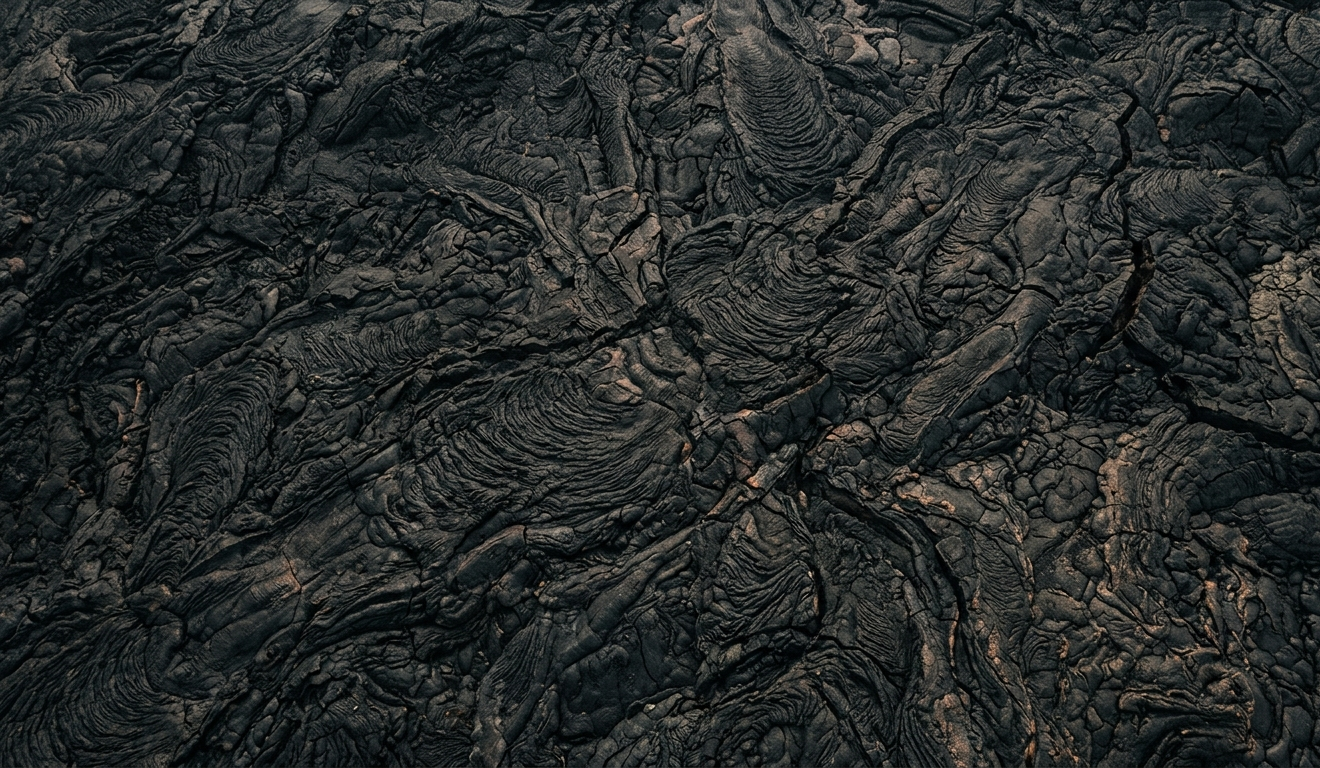
On Hawaiʻi Island, that feeling often arrives in an ordinary place: beside black lava, in pale morning light, with a pair of nēnē grazing as if the whole island has slowed to their pace. Watch long enough to notice them well. Then let them keep moving through their own day.

Further Reading
A few relevant next steps from Alakai Aloha.
 BlogHow to See Honu Respectfully on the Big Island
Learn where honu are often seen on Hawaiʻi Island, what makes them culturally significant, and how to watch sea turtles without crowding or disturbing them.
Editor's pick ActivityHawaiʻi Volcanoes National Park
Hawaiʻi Volcanoes National Park is a UNESCO World Heritage Site offering unparalleled opportunities to explore active volcanic landscapes, diverse ecosystems, and ancient Hawaiian culture, providing a profound connection to Earth's powerful forces.
Editor's pick BlogWhere to Watch Koholā on Hawaiʻi Island
Plan a winter whale-watching day with the best Hawaiʻi Island seasons, shore-viewing tips, boat rules, and responsible ways to see koholā.
Editor's pick BlogA Thoughtful Visit to Puʻuhonua o Hōnaunau
Plan a respectful visit to Puʻuhonua o Hōnaunau, with cultural context, what to see, and how to slow down at this sacred Big Island refuge.
Editor's pick