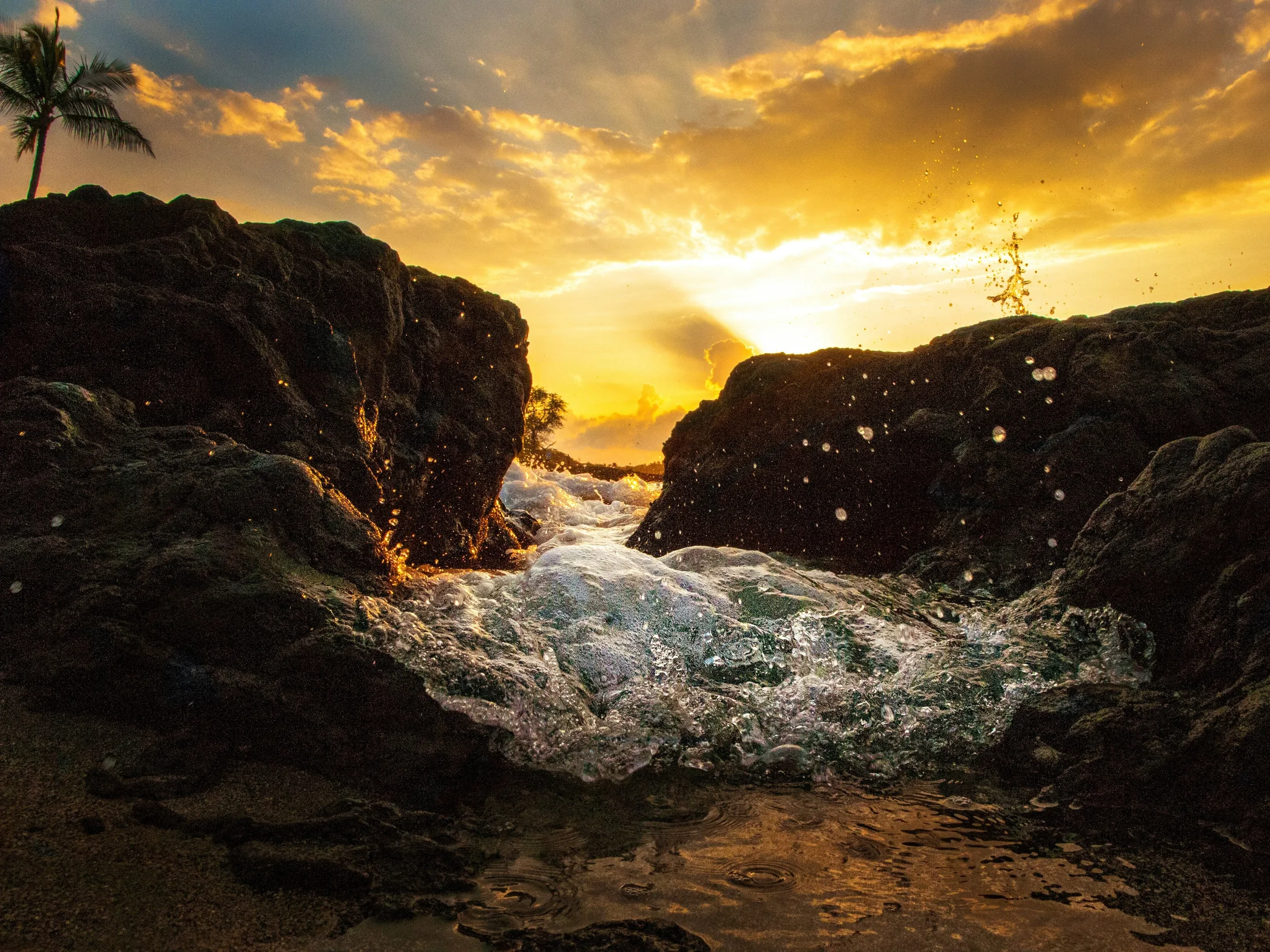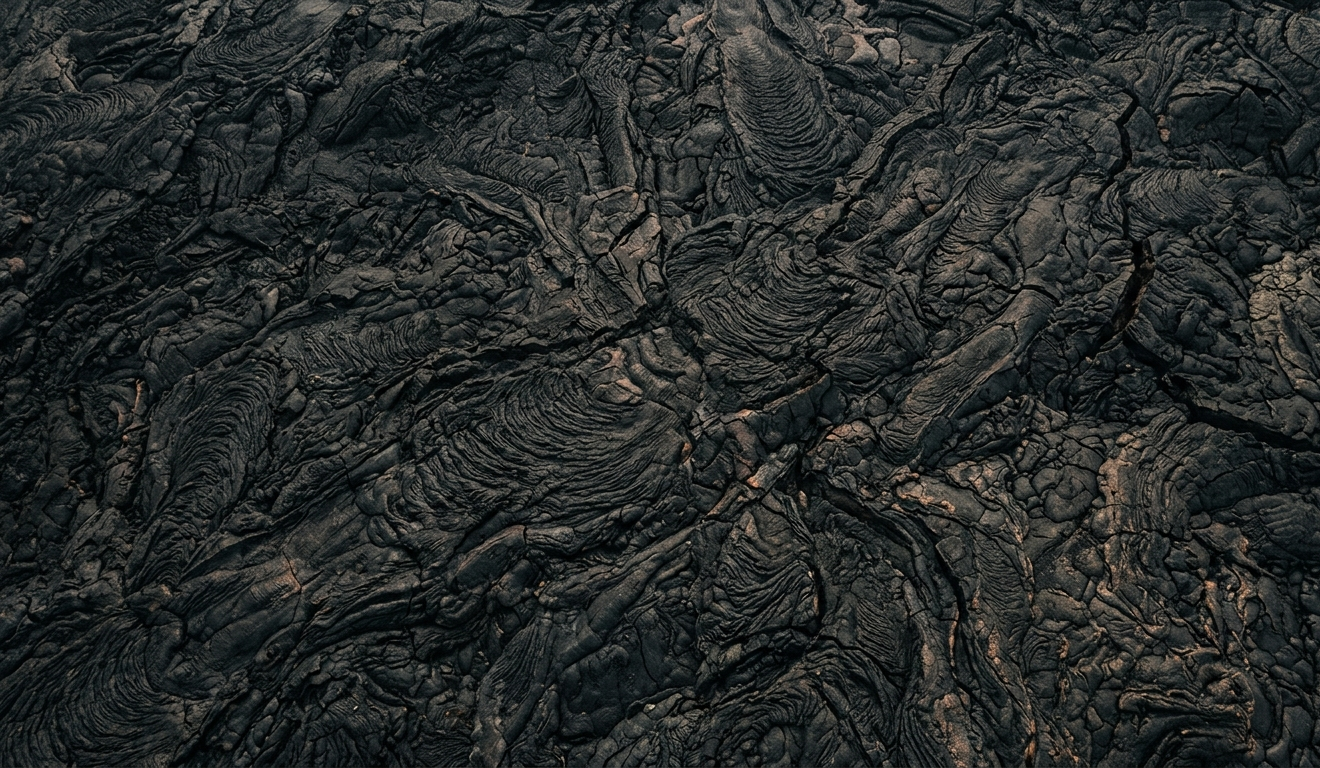


Hawaiʻi Island rewards a different kind of wildlife watching than people sometimes expect. The island is huge, the habitats change quickly, and the best encounters often happen at the edge of your plans: a nēnē stepping across a park road, a honu lifting its head in a tidepool, a flash of red ʻapapane in the ʻōhiʻa canopy, a whale spout far off the Kohala coast.
The trick is not to get closer. It’s to get better at noticing.
Bring binoculars, give yourself time, and choose places where animals can go about their day while you go about yours. On Hawaiʻi Island, that usually means national parks, fishponds, protected bays, upland forests, and open shoreline with room to stand back.
Kaloko-Honokōhau National Historical Park: turtles, fishponds, and quiet looking
Just north of Kailua-Kona, Kaloko-Honokōhau is one of the best first stops for understanding Hawaiʻi Island wildlife in context. It is not only a beach walk. It is a coastal cultural landscape of fishponds, anchialine pools, lava, ʻiliʻili shoreline, and reef — exactly the kind of layered habitat that makes patient wildlife viewing worthwhile.
Honu, the Hawaiian green sea turtle, are often the headline here. You may see them in the water, resting along the shoreline, or moving between the reef and sand. The best view is usually from a few paces back with binoculars or a long lens. If a turtle is hauled out, leave the route to the ocean open so it never has to maneuver around people to return to the water.
The fishponds and pools are just as interesting. Look for native and migratory birds working the edges, small fish moving in the shallows, and the calm geometry of traditional aquaculture meeting the wild coast. Go in the morning or later afternoon if you can; the light is softer, the heat is gentler, and the place invites you to slow down.
South Kona: reef life with a sense of place
South of Kona, Puʻuhonua o Hōnaunau National Historical Park sits beside one of the island’s most loved marine areas. Visitors often come for the cultural site, the shoreline, and the clear water nearby. Wildlife viewing here should feel secondary to the place itself — and that’s part of why it can be so good.
Along the lava and reef edge, watch for honu surfacing, reef fish in the shallows, and seabirds moving along the coast. Spinner dolphins are sometimes seen in South Kona waters, including offshore from protected bays. If you see them from land, enjoy the sight from where you are. If you are on a boat or joining an ocean tour, the better operators give resting dolphins space rather than trying to manufacture a close encounter.
Kealakekua Bay and the broader South Kona coast have a reputation for clear water, reef life, and occasional dolphin sightings. They are also heavily loved, which is why the best marine wildlife viewing here is passive: snorkeling without chasing, kayaking or boating without crowding animals, and choosing operators who emphasize careful wildlife viewing.
For reef life, the same principle applies in miniature. Float more than you kick. Keep fins off coral. Do not reach for fish, turtles, octopus, or eels. The less you interfere, the more the reef behaves like itself.
Punaluʻu Black Sand Beach: honu on black sand
Punaluʻu, on the island’s southeast side, is famous for its black sand and for honu that sometimes rest there. It is also popular, which means the quality of your visit depends less on getting the perfect turtle photo and more on reading the room.
If turtles are present, stand well back and avoid gathering in a semicircle that boxes them in. You can still have a beautiful view. In fact, the better photo is often the wider one: turtle, black sand, palms, tide, and the curve of the beach.
Punaluʻu is worth visiting even if no turtles are hauled out. The place has its own quiet drama — freshwater meeting saltwater, dark sand warming underfoot, and seabirds working the wind above the coast. Let wildlife be a gift here, not a guarantee.
Kohala and Kona coasts in winter: watching whales from land
When humpback whales return to Hawaiian waters in winter, Hawaiʻi Island’s west and northwest coasts become long, natural viewing platforms. You do not need to be on a boat to feel the season. From open coastal viewpoints along the Kohala and Kona sides, you may see blows, tail slaps, or breaches offshore when conditions line up.
Shore-based whale watching is one of the simplest wildlife experiences on the island. You are not changing the animal’s course, not adding engine noise, not asking anything of the whale. You are just watching the horizon with patience.
If you do choose a whale-watching boat, pick an operator whose approach sounds calm rather than aggressive: respectful viewing distances, naturalist interpretation, no promises of close contact, and a clear willingness to let the whales set the terms. A good tour does not need to chase.
Hawaiʻi Volcanoes National Park: nēnē and native forest birds
Hawaiʻi Volcanoes National Park is often planned around lava landscapes, craters, steam, and big geology. But it is also one of the most accessible places on the island to notice native birds.
Nēnē, the Hawaiian goose, may be seen in grassy or open areas, sometimes near roads or visitor facilities. They are charismatic, unhurried birds, which can make people forget they are still wild. Give them space, drive slowly where signs indicate crossings, and never feed them. Food handouts are one of the quickest ways to turn a wild animal into a roadside problem.
In the park’s wetter forest sections, listen before you look. Native honeycreepers often reveal themselves by sound and movement: ʻapapane in the ʻōhiʻa blossoms, Hawaiʻi ʻamakihi working through foliage, and, with luck, the bright curve of an ʻiʻiwi. Early morning is usually better for bird activity, and a quiet stop along a forested trail can be more productive than covering a lot of ground.
Stay on marked trails, partly for your own footing in volcanic terrain, but also because native habitat is often more fragile than it appears. The forest here is not a backdrop; it is the reason the birds are there.
Upland birding: where patience pays off
Hawaiʻi Island has some of the state’s most important remaining habitat for native forest birds. For travelers who care about birding, this is where the island becomes extraordinary.
The challenge is access. The best bird habitat is not always the easiest place to reach, and some areas are protected specifically because the species there are under pressure. Hakalau Forest National Wildlife Refuge, for example, is known among birders for rare native species, but it is not a casual pull-off stop. Access is limited and usually requires going through appropriate guided or volunteer channels.
If native forest birds are a priority, consider booking with a local birding guide who understands current access, road conditions, sensitive habitat, and how to find birds without stressing them. For a more flexible outing, look for established upland trails and forest roads where public access is clear, then go early, move quietly, and expect the weather to change. On Hawaiʻi Island, birding often comes with mist, mud, and long pauses under the trees.
Manta ray night tours: choose good operators
Hawaiʻi Island is well known for manta ray night experiences on the Kona side. Manta rays are not the same kind of viewing as spotting a nēnē or watching whales from shore, but they are one of the island’s signature wildlife encounters — and the quality of the experience depends heavily on the operator.
Look for tours that explain how guests should behave in the water, prohibit touching or diving down onto the animals, manage group size carefully, and treat the mantas as wild animals rather than performers. The best version of this experience is surprisingly still: you float, hold position, and watch these huge, graceful animals move through the lit water on their own terms.
When to plan around wildlife
Some wildlife viewing is seasonal, and some is year-round.
Honu may be seen along the coast in many seasons, though any individual sighting is never guaranteed. Humpback whales are a winter-into-spring possibility, especially along the island’s leeward coasts. Native forest birds are present year-round, with early morning generally giving you the best chance of activity. Seabirds and shorebirds vary by place and season.
Weather also matters. Kona mornings can be clearer before afternoon clouds build. Upland forests may be wet even when the coast is hot and dry. The windward side has a completely different rhythm from the leeward side. Build a little slack into your plans and the island will show you more.
The best wildlife encounters feel unforced
The most memorable Hawaiʻi Island wildlife moments are rarely the ones you can schedule to the minute. They happen because you chose a good place, stood still long enough, and did not ask the animal to perform.
At Kaloko-Honokōhau, that might be a turtle lifting its head in the shallows. At Hawaiʻi Volcanoes, it might be a nēnē calling through mist. Off Kohala in winter, it might be a whale exhaling so far away you see the spout before you understand what you’re seeing.
That is the pleasure of wildlife viewing here. You are not collecting encounters. You are being allowed to witness them.

Further Reading
A few relevant next steps from Alakai Aloha.
 BlogNative, Endemic, and Invasive on Hawaiʻi Island
Learn how to tell native, endemic, introduced, and invasive species apart as you explore Hawaiʻi Island’s lava fields, rainforests, gardens, and high country.
Editor's pick GuideBest Volcano Lodging Near Hawaiʻi Volcanoes NP
A guide to best Volcano lodging.
Editor's pick ActivityHawaiʻi Volcanoes National Park
Hawaiʻi Volcanoes National Park is a UNESCO World Heritage Site offering unparalleled opportunities to explore active volcanic landscapes, diverse ecosystems, and ancient Hawaiian culture, providing a profound connection to Earth's powerful forces.
Editor's pick ActivityPu'uhonua O Honaunau National Historical Park
Immerse yourself in ancient Hawaiian history and culture at this sacred 'place of refuge,' offering self-guided tours, ranger talks, and stunning coastal scenery.
Editor's pick