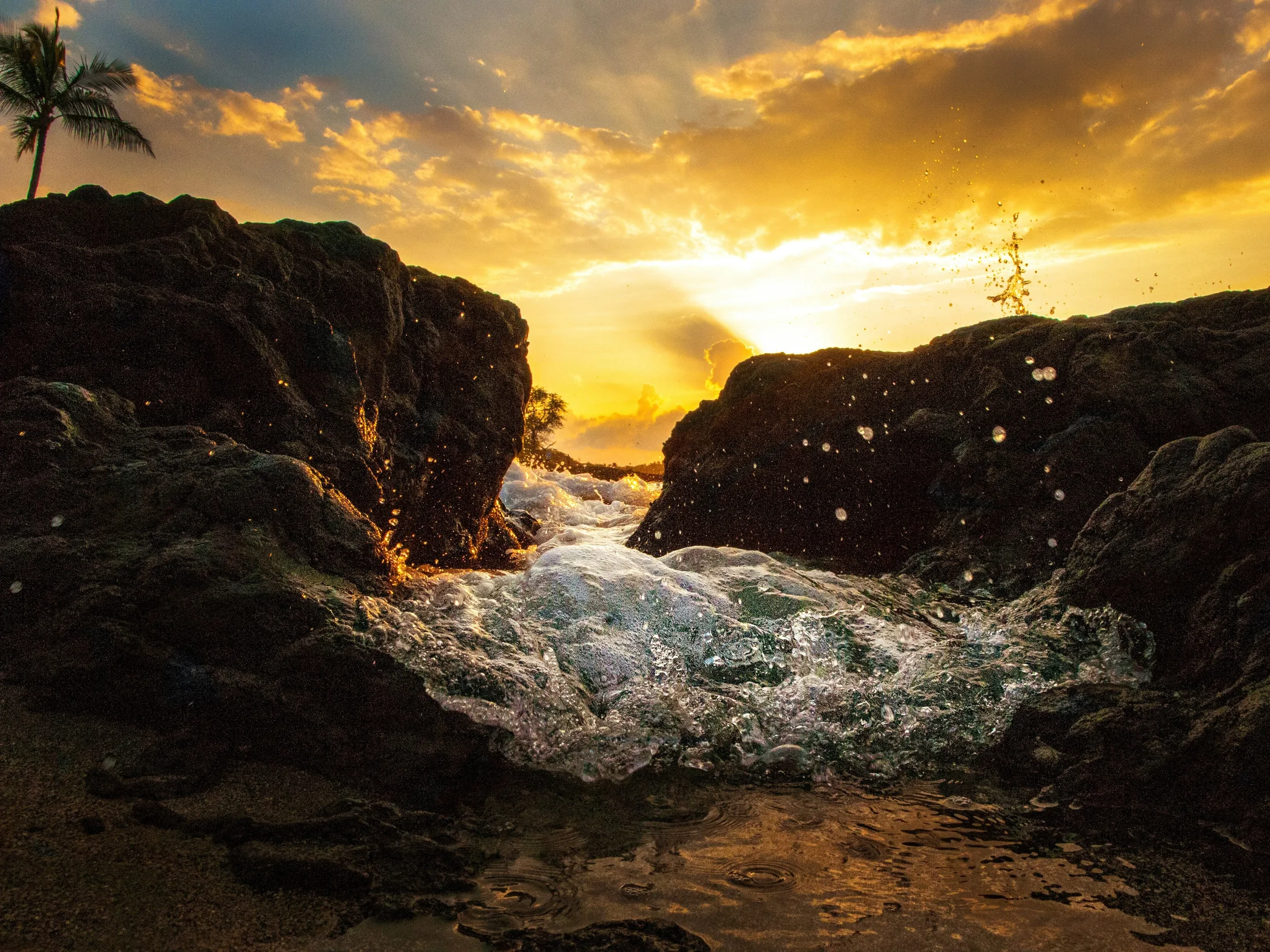


The best quieter places on Hawaiʻi Island are not really “secret.” They are public places that ask a little more from you: an earlier start, a longer walk, rough lava underfoot, and the judgment to turn around when the road, weather, or ocean is not right.
That tradeoff is part of the island’s appeal. Hawaiʻi Island is big in a way visitors often underestimate. Kona’s dry coast, Hilo’s rain-fed forests, the saddle between Mauna Loa and Mauna Kea, the black lava plains of Kaʻū, and the old Kohala shoreline can feel like different worlds. You do not have to chase forbidden trails or crowd into “secret” spots to find quiet. Choose places where space, heat, wind, and distance naturally thin the crowd.
Think of this as a better filter: a curated way to explore the Big Island’s quieter hikes and less-visited shorelines with confidence, not an exhaustive list and not a dare.
The Big Island version of “off the beaten path”
On some islands, off-the-beaten-path means a muddy ridge trail behind a neighborhood. On Hawaiʻi Island, it often means lava.
That matters. Lava fields can be beautiful and punishing at the same time: black rock radiating heat, uneven footing, little shade, and long stretches where the ocean looks close but takes forever to reach. A beach that feels secluded may have no lifeguard, no easy swimming, and no soft path back to the car.
So the right question is not, “Where is the secret place?” It is: “What kind of quiet am I actually prepared for today?” If you want a peaceful walk with good footing, choose a park trail or historical site. If you want a wild shoreline, accept that swimming may not be the point. If you want solitude, give yourself time. Rushing is where remote Big Island days start to feel less fun.
Quieter hikes with a strong sense of place
Kahuku Unit, Hawaiʻi Volcanoes National Park
Most visitors to Hawaiʻi Volcanoes National Park concentrate around Kīlauea’s summit, Chain of Craters Road, and the easier crater overlooks. The Kahuku Unit, on the park’s southwestern side, feels broader and quieter, with trails through former ranch lands, lava flows, cinder cones, and native forest.
It is a strong choice if you want the park’s volcanic story without being shoulder-to-shoulder at the most familiar stops. The walking here can feel expansive rather than dramatic: open slopes, big sky, and Mauna Loa’s presence above you.
Services are limited compared with the main park area, and conditions can be hot, windy, or wet depending on elevation and season. Check access before you drive out, bring water, and choose a trail that matches the time you actually have.
Mauna Ulu and Puʻu Huluhulu
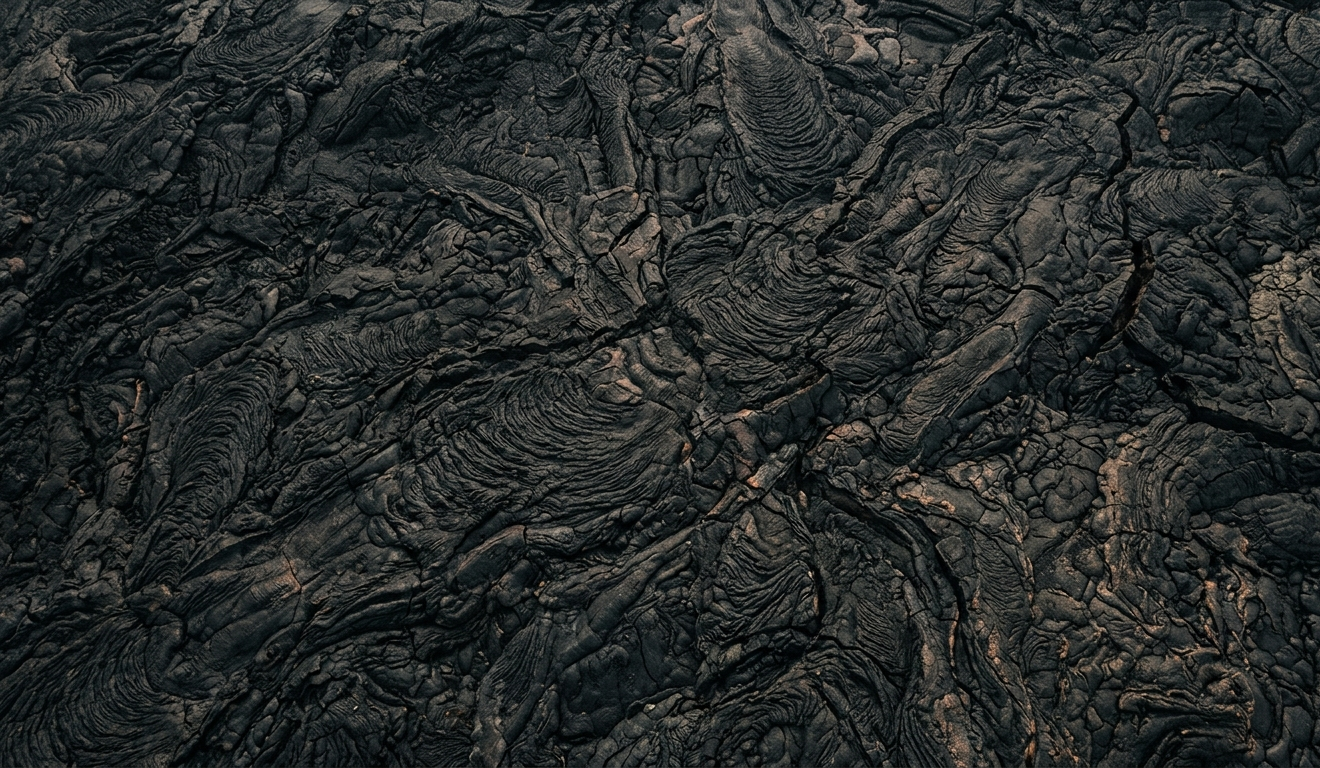
The Mauna Ulu area inside Hawaiʻi Volcanoes National Park is one of the island’s best places to understand lava as landscape, not just spectacle. The terrain tells a story of relatively recent eruption: hardened flows, cracks, tree molds, scattered ʻōhiʻa, and wide views across a young volcanic plain.
A walk toward Puʻu Huluhulu gives you that rare Big Island feeling of moving through a landscape that is both ancient in origin and geologically fresh. It is quieter than the park’s headline viewpoints, but still accessible enough for travelers who want more than a roadside stop.
Footwear matters here. Lava is not forgiving to sandals, and there is little shade once you are out on the flow. The reward is not a single photo spot, but the feeling of being inside the island’s making.
Puʻu Waʻawaʻa
North of Kona, Puʻu Waʻawaʻa offers dryland beauty: open slopes, old lava, grassland, and broad views toward the coast and mountains. It works especially well for travelers staying on the Kona or Kohala side who want a hike without crossing the whole island.
The landscape is sun-exposed and more subtle than a waterfall trail. That is part of the appeal. You come here for space, quiet, and the way the island opens around you as you gain elevation. Start early, bring more water than you think you need, and do not underestimate the climb simply because the terrain looks open.
Kaʻū Desert, Hawaiʻi Volcanoes National Park
The Kaʻū Desert is not a casual “let’s see what happens” hike, but for the right traveler, it is unforgettable. The name can be misleading. This is a volcanic desert shaped by ash, lava, wind, and the rain shadow of Mauna Loa. It feels spare, elemental, and far from the greener version of Hawaiʻi many visitors picture.
You do not need to commit to a long backcountry route to appreciate it. A shorter out-and-back can give you a sense of the place while keeping the day manageable. Treat distance honestly: exposure, heat, and changing weather can make modest mileage feel bigger here.
If your idea of beauty includes silence, texture, and horizon, Kaʻū rewards attention.
Less-visited shorelines where the walk is part of the experience
Kīholo State Park Reserve
Kīholo feels distinctly Hawaiʻi Island: black lava, blue water, bright pockets of lagoon, and a sense that the land is still settling into itself. It is not a polished beach day with rental chairs and a snack stand. It is a shoreline walk, best enjoyed slowly.
The approach and footing can be rough, and shade is limited. Many visitors come hoping for an easy swim and discover that the real pleasure is wandering the coast, watching the water shift color against the lava, and letting the place set the pace.
If you are staying on the Kona or Kohala side, Kīholo can be a beautiful half-day when conditions are settled and you are prepared for sun. Wear shoes you do not mind scuffing. Let it be a walk first, beach second.
Mahaiʻula and Makalawena, Kekaha Kai State Park
Kekaha Kai State Park protects some of the Kona coast’s most appealing sandy shoreline, including Mahaiʻula and Makalawena. These beaches are not unknown, but they remain less developed than many resort-side strands, and the extra effort keeps the mood more spacious.
Makalawena in particular is often treated as a prize at the end of a walk. The sand is pale, the water can be gorgeous, and the setting feels far from the built-up parts of Kona. But the access is part of the equation: rough roads, hot walking, and limited facilities depending on where you begin.
Enjoy it when you are not in a hurry. Pack simply, keep expectations flexible, and remember that a beautiful beach does not always mean an easy swimming beach.
Lapakahi State Historical Park
Lapakahi is not a secluded beach in the classic sense, and that is exactly why it belongs here. Along the Kohala coast, the park preserves and interprets part of an old Hawaiian fishing settlement, with a coastal trail, stone walls, and views across dry, wind-shaped shoreline.
It is quieter than many beach stops because the main activity is looking, walking, and learning rather than swimming. You feel the relationship between settlement, ocean, wind, and dryland resources in a way that a quick beach visit rarely gives you.
Kaloko-Honokōhau National Historical Park
Close to Kona but easy to underestimate, Kaloko-Honokōhau offers fishponds, lava shoreline, petroglyph areas, and coastal trails that reveal a layered Hawaiian landscape. Because it sits near busy travel corridors, some visitors pass it by in search of something farther away. That is their loss.
The park is especially rewarding if you give it time. Notice the fishpond walls, the anchialine pools, the contrast between black lava and pale sand, and the way the coast has supported life for generations.
This is not a remote expedition, but it can feel quiet in the right pockets. It is also a reminder that “off the beaten path” does not always mean driving farther. Sometimes it means paying closer attention.
Places to think twice about
A responsible Big Island list should be honest about what it leaves out.
Papakōlea, often called Green Sand Beach, is famous for its unusual color and remote Kaʻū setting. It is also a place where access, erosion, heat, and informal vehicle traffic have created real concerns. If you are drawn to it, research legal access carefully and be prepared for a hot, exposed walk.
Pololū Valley can appear “hidden” in older travel writing, but it is no longer a quiet secret. The overlook and trail can experience crowding and parking pressure. It is a beautiful part of North Kohala, but not the right place to treat as an escape from crowds.
The general rule is simple: if reaching a place requires trespassing, squeezing into a residential roadside, ignoring posted signs, or following a social-media shortcut, choose another plan. Hawaiʻi Island has plenty of public places where you can have a richer day without forcing access.
A better way to plan a quiet Big Island day
Build the day around one primary place, not three or four. Distances on Hawaiʻi Island are real, and the island does not reward overpacking. A morning hike at Kahuku or Puʻu Waʻawaʻa, followed by lunch and a relaxed coastline stop, will feel better than racing across the island because a list told you to.
Match your plan to the side of the island where you are staying:
From Kona or Kohala, think dryland hikes, lava shorelines, Kekaha Kai, Kīholo, Lapakahi, Kaloko-Honokōhau, and Puʻu Waʻawaʻa. From Volcano or Hilo, lean into Hawaiʻi Volcanoes National Park, Mauna Ulu, and the broader Puna or Kaʻū direction when you have a clear plan. From Waimea, you are well positioned for Kohala’s open landscapes, historical parks, and cooler upland starts.
The most useful gear is not complicated: real shoes, sun protection, water, snacks, and a willingness to skip the swim if the ocean is rough. For lava coastlines, closed-toe shoes make the day noticeably better. For exposed hikes, an early start can change the whole mood.
The quiet you came for
The Big Island does not reveal itself all at once. It is too large, too varied, and too geologically alive for that. Its quieter places are often windy, sunlit, rough-edged, and spacious. They ask you to slow down and make good choices.
That is the gift. When you stop chasing the “secret” version of Hawaiʻi and start choosing places with care, the island feels less like a checklist and more like a conversation: lava underfoot, salt in the air, mountain weather building in the distance, and a shoreline that does not need to be crowded to be unforgettable.

Further Reading
A few relevant next steps from Alakai Aloha.
 BlogHow to Know If a Big Island Beach Is Swimmable
A practical guide to reading Big Island beaches, from lava-rock entries and shorebreak to calmer Kona and Kohala spots worth considering.
Editor's pick GuideBest Hotels & Resorts on Hawaiʻi Island
A guide to Big Island hotels.
Editor's pick ActivityHawaiʻi Volcanoes National Park
Hawaiʻi Volcanoes National Park is a UNESCO World Heritage Site offering unparalleled opportunities to explore active volcanic landscapes, diverse ecosystems, and ancient Hawaiian culture, providing a profound connection to Earth's powerful forces.
Editor's pick ActivityChain of Craters Road
Descend 3,700 feet on Chain of Craters Road in Hawaiʻi Volcanoes National Park, a 19-mile scenic drive showcasing dramatic volcanic landscapes, ancient petroglyphs, and coastal views to the Hōlei Sea Arch.
Editor's pick