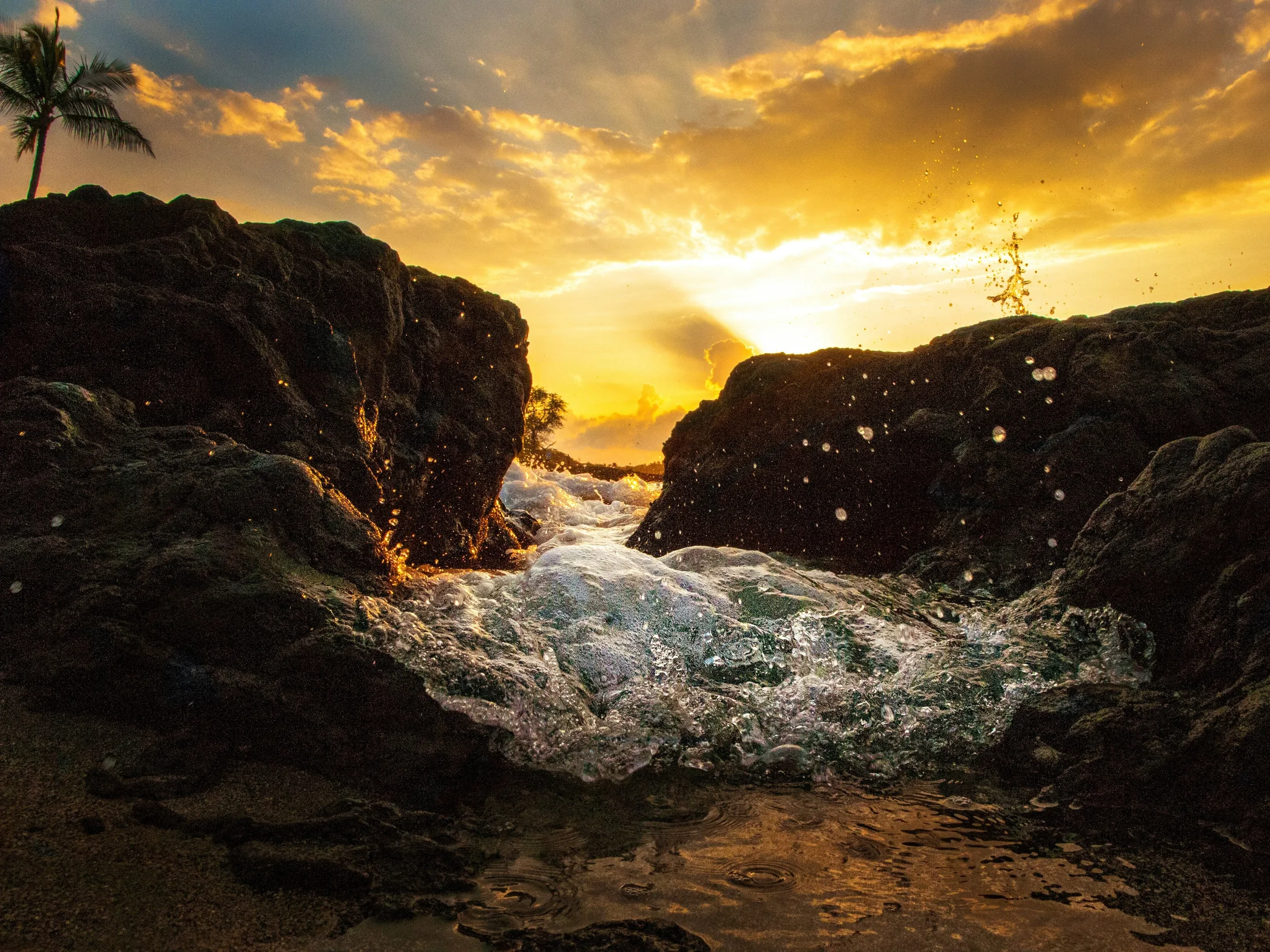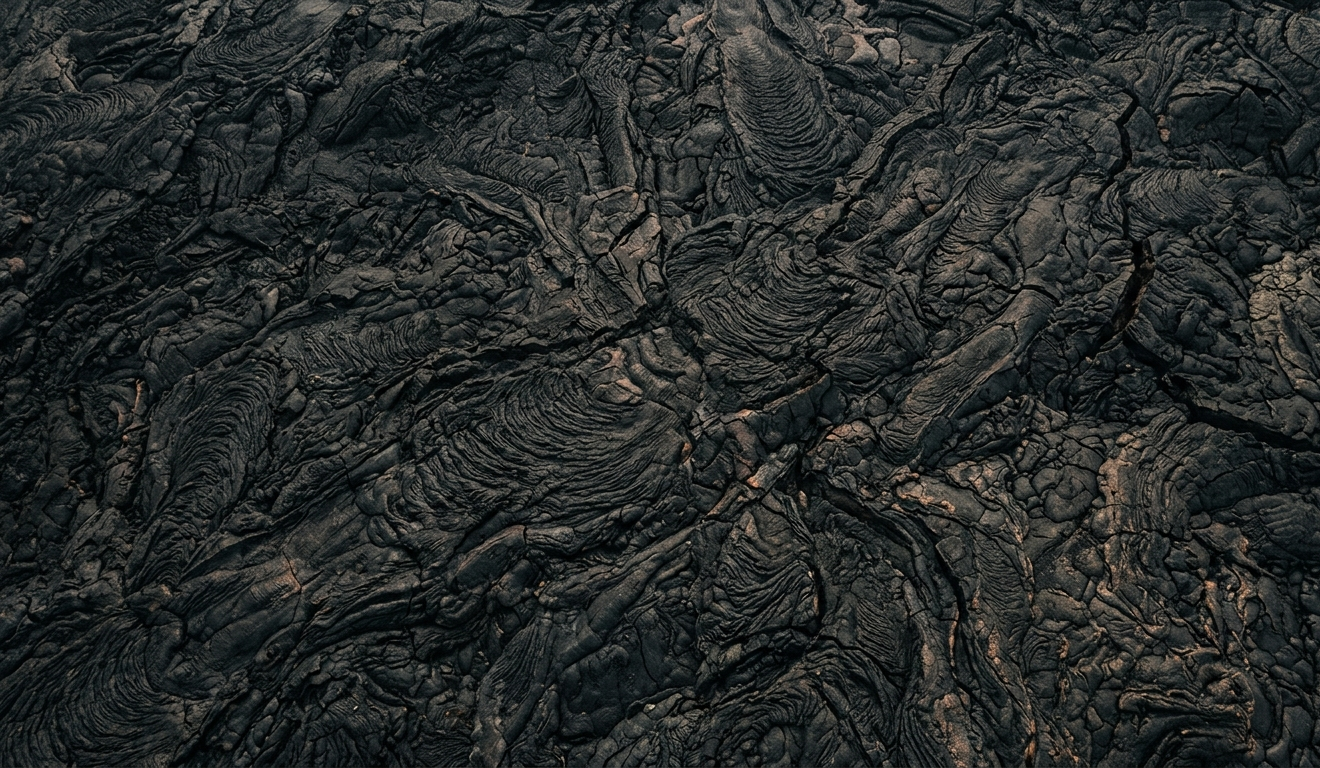


On Hawaiʻi Island, a hard hike usually feels hard for one of four reasons: the ground is young and sharp, the sun has nowhere to hide, the air gets thin fast, or the route is far from help. This is not the island for judging difficulty by mileage alone. A five-mile walk over rough lava can take more out of you than a longer forest trail elsewhere, and a climb that looks reasonable on a map can become a different animal above 10,000 feet.
That is also what makes the island so good for experienced hikers. Hawaiʻi Island has room: long volcanic grades, crater rims, high desert, wind-scoured alpine country, rainforest edges, and coastlines where the return climb is the price of admission. If you want a vacation hike that feels earned, choose carefully and give yourself enough margin to enjoy it.
What “challenging” means here
Hawaiʻi Island asks you to think in larger units. Drives are longer, trailheads can be far apart, and conditions can feel completely different from one side of the island to another. A morning in Kona can be dry and bright while clouds build over the volcanoes. A route inside Hawaiʻi Volcanoes National Park may be cool, misty, and raw. A South Kona coastal trail may feel like walking inside a skillet by late morning.
The island’s hardest hikes tend to involve at least one of these:
Lava footing: Uneven ʻaʻā and pāhoehoe can be slow, ankle-twisting terrain. Exposure: Many routes have little shade, and wind can be just as tiring as heat. Altitude: Maunakea and Mauna Loa are serious high-elevation environments, not just scenic viewpoints. Remoteness: Some trails leave you with few easy exit options once you are committed. Regulated access: Park rules, permits, road conditions, volcanic activity, and closures can change what is reasonable for a visitor itinerary.
The best challenging hike is not always the hardest one on paper. It is the one that fits your fitness, timing, rental car realities, access, and appetite for uncertainty.
Mauna Loa: the island’s purest endurance test
Mauna Loa does not give you the theatrical shape of a steep peak. It is enormous, broad, and quietly relentless. Hiking here is less about chasing a single viewpoint and more about entering a volcanic world stripped down to essentials: sky, rock, wind, distance.
Routes on Mauna Loa are for hikers comfortable with long days, sparse landmarks, and high elevation. The grades can feel deceptively gradual, which is part of the trap. You may not feel like you are climbing dramatically, but your body is working at altitude across uneven lava with very little shelter.
For visitors, Mauna Loa is best treated as a major undertaking rather than a spontaneous vacation hike. If you are considering a summit route or overnight backcountry plan, build the trip around Hawaiʻi Volcanoes National Park guidance. Volcanic activity, road access, trail conditions, and backcountry rules are not background details here; they determine the hike.
Choose Mauna Loa if you want solitude, scale, and a physically honest route through volcanic country. Skip it if your idea of a hard hike still includes shade, water features, clear bailout points, and frequent trail traffic.
Maunakea via Humuʻula Trail: hard because the air is thin
Maunakea is often approached by road, which can make people underestimate the hiking route. Do not. The Humuʻula Trail begins high and goes higher, reaching an alpine environment where the challenge is not technical climbing so much as altitude, wind, cold, and stamina.
This hike has a strange psychology. You are not in a lush valley or following a jungle stream. The land is open, dry, and spare, with long views across cinder and sky. The summit area can feel close before it actually is. At elevation, that matters. Pace becomes the whole game.
For strong hikers who have handled altitude before, Maunakea can be one of the island’s most memorable hard day hikes. For travelers coming straight from sea level, it deserves humility. Spend time acclimating if you can, start early, and be honest about headaches, nausea, dizziness, or unusual fatigue. Turning around on Maunakea is not failure; it is good mountain sense.
Muliwai Trail to Waimanu Valley: the big North Hawaiʻi commitment
The Muliwai Trail, leading toward Waimanu Valley, is one of the island’s serious backcountry routes. This is not a “squeeze it in before dinner” hike. It is a steep, muddy, remote undertaking along the Hāmākua and North Kohala side of the island, where cliffs, valleys, stream crossings, and weather all have a say.
For experienced backpackers, Waimanu has the pull of a place that still feels difficult to reach. That difficulty is the point — and also the reason most visitors should not treat it casually. Access logistics, permits, camping rules, trailhead considerations, and valley conditions need to be confirmed before building a plan around it. If any part of that sounds tedious, choose a different hike.
This route is best for hikers who already know how to manage wet trails, steep descents and climbs, heavy packs, and changing stream conditions. It is one of Hawaiʻi Island’s clearest examples of a hike that is challenging in the full sense: physical, logistical, and mental.
Nāpau and the Kīlauea backcountry: volcanic hiking with rules that matter
Inside Hawaiʻi Volcanoes National Park, the Kīlauea area offers hikes that range from approachable crater walks to demanding backcountry routes. Nāpau Trail, when available, belongs in the latter group. The appeal is not lush scenery or constant overlooks. It is the feeling of walking across volcanic landscapes that are still part of an active, changing system.
This is where Hawaiʻi Island hiking becomes different from hiking almost anywhere else. Trail access can be affected by volcanic activity, air quality, closures, and park management decisions. Conditions are not just “muddy today” or “hot this afternoon.” The land itself can alter the plan.
For capable hikers who want a hard volcanic route without the altitude profile of Maunakea or Mauna Loa, Kīlauea backcountry options can be a strong fit. The key is to let the park’s information shape the day. If a route is closed, choose another. There are enough excellent signed trails in the park that a changed plan can still become a good day.
Kaʻawaloa Trail: the underestimated Kona furnace
The Kaʻawaloa Trail, often associated with the Captain Cook Monument area, is not the island’s longest or most remote hike. It earns its place here because it is so easy to misread.
The route descends toward the coast, which means the hard part comes later. The ocean gets closer, the day gets warmer, and the return climb waits with limited shade. Many hikers have had the same realization halfway back up: the trail was never casual; it was just generous at the beginning.
This is a good choice for fit travelers staying on the Kona side who want a strenuous half-day rather than a full backcountry expedition. Start early, carry more water than you think you need, and do not save the climb for the hottest part of the day. It is a simple hike in concept — down, then up — but the heat gives it teeth.
Kīlauea Iki and crater-rim combinations: hard-ish, rewarding, and practical
Not every traveler looking for a challenge needs the island’s most punishing route. If you want a strong hike with more manageable logistics, a longer combination around Kīlauea Iki, Crater Rim sections, and nearby signed park trails can be the right call.
Kīlauea Iki is popular for good reason: it drops from forest into a crater floor, giving you a close look at the textures of a volcanic landscape without requiring a remote backcountry commitment. On its own, it may not satisfy a highly trained hiker looking for a full-day effort. Combined thoughtfully with adjacent open trails in Hawaiʻi Volcanoes National Park, it can become a substantial and deeply satisfying day.
This is a good choice for travelers who want challenge without turning the day into a logistical gamble. You still get weather, elevation, changing surfaces, and a strong sense of place. You also get signed routes, park infrastructure, and easier ways to adjust if conditions shift.
A simple way to choose
If you want altitude and a summit-style objective, look at Maunakea or Mauna Loa, then let acclimation, weather, and access decide whether the plan is sensible.
If you want remote backpacking and a serious commitment, research Muliwai and Waimanu carefully, with permits and access at the center of the plan.
If you want volcanic terrain without the highest elevations, consider Kīlauea backcountry routes when open, or build a longer day around signed trails in Hawaiʻi Volcanoes National Park.
If you want a hot, strenuous Kona-side climb, Kaʻawaloa may be enough. Do it early and respect the return ascent.
And if you are unsure, choose the hike that leaves you with the most margin. Hawaiʻi Island is not diminished by a conservative plan. Often, it is better that way: less rushing, fewer forced decisions, more attention to the land under your feet.
Check access before you commit, especially for national park backcountry routes, summit areas, valley routes, and anything affected by volcanic activity or road conditions. Start earlier than feels necessary. Carry real water, sun protection, and layers for high elevation. Tell someone your plan if you are heading into remote country. Turn around before the hike becomes a negotiation.
Hawaiʻi Island rewards hikers who read the day well. The best hard hikes here are not about proving something to the mountain, the lava, or yourself. They are about choosing a route with clear eyes, moving well through extraordinary terrain, and coming back with enough energy to enjoy the rest of the island.

Further Reading
A few relevant next steps from Alakai Aloha.
 BlogWhat to Do When a Big Island Trail Is Closed
Turn a closed Hawaiʻi Island hike into a smart Plan B, from volcano overlooks and lava tubes to waterfalls, gardens, scenic loops, and safer nearby swaps.
Editor's pick GuideBest Hikes & Outdoor Adventures on Hawaii Island
A guide to best Big Island hikes.
Editor's pick ActivityHawaiʻi Volcanoes National Park
Hawaiʻi Volcanoes National Park is a UNESCO World Heritage Site offering unparalleled opportunities to explore active volcanic landscapes, diverse ecosystems, and ancient Hawaiian culture, providing a profound connection to Earth's powerful forces.
Editor's pick ActivityMuliwai Trail
This strenuous multi-day backpacking adventure, often called the "Z-Trail," offers unparalleled views of Waipiʻo Valley and leads to the remote and culturally significant Waimanu Valley.
Editor's pick