

The best pre-trip viewing for Hawaiʻi Island is a little different from the usual “movies filmed in Hawaiʻi” list.
Oʻahu gives you Honolulu streets and North Shore beaches. Kauaʻi gives Hollywood cliffs, dinosaurs, pirates, and lost temples. Hawaiʻi Island has been used that way too — especially when filmmakers need lava, black rock, open ocean, or an otherworldly horizon — but its better screen education comes from a wider mix: a few big productions, volcano documentaries, hula from Hilo, paniolo stories from Waimea, plantation-era history, and films that help explain why Maunakea is more than a pretty sunset stop.
That mix fits the island. Hawaiʻi Island is huge, young, geologically restless, and culturally deep. Download one blockbuster for the plane, one documentary for context, and maybe a hula performance or short film for the night before you leave. You’ll see the island differently when you land.
Streaming availability changes constantly, so check your platforms before travel day.
Start with the landscapes: lava, ocean, and “another planet” Hawaiʻi
*Planet of the Apes* (2001)
Tim Burton’s *Planet of the Apes* is not trying to be a Hawaiʻi Island travel film, and that is partly why it works here. The island’s lava fields and stark volcanic terrain stand in for an alien world — a reminder that Hawaiʻi Island’s drama is not only green valleys and resort palms.
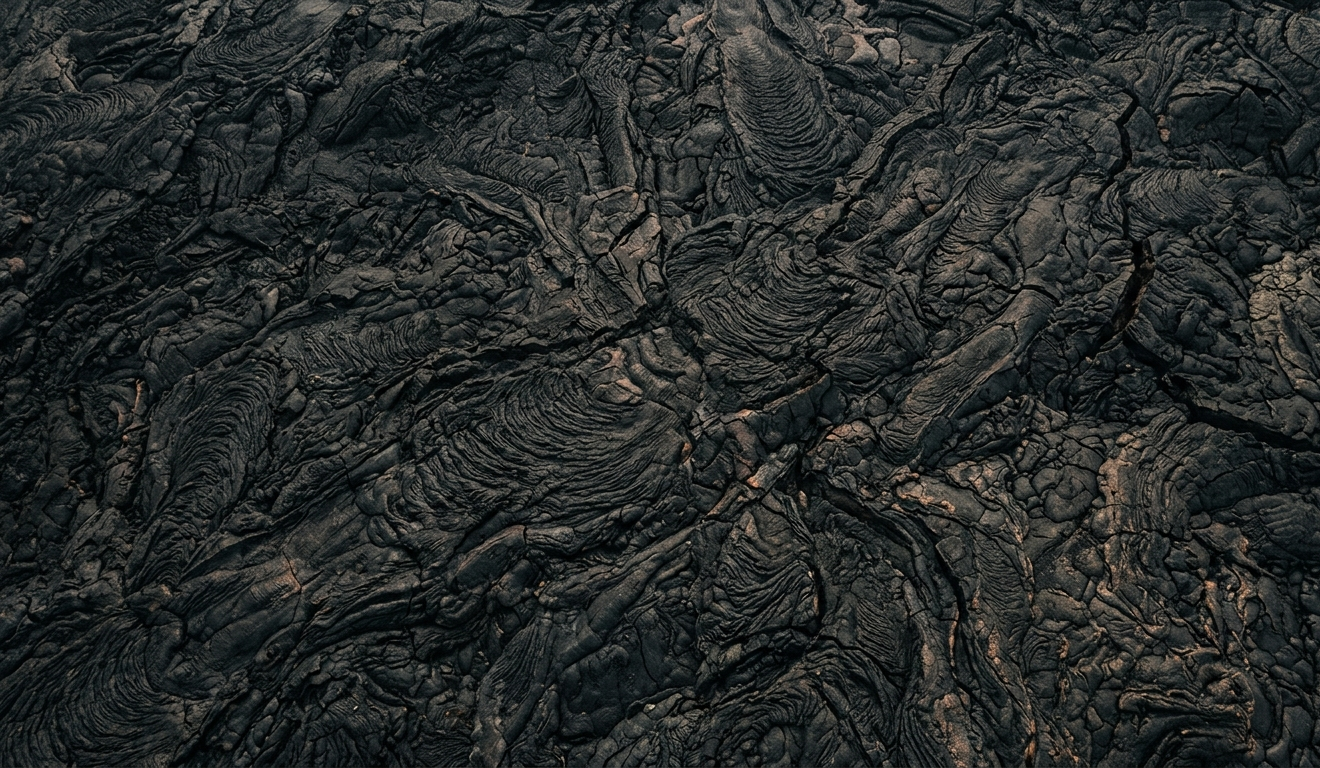
Watch it for mood more than plot. If your trip includes the Kona Coast, the drive across the saddle, the lava fields of South Kohala, or Hawaiʻi Volcanoes National Park, you’ll recognize the visual language: rough pāhoehoe, jagged ʻaʻā, low vegetation, big sky. The film exaggerates that into science fiction, but the texture comes from a real island.
The useful takeaway: Hawaiʻi Island is not a single postcard. It can look like rainforest, ranchland, desert, alpine cinder, old sugar country, and new earth within the same trip.
*Waterworld* (1995)
*Waterworld* is infamous for its oversized production, but it belongs on this watchlist because so much of its ocean work was tied to the Kona and Kohala side of the island. The film does not give you cozy location-spotting in the way a beach comedy might. Instead, it shows why the leeward waters off Hawaiʻi Island are such a cinematic stage: wide horizon, hard light, deep blue water, and a sense of being far from land even when land is close.
If you are planning a manta ray snorkel, a boat day along the Kona Coast, or a few mornings staring at the Pacific from the west side, *Waterworld* is a strange but fitting warm-up. It captures the scale of that ocean, even wrapped in 1990s post-apocalyptic excess.
*Fire of Love* (2022)
This documentary about volcanologists Katia and Maurice Krafft is not a Hawaiʻi Island travel guide, but it is one of the most beautiful films you can watch before visiting an active volcanic landscape. It gives volcanoes personality without turning them into monsters: mesmerizing, dangerous, creative, indifferent, alive in a geological sense.
For travelers headed to Hawaiʻi Volcanoes National Park, *Fire of Love* helps shift the mind from “I hope I see lava” to something richer. Kīlauea is not a special effect. It is part of a living landscape, studied by scientists, honored in Hawaiian tradition, and experienced by nearby communities in complicated ways.
Watch it for awe, and for patience. Volcano travel rewards people who can appreciate steam, crater walls, old flows, native forest, and changing light — not only the rare red-glow moment.
For Kīlauea context: watch the island change
*NOVA: Kīlauea — Hawaiʻi on Fire* (2019)
If you only watch one practical documentary before a Hawaiʻi Island trip, make it one about the 2018 Kīlauea eruption and the lower East Rift Zone. The eruption reshaped parts of Puna, destroyed homes, changed roads and coastlines, and reminded the world that “active volcano” is not just a phrase on a park brochure.
A good documentary on that eruption helps you understand why Hawaiʻi Volcanoes National Park matters, why residents speak about eruptions with a mix of respect, grief, curiosity, and fatigue, and why the island’s newest land can feel both spectacular and solemn.
This is especially worthwhile if you plan to spend time in Volcano Village, the national park, Hilo, Pāhoa, or the Puna coast. You do not need to become a geologist before you go. But seeing the eruption through scientists’ and residents’ eyes gives the landscape more meaning than a quick overlook stop ever could.
*Saving ʻŌhiʻa* (2018)
ʻŌhiʻa lehua trees are part of the visual and ecological soul of Hawaiʻi Island. They grow in lava landscapes, upland forests, rainy windward zones, and places that can seem too harsh for anything so elegant. Their red lehua blossoms show up in mele, hula, and moʻolelo, and their forests shelter native birds and plants.
*Saving ʻŌhiʻa* focuses on Rapid ʻŌhiʻa Death, a disease that has seriously affected Hawaiʻi Island forests. It is a quiet but valuable pre-trip watch because it trains your eye. Afterward, you may notice ʻōhiʻa in places you would have otherwise passed without a thought — along park roads, in wet forest, on young lava, near trails where the trees look wind-shaped and resilient.
For people, history, and the plantation era
*Picture Bride* (1994)
*Picture Bride*, directed by Kayo Hatta, tells the story of a young Japanese woman who comes to Hawaiʻi in the early 20th century to marry a plantation worker she knows only through a photograph. It is not a cheerful pre-vacation escape, but it is deeply relevant to Hawaiʻi Island, where sugar shaped towns, labor patterns, immigration, foodways, family histories, and local identity.
Watch it before driving through Hāmākua, Honokaʻa, Hilo, or old plantation landscapes where the present-day beauty can make the past easy to miss. The film gives emotional shape to a history still visible in place names, cemeteries, churches, former mill towns, and the ethnic mix of local food.
It is also a useful counterweight to the fantasy version of Hawaiʻi that dominated older Hollywood. Hawaiʻi was never just a backdrop for visitors’ romance. It was, and is, home.
*Paniolo O Hawaiʻi: Cowboys of the Far West* (1998)
Many first-time visitors are surprised by Waimea. After the coast, it can feel like a different island: cooler air, rolling pasture, rain blowing across the hills, horses, trucks, and a ranching culture older than many people expect. Hawaiʻi’s paniolo tradition predates the cowboy culture of much of the American West, and on Hawaiʻi Island it is not decorative. It is part of the island’s working history.
A documentary on paniolo culture prepares you for Waimea, Parker Ranch country, Kohala, and the open slopes between mountain and sea. It adds depth to a drive that some visitors otherwise treat as a scenic connector between beaches and viewpoints.
For Hilo, hula, and the living arts
Merrie Monarch Festival performances and features
This is not a movie, but it may be the most important screen experience on this list for understanding Hilo.
The Merrie Monarch Festival, held in Hilo, is one of the most respected hula events in Hawaiʻi. Watching archived performances, interviews, or festival features before your trip can change how you understand hula entirely. It is not background entertainment. It is discipline, genealogy, language, adornment, choreography, chant, memory, and competition at a very high level.
Start with one or two performances and pay attention to the details: the oli before the dance, the precision of hands and feet, the lei and costuming, the difference between kahiko and ʻauana, the way the audience responds. Hilo is often described by visitors in terms of rain, gardens, and old storefronts, all of which are real. Merrie Monarch helps you feel the cultural center underneath that postcard.
For Maunakea: beauty with context
*Mauna Kea: Temple Under Siege* (2006)
If your plans include Maunakea — whether for stargazing, the visitor area, or simply seeing the mountain from Saddle Road — it is worth watching at least one Hawaiʻi-made documentary about the mountain’s cultural and political significance.
*Mauna Kea: Temple Under Siege* presents a Native Hawaiian perspective on astronomy development and the long-running conflict over the summit. You do not have to treat one film as the final word on a complex issue. But it will help you understand why Maunakea is not merely “the place with observatories” or “the sunset mountain.”
The mountain is sacred to many Native Hawaiians. It is also central to modern astronomy. Those facts are often flattened in visitor conversation. A little context makes the experience less shallow.
*This Is the Way We Rise* (2021)
This short documentary, centered on poet and activist Jamaica Heolimeleikalani Osorio, is a compact way to hear contemporary Native Hawaiian voice, art, and resistance connected to Maunakea. It is brief enough to watch with coffee before packing, but it lingers.
For travelers, the value is not in memorizing a position. It is in hearing cadence, language, grief, humor, and resolve from someone speaking from inside the place rather than about it from the outside.
A simple flight plan
If you want the shortest version, pair one visual film with one context piece:
For volcano-focused trips: *Fire of Love* plus *NOVA: Kīlauea — Hawaiʻi on Fire* For Hilo and culture: Merrie Monarch performances plus *Saving ʻŌhiʻa* For Waimea and the north: *Paniolo O Hawaiʻi* plus *Picture Bride* For Kona-side ocean and lava landscapes: *Waterworld* or *Planet of the Apes* plus a Kīlauea documentary For Maunakea plans: *Mauna Kea: Temple Under Siege* plus *This Is the Way We Rise*
The point is not to arrive as an expert. It is to arrive with your eyes already tuned. The first time you see steam rising from a crater, rain moving across Hilo Bay, ʻōhiʻa blooming from lava, pasture climbing toward clouds, or Maunakea turning silver at dusk, you will have more than a pretty image in front of you. You will have a little context — enough to slow down, notice more, and let the island be larger than the version that fits on a screen.

Further Reading
A few relevant next steps from Alakai Aloha.
 BlogThe Best Months to Visit the Big Island
A month-by-month guide to Big Island weather, crowds, costs, events, and the best seasons for Kona beaches, volcano exploring, whales, and stargazing.
Editor's pick GuideBest Cultural Sites on Hawaiʻi Island
A guide to cultural sites Hawaiʻi Island.
Editor's pick ActivityHawaiʻi Volcanoes National Park
Hawaiʻi Volcanoes National Park is a UNESCO World Heritage Site offering unparalleled opportunities to explore active volcanic landscapes, diverse ecosystems, and ancient Hawaiian culture, providing a profound connection to Earth's powerful forces.
Editor's pick ActivityKīlauea
Witness the raw power of nature at Kīlauea, one of the world's most active volcanoes, offering dynamic landscapes within Hawaii Volcanoes National Park.
Editor's pick